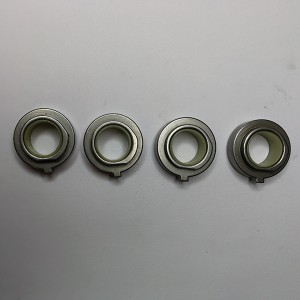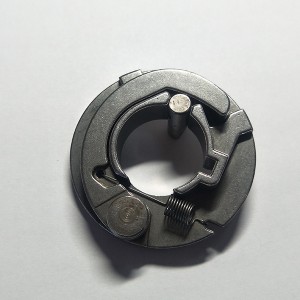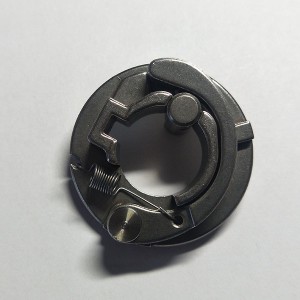





| วัสดุ | ผงเหล็ก,ผงโลหะผสมเหล็ก |
| ใบรับรอง | ISO9001,TS16949 |
| ความอดทน | +/- 0.002มม. |
| ช่วงความหนาแน่น | 6-7.2/ซม3(เหล็ก) |
| การบำบัดพื้นผิว | ชุบดำ ชุบดาโครเมท ขัดเงา พ่นทราย ชุบไฟฟ้า |
| การอบด้วยความร้อน | การชุบแข็งแบบธรรมดา การชุบแข็งด้วยคาร์บอน การชุบแข็งด้วยไรไตรด์ การชุบแข็งความถี่สูง |
| แอปพลิเคชัน | อุปกรณ์กีฬา เครื่องใช้ในบ้าน ชิ้นส่วนเกียร์ ยานพาหนะ ฯลฯ |
| ผลงาน | ความแม่นยำสูง ทนทานต่อการสึกหรอสูง เสียงรบกวนต่ำ ราบรื่นและมั่นคง ราคาถูก |
| เทคนิคการประมวลผล | ผงโลหะวิทยา |
| กระบวนการ | การผสม-การขึ้นรูปด้วยกลไก-การขึ้นรูปด้วยไฮดรอลิก-การตรวจจับความแข็งแรงและความแข็ง-การบรรจุและการจัดส่ง |
กำลังการผลิต: 100,000 ชิ้น/เดือน
การผลิตแม่พิมพ์: 20 วัน
วันที่จัดส่ง: 10-45วัน
บรรจุภัณฑ์: กำหนดเอง/ถุง PE + กล่อง + พาเลทไม้
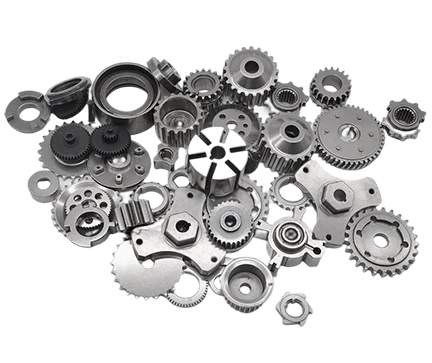
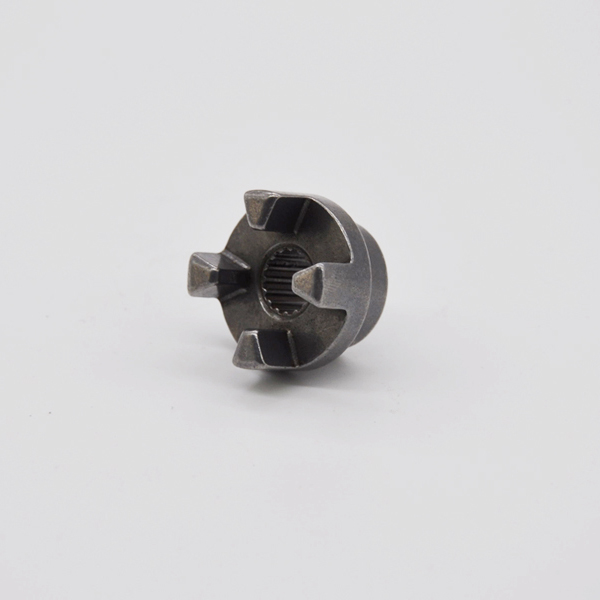
การประยุกต์ใช้การผลิต: เฟือง OEM ที่ทำจากโลหะผง เฟืองส่งกำลัง เฟืองเผาผนึกที่ใช้กันอย่างแพร่หลายในกล่องเฟือง/เครื่องลด/เครื่องผสม/เครื่องปั่น/ปั๊ม/เครื่องจักร/เครื่องมือไฟฟ้า/ปั๊มน้ำมัน/ปั๊มเฟือง
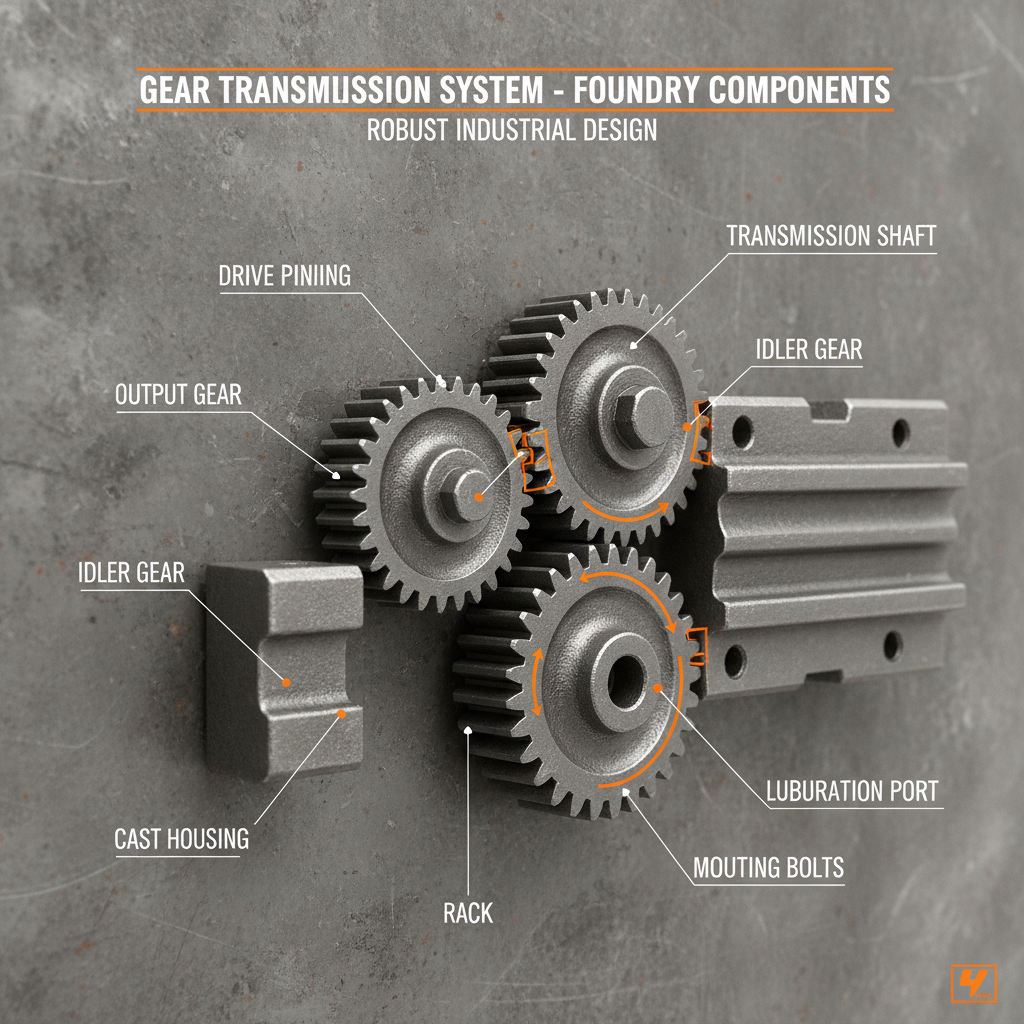
Gears are essential mechanical components designed to transmit torque and motion between shafts. While they may look simple, gears consist of several key parts that work together to ensure precise, efficient performance. Understanding each part helps in selecting, designing, or maintaining gears for different industrial and automotive applications.
Teeth
Gear teeth are the most recognizable feature. These are the protrusions around the circumference that mesh with the teeth of another gear to transmit motion. Tooth shape, size, and spacing (known as pitch) determine the gear's performance characteristics, such as speed, torque, and direction.
Pitch Circle
The pitch circle is an imaginary circle that passes through the points where gear teeth effectively engage. It's the reference diameter used to define gear size and calculate speed ratios between mating gears.
Root and Addendum
The root is the bottom part of the gear tooth, while the addendum is the portion that extends from the pitch circle to the tooth tip. These dimensions are critical for proper meshing and clearance between gears.
Face and Flank
The face is the surface of the tooth above the pitch circle, and the flank is the surface below it. These contact surfaces must be accurately formed for smooth and quiet gear operation.
Gear Hub and Bore
The hub is the central part of the gear that connects to the shaft. The bore is the hole in the center where the shaft is inserted. These parts ensure proper mounting and torque transfer from the shaft to the gear.
How Do Gears Work In Machines?
Gears are fundamental components in machinery, designed to transfer motion and power between rotating shafts. By meshing together, gears change the speed, direction, and torque of mechanical movement, making them essential in countless applications—from automobiles and industrial equipment to household appliances.
At their core, gears work through the interlocking of teeth. When one gear (the driver) rotates, its teeth push against the teeth of another gear (the driven gear), causing it to rotate in the opposite direction. By using different gear sizes, machines can increase torque (turning force) while reducing speed, or increase speed while reducing torque—depending on the application's needs.
For example:
Larger gears turning smaller ones increase speed but reduce torque.
Smaller gears turning larger ones reduce speed but boost torque—ideal for lifting or heavy machinery.
Gears can also change the direction of motion. Bevel gears, for instance, transmit power between perpendicular shafts, while worm gears allow motion at a 90° angle and prevent back-driving, which is useful in elevators or hoists.
In automated systems, gear ratios are carefully calculated to balance speed and power. Precision-engineered gears ensure smooth, quiet operation, energy efficiency, and extended machine life.
Whether in automotive transmissions, conveyor systems, or robotics, gears are the hidden force behind reliable, controlled motion.