






| Materiaal | IJzerpoeder, ijzerlegeringspoeder |
| Certificaat | ISO9001,TS16949 |
| Tolerantie | +/- 0,002 mm |
| Dichtheidsbereik | 6-7,2/cm3(Fe) |
| Oppervlaktebehandeling | Zwart maken, Dacromet verchromen, Polijsten, Zandstralen, Galvaniseren |
| Warmtebehandeling | Gewoon blussen, carbureren, riteren, hoogfrequent blussen |
| Sollicitatie | Sportuitrusting, huishoudelijke apparaten, transmissieonderdelen, voertuigen, enz. |
| Prestatie | Hoge precisie, hoge slijtvastheid, laag geluidsniveau, soepel en stabiel, goedkoop |
| Verwerkingstechniek | Poedermetallurgie |
| Proces | Mengen - Mechanisch vormen - Hydraulisch vormen - Detectie van sterkte en hardheid - Verpakken en verzenden |
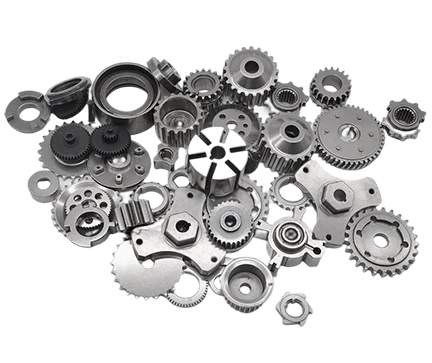
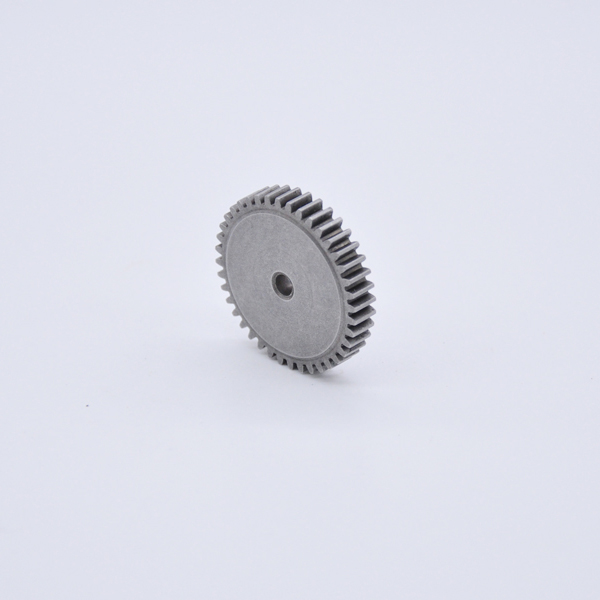
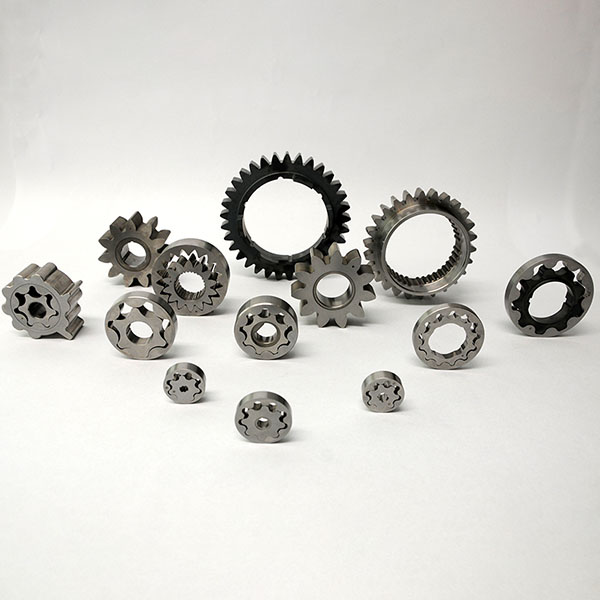
OEM-tandwielen voor poedermetallurgie, waaronder: ringwielen, grote interne ringwielen, binnenste ringwielen, ringwielen voor graafmachines, graafmachinetandwielen, planetaire tandwielen voor graafmachines, zonnewielen voor graafmachines, zwenkwielen voor graafmachines, ringwielen voor auto's, ringwielen voor de industrie, externe ringwielen, grote ringwielen, bullringwielen, ringwielen met grote diameter, speciale tandwielen, transmissietandwielen, tandwielen, wormwielen, schroefwielen, rechte tandwielen, kegelwielen, ringwielen, interne ringwielen, ringwielen voor cementmengers, enzovoort.
Troubleshooting Common Issues in Powder Metal Gears
Powder metal gears are widely used in automotive, industrial, and power transmission systems due to their cost-effectiveness, precision, and strength. However, like any mechanical component, they can encounter operational issues that affect performance. Understanding common problems and their root causes is essential for ensuring reliability and prolonging gear life.
One of the most frequent issues in powder metal gears is tooth wear. Excessive wear can result from improper lubrication, high contact stress, or misalignment with mating gears. Powder metal gears often have oil-impregnated porosity for self-lubrication, but in high-speed or high-load applications, supplementary lubrication may be required. Inspecting the lubrication system, checking for proper oil levels, and verifying gear alignment can prevent premature wear and maintain smooth operation.
Another common problem is tooth breakage or chipping. This usually occurs under shock loads or overload conditions. Over-torquing, sudden load spikes, or improper gear ratio selection can lead to localized stress beyond the material’s fatigue limits. Identifying the source of excessive load and ensuring gears are matched with the correct application specifications is key to preventing breakage.
Gear noise and vibration can also indicate operational issues. Misalignment, uneven tooth contact, or manufacturing inconsistencies can generate abnormal noise. Vibration analysis and careful inspection of the gear mesh can help identify these problems early. Adjusting assembly tolerances or replacing worn components can restore normal performance.
Powder metal gears may also experience surface defects, such as pitting or microcracking, often resulting from insufficient sintering or inadequate heat treatment during manufacturing. Regular inspection and non-destructive testing techniques, such as ultrasonic or dye penetrant methods, can detect these defects before they lead to gear failure.
Finally, environmental factors such as contamination with dust, debris, or corrosive fluids can degrade gear performance. Proper sealing, routine cleaning, and protective coatings can mitigate these issues and extend gear life.
In conclusion, troubleshooting common issues in powder metal gears involves monitoring lubrication, alignment, load conditions, and environmental factors. By addressing wear, breakage, noise, and surface defects proactively, engineers and maintenance teams can ensure optimal gear performance and long-term reliability.
Innovations and Advances in Powder Metal Gear Manufacturing
The field of powder metal gear manufacturing has evolved significantly over the past decade, driven by the demand for high-performance, cost-effective, and sustainable components. These innovations focus on materials, production techniques, and design optimization to meet the increasing requirements of automotive, industrial, and power transmission systems.
One of the most impactful advancements is in high-performance alloy powders. Modern powder metallurgy gears often use iron-based powders combined with copper, nickel, or molybdenum to enhance strength, toughness, and wear resistance. Optimized powder blends allow for improved densification during sintering, resulting in gears that can withstand higher torque and fatigue loads while maintaining dimensional accuracy.
Near-net-shape production is another major innovation. High-precision die compaction allows complex geometries, including hubs, flanges, and internal splines, to be formed in a single process. This reduces secondary machining, improves alignment accuracy, and lowers material waste. The ability to integrate multiple functional features during compaction enhances assembly efficiency and reduces production costs.
Sintering technology has also advanced. Controlled-atmosphere furnaces and rapid thermal processing provide uniform densification and mechanical properties, reducing porosity variations and increasing fatigue resistance. Combined with post-sintering treatments such as carburizing, induction hardening, and surface densification, powder metal gears now achieve hardness and wear resistance comparable to traditionally machined steel gears.
Surface engineering and self-lubrication techniques have improved gear performance in high-load and high-speed environments. Oil impregnation and optimized pore distribution allow continuous lubrication, reducing friction, heat generation, and maintenance needs. Some gears now incorporate advanced coatings to resist corrosion and abrasive wear, extending operational life in harsh environments.
Digital design and simulation tools are increasingly integrated into powder metal gear manufacturing. Computer-aided engineering (CAE) enables accurate modeling of stress distribution, tooth contact, and load paths before production. This reduces prototyping time, improves gear efficiency, and ensures consistency in mass production.
Finally, additive manufacturing is beginning to complement traditional powder metallurgy processes. Hybrid approaches allow for highly customized gear designs with complex internal structures, supporting emerging applications in robotics, automation, and renewable energy systems.
In summary, innovations in powder metal gear manufacturing—from advanced powders and near-net-shape compaction to surface engineering and digital simulation—have significantly enhanced gear performance, reliability, and cost-effectiveness across diverse industries.
Optimizing Powder Metal Gears for Efficiency and Longevity
Optimizing powder metal gears for efficiency and longevity is critical in automotive, industrial, and power transmission applications. By focusing on material selection, gear design, lubrication, and operational practices, engineers can significantly improve performance and extend service life.
Material selection is the first step in optimization. Iron-based powders alloyed with elements such as copper, nickel, or molybdenum provide a balance of strength, toughness, and wear resistance. The choice of alloy depends on the specific application: high-torque environments require fatigue-resistant alloys, while lighter-duty applications may prioritize cost efficiency.
Gear geometry and design play a vital role in efficiency. Precise tooth profiles ensure uniform load distribution, reduce backlash, and minimize friction. Features such as hubs, splines, and flanges can be integrated during powder metallurgy compaction, enhancing assembly accuracy and load handling. Optimized tooth shape also reduces vibration and noise, contributing to smoother operation and energy savings.
Lubrication and self-lubricating properties are crucial for longevity. Powder metal gears can be impregnated with oil during manufacturing, providing continuous lubrication during operation. Proper maintenance practices, including periodic inspection and replenishment of lubrication, further reduce wear and heat generation, extending gear life.
Surface treatments such as carburizing, nitriding, or induction hardening improve hardness and wear resistance without compromising core toughness. These treatments are particularly important in high-load or high-speed environments, preventing pitting, cracking, and premature failure.
Operational factors must also be considered. Avoiding overload, ensuring proper alignment, and minimizing shock loads are essential to maintain gear efficiency and durability. Monitoring operating conditions through vibration analysis or temperature sensors can identify potential issues before they affect performance.
Finally, advances in simulation and digital modeling allow engineers to predict stress distribution, tooth engagement, and fatigue life before production. These tools enable the optimization of gear parameters for specific applications, ensuring maximum efficiency and extended service intervals.
In conclusion, optimizing powder metal gears involves a comprehensive approach combining material science, precision design, lubrication management, surface engineering, and operational best practices. This holistic strategy ensures reliable, efficient, and long-lasting gear performance across automotive, industrial, and power transmission applications.











