







In the rapidly evolving world of automobiles, every detail matters. From efficiency and reliability to customization and performance, the heart of every vehicle lies in the quality of its Automotive Components. Today’s market demands not just affordability but consistent durability—making the sourcing of wholesale auto parts and precision engine metal part solutions more crucial than ever. Whether you’re an auto repair shop, aftermarket distributor, or an OEM car manufacturer, securing dependable parts means gaining a competitive edge and earning customer trust. This is where the fusion of advanced manufacturing and global wholesale supply meets the road.
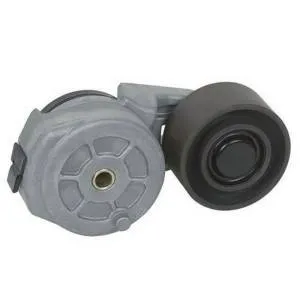
How Wholesale Auto Parts Drive Aftermarket Efficiency and Scale
The global automotive aftermarket is driven by the need for fast, affordable, and reliable solutions. Wholesale auto parts fill this gap, providing everything from brake systems and alternators to lights, filters, suspension kits, and steering components—all in bulk. These parts cater to vehicles of all makes and models, ensuring that distributors and retailers can meet diverse customer demands without long lead times. In today’s economy, speed and availability are king. That’s why wholesalers prioritize scalable inventory management systems, localized warehouses, and integrated logistics networks to guarantee on-time delivery.
Beyond logistics, quality assurance is central to the reputation of any wholesale auto parts supplier. International certifications like ISO/TS 16949 and in-house testing labs are becoming standard to verify the performance, compatibility, and safety of every product. Moreover, many wholesalers are now adding branding, packaging design, and warranty management services, helping buyers not only stock the parts but sell them effectively in competitive retail environments. These solutions streamline operations for small repair businesses and large-scale importers alike. By aligning with trusted wholesale networks, businesses can cut costs while ensuring technical reliability and customer satisfaction.
High-Precision Automotive Components for Next-Gen Vehicles
The transition from fuel-based to electric and hybrid vehicles has revolutionized the landscape of Automotive Components. These include structural parts like cross members and control arms, electronic elements such as ECUs and sensors, and mechanical modules like axles, pistons, and valves. Each component must meet rigorous industry standards, including heat resistance, fatigue life, corrosion protection, and environmental compliance. As vehicles become more connected and autonomous, Automotive Components are expected to communicate, self-diagnose, and adapt to road conditions. Precision and innovation are no longer luxuries—they’re requirements.
Modern manufacturers rely on digital twin technology, automated assembly, and AI-driven defect detection to ensure accuracy across massive production runs. Materials science plays a critical role too. Lightweight composites and advanced steel alloys are increasingly replacing traditional cast iron, balancing fuel efficiency with structural integrity. The reliability of Automotive Components also depends on micro-level engineering: from tight-tolerance machining of bushings and seals to surface treatments that resist chemical degradation. For brands aiming to launch or scale a new vehicle platform, choosing component partners with end-to-end capabilities—design, prototyping, tooling, and mass production—is now a competitive necessity.
Why Engine Metal Part Quality Defines Long-Term Vehicle Performance
If the vehicle is a living organism, then the engine metal part is its beating heart. These components include pistons, camshafts, crankshafts, valves, cylinder heads, connecting rods, and timing gears—every part that drives internal combustion or power conversion in electric motors. High-performance engines require tight dimensional accuracy, superior thermal resistance, and exceptional strength-to-weight ratios. Therefore, the selection of materials such as forged steel, billet aluminum, and even titanium alloys has become more strategic than ever before.
Manufacturing techniques like CNC machining, metal sintering, die casting, and high-pressure forging are used to produce the modern engine metal part. OEMs often require a tolerance of ±0.005mm and specific surface hardness levels to ensure wear resistance and noise reduction. In racing engines or high-load trucks, durability becomes even more critical, as operating conditions may include extreme temperatures and high RPMs for prolonged periods. Every minor flaw or deviation can lead to breakdowns or catastrophic failure. That’s why performance testing, ultrasonic inspection, and stress simulation are core steps before any part reaches the assembly line. Investing in superior engine metal parts means delivering lasting value, fewer returns, and enhanced consumer confidence.
OEM and Aftermarket Synergy in Wholesale Auto Parts Manufacturing
The line between OEM (original equipment manufacturer) and aftermarket parts is increasingly blurring. High-end wholesale auto parts now meet or even exceed OEM quality, offering better profit margins and wider compatibility. This is particularly valuable for global suppliers servicing older or international models where OEM replacements are hard to find or prohibitively expensive. Leading factories that manufacture Automotive Components a engine metal part assemblies are now offering dual programs—supporting OEM clients with patented designs while also supplying the aftermarket with generic or re-engineered solutions.
One of the keys to success in this ecosystem is supply chain transparency. Buyers today demand more than just competitive pricing—they want traceability, batch control, and digital documentation. Advanced ERP systems allow real-time tracking of orders, inventory status, and technical data sheets. Some of the most progressive wholesale auto parts suppliers even offer online integration platforms, allowing B2B customers to place orders, customize specifications, and manage warranties with just a few clicks. From the factory floor to the customer’s doorstep, seamless coordination across design, tooling, quality control, and distribution is what defines a winning parts partner.
How to Choose the Right Wholesale Auto Parts Partner
The global demand for quality Automotive Components and durable engine metal part solutions makes supplier selection a vital decision. A reputable manufacturer will offer more than just bulk inventory—they should bring engineering expertise, responsive service, and scalable production. Look for partners with a proven history in your market segment, whether you operate in passenger vehicles, light trucks, electric scooters, or industrial fleets. Certifications such as ISO9001, ISO14001, and IATF16949 signal a commitment to quality and continuous improvement.
Equally important is technical communication. A trustworthy supplier should be able to review blueprints, provide tolerance analysis, suggest material alternatives, and adapt designs for cost savings without compromising performance. The ability to deliver fully assembled modules—such as an engine head with all necessary engine metal parts or a brake kit with rotors and calipers—can further simplify your procurement and installation process. Look for partners with vertically integrated capabilities, including mold fabrication, machining, surface treatment, and testing. With the right collaboration, businesses can reduce downtime, increase ROI, and build long-term value in the competitive automotive landscape.
Auto parts FAQs
What are the key benefits of sourcing wholesale auto parts from a specialized manufacturer?
Sourcing wholesale auto parts directly from a specialized manufacturer offers significant cost savings, bulk availability, and faster lead times. Moreover, it provides greater consistency in quality, access to technical support, and the ability to customize parts or packaging according to your brand or regional needs.
How do I ensure the quality of automotive components from a new supplier?
To ensure the quality of Automotive Components, request material certifications, product drawings, and test reports. You can also visit the factory or audit their processes remotely. Look for suppliers with international certifications and strong customer reviews. It's also smart to begin with a smaller trial order to assess performance and compatibility.
Are aftermarket engine metal parts as reliable as OEM ones?
High-end aftermarket engine metal parts can match or exceed OEM standards when produced by reputable manufacturers. These parts often undergo the same testing protocols, including endurance tests, material analysis, and performance simulation. The key is choosing parts that are designed with proper tolerances and manufactured using quality materials and processes.
What industries benefit most from wholesale auto parts services?
Industries such as auto repair, fleet management, racing, and used vehicle refurbishment benefit heavily from wholesale auto parts. These sectors require fast turnover, reliable inventory, and price-efficient solutions. Import-export businesses and online parts retailers also rely on wholesale sourcing to maintain profitability and competitiveness.
Can engine metal parts be customized for special performance applications?
Yes, many engine metal part manufacturers offer full customization, including material upgrades (e.g., titanium for weight reduction), surface treatments (e.g., nitriding for wear resistance), and dimensional tuning for high-performance applications. These customizations help in building engines for racing, military, or industrial-grade machinery where standard components may not suffice.









