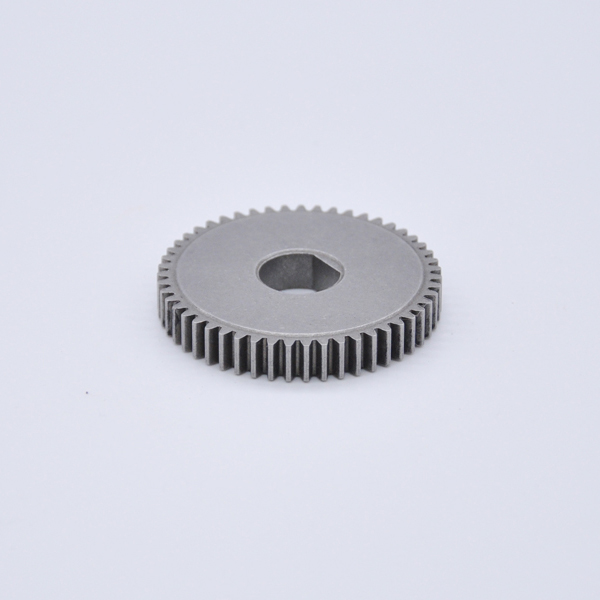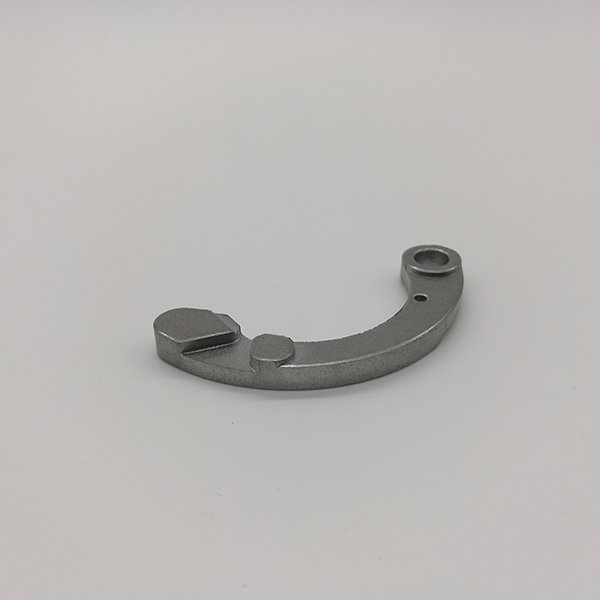





High Precision Motorcycle Engine Camshaft Pulley Gears China
Achieving precise valve timing is the cornerstone of motorcycle engine efficiency. The camshaft pulley block serves as the critical synchronization link between the crankshaft and the camshaft, directly influencing combustion cycles and power delivery. When these components fail or wear down, the result is often decreased fuel economy and increased mechanical vibration. For OEM suppliers and engine rebuilders, sourcing components that meet strict dimensional tolerances and hardness standards is non-negotiable to prevent catastrophic engine failure.
Our OEM motorcycle engine camshaft pulley blocks are engineered using advanced powder metallurgy, ensuring a level of consistency and durability that traditional machining often struggles to match. By integrating high-density sintered metals with specialized surface treatments, we provide a solution that withstands extreme thermal stress and high-frequency mechanical vibrations common in modern high-performance and commuter two-wheeler engines.

The Role of Powder Metallurgy in Camshaft Component Precision
The production of camshaft pulley blocks requires a balance of extreme hardness and structural integrity. Powder metallurgy (PM) is the ideal processing technology for these components because it allows for the creation of complex geometries with minimal material waste. By compressing metal powders under high pressure and sintering them at controlled temperatures, we achieve a uniform density that reduces internal stresses, which is vital for maintaining the precise synchronization of the engine's valves.
Unlike traditional casting or forging, the PM process ensures that every block produced is virtually identical to the CAD drawing. This is especially critical for the camshaft governor and pulley systems, where even a fraction of a millimeter in deviation can lead to valve overlap or misfiring. Our facility utilizes automatic powder molding machines ranging from 60T to 300T to ensure the structural stability of the part from the core to the surface.
- Material Consistency: Use of iron, copper, or brass powders to meet specific friction and wear requirements.
- Dimensional Accuracy: High-precision molding reduces the need for extensive secondary machining.
- Structural Integrity: Sintered structures provide better resistance to fatigue under high-RPM conditions.

Engineering Specifications for High-Stress Engine Environments
A camshaft pulley block must endure a hostile environment characterized by rapid temperature fluctuations and constant frictional wear. To address this, our components are engineered with a hardness range of HRA 65-75. This level of hardness is achieved through a combination of precise sintering and subsequent quenching processes, ensuring that the gear teeth and contact surfaces do not deform under the tension of the timing chain or belt.
Surface treatment is where the long-term reliability of the part is determined. Depending on the specific engine model, we apply oil impregnation to maintain lubrication in the porous structure of the sintered metal, or black oxide coating for enhanced corrosion resistance. Full hardening options are available for high-performance applications where the mechanical stresses are significantly higher than in standard commuter bikes.
Our quality control protocol includes the use of video measuring machines and hardness testers to verify that every batch meets ISO9001 and TS16949 standards. This rigorous approach ensures that the camshaft pendulum and fittings integrate seamlessly into the engine block, reducing installation time and eliminating the risk of premature wear.
Application Scenarios and Compatibility Across Engine Models
The versatility of our camshaft pulley blocks allows them to be deployed across a wide spectrum of automotive and power-tool applications. In the motorcycle sector, they are essential for GY6, C100, and BRIZAL100 engine architectures. These engines rely on the pulley block to maintain a strict relationship between the rotational movement of the crankshaft and the opening/closing of the intake and exhaust valves.
Beyond two-wheelers, the powder metallurgy technology we employ is utilized in textile machinery, industrial sewing machines, and engineering machinery. In these contexts, the "gear" functionality of the pulley block is used not just for timing, but for precise torque transmission and motion control. The ability to customize the material—switching between iron and brass—allows us to optimize the part for either maximum strength or low-friction operation.
For OEM partners, we provide a streamlined development path. Whether providing a 3D CAD file or a physical sample, our engineering team can reverse-engineer the part to improve its original performance while maintaining 100% compatibility with the existing engine assembly. This makes our components an ideal choice for both new product launches and the maintenance of legacy engine lines.
Technical Comparison of Sintered Material Options
| Material Base | Hardness Level | Wear Resistance | Typical Application |
|---|---|---|---|
| Sintered Iron | HRA 65-75 | High | Heavy-duty engine camshafts |
| Sintered Copper | Medium | Medium | Low-friction governor parts |
| Sintered Brass | Medium-Low | Medium-High | Electrical & Precision tools |
| Custom Alloy | Application-specific | Ultra-High | Racing/High-performance bikes |
| Hardened Steel PM | Very High | Extreme | Industrial machinery gears |
Quality Assurance and Manufacturing Capabilities
Consistency is the primary challenge in large-scale automotive component production. To mitigate this, Shijiazhuang JingShi New Material Science and Technology has invested in a fully automated production line. This includes automatic batching systems that eliminate human error in powder mixing, and push rod sintering furnaces that ensure uniform heat distribution across every single part.
Our TS16949 certification reflects our commitment to the automotive quality management system. Every pulley block undergoes ultrasonic cleaning and shot peening to remove surface imperfections and introduce compressive residual stresses, which significantly enhances the fatigue life of the component. This level of detail is what separates industrial-grade OEM parts from generic aftermarket replacements.
Furthermore, our capacity to handle mass production—typically delivering within 10 to 30 days—allows our clients to maintain lean inventories without risking production halts. By integrating R&D with production, we can quickly iterate on designs to reduce weight or increase durability based on real-world engine performance data provided by our partners.
Procurement Strategies for Sintered Engine Components
When evaluating suppliers for sintered engine parts, procurement managers should look beyond the initial unit price and focus on the "total cost of ownership." A lower-cost part that lacks proper density or hardness will lead to higher warranty claims and engine failures in the field. It is essential to verify the supplier's ability to provide consistent HRA hardness and precise dimensional reports for every batch.
The shift toward more compact and efficient engines means that components must be lighter yet stronger. This is where powder metallurgy provides a competitive edge over traditional machining. Buyers should request samples that demonstrate the surface finish after quenching and polishing to ensure there are no micro-cracks that could lead to stress fractures under high-load conditions.
For those sourcing gears china based manufacturers, the focus should be on the integration of automated testing. A supplier that utilizes video measuring machines and density testers provides a level of transparency and reliability that is critical for automotive safety standards. Selecting a partner with OEM experience in motorcycle engine parts ensures that the transition from design to mass production is seamless.
Technical FAQs Regarding Camshaft Pulley Blocks
What is the primary advantage of using powder metallurgy for pulley blocks?
Powder metallurgy allows for high dimensional precision and material consistency. It enables the production of complex shapes with high density and specific hardness (HRA 65-75), reducing the need for secondary machining and ensuring that every part fits perfectly within the engine's timing system.
How does the pulley block affect motorcycle engine performance?
The pulley block maintains the synchronization between the crankshaft and camshaft. If it is precision-engineered, it ensures perfect valve timing, which optimizes combustion, improves fuel efficiency, and reduces engine vibrations and the risk of valve overlap.
What surface treatments are available for these components?
We offer several treatments depending on the application, including quenching for hardness, polishing for reduced friction, oil impregnation for self-lubrication, and black oxide coating for corrosion protection.
Can these parts be customized for specific engine models?
Yes, we provide full OEM/ODM services. We can develop parts based on 3D CAD files, PDF drawings, or physical samples, customizing the material (iron, copper, brass) and the surface treatment to meet your specific engineering requirements.
What certifications do your manufacturing processes hold?
Our production facility is TS16949 and ISO9001 certified, ensuring that our quality management systems meet the rigorous standards required by the global automotive and motorcycle industries.
What is the typical lead time for mass production of sintered parts?
Depending on the order quantity and complexity, mass production typically takes between 10 to 30 days after the deposit is received and the technical drawings are finalized.
Technical Industry References
- ISO Standards for Automotive Quality Management
- SAE International - Engine Component Engineering Standards
- Powder Metallurgy Process and Application Guide
- IATF 16949 Automotive Quality System Requirements
Selecting a high-precision camshaft pulley block is essential for ensuring the longevity and stability of any internal combustion engine. By leveraging the strengths of powder metallurgy and rigorous quality control, we provide OEM solutions that help manufacturers reduce maintenance costs and enhance vehicle performance.
Related Technical Insights