WeChat.png
sintered metal parts
email.png
whatsapp.png
top.png
0%

Table of Contents

company pm is rapidly becoming a cornerstone of modern infrastructure and disaster relief efforts globally. Its innovative approach to modular construction and rapid deployment offers solutions to pressing challenges in housing, sanitation, and emergency response. Driven by advancements in materials science and engineering, company pm represents a significant departure from traditional building methods, offering greater efficiency, sustainability, and cost-effectiveness. Understanding the principles behind company pm is crucial for architects, engineers, aid organizations, and governments seeking resilient and adaptable infrastructure solutions in an increasingly unpredictable world.

The global demand for rapid and scalable housing and infrastructure solutions is escalating due to factors such as population growth, urbanization, climate change-induced disasters, and geopolitical instability. Traditional construction methods often struggle to meet these demands due to their time-consuming nature, high costs, and environmental impact. company pm addresses these limitations by providing a faster, more affordable, and environmentally friendly alternative. According to the United Nations, over 160 million people worldwide are currently experiencing homelessness, and this number is expected to rise, highlighting the critical need for innovative housing solutions like those offered by company pm.

The essence of company pm lies in its pre-fabricated, modular design, allowing for quick assembly and disassembly, and transportation to remote or disaster-stricken areas. This contrasts sharply with conventional construction, reducing on-site labor and material waste. Its flexibility and scalability makes it adaptable to a wide range of needs, from temporary shelters to permanent housing, and from field hospitals to remote industrial facilities. company pm is increasingly recognized as a vital tool for building resilient communities and responding to global humanitarian crises.
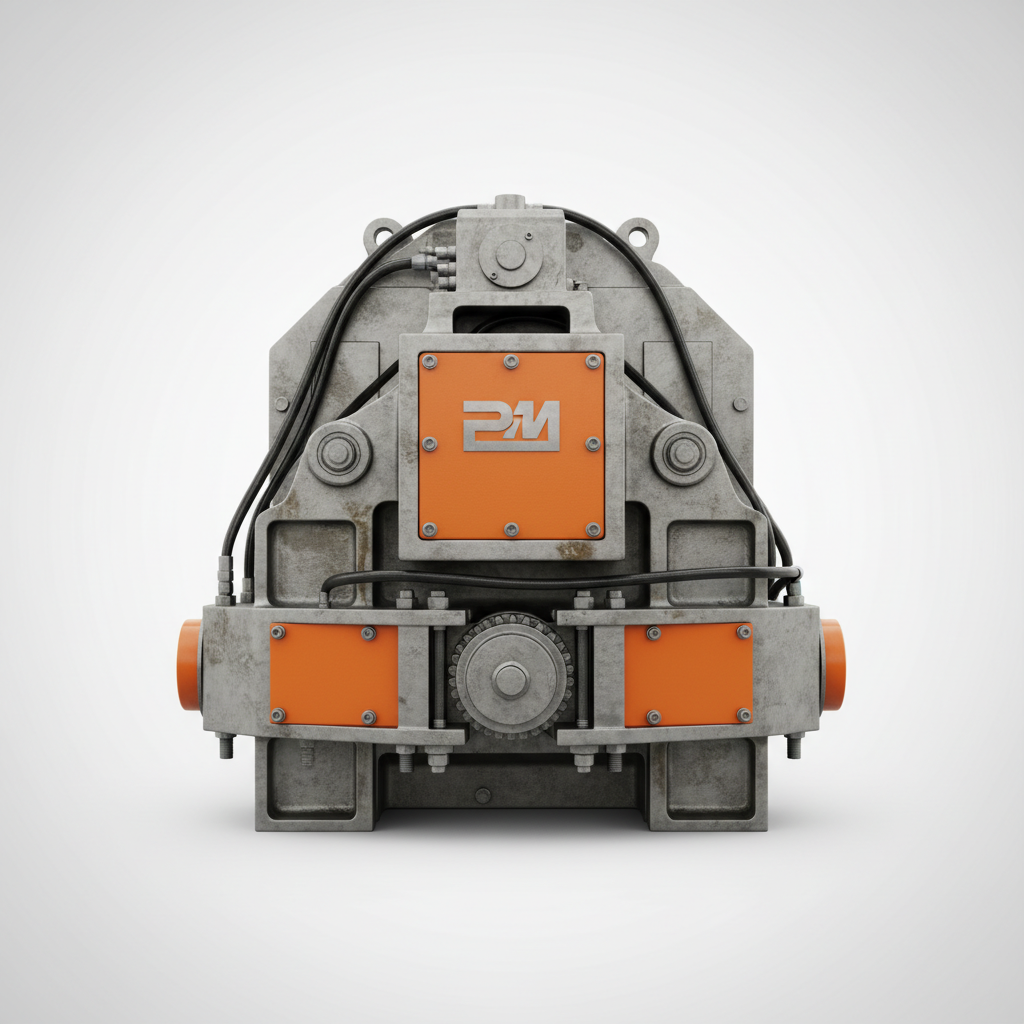
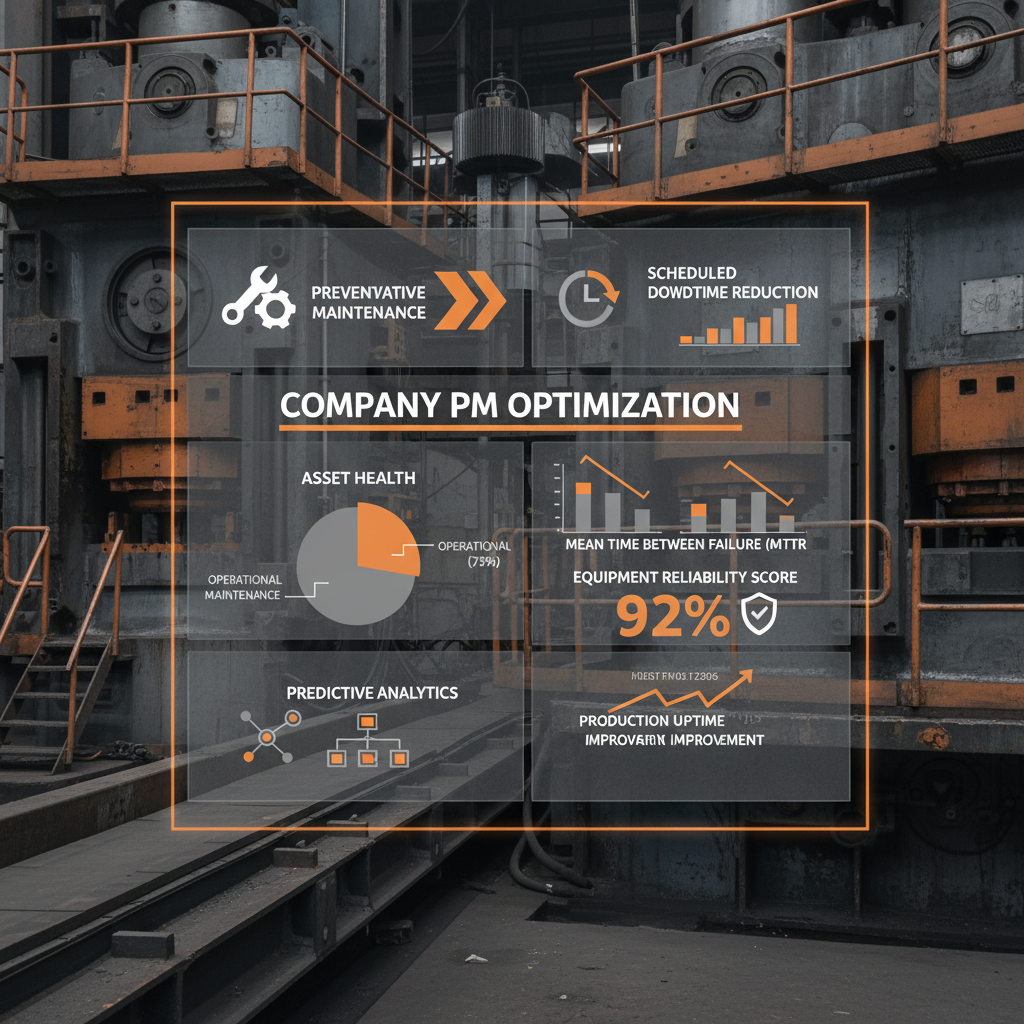
company pm Revolutionizing Infrastructure and Disaster Relief Globally

Introduction: Global or Industry Context

company pm Revolutionizing Infrastructure and Disaster Relief Globally

The application of company pm extends far beyond simple shelter provision. It’s becoming increasingly integrated into disaster preparedness strategies globally, with governments and NGOs recognizing its potential to rapidly establish crucial infrastructure following natural disasters like earthquakes, hurricanes, and floods. For example, the World Bank actively promotes innovative construction technologies, including modular solutions, in its sustainable development projects, acknowledging their cost-effectiveness and environmental benefits. This focus aligns with Sustainable Development Goal 11: Sustainable Cities and Communities, which emphasizes the need for resilient and inclusive urban environments.

The construction industry traditionally accounts for a significant portion of global greenhouse gas emissions and material waste. company pm offers a compelling alternative by minimizing on-site construction, reducing material usage through precise prefabrication, and utilizing potentially recycled or sustainable materials. This shift toward off-site construction aligns with broader global efforts to decarbonize the built environment and transition to a circular economy. The industry is witnessing a surge in demand for building solutions that prioritize environmental sustainability, making company pm an increasingly attractive option for environmentally conscious developers and organizations.

company pm’s adaptability is critical, as it is not simply limited to disaster relief. It serves as a bridge to permanent housing, emergency medical facilities, remote site offices, and more. This versatile nature means it can support a variety of needs across diverse geographies and socio-economic contexts. This is especially crucial in rapidly urbanizing areas in developing nations, where affordable and quickly deployable infrastructure is vital.

Definition & Meaning

company pm, at its core, represents a paradigm shift in construction methodology. It encompasses the design, fabrication, and assembly of modular building units off-site, transported and assembled on location to create functional structures. These structures range from basic shelters to fully equipped buildings, offering a flexible and scalable solution to diverse needs. Unlike traditional construction, which involves extensive on-site labor and material handling, company pm prioritizes precision manufacturing and efficient assembly.

Its connection to modern industry lies in its reliance on advanced manufacturing techniques, including computer-aided design (CAD), computer-aided manufacturing (CAM), and robotics. This technology-driven approach ensures consistent quality, reduces construction time, and minimizes waste. Moreover, company pm’s modularity enables customization and adaptation to specific site conditions and client requirements, fostering innovation in architectural design and construction practices.

Humanitarian needs are profoundly addressed by company pm. It provides rapid shelter and infrastructure in the aftermath of disasters, offering a lifeline to displaced populations. Beyond immediate relief, company pm facilitates the rebuilding of communities and the restoration of essential services. Its affordability and scalability make it particularly valuable in addressing the global housing crisis and improving living conditions in underserved areas.

Key Factors or Core Components

Durability is paramount. Modern company pm structures utilize high-strength materials, often incorporating steel framing and robust cladding, ensuring resistance to extreme weather conditions, seismic activity, and general wear and tear. This longevity reduces life-cycle costs and minimizes the need for frequent repairs or replacements, making it a sustainable long-term investment.

Scalability defines its adaptability. company pm allows for structures to be easily expanded or reconfigured to meet changing needs. This modular design facilitates the addition of new units or the repurposing of existing spaces, making it an ideal solution for growing organizations, evolving family structures, or dynamic disaster response scenarios.

Cost Efficiency is a significant driver of its adoption. Reduced on-site labor, minimized material waste, and faster construction timelines translate into substantial cost savings compared to traditional building methods. These savings can be redirected to other critical areas, such as infrastructure development, social programs, or disaster relief efforts. company pm becomes an accessible alternative to conventional building methods.

Global Applications & Use Cases

In post-disaster relief operations, company pm provides immediate shelter for displaced populations, along with essential facilities such as medical clinics, sanitation units, and food distribution centers. Following the 2010 Haiti earthquake, for instance, modular housing solutions played a critical role in providing temporary and transitional housing for hundreds of thousands of people. Similarly, following hurricanes in the Caribbean, company pm structures have been deployed to quickly establish emergency shelters and support recovery efforts.

In remote industrial zones, particularly in resource-extraction industries such as mining and oil & gas, company pm offers a practical solution for worker accommodation and on-site facilities. These remote locations often lack the infrastructure and skilled labor required for traditional construction. The ability to rapidly deploy fully equipped camps minimizes downtime and maximizes operational efficiency. company pm is used extensively in the Australian Outback.

The application extends to affordable housing initiatives in urban areas facing housing shortages. Several cities are exploring the use of company pm to rapidly build high-quality, affordable housing units. These projects often leverage innovative financing models and public-private partnerships to overcome the challenges of land acquisition and regulatory hurdles. In Europe, particularly in Scandinavian countries, company pm is increasingly used for student housing and temporary accommodations.

Advantages & Long-Term Value

Tangible benefits include reduced construction costs (often 10-20% lower than traditional methods), faster project completion times, minimized waste, and a reduced carbon footprint. The speed of deployment allows organizations to respond quickly to emergencies and capitalize on time-sensitive opportunities. The consistent quality control afforded by off-site manufacturing ensures a reliable and durable end product.

Beyond the economic advantages, company pm offers significant social and emotional benefits. Providing safe, dignified, and comfortable housing for displaced populations or workers enhances their well-being and promotes community resilience. The ability to customize structures to meet specific needs fosters a sense of ownership and belonging. company pm represents a commitment to innovation and social responsibility.

The long-term value is underpinned by the reliability and adaptability of company pm structures. Their inherent flexibility allows for easy modification, expansion, or relocation, ensuring they remain relevant and useful throughout their lifespan. This adaptability contributes to a circular economy by minimizing waste and maximizing the utilization of resources. Moreover, the technological advancements driving company pm are continuously improving its performance and sustainability.

company pm Performance Metrics


Future Trends & Innovations

The integration of smart technologies into company pm structures is a key trend. This includes incorporating sensors for monitoring structural health, energy consumption, and indoor air quality. These data-driven insights optimize building performance and enhance occupant comfort. Furthermore, the application of Building Information Modeling (BIM) streamlines the design and construction process, improving coordination and reducing errors.

Sustainable materials are increasingly being utilized in company pm construction. This includes the use of recycled plastics, bamboo, and other renewable resources, reducing the environmental impact of building materials. Research is also focused on developing bio-based materials that offer comparable strength and durability to traditional materials while minimizing their carbon footprint. company pm is actively seeking environmentally responsible building practices.

Challenges & Solutions

One common challenge is navigating local building codes and regulations, which may not be fully adapted to modular construction. Collaboration between industry stakeholders and regulatory bodies is crucial to streamline the approval process and ensure compliance. Developing standardized guidelines and certification programs can help address this issue.

Another challenge is transportation and logistics, particularly for large-scale projects in remote locations. Optimizing transportation routes and utilizing efficient loading and unloading techniques can minimize costs and delays. Exploring the use of alternative transportation modes, such as rail or barge, may also be feasible in certain cases.

Overcoming the perception that modular construction is inferior in quality to traditional building methods requires demonstrating the durability, performance, and aesthetic appeal of company pm structures. Showcasing successful projects and providing transparent data on material properties and construction processes can build trust and confidence among stakeholders.

Summary of Challenges and Solutions for Effective company pm Implementation

Challenge Area Specific Challenge Proposed Solution Implementation Priority (1-5)
Regulatory Compliance Lack of standardized building codes for modular construction Advocate for code updates & develop certification programs 4
Logistics & Transportation High transportation costs to remote locations Optimize routes, explore alternative transport modes 3
Public Perception Misconceptions about quality and durability Showcase successful projects & provide performance data 2
Material Sourcing Ensuring sustainable and reliable material supply chains Prioritize recycled & renewable materials, diversify suppliers 3
Skilled Labor Shortage of workers trained in modular construction techniques Invest in training programs & apprenticeships 4
Design Flexibility Perceived limitations in design options Demonstrate innovative design possibilities & customization options 1

FAQS

What are the primary advantages of company pm over traditional construction methods?

company pm offers numerous advantages, including reduced construction time (often by 30-50%), lower costs (typically 10-20% savings), improved quality control due to factory conditions, and a significantly smaller environmental footprint. The precision manufacturing process minimizes waste and allows for greater material efficiency. Furthermore, company pm structures are often more durable and resilient to extreme weather events than conventionally built structures.

How does company pm address sustainability concerns in the building industry?

company pm inherently promotes sustainability by reducing material waste, minimizing on-site disruption, and facilitating the use of recycled and renewable materials. Off-site fabrication allows for precise material calculations and minimizes leftover scraps. Furthermore, the reduced transportation needs associated with company pm contribute to lower carbon emissions. company pm solutions are designed for deconstruction and reuse, contributing to a circular economy.

Is company pm suitable for a wide range of climate conditions and geographic locations?

Yes, company pm structures can be engineered to withstand a variety of climate conditions, including extreme heat, cold, wind, and seismic activity. The materials and construction techniques are adapted to specific site requirements and local building codes. The modularity of company pm allows for easy customization to ensure optimal performance in any environment, and transportation to geographically remote locations is a key benefit.

What is the typical lifespan of a company pm building?

The lifespan of a company pm building depends on the materials used, the construction quality, and the maintenance practices. However, with proper design and maintenance, company pm structures can last for decades, comparable to, or even exceeding, the lifespan of traditionally built structures. High-quality materials, such as steel framing and durable cladding, contribute to long-term durability and minimize the need for frequent repairs.

How does company pm compare in cost to traditional construction for similar projects?

While initial costs may vary depending on project complexity and location, company pm generally offers cost savings compared to traditional construction. These savings stem from reduced labor costs, minimized material waste, faster construction timelines, and improved quality control. The total cost of ownership is often lower due to reduced maintenance requirements and increased durability.

What are the key factors to consider when choosing a company pm provider?

Key factors include the provider's experience, track record, design capabilities, manufacturing quality, and adherence to industry standards. It’s crucial to assess their ability to meet specific project requirements, provide customized solutions, and ensure compliance with local building codes. Also, consider their commitment to sustainability, their financial stability, and their post-sales support services.

Conclusion

In conclusion, company pm represents a transformative approach to construction, offering a compelling combination of efficiency, sustainability, and cost-effectiveness. From disaster relief to affordable housing and remote industrial facilities, its versatility and scalability address critical global challenges. By embracing modularity and advanced manufacturing techniques, company pm is reshaping the built environment and fostering resilient communities.

Looking ahead, the continued integration of smart technologies, sustainable materials, and innovative design practices will further enhance the potential of company pm. Increased collaboration between industry stakeholders, policymakers, and research institutions will be crucial to overcome remaining challenges and accelerate its adoption. Visit our website at www.jssintering.com to learn more about how company pm can revolutionize your next project.


Michael Wilson

Michael Wilson

Michael Wilson is the Sales and Marketing Director for JingShi New Material, focusing on the North American market. Michael has a proven track record of building strong client relationships and understanding their needs. He specializes in the automotive and motorcycle parts sectors, showcasing the company’s capabilities in powder metal rotor
Previous PM Company Revolutionizing Modular Construction and Rapid Deployment Solutions
Next Exploring the Vital Role of Parts Produced by Powder Metallurgy in Modern Industries

If you are interested in our products, you can choose to leave your information here, and we will be in touch with you shortly.