WeChat.png
sintered metal parts
email.png
whatsapp.png
top.png
0%

Table of Contents

Compacting in powder metallurgy is a crucial process in modern manufacturing, transforming loose metal powders into solid, functional components. This technique offers significant advantages over traditional machining, including reduced material waste, net-shape capability, and the ability to create complex geometries. The increasing demand for high-performance, cost-effective components across diverse industries like automotive, aerospace, and medical devices fuels the continuous evolution and adoption of compacting in powder metallurgy.

The global powder metallurgy market is experiencing robust growth, driven by factors like lightweighting trends in automotive and aerospace, the rising demand for additive manufacturing, and the increasing need for sustainable manufacturing practices. According to industry reports, the global PM market is projected to reach billions of dollars in the coming years. This growth underscores the importance of understanding and optimizing the critical process of compacting in powder metallurgy.

Compacting in powder metallurgy addresses challenges related to material usage, production costs, and design flexibility. It provides a path to creating customized parts with intricate details, meeting stringent performance requirements and enabling innovation across a wide spectrum of applications. Efficient compaction is the foundation for high-density, mechanically robust final products.
Exploring the Significance of Compacting in Powder Metallurgy for Modern Manufacturing

Introduction to Compacting in Powder Metallurgy

Exploring the Significance of Compacting in Powder Metallurgy for Modern Manufacturing

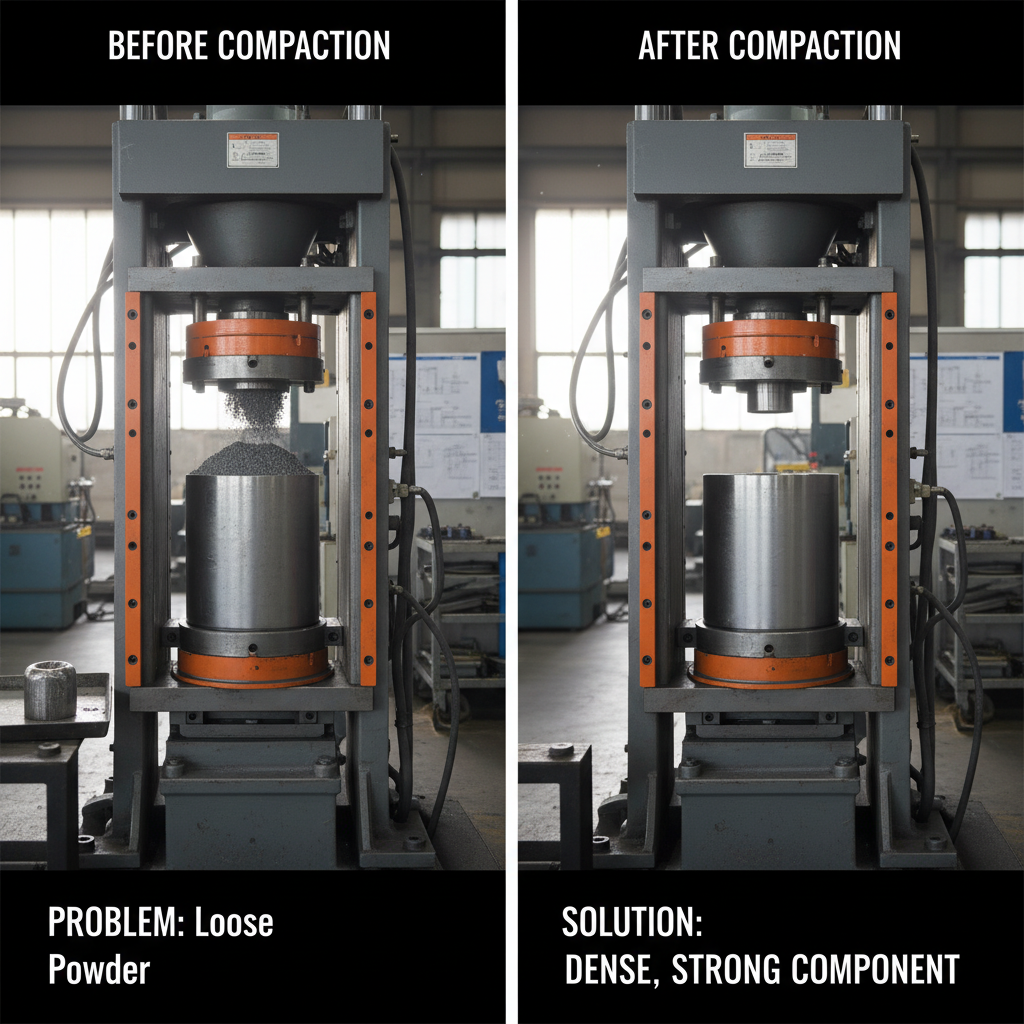
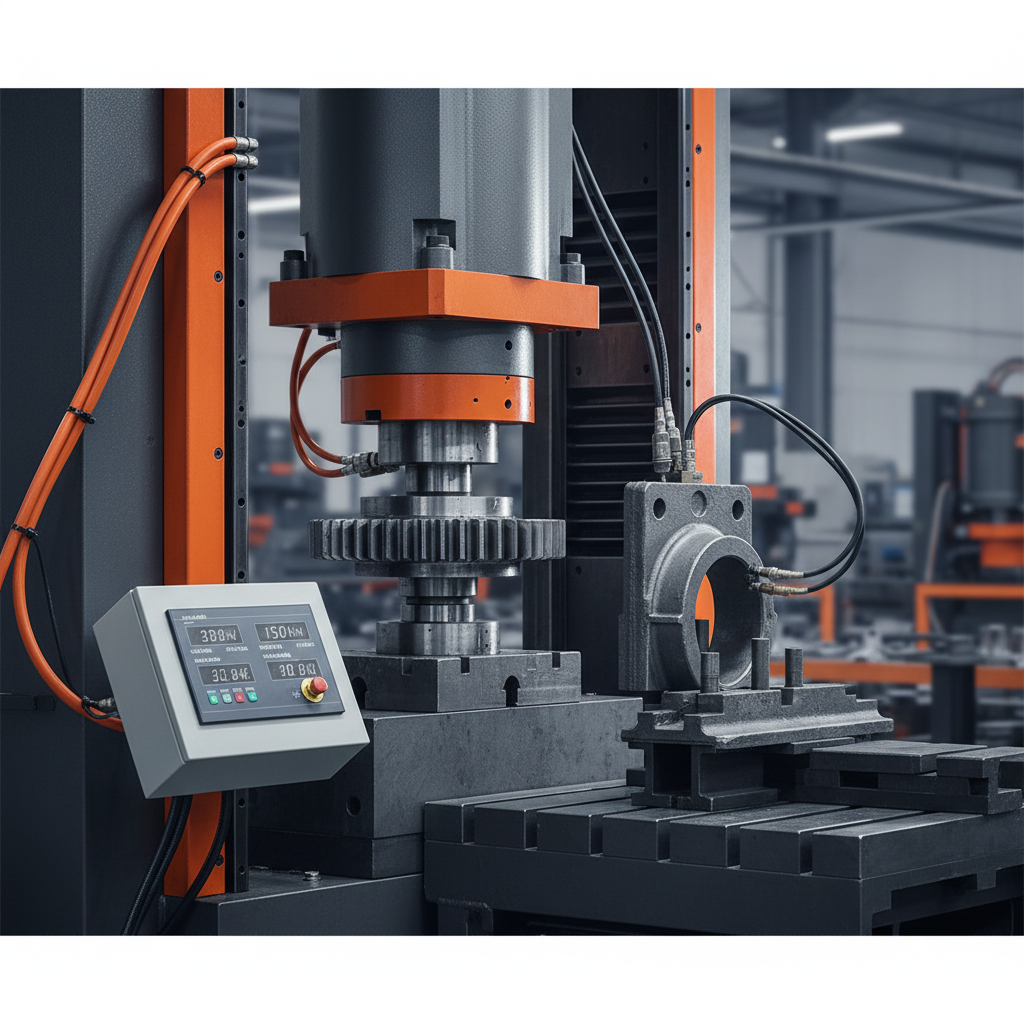
Compacting in powder metallurgy is the process of applying pressure to a mass of powder to form a cohesive, solid shape, often referred to as a “green compact”. This initial compaction stage is critical because it dictates the density and homogeneity of the pre-sintered part. Achieving consistent and optimal compaction is key to maximizing the final product’s strength, durability, and dimensional accuracy. compacting in powder metallurgy is fundamental to the entire PM process.

The effectiveness of compacting in powder metallurgy relies on numerous factors, including powder characteristics (size, shape, flowability), tooling design, compaction pressure, and the compaction method employed. Modern techniques such as axial pressing, isostatic pressing, and metal injection molding (MIM) all leverage the principles of compaction to achieve different levels of density and complexity in the final components.

Defining Compacting in Powder Metallurgy

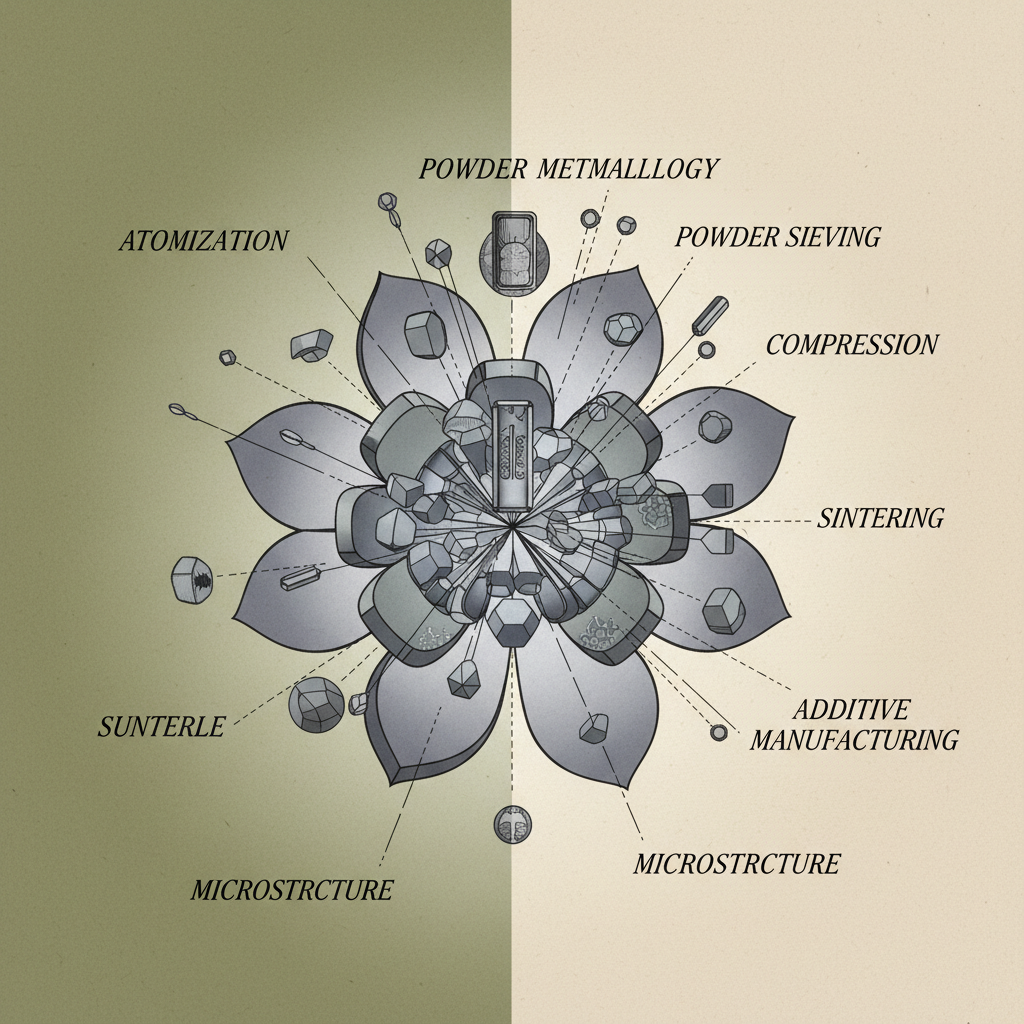
In its simplest form, compacting in powder metallurgy is the act of squeezing metal powder into a desired shape. However, it's far more nuanced than that. It’s the initial step in creating parts through powder metallurgy, taking loose powders and transforming them into a “green state” component that can then be sintered to achieve full density and desired mechanical properties. Essentially, it's about creating a self-supporting form before the metallurgical bonding occurs during sintering.

The connection to modern industry is profound. Industries reliant on high-volume production of intricate metal components, like the automotive and aerospace sectors, heavily depend on effective compaction. The ability to produce near-net-shape parts drastically reduces machining requirements and material waste, making it an economically and environmentally sound manufacturing process.

Compacting in powder metallurgy isn’t just about industrial efficiency; it can also address humanitarian needs. In disaster relief, for example, the ability to rapidly produce replacement parts or customized tools on-site, using mobile powder metallurgy units, can be invaluable. Similarly, the process can be adapted for producing affordable medical implants or specialized equipment in resource-constrained settings.

Core Factors Influencing Compaction

Several factors critically impact the success of compacting in powder metallurgy. First, powder characteristics play a vital role. Particle size, shape, and distribution influence packing density and flowability, directly affecting the achievable green density. Secondly, tooling design is paramount. Die geometry, ejection mechanisms, and surface finish must be carefully engineered to ensure uniform pressure distribution and prevent sticking.

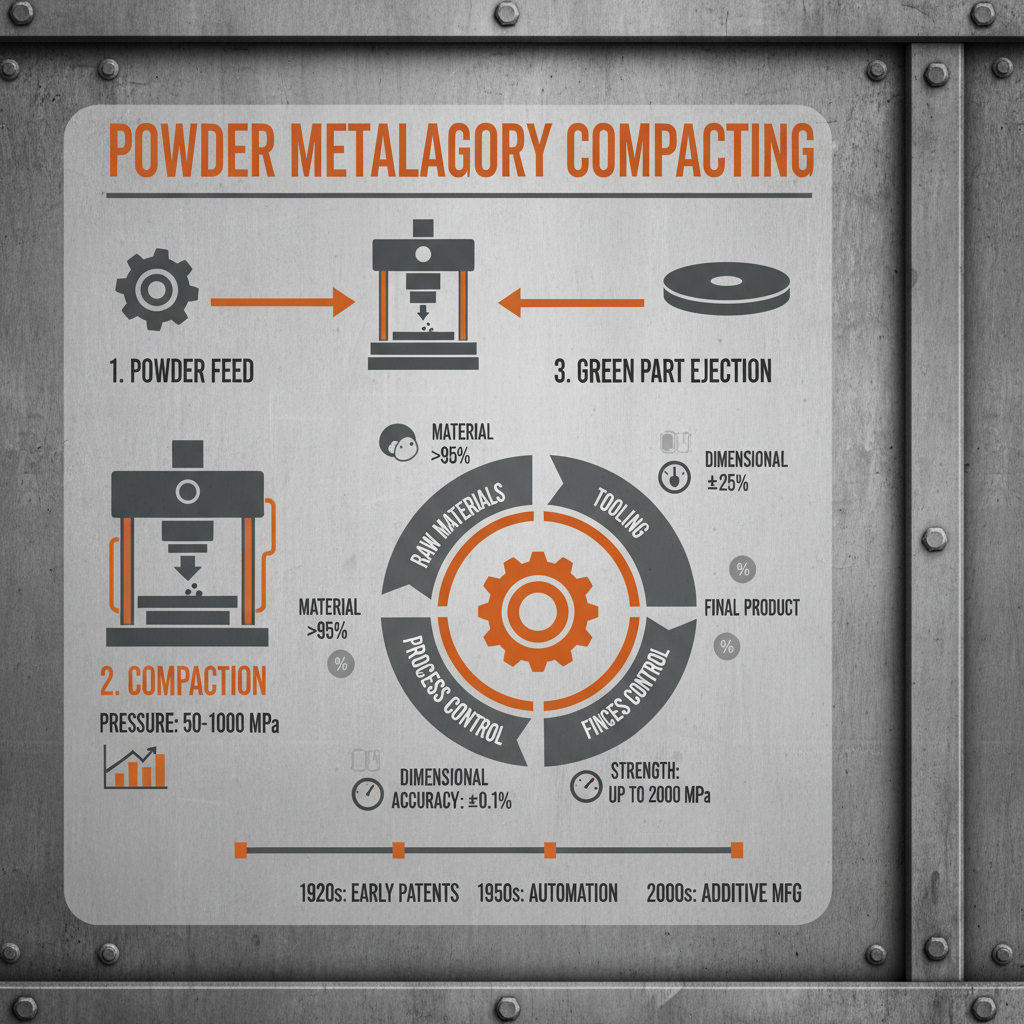
Third, compaction pressure is a key parameter. Higher pressure generally leads to higher density, but exceeding the powder’s compressibility limit can cause defects. Optimal pressure depends on the powder material, compaction method, and desired final density. Fourth, compaction method itself—axial pressing, isostatic pressing, or MIM—influences the density distribution and complexity of shapes that can be produced.

Finally, lubrication is essential to reduce friction between the powder and the tooling, aiding ejection and preventing defects. The choice of lubricant must be compatible with the powder material and the sintering process. Ensuring these factors are carefully controlled ensures the production of high-quality green compacts, paving the way for successful sintering.

Applications of Compacting in Powder Metallurgy

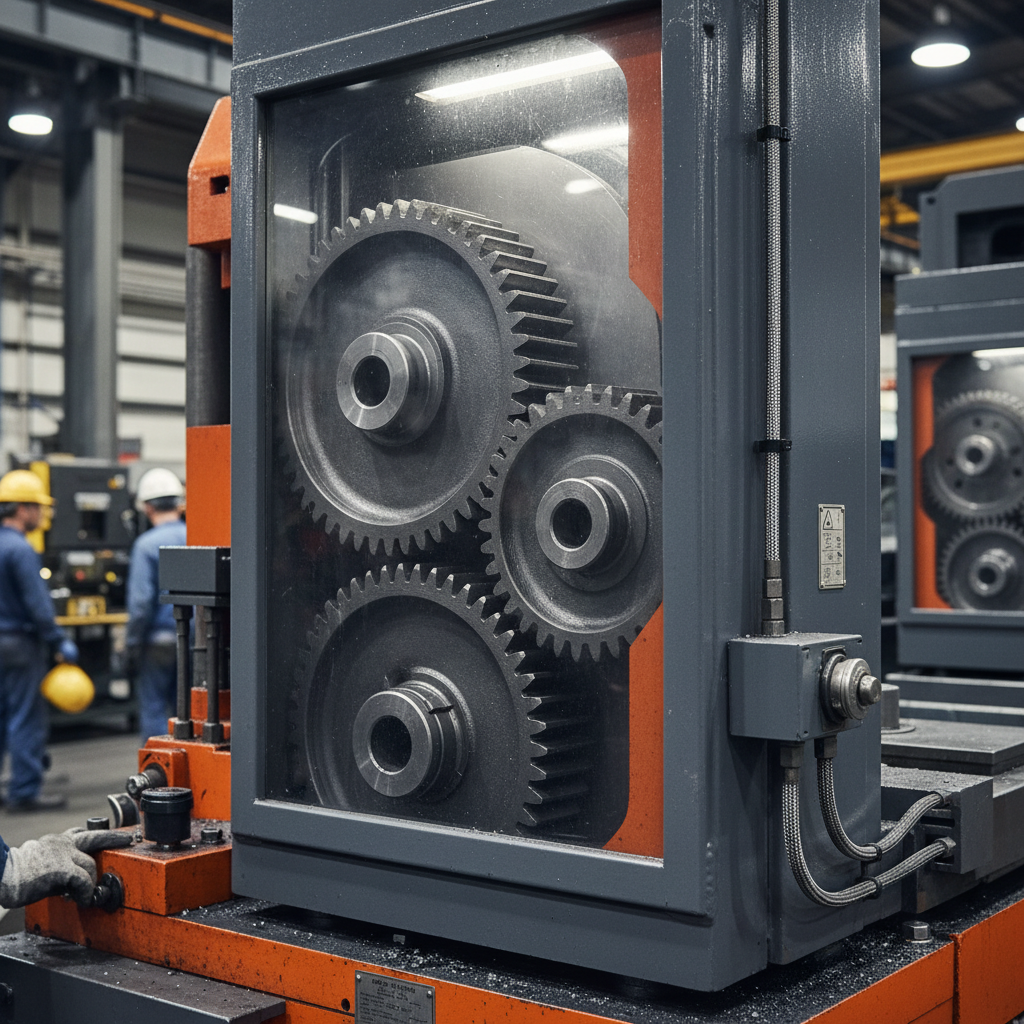
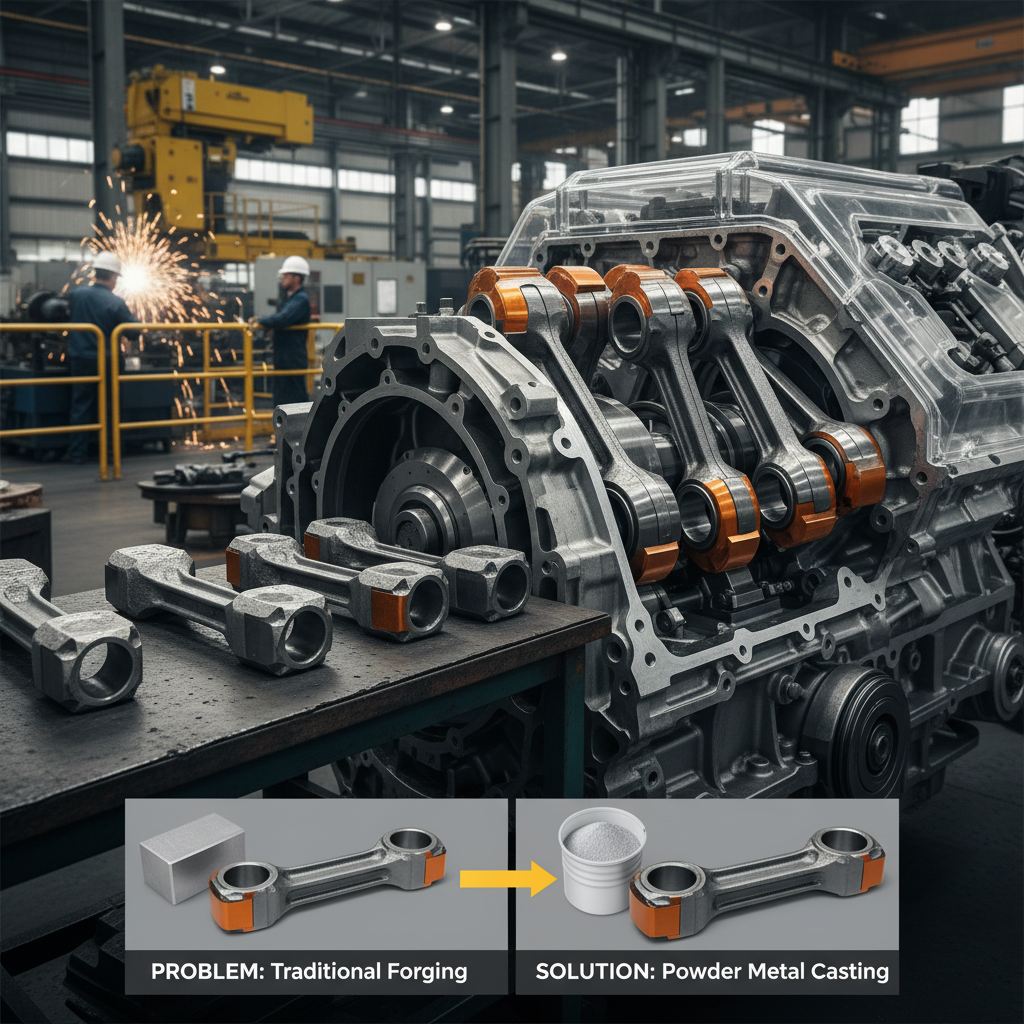
The applications of compacting in powder metallurgy are incredibly diverse. In the automotive industry, it's used to produce gears, connecting rods, bearings, and other critical engine and transmission components, reducing weight and improving fuel efficiency. In aerospace, PM parts are used in turbine blades, structural components, and engine parts requiring high strength-to-weight ratios.

The medical industry benefits from the ability to create complex, biocompatible implants and surgical instruments through PM techniques. Electrical and electronic applications utilize PM for producing magnetic cores, contacts, and shielding components. Even in consumer goods, PM is employed in manufacturing tools, cutlery, and appliance parts.

Compaction Method Performance in Powder Metallurgy


Advantages and Long-Term Value

Compacting in powder metallurgy offers significant cost advantages due to reduced material waste, minimal machining requirements, and the potential for high-volume production. This contributes to a more sustainable manufacturing process by minimizing resource consumption. Furthermore, the ability to create complex geometries without costly tooling changes enhances design flexibility.

The long-term value lies in the enhanced reliability and performance of PM components. Parts produced using this method often exhibit superior mechanical properties, such as controlled porosity and high fatigue strength. This leads to increased product lifespan and reduced maintenance costs. The inherent precision of compaction also contributes to improved functionality and overall system efficiency.

Future Trends in Compaction Technology

The future of compacting in powder metallurgy is intertwined with advancements in additive manufacturing and Industry 4.0. We're seeing a growing trend towards combining PM with additive manufacturing techniques to create hybrid processes that leverage the strengths of both technologies. Digitalization and automation of the compaction process, including real-time monitoring and control, are also gaining traction.

Furthermore, the development of new powder materials with enhanced properties, such as high-strength alloys and functionally graded materials, will drive innovation in compaction techniques. Sustainability considerations are also shaping the future, with a focus on developing eco-friendly lubricants and reducing energy consumption during the compaction process.

Challenges and Solutions in Compaction

A primary challenge in compacting in powder metallurgy is achieving uniform density throughout the entire part, especially in complex geometries. Non-uniform density can lead to localized weaknesses and premature failure. Another challenge is controlling powder flow and preventing sticking to the tooling.

Solutions include optimizing tooling design with advanced simulations, employing multi-directional pressing techniques, and utilizing advanced lubricants. The implementation of real-time density monitoring and closed-loop control systems can also help to address uniformity issues. Research into novel powder formulations with improved flowability and compressibility is ongoing.

The integration of artificial intelligence and machine learning algorithms to optimize compaction parameters based on material properties and part geometry represents a promising avenue for overcoming these challenges and unlocking the full potential of compacting in powder metallurgy.

Analysis of Key Factors Affecting Compaction Quality

Powder Characteristics Tooling Design Compaction Parameters Impact on Green Density
Particle Size Distribution Die Geometry & Ejection Pressure Application Rate 7/10
Particle Shape (Spherical vs. Angular) Surface Finish of Dies Compaction Pressure Magnitude 9/10
Powder Flowability Lubricant Application Method Dwell Time Under Pressure 6/10
Green Strength Tooling Material Selection Compaction Speed 8/10
Apparent Density Die Wall Clearance Atmospheric Control 5/10
Tap Density Ejection Pin Placement Powder Feeding Mechanism 7/10

FAQS

What are the most common defects encountered during compacting in powder metallurgy?

Common defects include lamination (cracking), density variations, sticking to tooling, and dimensional inaccuracies. Lamination often arises from insufficient green strength, while density variations can stem from uneven powder distribution or pressure application. Addressing these requires careful control of powder characteristics, tooling design, and compaction parameters. Correct lubricant application and consistent powder feed rates are also critical.

How does powder size distribution affect the compaction process?

Powder size distribution significantly influences packing density and flowability. A wider distribution typically leads to higher packing density, but can also hinder flow. Finer powders generally offer better surface finish but can be more prone to sticking. Optimizing the size distribution for a specific material and compaction method is crucial for achieving desired density and mechanical properties.

What role does lubrication play in compacting in powder metallurgy?

Lubrication is vital for reducing friction between the powder and tooling, facilitating ejection, and preventing sticking. Lubricants also act as a release agent, preventing the powder from bonding to the die walls. The choice of lubricant depends on the powder material, sintering process, and desired final product properties. It’s crucial to select a lubricant that doesn’t negatively impact sintering or compromise the component's strength.

What are the benefits of using Isostatic Pressing compared to Axial Pressing?

Isostatic pressing, particularly cold and hot isostatic pressing (CIP/HIP), offers more uniform density distribution compared to axial pressing, making it ideal for complex geometries and high-density components. While axial pressing is more cost-effective for simple shapes, isostatic pressing excels in applications demanding superior mechanical properties and dimensional accuracy. HIP also eliminates internal voids by applying high pressure and temperature.

How can I determine the optimal compaction pressure for a specific powder material?

Determining the optimal compaction pressure involves experimental testing and considering the material’s compressibility. Starting with a range based on material data sheets and conducting a series of compaction trials, while measuring green density, is essential. Analyzing the relationship between pressure and density will reveal the point of diminishing returns where further increases in pressure don't yield significant density gains. It’s also vital to consider potential tooling limitations.

What is the impact of sintering on the green compact produced by compaction?

Sintering is the crucial heat treatment step following compaction. It transforms the fragile "green compact" into a strong, dense, and mechanically functional component. During sintering, powder particles bond together through diffusion, eliminating voids and achieving near full density. The sintering temperature, time, and atmosphere significantly impact the final microstructure and properties of the PM part. A well-executed sintering process builds upon the foundation laid by effective compaction.

Conclusion

Compacting in powder metallurgy stands as a cornerstone of modern manufacturing, offering a versatile and efficient pathway to producing high-performance metal components. Its ability to minimize material waste, enable complex geometries, and deliver tailored mechanical properties makes it indispensable across diverse industries. From automotive and aerospace to medical devices and beyond, the benefits of optimizing this process are undeniable.

Looking ahead, continued innovation in powder materials, compaction techniques, and digitalization will further enhance the capabilities and sustainability of powder metallurgy. Embracing these advancements is crucial for manufacturers seeking to meet evolving demands for cost-effectiveness, performance, and environmental responsibility. To learn more about our compaction solutions and how we can help you optimize your PM processes, visit our website: www.jssintering.com.
Brian Rodriguez

Brian Rodriguez

Brian Rodriguez is a Research and Development Engineer at JingShi New Material. He is responsible for exploring new material formulations and innovative manufacturing processes to expand the company's capabilities. Brian works closely with the engineering team to develop customized solutions for clients, applying his knowledge of gear transmission parts and
Previous Exploring the Advantages of Compacting Powder Metallurgy for Modern Manufacturing
Next PM Company Revolutionizing Modular Construction and Rapid Deployment Solutions

If you are interested in our products, you can choose to leave your information here, and we will be in touch with you shortly.