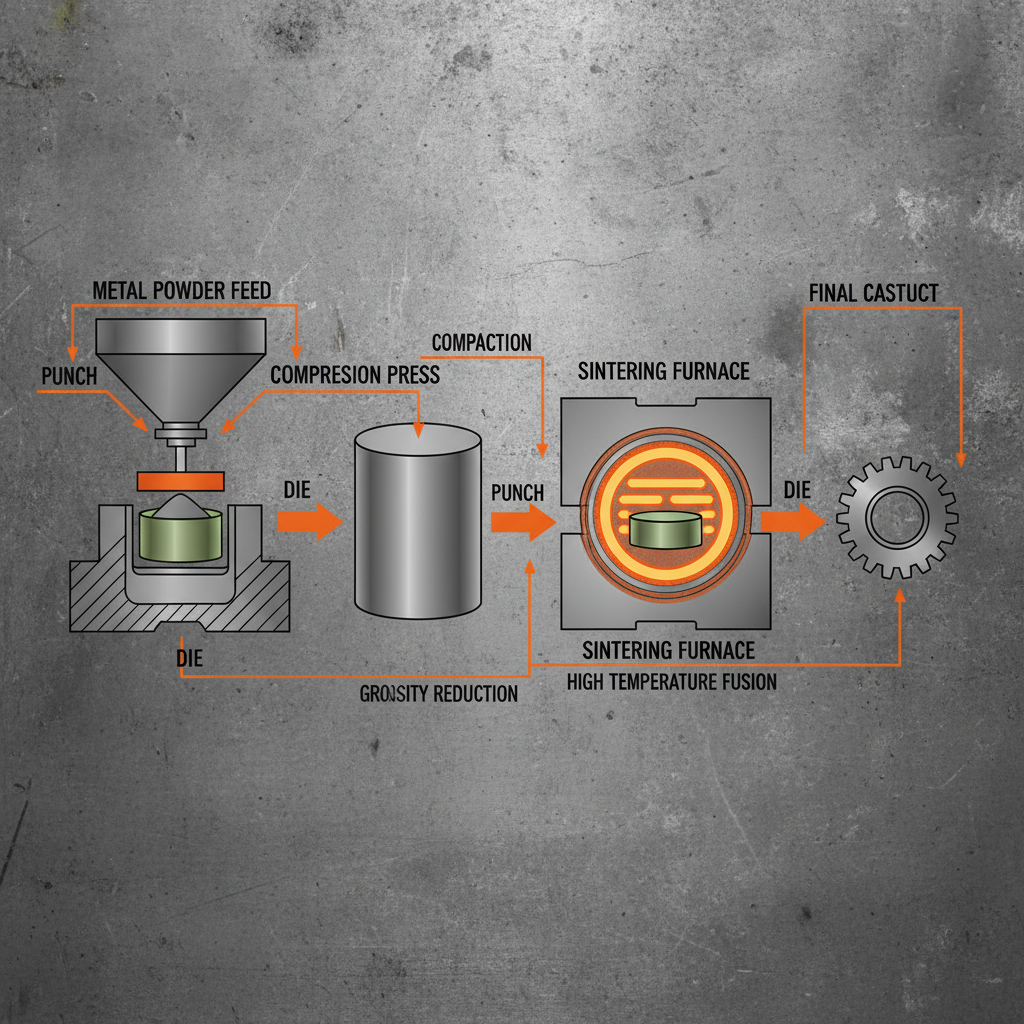
Parts produced by powder metallurgy (PM) are increasingly vital to modern manufacturing across a diverse range of industries. This process, which involves compacting and sintering metal powders, offers a cost-effective and efficient way to create complex shapes with minimal material waste. The global demand for these components continues to rise, driven by factors like increasing automation, lightweighting trends in automotive and aerospace, and the need for customized parts in medical applications. Understanding the intricacies of powder metallurgy is crucial for engineers, designers, and manufacturers seeking to optimize production processes and leverage innovative materials.
The importance of parts produced by powder metallurgy extends beyond simply manufacturing components. It addresses critical challenges in supply chain resilience, allowing for decentralized production and reducing reliance on traditional casting and forging methods. Furthermore, PM enables the use of materials that are difficult or impossible to process using conventional techniques. The industry is currently valued at billions of dollars globally, and projections indicate significant growth in the coming years as new applications and technologies emerge. parts produced by powder metallurgy are fundamental to many sectors.
From automotive gears and bearings to medical implants and aerospace engine components, parts produced by powder metallurgy are quietly revolutionizing numerous industries. Its ability to deliver high precision, complex geometries, and tailored material properties makes it an indispensable technology for meeting the demands of a rapidly evolving world. As sustainability becomes paramount, PM’s near-net-shape capabilities – minimizing material waste – position it as a key enabler of green manufacturing practices.
Introduction to Parts Produced by Powder Metallurgy
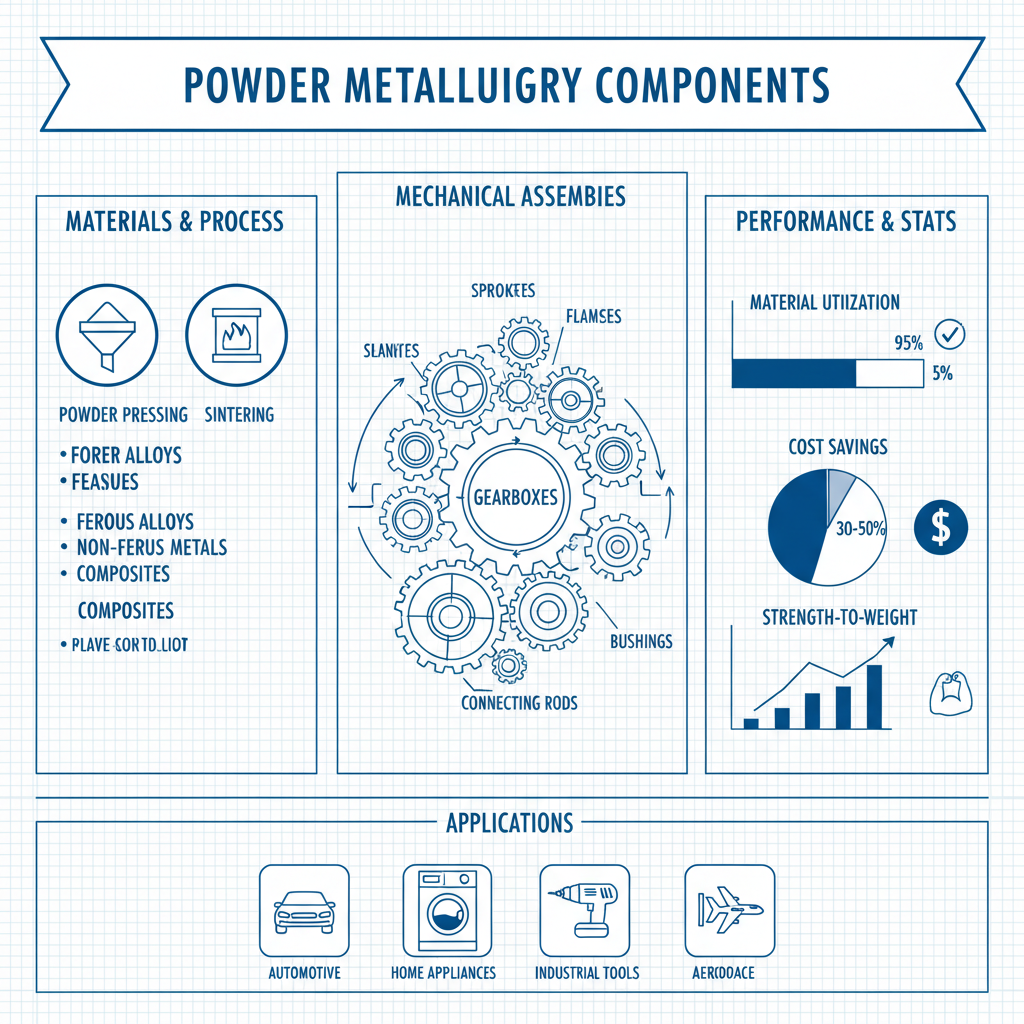
Powder metallurgy is a unique manufacturing process that creates parts from metal powders. Unlike traditional machining which removes material, PM adds material through compaction and sintering. This allows for the production of complex geometries and net-shape components, minimizing waste and reducing the need for secondary operations. The process is highly versatile, capable of working with a wide array of metals and alloys, including ferrous and non-ferrous materials.
The development of parts produced by powder metallurgy has been a gradual process, evolving from the early techniques of mixing and compacting iron powders in the 19th century to today’s sophisticated, computer-controlled systems. This evolution has been driven by the demand for higher-performing, more complex, and more cost-effective components. This technology continues to gain traction as businesses seek to enhance manufacturing efficiency and sustainability.
Global Relevance and Industry Context
The global powder metallurgy market is experiencing significant growth, with projections estimating a value of over $13 billion by 2028 (source: Grand View Research). This growth is largely fueled by the automotive industry, where PM parts are crucial for reducing vehicle weight and improving fuel efficiency. However, applications are rapidly expanding into aerospace, medical devices, and power tools, demanding higher-quality and more specialized parts produced by powder metallurgy.
A key driver of this growth is the increasing demand for customized components. Traditional manufacturing methods struggle to economically produce small batches of highly specialized parts. Powder metallurgy, however, offers a flexible and cost-effective solution for producing these components, making it ideal for industries like aerospace and medical where personalization is paramount. The United Nations Industrial Development Organization (UNIDO) highlights PM as a key technology for fostering industrial development in emerging economies.
The challenge lies in scaling production to meet rising demand while maintaining consistent quality and reducing manufacturing costs. Addressing these challenges requires ongoing innovation in powder metallurgy techniques, materials science, and process control. This includes exploring new materials, optimizing sintering processes, and incorporating advanced automation technologies.
Defining Parts Produced by Powder Metallurgy
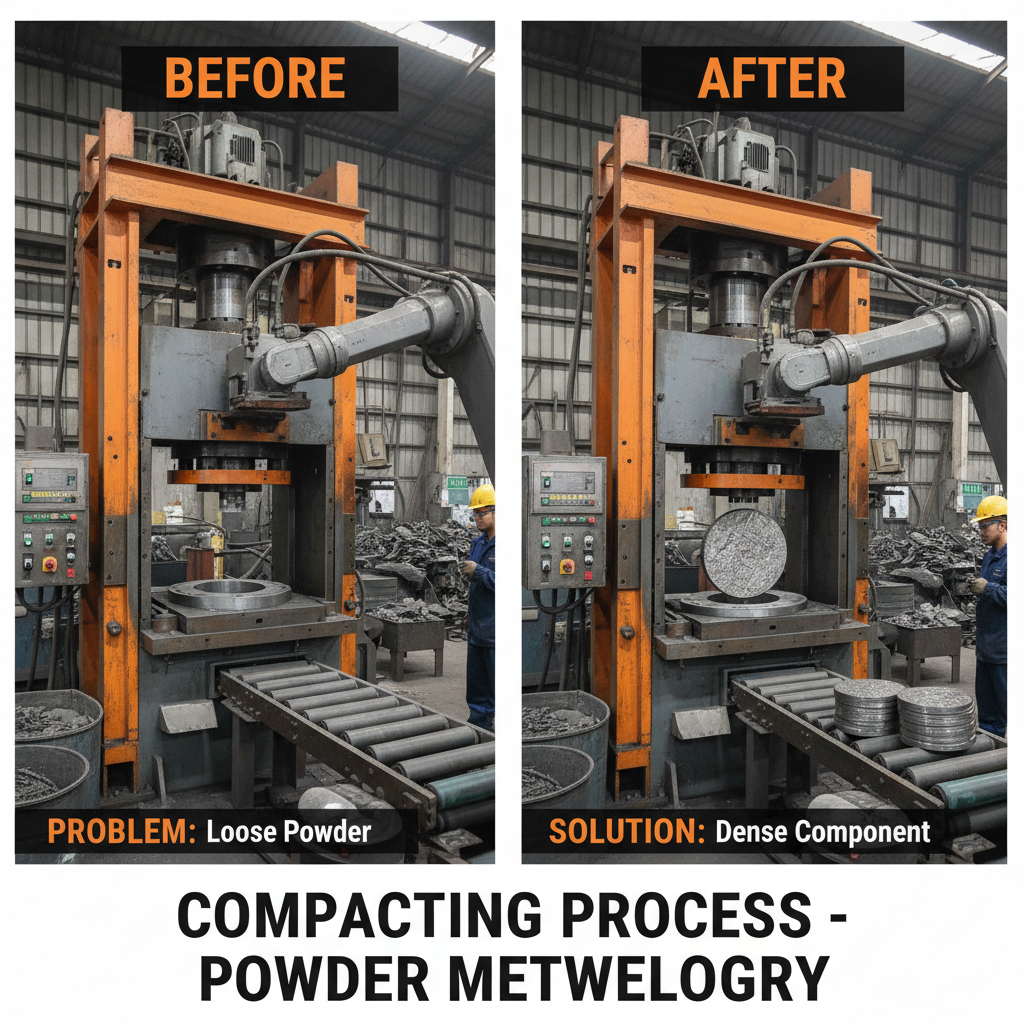
Parts produced by powder metallurgy are fabricated through a process involving four primary steps: powder production, mixing, compaction, and sintering. First, metal powders are carefully produced, often through atomization or chemical reduction. These powders are then mixed with binders and lubricants to enhance flowability and compaction characteristics. The mixture is then pressed into a desired shape within a die, creating a 'green compact'.
The crucial step is sintering, where the green compact is heated to a high temperature (but below the melting point of the metal) in a controlled atmosphere. This process causes the metal particles to bond together, creating a dense, solid component. Often, secondary operations like machining, heat treatment, or coating are performed to further refine the part’s properties and dimensions. This entire process distinguishes parts produced by powder metallurgy from traditionally cast or machined parts.
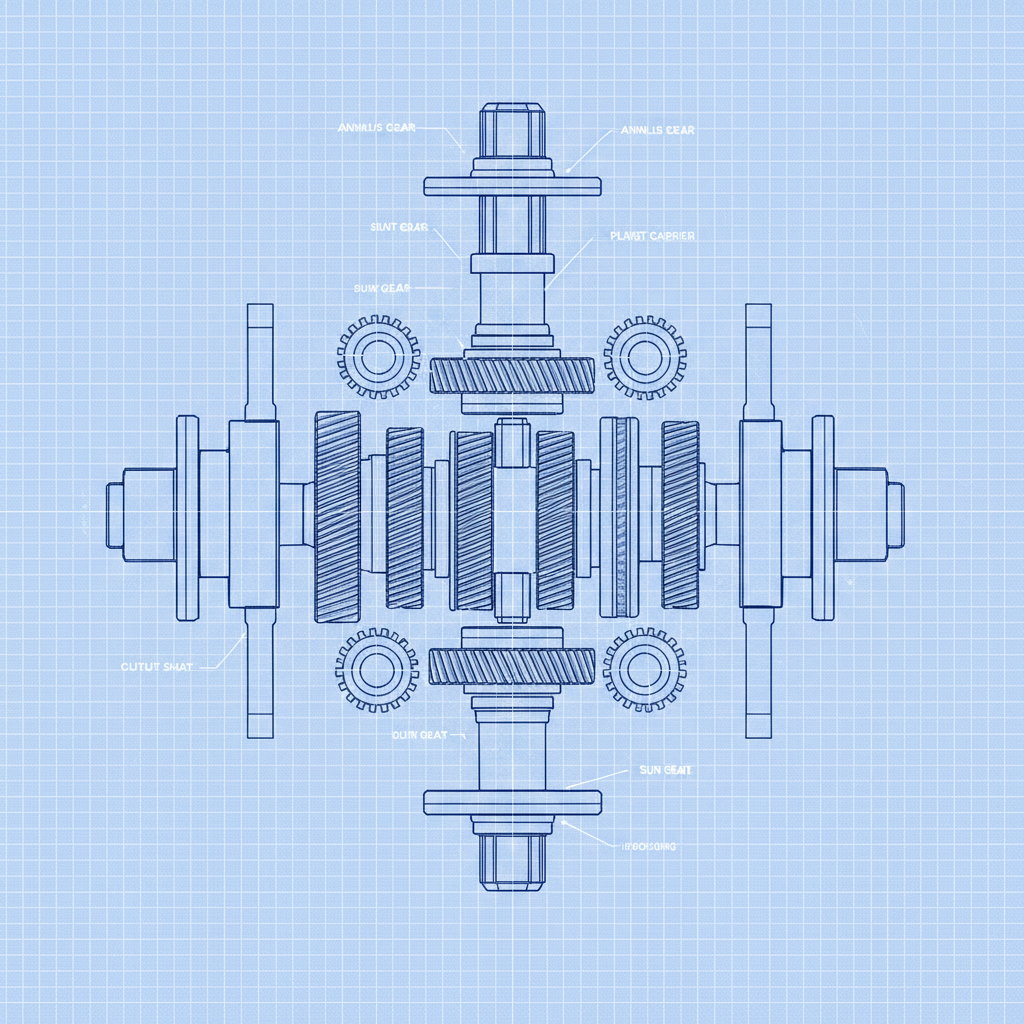
This manufacturing approach is integral to various modern industries. From creating intricate gears for automotive transmissions to producing durable bearings for high-speed machinery, and even to crafting biocompatible implants for medical applications, parts produced by powder metallurgy bridge the gap between complex design requirements and efficient manufacturing realities.
Key Factors of Powder Metallurgy Parts
Durability is a standout feature of parts produced by powder metallurgy. The sintering process creates a homogenous material structure, often resulting in enhanced mechanical properties compared to conventionally manufactured parts. Control over alloy composition and microstructure allows engineers to tailor the material’s strength, hardness, and wear resistance.
Scalability is another significant advantage. Powder metallurgy is well-suited for both low-volume production of specialized parts and high-volume manufacturing of standardized components. The automation capabilities of PM processes enable efficient production runs, minimizing labor costs and ensuring consistent quality, further solidifying the benefits of using parts produced by powder metallurgy.
Comparative Analysis of Parts Produced by Powder Metallurgy Methods
Applications Across Global Industries
The automotive industry is a major consumer of parts produced by powder metallurgy, utilizing them in gears, bearings, connecting rods, and valve components. This is because PM offers an efficient way to produce high-strength, lightweight parts that contribute to improved fuel efficiency and vehicle performance. The trend toward electric vehicles is further increasing demand for PM parts, particularly those used in electric motors and power transmission systems.
In the aerospace sector, PM components are employed in engine parts, structural components, and landing gear systems. The ability to create complex geometries and use advanced materials makes PM crucial for meeting the stringent requirements of the aerospace industry. Medical device manufacturers rely on PM to produce biocompatible implants, surgical instruments, and dental prosthetics. The precision and material control offered by PM are essential for ensuring the safety and effectiveness of these devices.
Advantages and Long-Term Value
Cost efficiency is a primary advantage of parts produced by powder metallurgy. The near-net-shape capabilities minimize material waste and reduce the need for expensive machining operations, translating to lower production costs. Sustainability is also a key benefit. PM processes generate less waste than traditional manufacturing methods, contributing to a more environmentally friendly manufacturing footprint.
Beyond economic and environmental benefits, parts produced by powder metallurgy offer significant social value. The increased efficiency and reliability of PM components contribute to safer and more durable products, enhancing the quality of life for consumers. The technology fosters innovation, enabling the development of new materials and components with improved performance characteristics.
Future Trends and Innovations in Powder Metallurgy
Additive manufacturing (AM), also known as 3D printing, is rapidly converging with powder metallurgy. Combining the design flexibility of AM with the material properties of PM offers exciting possibilities for creating highly customized and complex components. The development of new powder materials, including high-performance alloys and composites, is also driving innovation in the field.
Another emerging trend is the integration of artificial intelligence (AI) and machine learning (ML) into PM processes. AI and ML algorithms can be used to optimize process parameters, predict material behavior, and improve quality control, leading to increased efficiency and reduced costs. Embracing digital transformation and automation will be critical for staying competitive in the evolving landscape of parts produced by powder metallurgy.
Furthermore, research into sustainable powder production methods, such as utilizing recycled materials and reducing energy consumption, is gaining momentum. This aligns with the growing global emphasis on circular economy principles and environmentally responsible manufacturing practices.
Challenges and Solutions
One of the main challenges in parts produced by powder metallurgy is achieving consistent density and minimizing porosity in the final component. This can be addressed through optimized powder characteristics, improved compaction techniques, and carefully controlled sintering atmospheres. Another challenge is the relatively high cost of some powder materials.
To overcome this, research is focused on developing more cost-effective powder production methods and exploring the use of recycled materials. The development of advanced simulation tools can also help to optimize process parameters and reduce the need for costly trial-and-error experimentation. Utilizing advanced process monitoring and control systems is also vital.
Finally, maintaining tight tolerances and achieving complex geometries can be difficult with traditional PM processes. The integration of additive manufacturing techniques offers a solution to this challenge, allowing for the creation of highly detailed and customized parts with greater precision.
Summary of Key Challenges and Potential Solutions in Parts Produced by Powder Metallurgy
| Challenge |
Impact on Production |
Potential Solution |
Implementation Cost (1-10) |
| Porosity Control |
Reduced mechanical strength and fatigue life |
Optimized sintering parameters and powder characteristics |
4 |
| Material Cost |
Increased production expenses, limiting application scope |
Recycled material utilization and novel powder production methods |
6 |
| Geometric Complexity |
Limitations in creating intricate designs with traditional PM |
Integration of additive manufacturing techniques |
8 |
| Process Control |
Inconsistent part quality and higher defect rates |
Advanced process monitoring and control systems |
7 |
| Scaling Production |
Difficulty meeting increasing demand for PM parts |
Investment in automated PM equipment and optimized workflows |
9 |
| Simulation Accuracy |
Challenges in predicting material behavior during PM processes |
Development of advanced computational models and validation with experimental data |
5 |
FAQS
Parts produced by powder metallurgy offer several key advantages. First, the process is highly efficient, minimizing material waste compared to subtractive manufacturing methods like machining. Second, PM enables the creation of complex geometries that are difficult or impossible to achieve with traditional techniques. Finally, PM allows for precise control over material composition and microstructure, leading to enhanced mechanical properties and tailored performance characteristics.
A wide range of metals and alloys can be processed using powder metallurgy, including iron, steel, aluminum, nickel, titanium, and copper. Ferrous powders (iron and steel) are the most commonly used due to their cost-effectiveness and good mechanical properties. However, non-ferrous powders are increasingly utilized for specialized applications requiring high corrosion resistance, electrical conductivity, or biocompatibility.
Sintering is the critical process that bonds the metal particles together, creating a dense and solid component. During sintering, the material undergoes densification, leading to increased strength, hardness, and ductility. The sintering temperature, atmosphere, and time all play crucial roles in determining the final properties of the part. Careful control of these parameters is essential for achieving desired performance characteristics.
Yes, parts produced by powder metallurgy can be designed and manufactured to withstand high stresses. The process allows for the creation of materials with controlled porosity and microstructure, optimizing strength and fatigue resistance. In many cases, PM components exhibit superior mechanical properties compared to parts produced using traditional methods. However, careful design and process control are essential to ensure adequate performance in demanding applications.
Powder metallurgy is a sustainable manufacturing process due to its minimal material waste. The near-net-shape capabilities reduce the need for machining, conserving resources and energy. Furthermore, PM enables the use of recycled materials, promoting a circular economy. The ability to create lightweight components also contributes to improved fuel efficiency in transportation applications, further reducing environmental impact.
While offering many advantages, powder metallurgy has limitations. Achieving very high densities can be challenging, potentially leading to porosity. Complex geometries may require specialized tooling and processes. The initial tooling costs can be higher compared to some traditional manufacturing methods. However, ongoing advancements in technology are continually addressing these limitations.
Conclusion
In summary, parts produced by powder metallurgy represent a versatile and increasingly crucial manufacturing technology. Its ability to deliver cost-effective, high-performance, and sustainable components across diverse industries makes it a key enabler of innovation and economic growth. From enhancing fuel efficiency in automobiles to improving the reliability of aerospace engines and advancing medical device technology, the impact of PM is far-reaching and continues to expand.
Looking ahead, the integration of additive manufacturing, AI, and advanced materials will further unlock the potential of parts produced by powder metallurgy. Embracing these innovations will be essential for manufacturers seeking to maintain competitiveness in a rapidly evolving global landscape. To learn more about how powder metallurgy can benefit your applications, visit our website: www.jssintering.com.