




Selecting a high-performance oem gear is a critical decision for engineers in the automotive engine and parts manufacturing sector, where transmission efficiency directly impacts vehicle performance. In an industry defined by tight tolerances and high stress, the choice of gear material and manufacturing process determines the operational lifespan of the entire powertrain.
The primary challenge for procurement teams is balancing dimensional precision with cost-effectiveness, especially when scaling for mass production. Traditional machining often introduces excessive material waste and high labor costs, leading to bottlenecks in the supply chain for complex components like planetary or ring gears.
This technical analysis provides a comprehensive framework for evaluating sintered oem gear solutions, focusing on material standards, powder metallurgy advantages, and a structured decision process for integrating these components into automotive and industrial systems.

Understanding Powder Metallurgy in OEM Gear Production

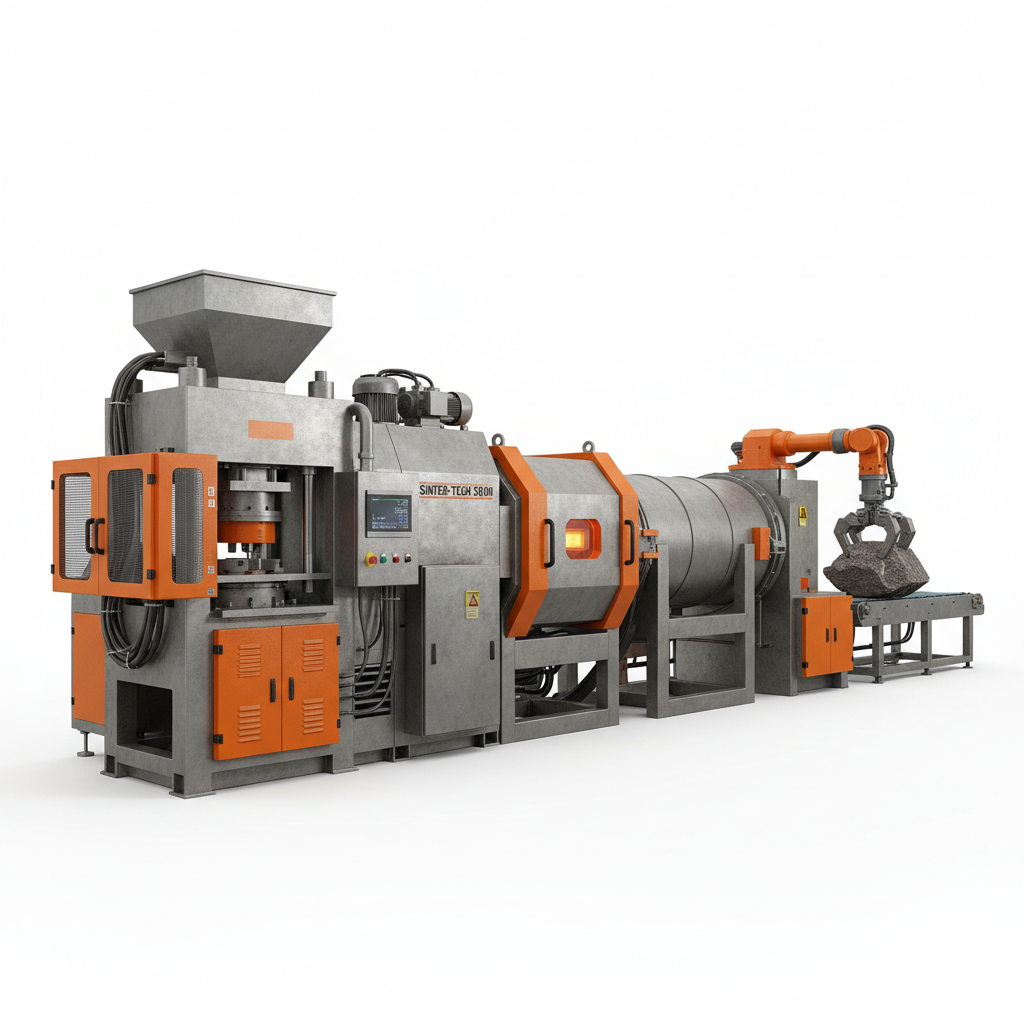
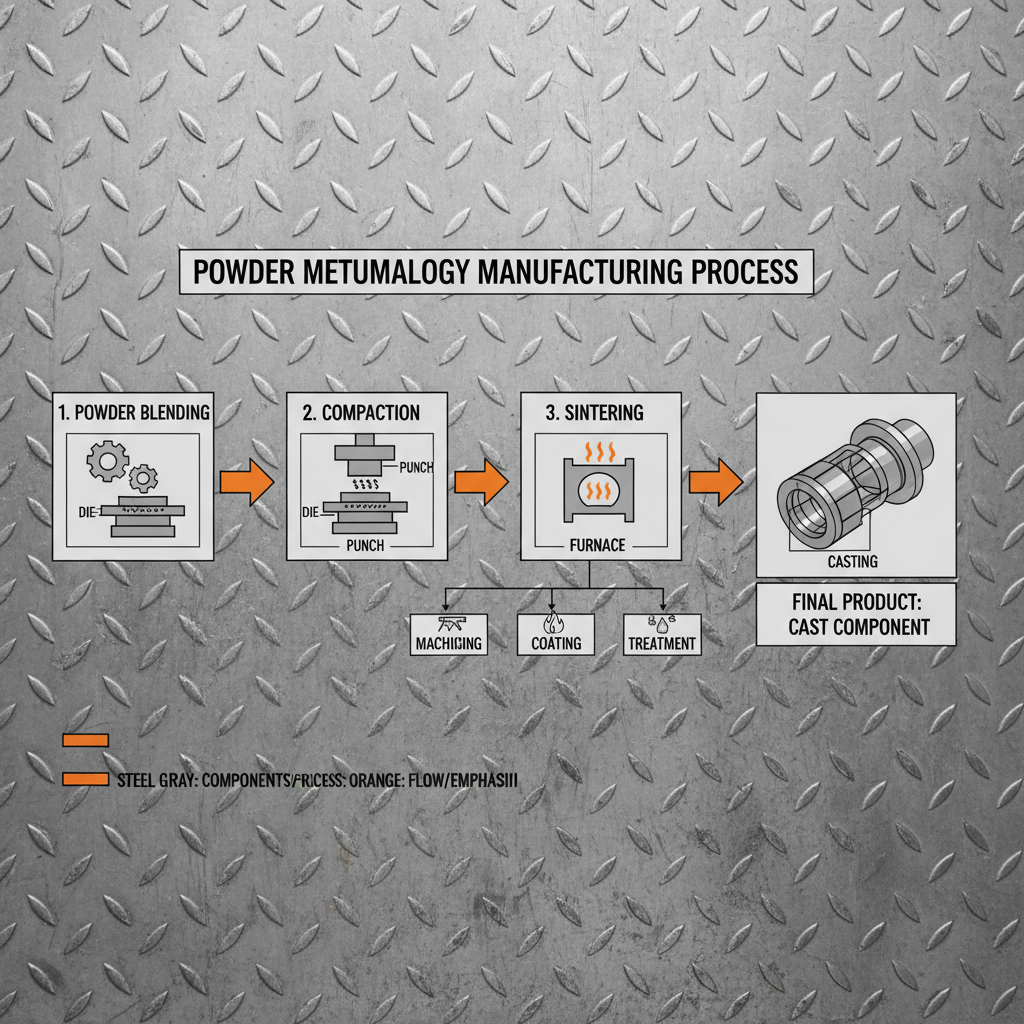
Powder metallurgy (PM) has redefined the production of oem gear components by enabling near-net-shape manufacturing. Unlike traditional subtractive machining, PM involves compacting metal powders in precision molds and sintering them at controlled temperatures, which drastically reduces raw material waste and eliminates the need for extensive secondary cutting.
Shijiazhuang JingShi New Material Science and Technology Co., Ltd utilizes an automated production line—including 60T to 300T molding machines and push rod sintering furnaces—to ensure that complex gear geometries are repeated with high consistency. This process is particularly effective for high-volume automotive parts where dimensional stability is non-negotiable.
Critical Material Standards and Technical Parameters
The mechanical integrity of an oem gear depends on adherence to global material standards. Professional PM components typically follow MPIF 35, DIN 30910, or JIS Z2550 standards to ensure predictable performance under load. For automotive engine parts, achieving a density between 6.2 and 7.1 g/cm3 is essential for balancing weight and strength.
Technical specifications for high-performance sintered gears often include a macro hardness ranging from 45 to 80 HRA and an ultimate tensile strength of up to 1650 Mpa. These parameters, combined with surface treatments such as quenching, oil impregnation, or black oxide, allow the gears to withstand the high-torque environments found in transmission and engine auxiliary systems.
Key Applications in Automotive and Industrial Power Trains
Sintered oem gear solutions are extensively deployed in systems where precision and noise reduction are paramount. In the automotive sector, they are critical for automatic transmissions, variable valve timing (VVT) systems, and electric power steering units. Their ability to be produced with controlled porosity also allows for self-lubricating properties, which is a significant advantage in enclosed oil pumps.
Beyond passenger vehicles, these components are vital for heavy machinery. Examples include excavator planetary gears, sun gears, and swing gears, as well as large-diameter ring gears for cement mixers. In industrial contexts, they power everything from electric motors and compressors to textile machinery and professional power tools, providing stable torque transmission with minimal vibration.
Evaluating Performance Gains vs. Traditional Manufacturing
When comparing powder metallurgy to traditional gear cutting, the most immediate gains are found in material efficiency and repeatability. The following illustrative framework demonstrates the relative efficiency scores across key manufacturing dimensions, where a higher score indicates a more favorable outcome for the PM process.
The data indicates that while traditional machining may offer slightly higher peak hardness in specific alloys, PM excels in dimensional consistency and material utilization. For high-volume OEM orders, the reduction in secondary machining operations leads to a significantly lower total cost per unit without sacrificing the required tensile strength.
Customization Workflow: From CAD to Mass Production
The transition from a design concept to a finished oem gear requires a rigorous engineering workflow. The process begins with the submission of CAD, 3D, or PDF drawings, or the provision of a physical sample for reverse engineering. This ensures that the mold design accounts for sintering shrinkage and final dimensional tolerances.
Once the tooling is established, mass production typically spans 10 to 30 days depending on quantity. The workflow integrates high-frequency quenching and shot peening to enhance surface fatigue resistance, ensuring that the final gear wheel or helical gear meets the specific operational demands of the end application.
Risk Mitigation in Sintered Component Selection
Procurement risks in oem gear sourcing often stem from inconsistent density or improper heat treatment, which can lead to premature gear tooth failure. To mitigate this, buyers should verify that the manufacturer employs advanced testing equipment, such as video measuring machines and density testers, as part of a TS16949 certified quality system.
Another common oversight is neglecting surface treatment compatibility. For gears operating in corrosive environments, simple polishing may be insufficient; options like full hardening or black oxide coatings should be evaluated based on the gear's interaction with lubricants and external contaminants to prevent pitting and wear.
Gear Technology Selection Matrix
Choosing the right gear type depends on the torque requirements, space constraints, and noise tolerance of the system. The following matrix compares common powder metallurgy gear types to assist in the technical selection process.
| Gear Type | Primary Strength | Common Application | Design Priority |
|---|---|---|---|
| Spur Gear | High Efficiency | Simple Transmissions | Axial Alignment |
| Helical Gear | Smooth Engagement | Automotive Gearboxes | Noise Reduction |
| Bevel Gear | Angular Transfer | Differential Drives | Torque Distribution |
| Worm Gear | High Reduction | Conveyor Systems | Self-locking Ability |
| Internal Ring Gear | Compact Torque | Planetary Systems | Space Optimization |
| Planetary Gear | High Load Capacity | Excavator Drives | Load Sharing |
Ultimately, the decision should be based on a trade-off between the required tensile strength (e.g., 1650 Mpa) and the production volume. For complex, multi-level structures, powder metallurgy remains the most viable path to achieving both precision and economic scalability.
Frequently Asked Questions
Sintered gears can be manufactured from iron, copper, brass, or customized alloy blends depending on the required hardness and corrosion resistance of the application.
The uniform material structure and high dimensional repeatability of sintered gears result in smoother tooth engagement, which significantly lowers operational noise and vibration compared to inconsistently machined parts.
Manufacturers typically require technical drawings in CAD, 3D, or PDF formats. Alternatively, a physical sample can be provided for the manufacturer to create the necessary drawings.
Yes, by utilizing high-density sintering (up to 7.1 g/cm3) and secondary heat treatments like quenching and full hardening, sintered gears can achieve tensile strengths up to 1650 Mpa.
Oil impregnation utilizes the inherent porosity of sintered metal to retain lubricants, providing self-lubricating properties that extend service life in low-maintenance or enclosed systems.
Depending on the quantity and complexity, mass production typically takes between 10 to 30 days after the deposit is received and tooling is finalized.
Conclusion
The integration of powder metallurgy into the production of oem gear components provides a decisive advantage in terms of dimensional precision, material efficiency, and scalable cost control. For the automotive and industrial sectors, the ability to achieve high tensile strength and hardness through controlled sintering and surface treatments ensures that these components meet the rigorous demands of modern power trains.
Engineers and procurement specialists can evaluate specific material standards and customization options at www.jssintering.com to ensure their gear components are optimized for performance and long-term reliability.