

WeChat.png
sintered metal parts
email.png
whatsapp.png
top.png
0%

Table of Contents

Powder metallurgy parts testing is a critical process within the automotive industry, ensuring the reliability and performance of components used in engines, transmissions, and various other systems. It’s a nuanced field demanding precision and adherence to stringent standards to guarantee longevity and safety. The growing complexity of modern vehicles necessitates increasingly sophisticated testing methodologies to validate the integrity of powder metallurgy parts.

Globally, the demand for high-quality, lightweight automotive components is driving increased adoption of powder metallurgy (PM) techniques. This, in turn, amplifies the need for robust powder metallurgy parts testing procedures. Statistics from the World Bank indicate a consistent growth in automotive production, particularly in emerging economies, placing further emphasis on the quality control aspects of component manufacturing.

Ultimately, effective powder metallurgy parts testing translates into reduced vehicle downtime, improved fuel efficiency, and enhanced safety for drivers and passengers. Investing in advanced testing infrastructure and expertise is therefore paramount for automotive manufacturers aiming to maintain a competitive edge in the global market.
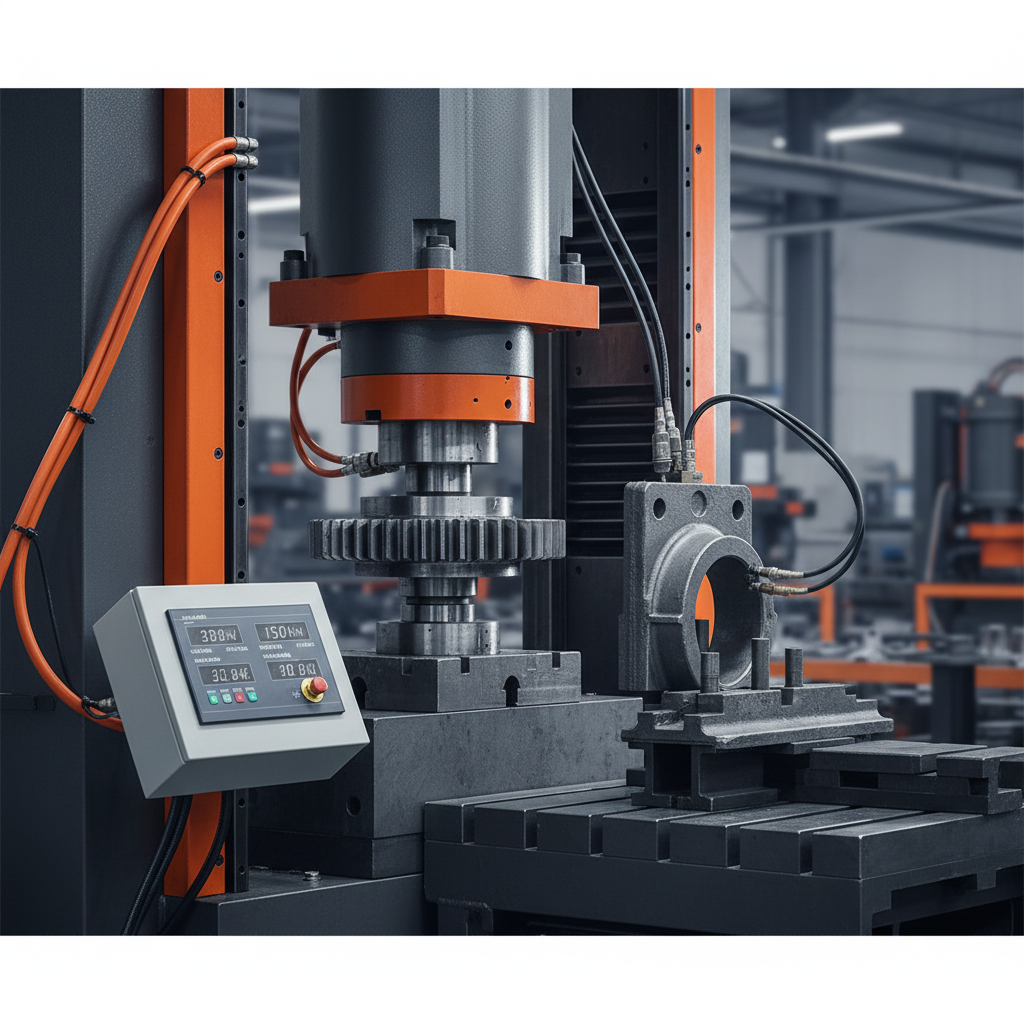
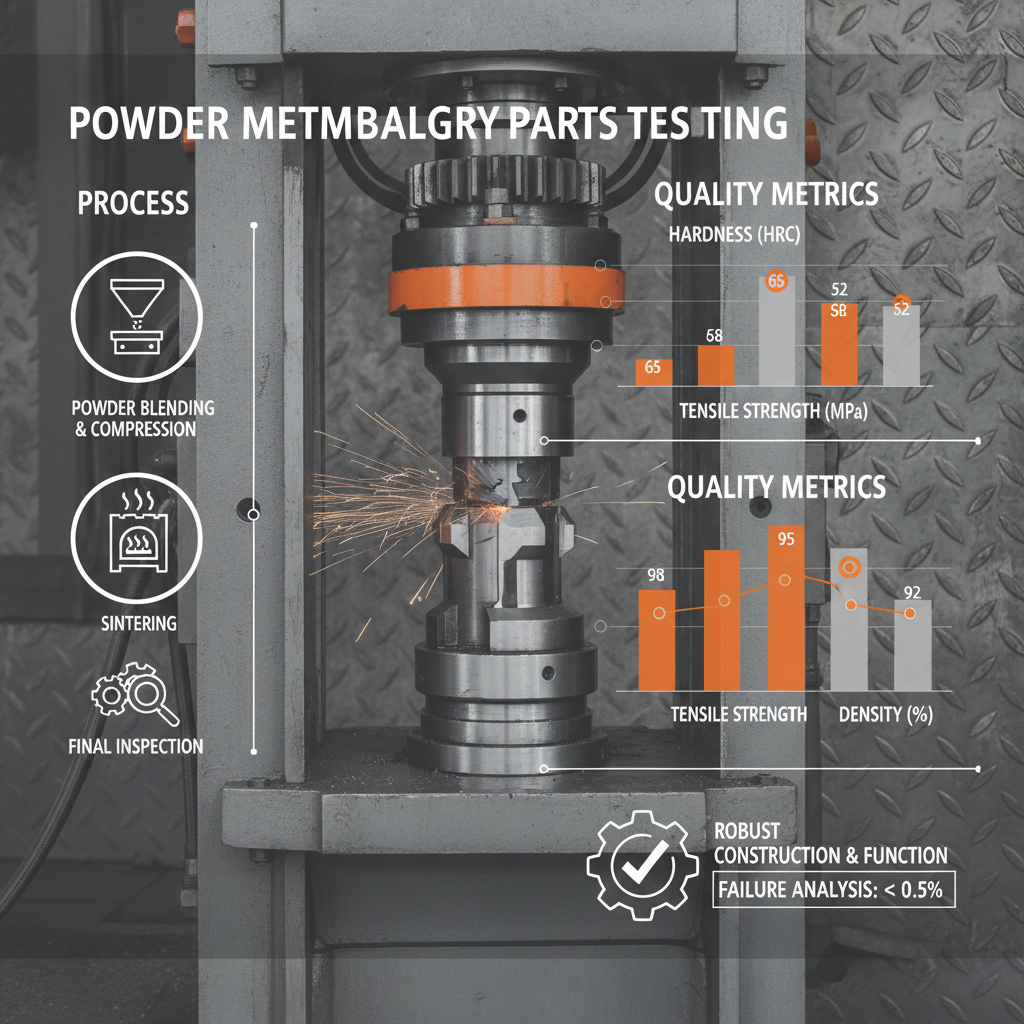
Advanced Powder Metallurgy Parts Testing for Automotive Industry Applications

The Significance of Powder Metallurgy Parts Testing

Advanced Powder Metallurgy Parts Testing for Automotive Industry Applications

Powder metallurgy parts testing isn't simply a quality control measure; it’s a cornerstone of modern manufacturing, particularly in the automotive sector. The performance and durability of critical components, such as gears, connecting rods, and valve components, directly impact vehicle safety and efficiency. Without rigorous powder metallurgy parts testing, manufacturers risk field failures, costly recalls, and damage to their brand reputation.

The ability to accurately assess material properties, dimensional accuracy, and structural integrity of PM parts is essential for optimizing production processes and ensuring consistent product quality. This involves employing a variety of advanced testing techniques, ranging from non-destructive evaluation (NDE) methods like ultrasonic testing to destructive testing like tensile and fatigue analysis.

Understanding Powder Metallurgy Parts Testing: A Definition

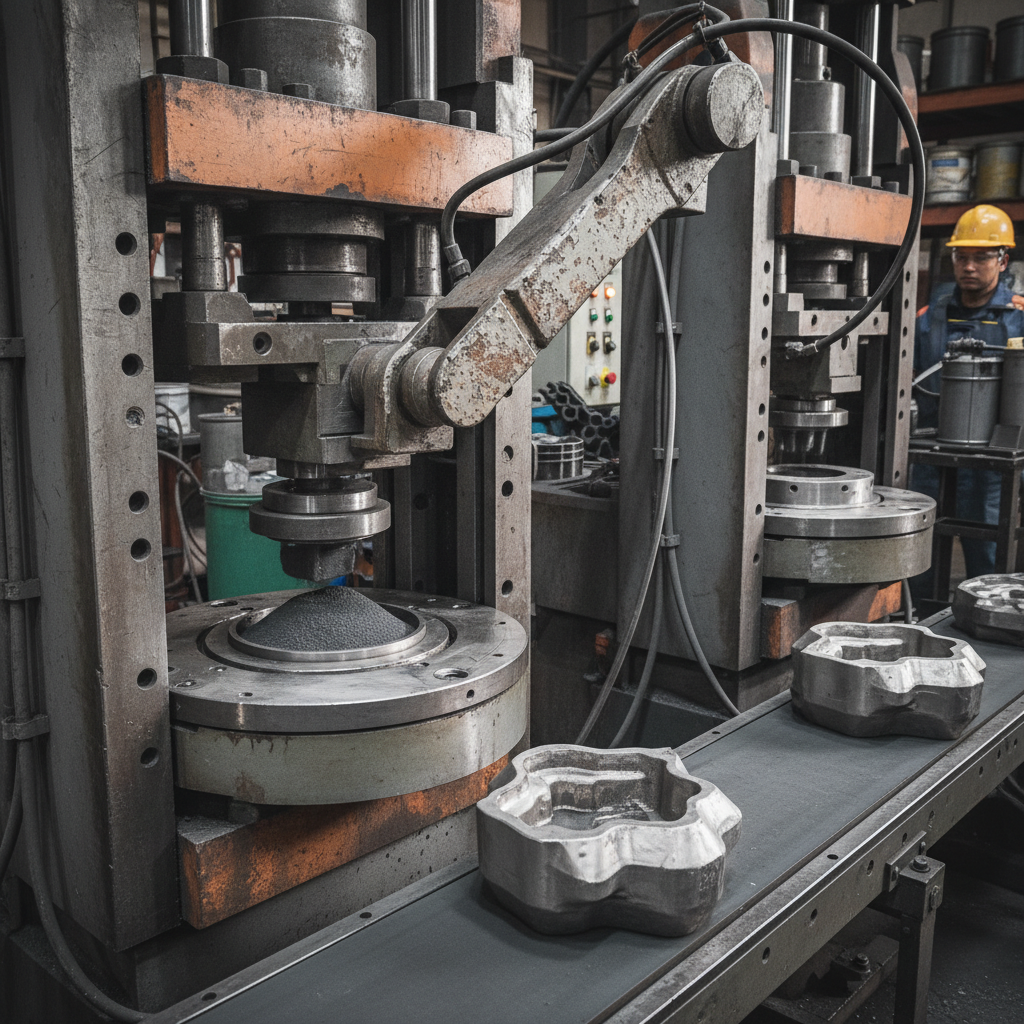
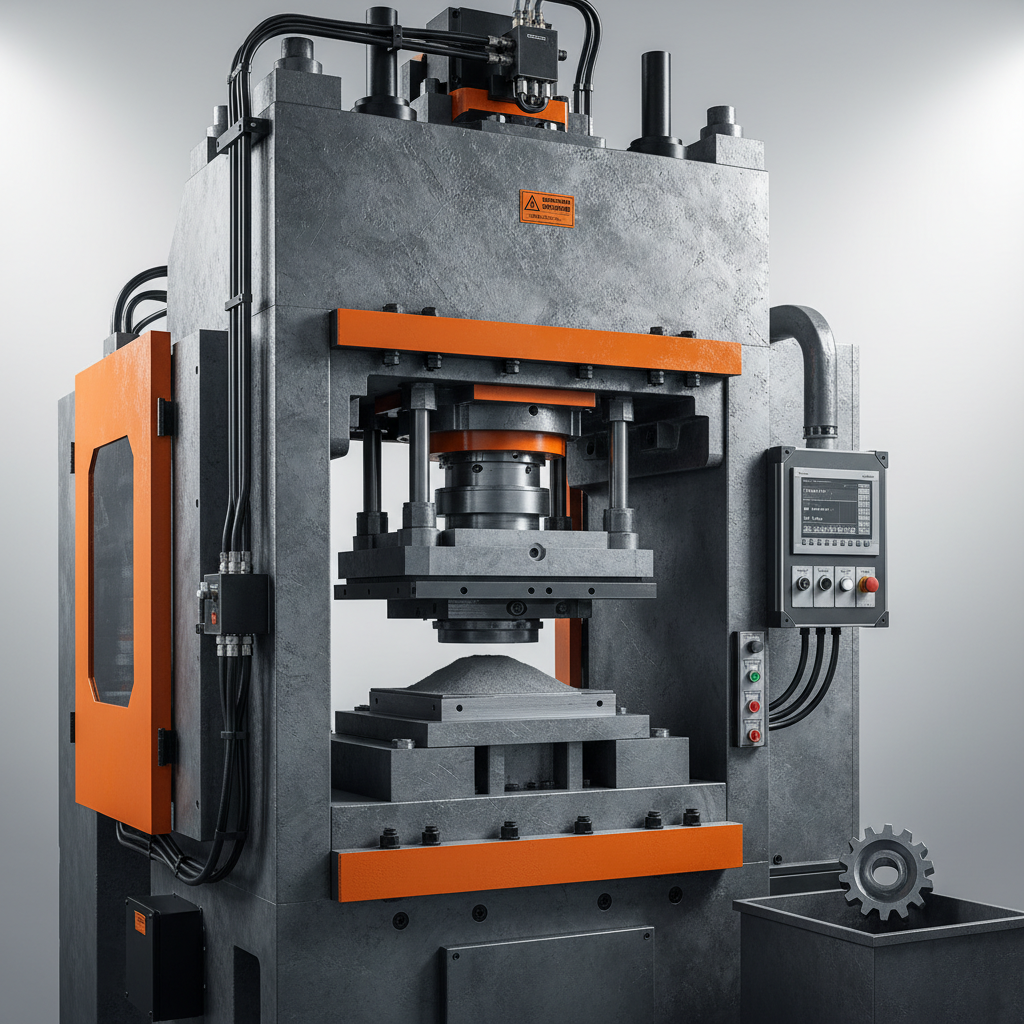
Powder metallurgy parts testing encompasses a comprehensive suite of analytical methods used to evaluate the characteristics of components manufactured using the PM process. This process involves compacting and sintering metal powders to create complex shapes with near-net-shape precision. Testing verifies that the final product meets specified engineering requirements and performance criteria.

At its core, powder metallurgy parts testing aims to detect defects, assess material properties, and confirm dimensional accuracy. These tests help determine whether the part will withstand the stresses and strains encountered during its intended use, ensuring reliability and longevity. The tests themselves fall into several broad categories: mechanical, chemical, physical, and non-destructive evaluation.

This is crucially connected to modern industry as PM parts offer advantages like reduced material waste, complex geometry capability, and cost-effectiveness. However, these benefits are contingent on meticulous testing to mitigate inherent variations in powder characteristics and sintering processes.

Key Factors in Effective Testing

Several key factors contribute to the effectiveness of powder metallurgy parts testing. Material Composition: Ensuring the powder blend adheres to specified chemical compositions is paramount, requiring techniques like X-ray fluorescence (XRF) and optical emission spectroscopy (OES).

Density and Porosity: These properties significantly impact mechanical strength and fatigue life. Archimedes' principle and micro-computed tomography (micro-CT) are common methods for evaluating density and porosity distribution. Achieving optimal density is crucial for performance.

Dimensional Accuracy: Maintaining tight tolerances is vital, especially for mating parts. Coordinate measuring machines (CMMs) and laser scanning are employed to verify dimensions and geometric characteristics. Mechanical Properties: Tensile strength, yield strength, hardness, and impact resistance are critical indicators of part performance, assessed through standardized mechanical testing procedures. Fatigue Resistance: Testing under cyclic loading conditions to assess durability. Surface Finish: Ensuring the proper surface characteristics for optimal functionality.

Global Applications and Industry Impact

The applications of powder metallurgy parts testing are widespread, extending beyond the automotive industry to aerospace, medical devices, and consumer goods. In the automotive sector, it's indispensable for validating components in engines (connecting rods, gears), transmissions (synchro rings), and electric vehicles (rotor cores for electric motors).

Across the globe, regions with significant automotive manufacturing bases – such as Germany, Japan, China, and the United States – invest heavily in advanced powder metallurgy parts testing infrastructure. Manufacturers like Bosch, Toyota, and General Motors rely on rigorous testing to maintain their commitment to quality and innovation.

In aerospace, PM parts testing ensures the reliability of turbine blades and structural components. Similarly, the medical device industry utilizes it to validate the biocompatibility and performance of implants and surgical instruments. The demand for increasingly complex and high-performance components in all these sectors continues to drive advancements in testing methodologies.

Powder Metallurgy Parts Testing Method Effectiveness


Advantages and Long-Term Value Proposition

The benefits of meticulous powder metallurgy parts testing are substantial. From a cost perspective, early defect detection minimizes scrap rates and rework, reducing overall manufacturing expenses. Improved product reliability translates into fewer warranty claims and enhanced customer satisfaction.

Sustainability is also a key advantage. PM processes inherently generate less material waste than traditional manufacturing methods. Rigorous testing ensures these parts perform optimally, contributing to longer product lifecycles and reduced resource consumption. Furthermore, consistent quality builds trust with customers and partners, fostering long-term relationships.

Future Trends in Powder Metallurgy Parts Testing

The future of powder metallurgy parts testing is intertwined with advancements in digital technologies and materials science. We're seeing increasing adoption of non-destructive testing (NDT) methods like ultrasonic phased arrays and eddy current testing, offering faster and more comprehensive defect detection.

Artificial intelligence (AI) and machine learning (ML) are being integrated into testing processes, enabling predictive analysis and automated defect classification. The rise of Industry 4.0 and the Industrial Internet of Things (IIoT) will lead to real-time data monitoring and closed-loop quality control systems, optimizing production efficiency and ensuring consistent part quality.

Common Challenges and Innovative Solutions

Despite advancements, challenges remain in powder metallurgy parts testing. One common issue is accurately characterizing the complex microstructure of PM parts. Traditional methods can be time-consuming and destructive. Another challenge is detecting subsurface defects, which may not be visible on the surface.

Innovative solutions are emerging to address these challenges. Micro-CT scanning provides detailed 3D images of internal structures, enabling the detection of hidden defects. Advanced ultrasonic techniques offer improved sensitivity and resolution. The development of novel sensors and data analysis algorithms is also pushing the boundaries of what's possible in powder metallurgy parts testing.

Furthermore, standardized testing protocols and improved training for personnel are crucial for ensuring consistent and reliable results. Collaboration between manufacturers, research institutions, and testing laboratories is essential for driving innovation and addressing emerging challenges.

Summary of Powder Metallurgy Parts Testing Challenges and Solutions

Challenge Impact on Quality Proposed Solution Implementation Cost (Scale 1-10)
Detecting Subsurface Defects Compromised Structural Integrity Advanced Ultrasonic Phased Array 7
Microstructure Characterization Difficulty in Predicting Performance Micro-Computed Tomography (Micro-CT) 8
Variations in Powder Composition Inconsistent Material Properties Real-time Powder Analysis with XRF 6
Dimensional Accuracy Control Assembly Issues & Functional Failures Automated Coordinate Measuring Machines (CMM) 5
Lack of Standardized Protocols Inconsistent Testing Results Industry-Wide Collaboration for Standards 4
Data Analysis & Interpretation Subjectivity & Potential Errors AI/ML-Powered Data Analytics 7

FAQS

What are the most common defects detected during powder metallurgy parts testing?

Common defects include porosity, cracks, dimensional inaccuracies, and variations in material composition. These defects can arise from improper powder characteristics, insufficient sintering, or tooling issues. Comprehensive powder metallurgy parts testing techniques like ultrasonic inspection and micro-CT scanning are crucial for identifying and quantifying these defects, ensuring the final part meets quality standards and performance requirements. Regular analysis helps proactively address manufacturing process improvements.

How does sintering temperature impact the results of powder metallurgy parts testing?

Sintering temperature is a critical parameter in PM manufacturing. Insufficient sintering leads to low density and high porosity, resulting in reduced mechanical strength and fatigue life. Excessive sintering can cause grain growth, potentially leading to distortion and decreased dimensional accuracy. Powder metallurgy parts testing methods like density measurements, hardness testing, and metallographic analysis are used to verify that the sintering process has been optimized to achieve the desired material properties and part performance.

What is the role of non-destructive testing (NDT) in powder metallurgy?

Non-destructive testing (NDT) plays a vital role in evaluating PM parts without causing damage. Techniques like ultrasonic testing, eddy current testing, and radiographic inspection are used to detect internal flaws, surface cracks, and variations in material properties. NDT is particularly valuable for inspecting critical components where destructive testing is not feasible. Utilizing NDT techniques within a comprehensive powder metallurgy parts testing strategy minimizes risk and maximizes part reliability.

How often should powder metallurgy parts be tested during production?

The frequency of testing depends on several factors, including the criticality of the component, production volume, and process stability. Generally, initial samples from each production batch should undergo comprehensive testing. Regular in-process checks, such as dimensional measurements and visual inspections, are also essential. A robust powder metallurgy parts testing plan will incorporate statistical process control (SPC) to monitor key parameters and identify potential deviations before they lead to defects.

What is the impact of powder characteristics on the testing process?

Powder characteristics, such as particle size distribution, shape, and composition, significantly impact the final properties of PM parts. Variations in these characteristics can affect green density, sintering behavior, and mechanical properties. Powder metallurgy parts testing must account for these variations, and powder analysis should be performed alongside component testing to ensure traceability and correlation.

How can AI/ML be integrated into powder metallurgy parts testing?

AI/ML can be used to analyze large datasets generated during testing, identify patterns, and predict potential defects. Machine learning algorithms can be trained to automatically classify defects from images or sensor data, reducing inspection time and improving accuracy. Predictive models can also optimize testing parameters and identify critical process variables. This integration represents a significant advancement in powder metallurgy parts testing, enabling proactive quality control and enhanced efficiency.

Conclusion

In conclusion, powder metallurgy parts testing is an indispensable element of modern manufacturing, particularly within the automotive industry. Its significance extends beyond mere quality control, encompassing cost reduction, sustainability, and enhanced product reliability. By employing a combination of traditional and advanced testing methodologies, manufacturers can ensure that PM parts meet the stringent requirements of demanding applications.

Looking ahead, the integration of AI, machine learning, and advanced NDT techniques will further revolutionize this field, enabling real-time monitoring, predictive analysis, and optimized process control. Investing in comprehensive testing infrastructure and expertise is crucial for manufacturers seeking to maintain a competitive edge and deliver high-performance, durable components. Visit our website at www.jssintering.com to learn more about our powder metallurgy parts testing services.


Brian Rodriguez

Brian Rodriguez

Brian Rodriguez is a Research and Development Engineer at JingShi New Material. He is responsible for exploring new material formulations and innovative manufacturing processes to expand the company's capabilities. Brian works closely with the engineering team to develop customized solutions for clients, applying his knowledge of gear transmission parts and
Next Advancements in Powder Metallurgy Part Manufacturing for Modern Industries

If you are interested in our products, you can choose to leave your information here, and we will be in touch with you shortly.