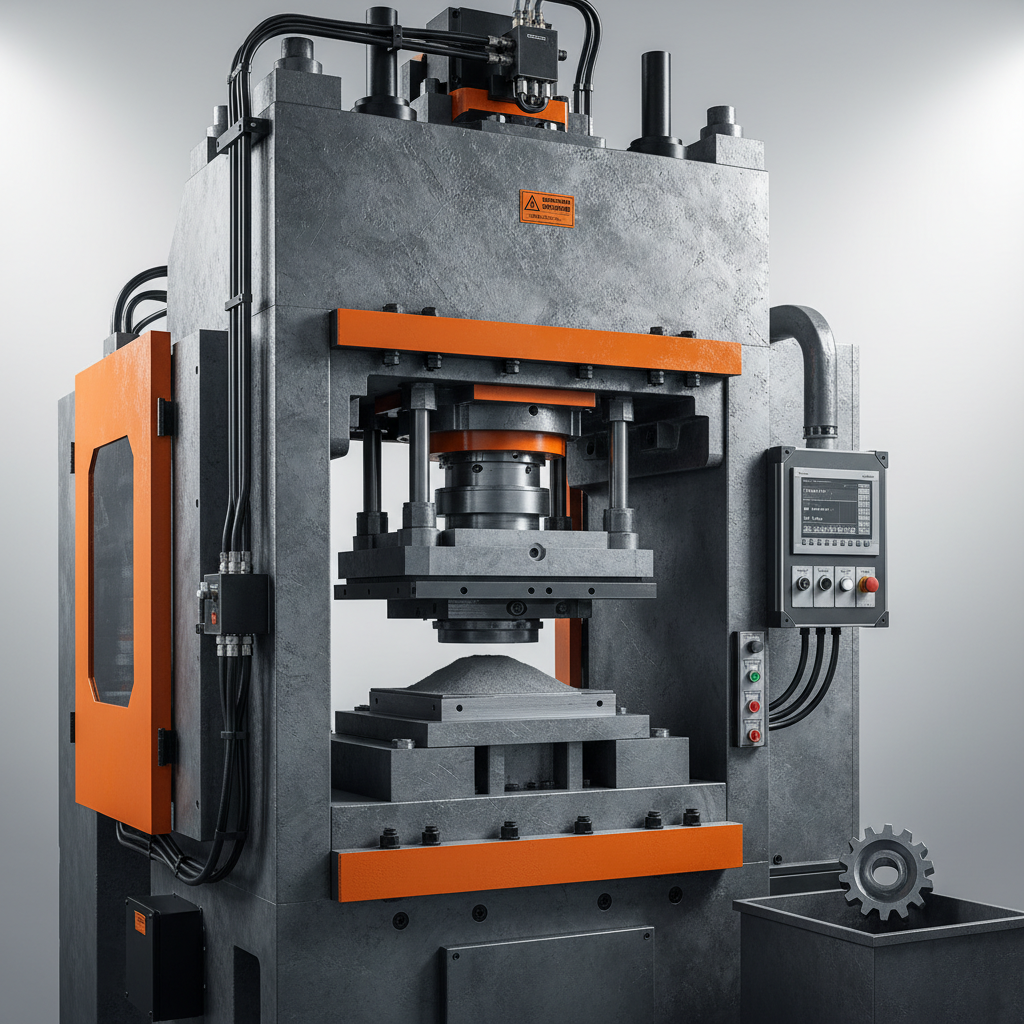
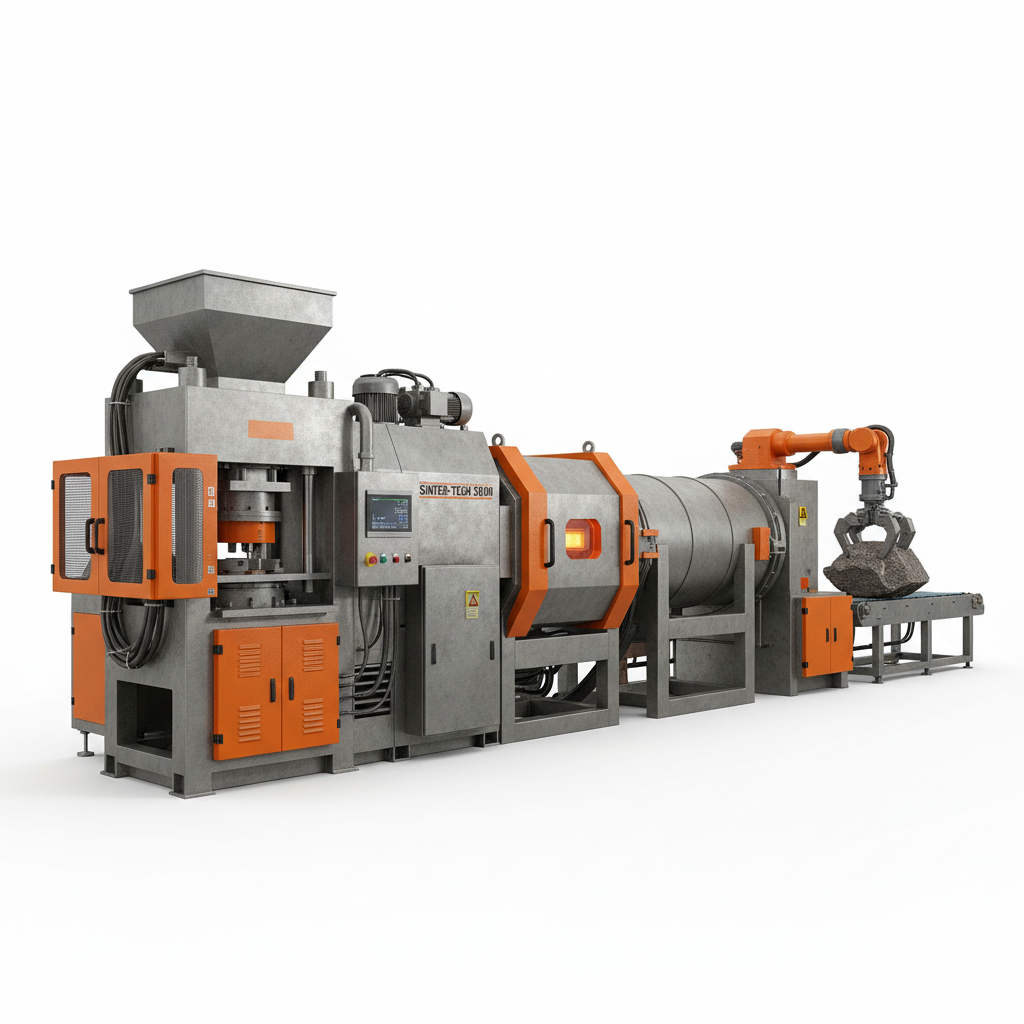
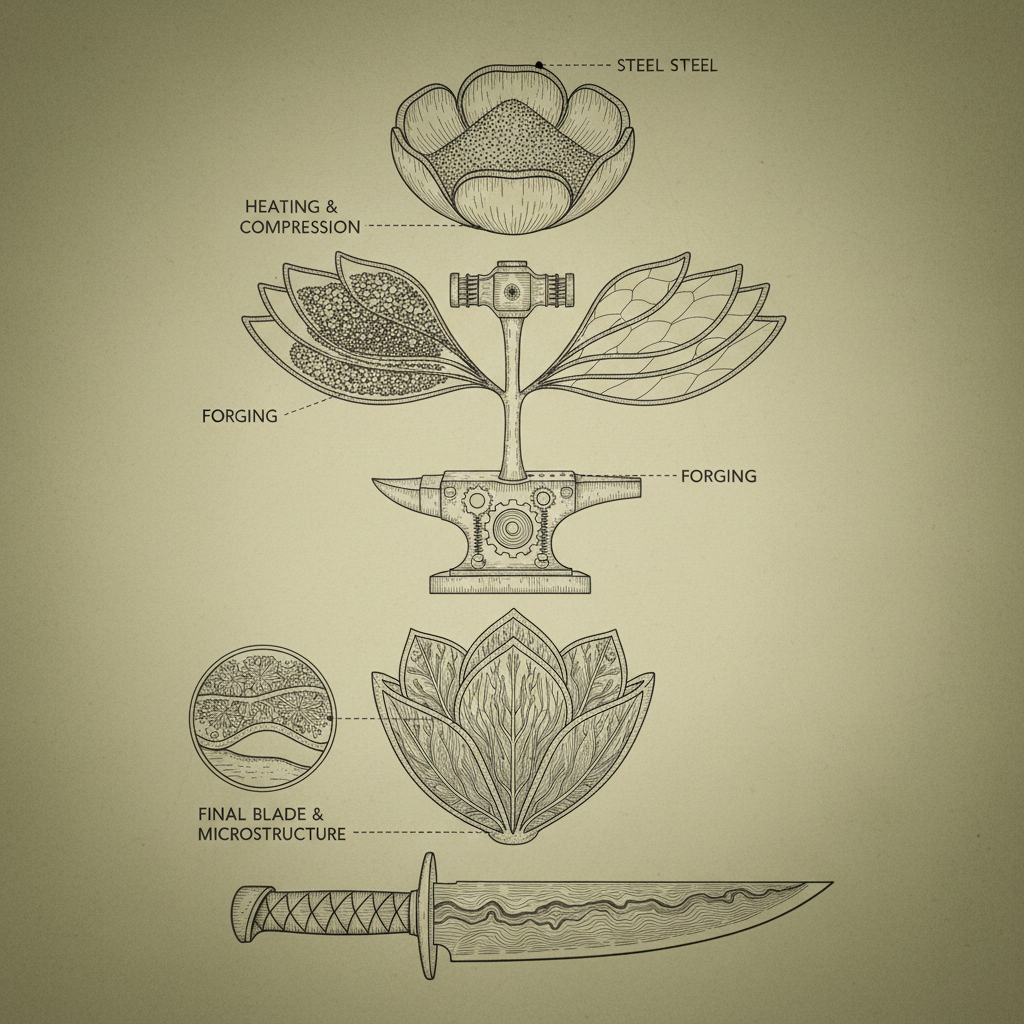
The powder metal forming process, also known as powder metallurgy (PM), is a crucial manufacturing technique utilized across numerous industries globally. This process involves compacting fine metal powders into a desired shape and then sintering them to achieve the required density and strength. It stands as a compelling alternative to traditional machining processes, offering unique advantages in terms of material utilization, complex geometries, and cost-effectiveness. Understanding the nuances of this process is vital for engineers, designers, and manufacturers aiming for efficiency and innovation in modern production.
The global demand for powder metal forming process components is steadily increasing, driven by the automotive, aerospace, and medical sectors. According to a report by the Metal Powder Industries Federation (MPIF), the global PM market is projected to reach \$15.7 billion by 2025. This growth is fueled by the need for lightweight materials, fuel efficiency, and precision manufacturing. Furthermore, the increasing adoption of additive manufacturing techniques, often building upon PM principles, further expands the relevance of this technology.
The importance of mastering the powder metal forming process extends beyond purely industrial applications. It addresses critical challenges such as reducing material waste, minimizing energy consumption during manufacturing, and enabling the production of components with tailored properties for specific applications. This positions powder metallurgy as a cornerstone of sustainable manufacturing practices and a key enabler of technological advancements across multiple domains.
Introduction to Powder Metal Forming Process
The powder metal forming process is a sophisticated manufacturing method that offers a remarkable degree of design flexibility and material control. Unlike traditional subtractive manufacturing, where material is removed to create a shape, PM builds up the component layer by layer, minimizing waste and allowing for the production of complex geometries. This capability makes it particularly valuable in industries demanding high precision and intricate designs.
From automotive gears and bearings to aerospace components and medical implants, the applications of powder metal forming process are incredibly diverse. The process’s ability to create near-net-shape parts significantly reduces the need for secondary machining operations, leading to substantial cost savings and improved production efficiency. Furthermore, PM allows for the use of a wider range of materials, including those difficult to process using conventional methods.
Defining the Powder Metal Forming Process
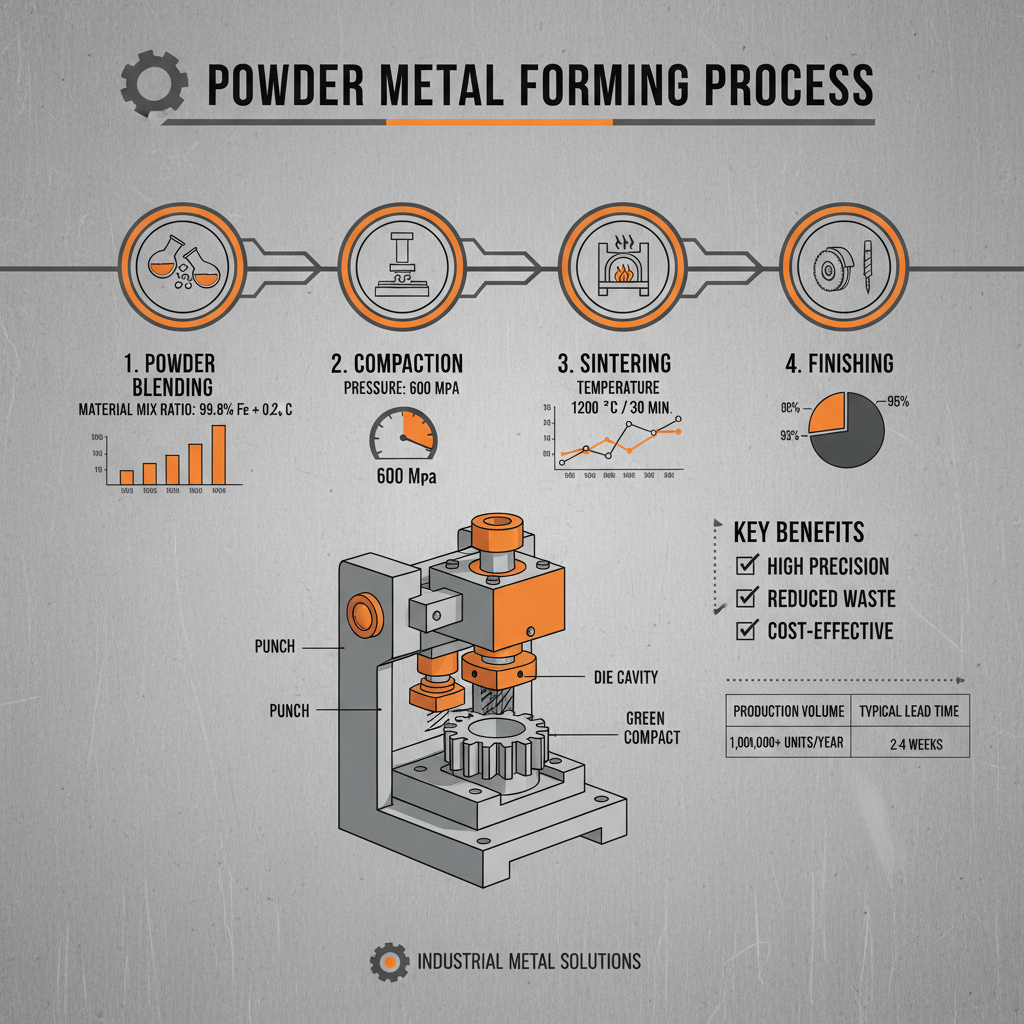
At its core, the powder metal forming process involves taking finely divided metal powders – typically ranging from a few micrometers to several hundred micrometers in size – and consolidating them into a cohesive solid form. The process typically comprises four key stages: powder production, blending, compaction, and sintering. Each stage plays a critical role in determining the final properties and performance of the manufactured component.
The resulting components are not merely substitutes for those made by other methods; they offer unique advantages. For example, PM can produce parts with controlled porosity, making them ideal for self-lubricating bearings or filters. It also allows for the creation of composite materials by blending different metal powders, achieving tailored properties unattainable through traditional alloying.
This method is intrinsically linked to modern industrial demands for efficiency and sustainability. It stands as a compelling alternative to traditional machining, particularly in mass production scenarios, as it minimizes material waste and reduces energy consumption compared to subtractive techniques. The powder metal forming process represents a key enabling technology for advanced manufacturing and innovation.
Core Components of Powder Metal Forming
Durability is a fundamental characteristic of parts created through the powder metal forming process. The sintering stage, where powders are heated to a high temperature below their melting point, creates strong metallurgical bonds between the particles, resulting in a dense and robust material. This inherent strength, combined with the ability to tailor alloy compositions, ensures long-lasting performance even in demanding applications.
Cost-efficiency is another pivotal aspect. The near-net-shape capabilities of powder metal forming process minimize the need for extensive machining, significantly reducing material waste and labor costs. This is particularly beneficial for high-volume production runs, where the cumulative savings can be substantial. The efficient material utilization also contributes to lower overall production expenses.
Scalability allows powder metal forming process to adapt to varying production demands. The process can be readily scaled up or down to accommodate different order sizes, making it suitable for both small-batch prototyping and large-scale manufacturing. This flexibility is crucial for businesses responding to evolving market needs and fluctuating demand.
Applications of Powder Metal Forming Globally
The automotive industry is a major consumer of components manufactured via the powder metal forming process. Gears, bearings, connecting rods, and valve guides are routinely produced using PM techniques, leveraging the process's ability to create complex shapes and high-strength parts. These components contribute to improved vehicle performance, fuel efficiency, and reliability.
In the aerospace sector, powder metal forming process is employed to create lightweight, high-performance components for aircraft engines and structural parts. Turbine blades, structural components and nozzles are some examples. The process’s capacity to produce materials with specific properties, such as high temperature resistance and strength-to-weight ratios, is vital for meeting the rigorous demands of aerospace applications.
Powder Metal Forming Process Performance Metrics
Advantages and Long-Term Value
The advantages of utilizing the powder metal forming process are multifaceted. Economically, it reduces material waste, lowers machining costs, and enables high-volume production at competitive prices. The near-net-shape capability minimizes the need for secondary operations, further driving down production expenses and lead times. This economic efficiency translates to improved profitability and competitiveness for manufacturers.
From a sustainability perspective, powder metallurgy contributes to resource conservation and reduces environmental impact. By minimizing material waste and optimizing energy consumption, the process aligns with green manufacturing principles. The ability to recycle metal powders further enhances its sustainability profile, promoting a circular economy approach.
Future Trends in Powder Metal Forming
Additive manufacturing (AM), also known as 3D printing, is increasingly integrated with powder metal forming process techniques. Hybrid approaches combine the benefits of both methods, allowing for the creation of highly complex geometries and customized parts with optimized material properties. This integration is driving innovation across various industries, from aerospace to healthcare.
The development of new and advanced metal powders is another key trend. Researchers are exploring novel alloy compositions and powder morphologies to enhance the performance characteristics of PM components. These advancements include powders with improved flowability, compressibility, and sinterability, leading to higher density and strength.
Challenges and Solutions in Powder Metallurgy
One common challenge in the powder metal forming process is achieving uniform density throughout the compacted part. Non-uniform density can lead to variations in mechanical properties and reduced component lifespan. Solutions include optimizing powder characteristics, improving compaction techniques, and implementing advanced process control systems.
Another challenge is the cost of certain metal powders, particularly those containing rare or expensive elements. Researchers are actively exploring alternative materials and powder production methods to reduce costs. Furthermore, advancements in powder recycling technologies are helping to mitigate the cost impact by enabling the reuse of materials.
Addressing these challenges requires a collaborative effort between material scientists, engineers, and manufacturers. Continuous innovation and investment in research and development are crucial for overcoming these hurdles and unlocking the full potential of the powder metal forming process.
Frequently Asked Questions Regarding Powder Metal Forming Process
| Application |
Material Considerations |
Process Optimization |
Cost & Scalability |
| What are the primary applications of the powder metal forming process in the automotive industry? |
What types of metal powders are most commonly used in powder metal forming process? |
How can I optimize the sintering process to achieve desired part density and mechanical properties? |
What are the key cost factors associated with powder metal forming process, and how can I scale up production? |
| Can powder metal forming process be used to create complex geometries with internal features? |
What are the advantages and disadvantages of using different powder production methods (e.g., atomization, chemical reduction)? |
How does the particle size distribution of the metal powder affect the compaction and sintering stages? |
How does the powder metal forming process compare in cost to other manufacturing methods like machining or casting? |
| What are the limitations of the powder metal forming process in terms of achievable tolerances and surface finish? |
What are the considerations for selecting the appropriate binder and lubricant during the compaction stage? |
How can I control the porosity of a component produced via powder metal forming process? |
What are the factors influencing the scalability of powder metal forming process for large-volume production? |
| What is the role of sintering atmosphere (e.g., hydrogen, nitrogen) in the powder metal forming process? |
How does the powder metallurgy process influence the final mechanical properties of the component? |
What are the best practices for powder handling and storage to prevent contamination and oxidation? |
How can the overall efficiency of the powder metal forming process be improved? |
| How does the powder metal forming process compare to additive manufacturing in terms of cost, speed and precision? |
Are there specific techniques used to improve the fatigue strength of components produced through the powder metal forming process? |
What safety precautions should be taken when working with metal powders? |
What are the typical lead times associated with powder metal forming process projects? |
| What quality control measures are essential in powder metal forming process? |
Can the powder metal forming process be used to create parts with integrated electronic components? |
What is the impact of powder morphology on the final product characteristics? |
What is the role of die design in achieving optimal compaction and part quality in the powder metal forming process? |
FAQS
The powder metal forming process is widely used in the automotive industry to manufacture gears, bearings, connecting rods, and valve guides. Its ability to create complex shapes and high-strength parts contributes to improved vehicle performance, fuel efficiency, and reliability, often at a lower cost than traditional machining methods.
Iron powders, steel powders (including stainless steel), copper powders, and aluminum powders are among the most commonly used. The choice of powder depends on the desired properties of the final component, such as strength, corrosion resistance, and electrical conductivity.
Optimizing sintering involves controlling temperature, time, atmosphere, and heating/cooling rates. A controlled atmosphere (e.g., hydrogen, nitrogen) prevents oxidation. Precise temperature control ensures adequate diffusion and bonding between powder particles, maximizing density and achieving desired mechanical properties.
Key cost factors include powder material, tooling costs, and energy consumption. Scaling up production involves investing in automated compaction and sintering equipment, optimizing process parameters, and streamlining material handling. Efficient recycling of powders can also significantly reduce costs.
Yes, powder metal forming process is well-suited for creating complex geometries, including internal features like holes, slots, and undercuts. Advanced tooling and compaction techniques, like coining or forging, enable the production of intricate designs that would be difficult or impossible to achieve using other methods.
The powder metal forming process influences mechanical properties through powder characteristics (size, shape, composition), compaction pressure, and sintering conditions. These parameters affect density, porosity, and microstructural features, ultimately dictating the component’s strength, hardness, ductility, and fatigue resistance.
Conclusion
In conclusion, the powder metal forming process represents a versatile and efficient manufacturing technique with significant advantages across numerous industries. Its ability to produce complex, high-strength components with minimal material waste positions it as a cornerstone of modern manufacturing practices and a key driver of innovation. The inherent scalability, cost-effectiveness, and adaptability of PM make it an ideal solution for diverse applications.
Looking ahead, continued advancements in powder metallurgy, particularly in materials science and process control, promise to further expand the capabilities and applications of this technology. Embracing these innovations will be crucial for manufacturers seeking to optimize performance, reduce costs, and achieve greater sustainability in their operations. For more detailed information and to explore how powder metal forming process can benefit your specific application, visit our website: www.jssintering.com