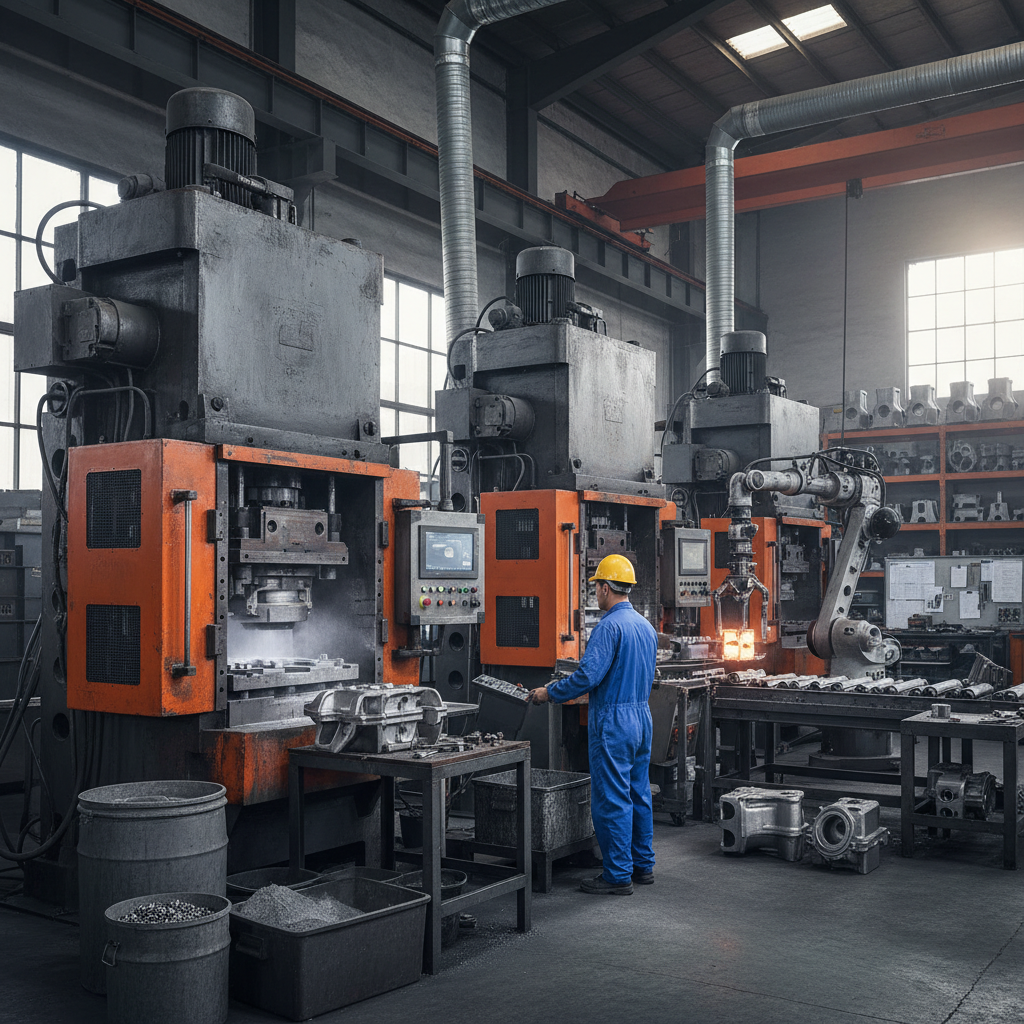
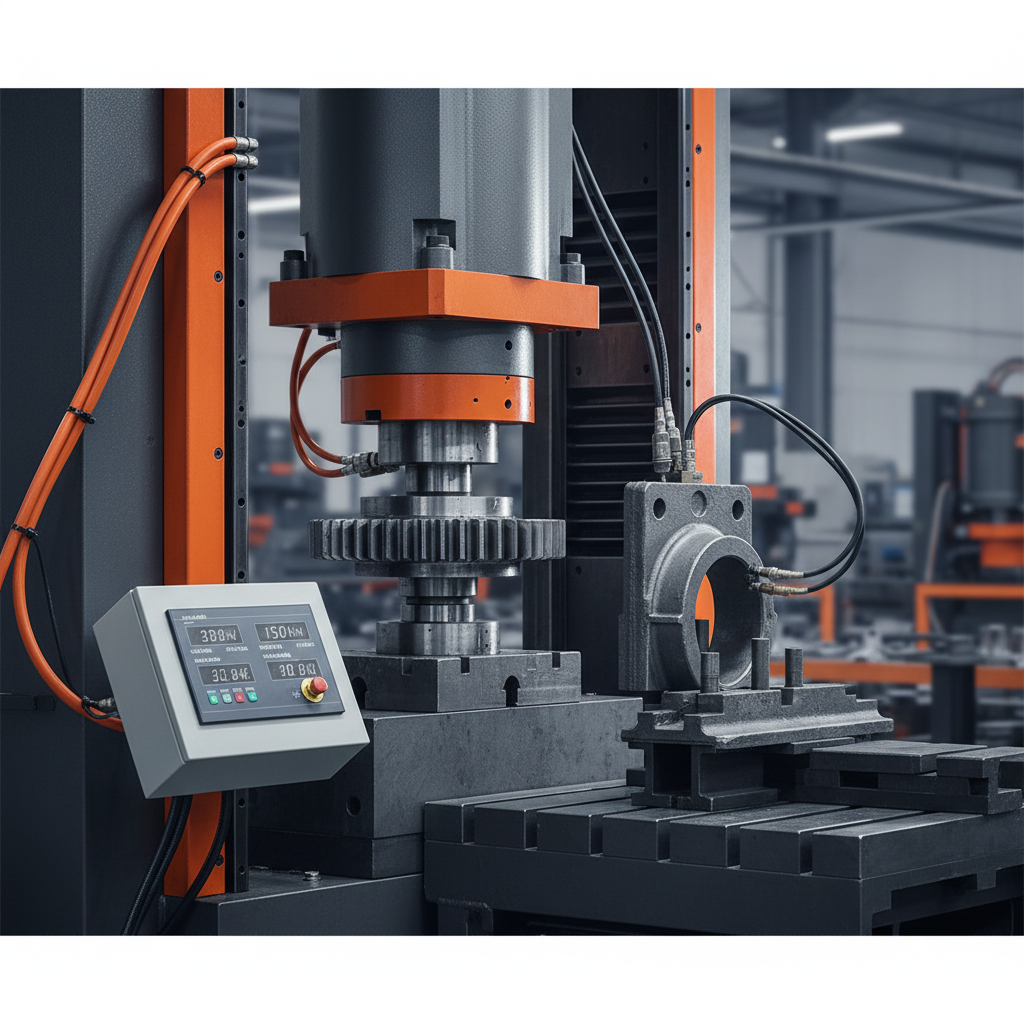
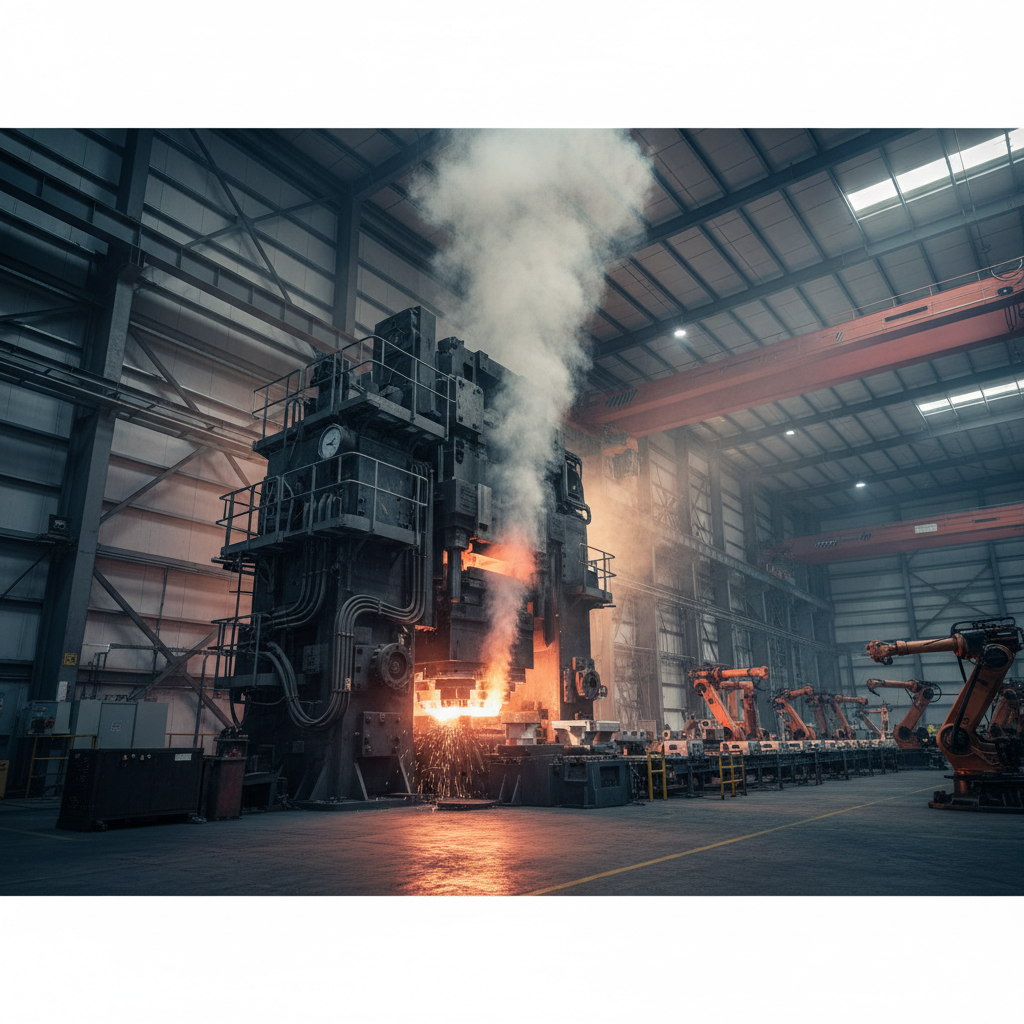
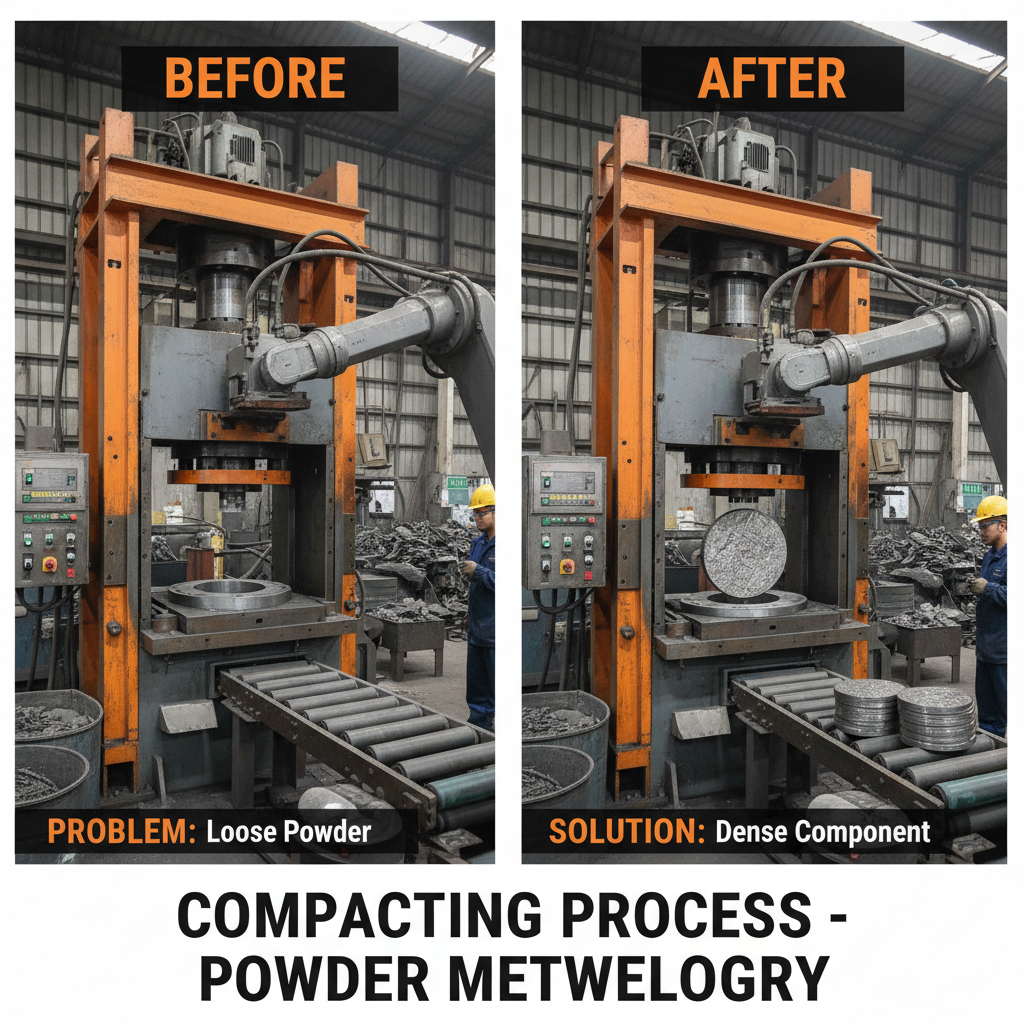
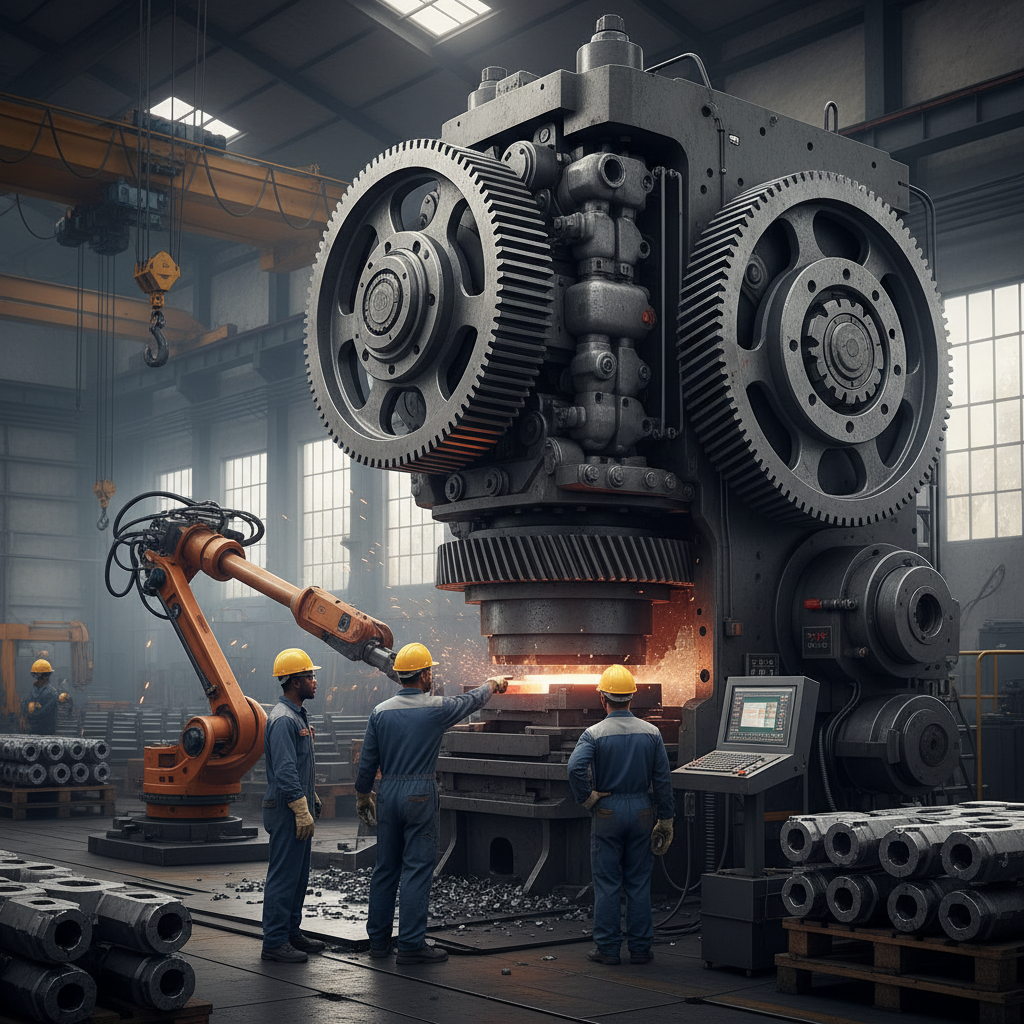
Powder metallurgy part manufacturing represents a crucial process in modern industrial production, particularly within the automotive sector. It's a manufacturing technique where metal powders are compacted and then heated (sintered) to create finished parts. This method offers distinct advantages over traditional machining, enabling the production of complex geometries with minimal material waste, crucial for efficient automotive component fabrication. The demand for lighter, stronger, and more fuel-efficient vehicles is driving increased adoption of powder metallurgy parts.
Globally, the powder metallurgy industry is experiencing significant growth, fueled by advancements in materials science and manufacturing technologies. According to industry reports, the market is projected to reach substantial figures in the coming years, driven by sectors like automotive, aerospace, and medical. This growth is particularly prominent in Asia-Pacific regions, with China leading the way in both production and consumption. Effective powder metallurgy part manufacturing is becoming increasingly vital for global supply chains.
The ability to produce intricate shapes, control porosity, and tailor material properties makes powder metallurgy indispensable for manufacturing components requiring high precision and performance. It addresses challenges associated with traditional manufacturing methods, offering cost-effectiveness and reduced lead times, ultimately contributing to streamlined production processes and enhanced product quality across diverse industries, notably within the demanding landscape of automotive part production.
The Significance of Powder Metallurgy Part Manufacturing
Powder metallurgy part manufacturing is pivotal in enabling the production of high-performance components with complex designs and tight tolerances. It’s a versatile process applicable across diverse industries, including automotive, aerospace, and medical, where precision and material properties are paramount. The ability to minimize material waste and reduce manufacturing costs makes it an increasingly attractive option for companies seeking to optimize their production processes.
The process’s inherent flexibility allows for the creation of parts with customized compositions and densities, catering to specific application requirements. This adaptability, combined with its scalability, makes powder metallurgy a strategic advantage for manufacturers seeking to innovate and maintain a competitive edge in rapidly evolving markets. Its importance is particularly notable in the automotive sector’s pursuit of lighter-weight vehicles.
Understanding Powder Metallurgy Part Manufacturing: A Global Perspective
The global powder metallurgy market is currently experiencing robust expansion, driven by the increasing demand for high-performance components across various sectors. Regions like Asia-Pacific, particularly China, are leading in both production and consumption, benefiting from lower labor costs and a rapidly growing industrial base. North America and Europe also represent significant markets, with a focus on advanced powder metallurgy techniques and high-value applications.
The automotive industry remains a major driver of demand for powder metallurgy parts, especially for gears, bearings, and structural components. This is due to the process’s ability to produce parts with high strength, wear resistance, and dimensional accuracy. The demand for electric vehicles (EVs) is creating new opportunities, as powder metallurgy is well-suited for manufacturing components used in EV powertrains, such as rotor cores and stator segments.
However, the industry faces challenges such as the cost of raw materials, the need for skilled labor, and environmental concerns related to energy consumption and waste generation. Overcoming these hurdles through innovation and sustainable practices is essential for ensuring the long-term growth and viability of powder metallurgy part manufacturing globally.
Defining Powder Metallurgy Part Manufacturing
Powder metallurgy part manufacturing is a fabrication process involving the compaction of metal powders into a desired shape, followed by sintering – a heat treatment that bonds the particles together. Unlike traditional machining where material is removed to create a part, powder metallurgy builds a part by adding material. This minimizes waste and allows for the creation of complex geometries that would be difficult or impossible to achieve through other methods.
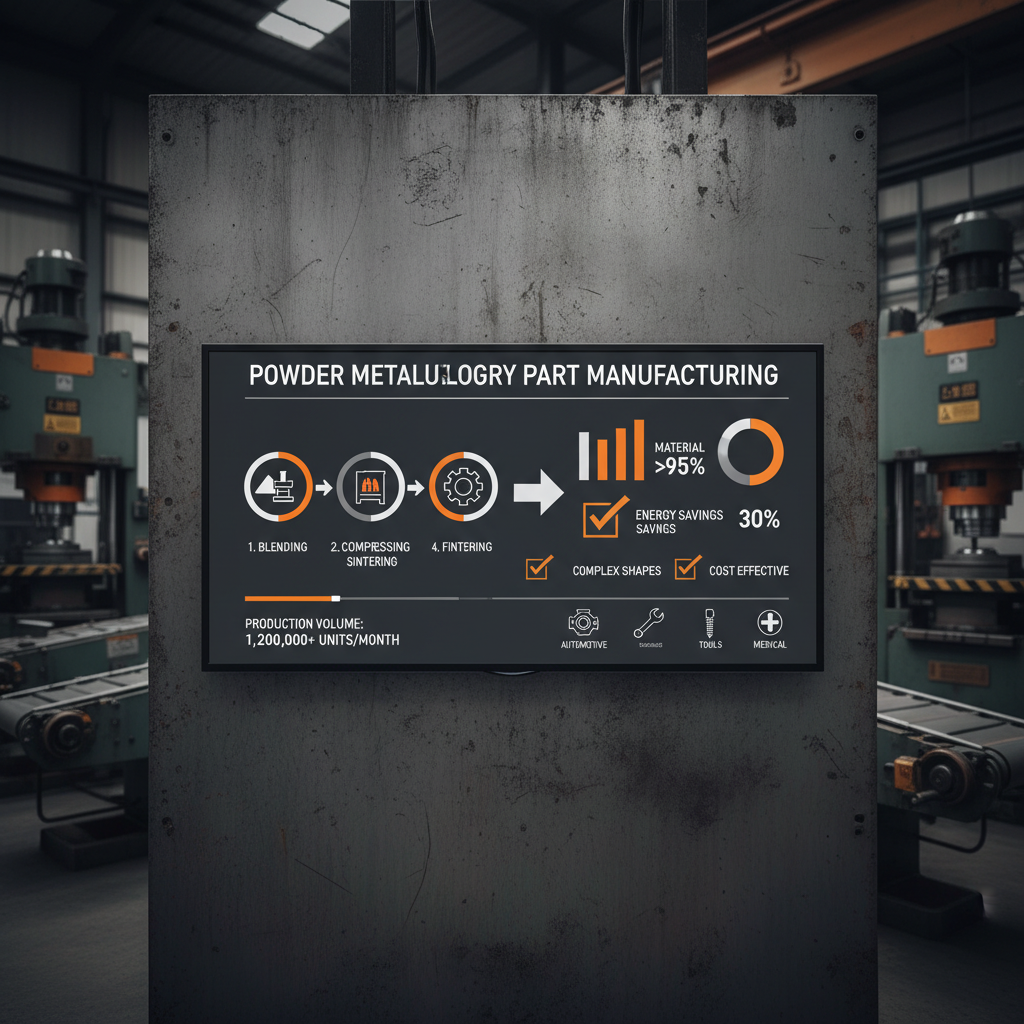
The process typically includes several stages: powder production, mixing, compaction, sintering, and finishing operations. Powder production involves creating metal powders with specific particle sizes and compositions. Mixing ensures uniform distribution of alloying elements. Compaction forms the ‘green’ compact, which is then sintered to achieve the desired density and strength.
The connection to modern industry is profound. Powder metallurgy enables the efficient and cost-effective production of components critical to numerous sectors, from automotive and aerospace to medical and consumer goods. Its relevance extends to addressing humanitarian needs by facilitating the creation of durable and reliable parts for essential equipment used in disaster relief and remote locations where access to advanced machining facilities is limited.
Key Advantages of Powder Metallurgy Part Manufacturing
One of the primary advantages of powder metallurgy is its net-shape capability. This means parts are manufactured close to their final dimensions, minimizing or eliminating the need for extensive machining. This translates to significant cost savings, reduced material waste, and shorter lead times. Another key benefit is its material versatility. Virtually any metal or alloy can be processed using powder metallurgy, allowing for tailored material properties to meet specific application requirements.
Design flexibility is also a significant advantage. Powder metallurgy enables the creation of complex geometries, including undercuts and internal features, that would be difficult or impossible to achieve with traditional manufacturing methods. This allows engineers to optimize part designs for performance and functionality. Furthermore, powder metallurgy offers excellent control over porosity, which is crucial for applications requiring self-lubrication or filtering capabilities.
Powder Metallurgy Part Manufacturing Advantage Ratings
Global Applications and Use Cases of Powder Metallurgy Parts
Powder metallurgy parts are integral to the automotive industry, specifically in the production of gears, connecting rods, and valve guides. These components benefit from the process’s ability to deliver high strength, wear resistance, and dimensional accuracy. The aerospace sector utilizes powder metallurgy for producing turbine blades, structural components, and fasteners, capitalizing on the process’s ability to create lightweight, high-performance parts.
In the medical field, powder metallurgy is employed to manufacture surgical instruments, implants, and orthopedic devices, where biocompatibility and precision are critical. The electrical and electronics industry relies on powder metallurgy for producing magnetic cores, contacts, and connectors. Regions like North America and Europe are at the forefront of utilizing advanced powder metallurgy techniques for these high-tech applications.
The Long-Term Value and Benefits of Powder Metallurgy
The tangible benefits of powder metallurgy extend beyond cost savings and material efficiency. The process contributes to sustainability by minimizing waste and reducing energy consumption compared to traditional machining methods. The ability to tailor material properties enhances product reliability and performance, leading to extended service life and reduced maintenance costs.
From a societal perspective, powder metallurgy supports innovation and economic growth by enabling the development of advanced technologies and creating skilled manufacturing jobs. The emotional value lies in the peace of mind that comes with using durable, reliable, and safe components. The inherent trustworthiness built into powder metallurgy processes fosters long-term customer relationships and strengthens brand reputation.
Future Trends and Challenges in Powder Metallurgy Part Manufacturing
Future trends in powder metallurgy part manufacturing include the development of advanced powder materials, such as high-entropy alloys and functionally graded materials, which offer enhanced properties and performance. Additive manufacturing (3D printing) is increasingly integrated with powder metallurgy, enabling the creation of even more complex geometries and customized parts. Digitalization and automation are also playing a key role, optimizing process control and improving efficiency.
However, challenges remain, including the high cost of some powder materials, the need for improved sintering technologies, and the environmental impact of powder production. Addressing these challenges requires ongoing research and development, as well as collaboration between industry, academia, and government. Sustainable practices, such as powder recycling and energy-efficient sintering processes, are essential for ensuring the long-term viability of the industry.
The adoption of Industry 4.0 principles, including data analytics and machine learning, will enable predictive maintenance, process optimization, and improved quality control in powder metallurgy part manufacturing, ultimately leading to more efficient and sustainable production.
Summary of Future Trends and Challenges in Powder Metallurgy Part Manufacturing
| Trend/Challenge |
Description |
Impact on Powder Metallurgy |
Mitigation Strategies |
| Advanced Powder Materials |
Development of high-entropy alloys, functionally graded materials. |
Enhanced material properties, improved performance. |
Investment in materials research, collaboration with universities. |
| Additive Manufacturing Integration |
Combining 3D printing with powder metallurgy. |
Complex geometries, customized parts, rapid prototyping. |
Hybrid manufacturing systems, process optimization. |
| Digitalization and Automation |
Implementation of Industry 4.0 principles. |
Improved process control, efficiency, and quality. |
Data analytics, machine learning, robotic automation. |
| Powder Material Costs |
High cost of specialized metal powders. |
Increased production costs, limited adoption. |
Powder recycling, alternative sourcing, alloy optimization. |
| Sintering Technology |
Need for improved sintering processes. |
Limited density, reduced mechanical properties. |
Advanced sintering techniques, atmosphere control. |
| Environmental Impact |
Waste generation, energy consumption. |
Sustainability concerns, regulatory pressure. |
Powder recycling, energy-efficient processes, waste reduction. |
FAQS
Powder metallurgy offers several advantages over machining, including reduced material waste (as it's a near-net-shape process), the ability to create complex geometries, better control over material properties, and cost-effectiveness for high-volume production. It also allows for the production of parts with controlled porosity, enabling features like self-lubrication. This makes it ideal for applications requiring precision and efficiency.
A wide range of metals can be used in powder metallurgy, including iron, steel, aluminum, copper, nickel, and titanium. The specific metal chosen depends on the desired properties of the final part. Alloys are also frequently used to enhance strength, corrosion resistance, and other characteristics. The versatility in material selection is a key advantage of this manufacturing process.
Powder metallurgy can have limitations in producing large, complex parts and achieving 100% density. These are being addressed through techniques like hot isostatic pressing (HIP) to eliminate porosity and combining powder metallurgy with additive manufacturing processes to create larger, more intricate designs. Material costs can also be a factor, but recycling initiatives are helping to mitigate this concern.
Powder metallurgy is inherently sustainable due to its near-net-shape capabilities, which minimize material waste. The process also allows for the recycling of metal powders, reducing reliance on virgin materials. Furthermore, powder metallurgy can lead to energy savings compared to machining, as it requires less energy to produce parts. Its efficiency directly supports environmentally conscious production.
Rigorous quality control measures are crucial in powder metallurgy. These include powder characterization (particle size, morphology, flow rate), green density measurements, sintering process monitoring, and final part inspection using techniques like dimensional analysis, hardness testing, and microstructure examination. Statistical process control (SPC) is often implemented to ensure consistent quality.
Powder metallurgy is playing a significant role in the EV revolution. It’s ideal for producing rotor cores and stator segments for electric motors, as well as gears and other transmission components. The process allows for the creation of high-performance parts with optimized magnetic properties and high strength, contributing to increased efficiency and reduced weight in EVs.
Conclusion
In conclusion, powder metallurgy part manufacturing is a transformative process that offers a compelling combination of cost-effectiveness, design flexibility, material versatility, and sustainability. Its ability to produce high-performance components with minimal waste and precise control over material properties makes it a critical technology for a wide range of industries, particularly automotive, aerospace, and medical. The continuing refinement of powder metallurgy techniques, alongside integration with additive manufacturing and digital technologies, promises further advancements.
Looking ahead, continued investment in research and development, coupled with a commitment to sustainable practices, will be essential for unlocking the full potential of powder metallurgy. For businesses seeking to optimize their manufacturing processes, reduce costs, and improve product performance, exploring the capabilities of powder metallurgy part manufacturing is not just an option – it’s a strategic imperative. Visit our website at powder metallurgy part manufacturing to learn how we can help you achieve your manufacturing goals.