You know, lately everyone's talking about miniaturization, right? Smaller, lighter, more integrated. It’s all the rage. But honestly, I spend most of my days wrestling with stuff on construction sites, and 'smaller' isn't always better. Sometimes, bigger means more durable, easier to handle, and less likely to disappear into a pile of rebar. It's a trade-off, always a trade-off.
And the push for these new materials… don’t even get me started. Everyone's chasing the next miracle alloy. But have you noticed, a lot of these fancy composites are a nightmare to work with on-site? They fray, they splinter, they smell awful when you cut them… Give me good old steel any day. At least I know how it's going to behave.
It's funny, the designers always think they’ve got it figured out on their computers, but it’s a different story when you're trying to assemble something in the pouring rain.


To be honest, this whole push for additive manufacturing is interesting, but it creates new problems. Everyone's obsessed with complex geometries, which look great in renderings, but are a pain to finish and require specialized tools. I encountered this at a factory in Ningbo last time, they were trying to 3D print a bracket for a generator, and the surface finish was so rough, it took forever to deburr.
Strangely, a lot of designers forget about the basics – accessibility for maintenance. You design something all sleek and enclosed, how are the guys on site supposed to get in there to fix it when it breaks down? It's not elegant, but a few well-placed access panels are worth their weight in gold.
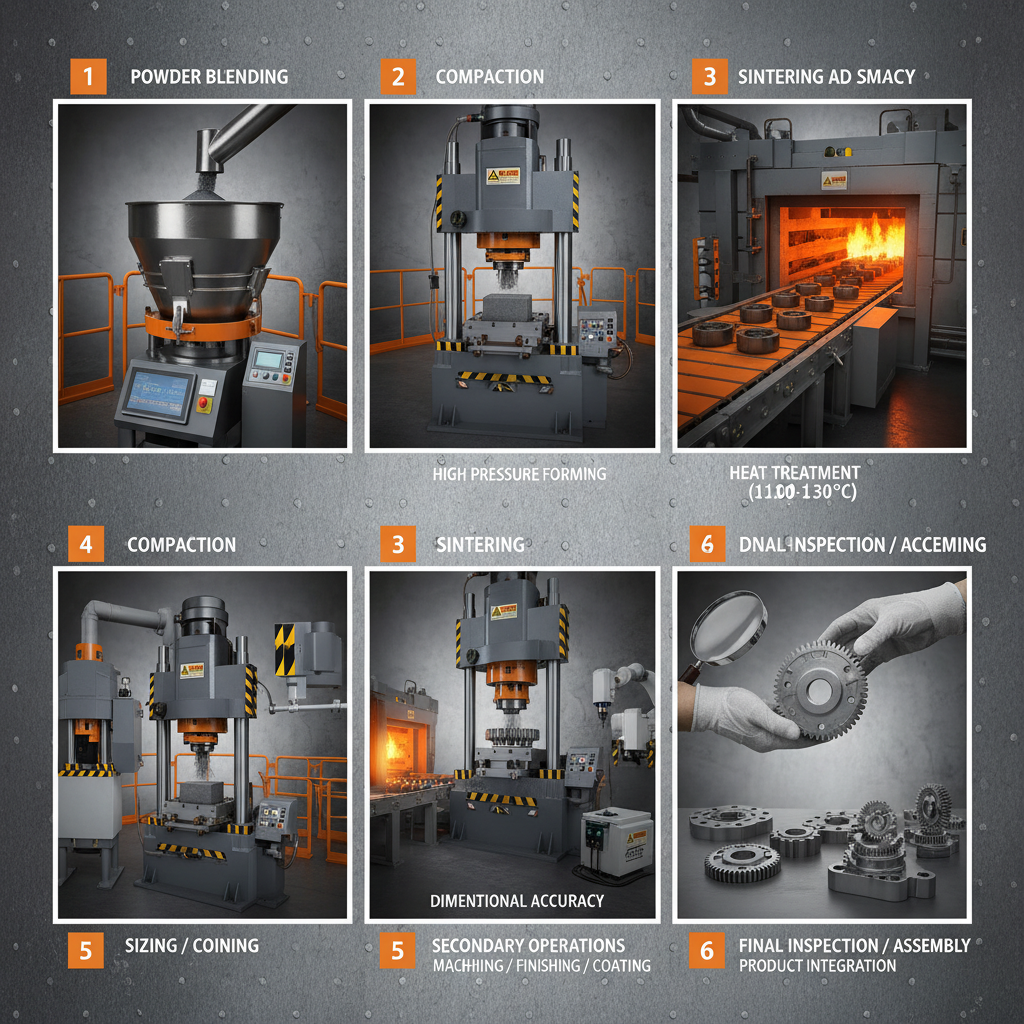
Honestly, the biggest thing is you can make really complex shapes without a ton of machining. It's cheaper for high volumes, and you get less material waste. Plus, you can control the material properties – like porosity – in ways you just can't with forging or casting. But don't expect miracles; it's not always faster or cheaper, especially for small runs.
Not really. It works great with iron, steel, aluminum, and some nickel alloys. Tungsten and molybdenum are common too. But getting good results with things like copper or titanium is trickier. It's about how well the powder can be compacted and sintered. Some metals just don't behave themselves.
You see it everywhere! Gears, bearings, connecting rods in engines, structural components in cars, even medical implants. Anywhere you need a complex shape, good material properties, and decent production volume. It's not usually the best choice for one-off prototypes.
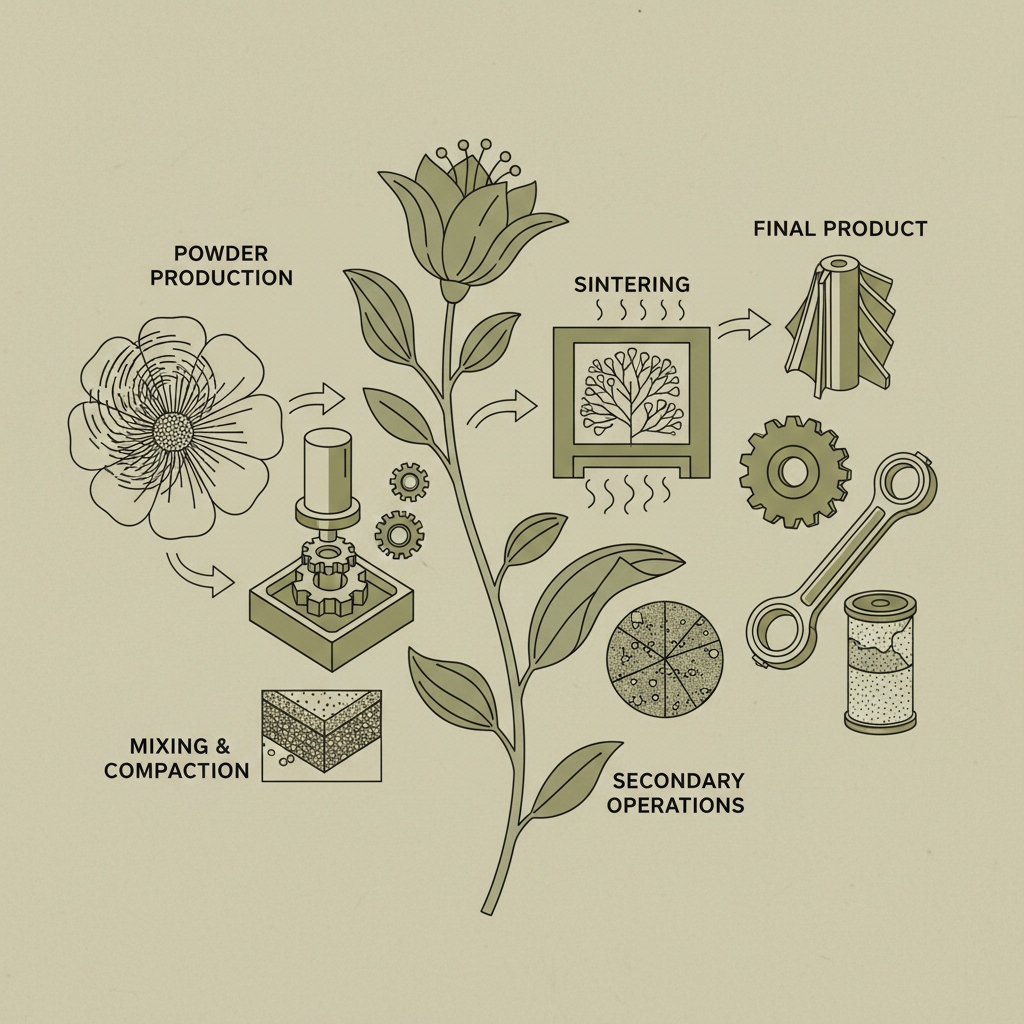
Sintering is basically heating the compacted powder to a temperature just below its melting point. It bonds the particles together, giving the part its strength. It's crucial because if you don't sinter it properly, the part will just fall apart. You gotta get the temperature, atmosphere, and time just right, or you're in trouble.
For high-volume production, powder metallurgy is usually cheaper and faster. 3D printing is great for prototypes and low-volume custom parts, but it gets expensive quickly. You're paying for the build time and the material costs. Powder metallurgy requires upfront tooling costs, but then it's very efficient.
There can be. Some of the binders used in the powder can be volatile organic compounds (VOCs). And the sintering process can release some fumes. But most modern facilities have good filtration systems to minimize those emissions. Plus, powder metallurgy generally produces less waste than machining.
So, there you have it. Advanced powder metallurgy isn’t glamorous, but it's a workhorse of modern manufacturing. It's about finding the right balance between cost, performance, and manufacturability. It's about understanding the materials, the processes, and the limitations.
Look, it's not a magic bullet, and it definitely has its challenges. But it’s a valuable tool in the toolbox, and it’s only going to become more important as industries demand lighter, stronger, and more complex components. If you're serious about building things, you need to understand it. Visit our website to learn more: www.jssintering.com


Shijiazhuang JingShi New Material Science and Technology Co., Ltd was founded since 2014, located in Shijiazhuang, Hebei province, China. The company covers an area of over 10,000 square meters and has


PRODUCTS

CONTACT US
Address:TIANSHAN INTERNATIONAL MANUFACTURING INDUSTRY PARK NO.57, YUANSHI, SHIJIAZHUANG CITY, HEBEI PROVINCE, CHINA
Address:TIANSHAN INTERNATIONAL MANUFACTURING INDUSTRY PARK NO.57, YUANSHI, SHIJIAZHUANG CITY, HEBEI PROVINCE, CHINA