

WeChat.png
sintered metal parts
email.png
whatsapp.png
top.png
0%

Table of Contents

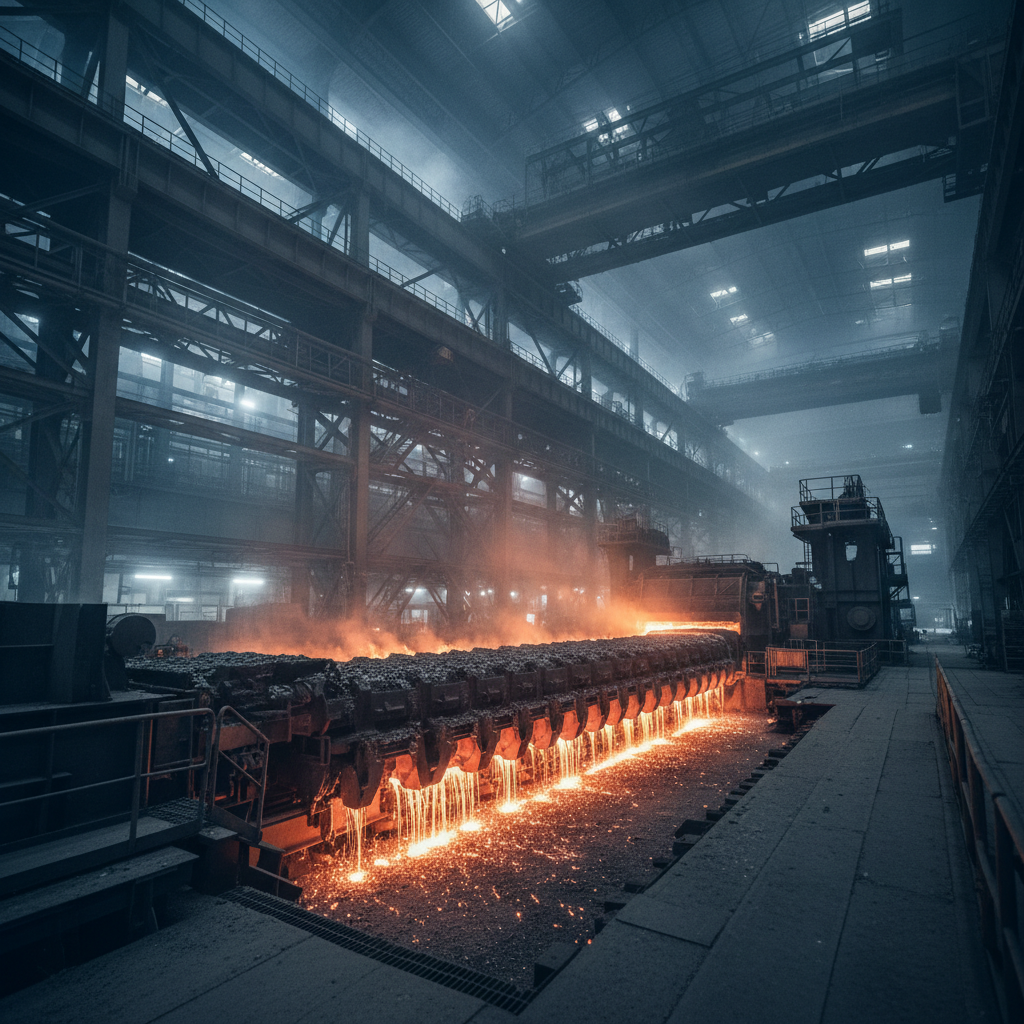
To be honest, the whole industry’s been buzzing about miniaturization lately. Everything’s gotta be smaller, lighter, more efficient. Folks are chasing these tighter tolerances, but, you know, out on the site, that doesn't always translate. It's all well and good on the drawing board, but real-world conditions… they’re a different beast altogether. Powder metallurgy parts are right in the thick of it though, and that's why we’re seeing so much activity. powder metallurgy parts are becoming crucial for complex geometries and high-volume production, it’s undeniable.

Have you noticed how everyone’s obsessed with fancy materials? It’s always “We need the strongest, lightest alloy!” but often, they forget about workability. I was at a factory in Dongguan last month, and they were trying to machine this new titanium blend… absolute nightmare. The tooling was wearing out faster than the parts were being made! That's where powder metallurgy really shines, bypassing some of those machining headaches. It’s about smartly combining materials to get the properties you need, not just chasing the highest number on a spec sheet.

And it’s not just about the materials themselves, it's how they feel. I mean, you can tell a good iron powder just by the way it flows, the slight metallic smell. Some powders are almost fluffy, others are like sand. The handling characteristics really matter, especially when you’re dealing with large-scale production. Makes a difference to the press operator’s day, you know? We’re increasingly looking at the whole lifecycle, not just the final part. That includes the powder itself.
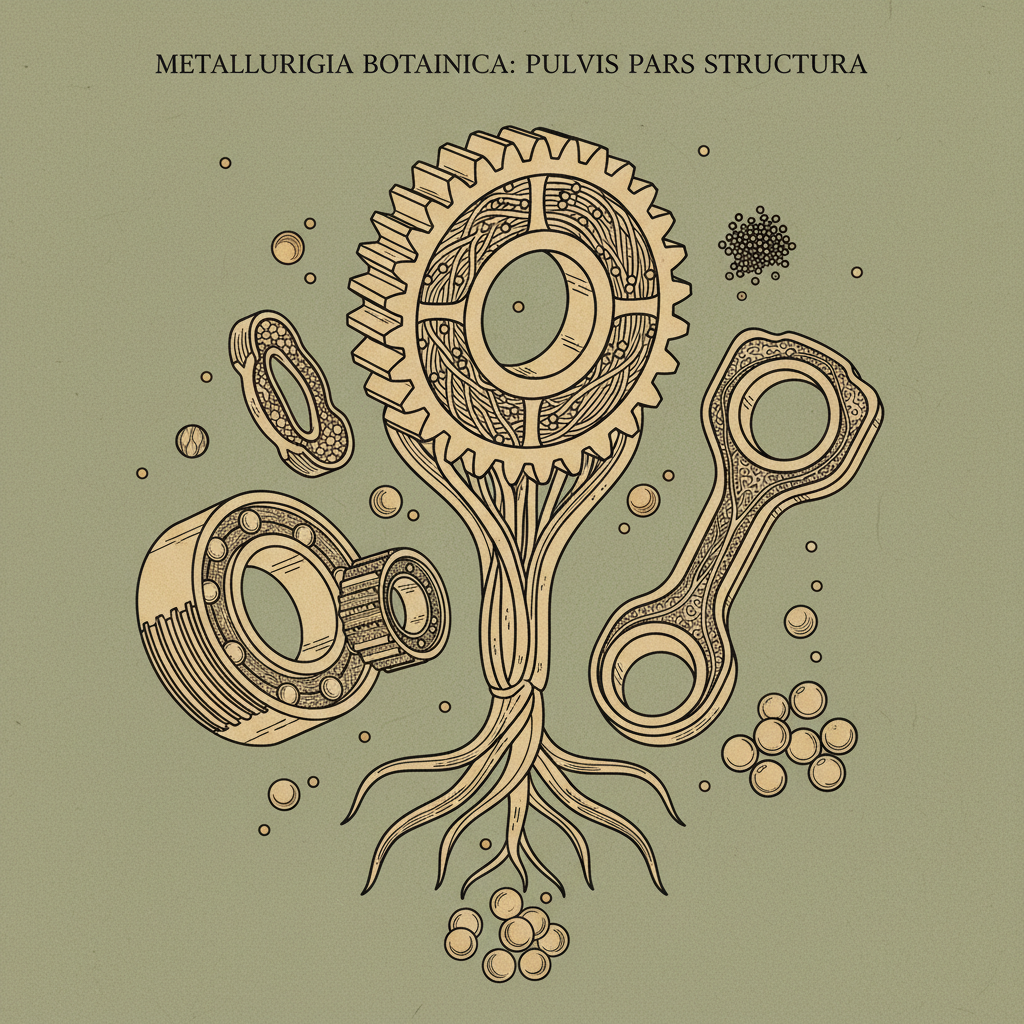
powder metallurgy parts

The Current Trends in Powder Metallurgy Parts

powder metallurgy parts

Strangely enough, additive manufacturing – 3D printing with metal powders – is starting to influence the traditional powder metallurgy world. It's forcing us to think about even more complex geometries and tighter control over powder characteristics. You’re seeing more and more hybrid approaches, using additive for prototyping and then switching to traditional PM for mass production. It’s a clever way to get the best of both worlds.

And the demand for high-performance alloys, especially for electric vehicle components, is driving innovation in powder processing and sintering techniques. It’s not enough to just press a part; you need to control the microstructure to get the right magnetic properties, strength, and durability. That means a lot more focus on heat treatment and post-processing.

Common Design Pitfalls in Powder Metallurgy Parts

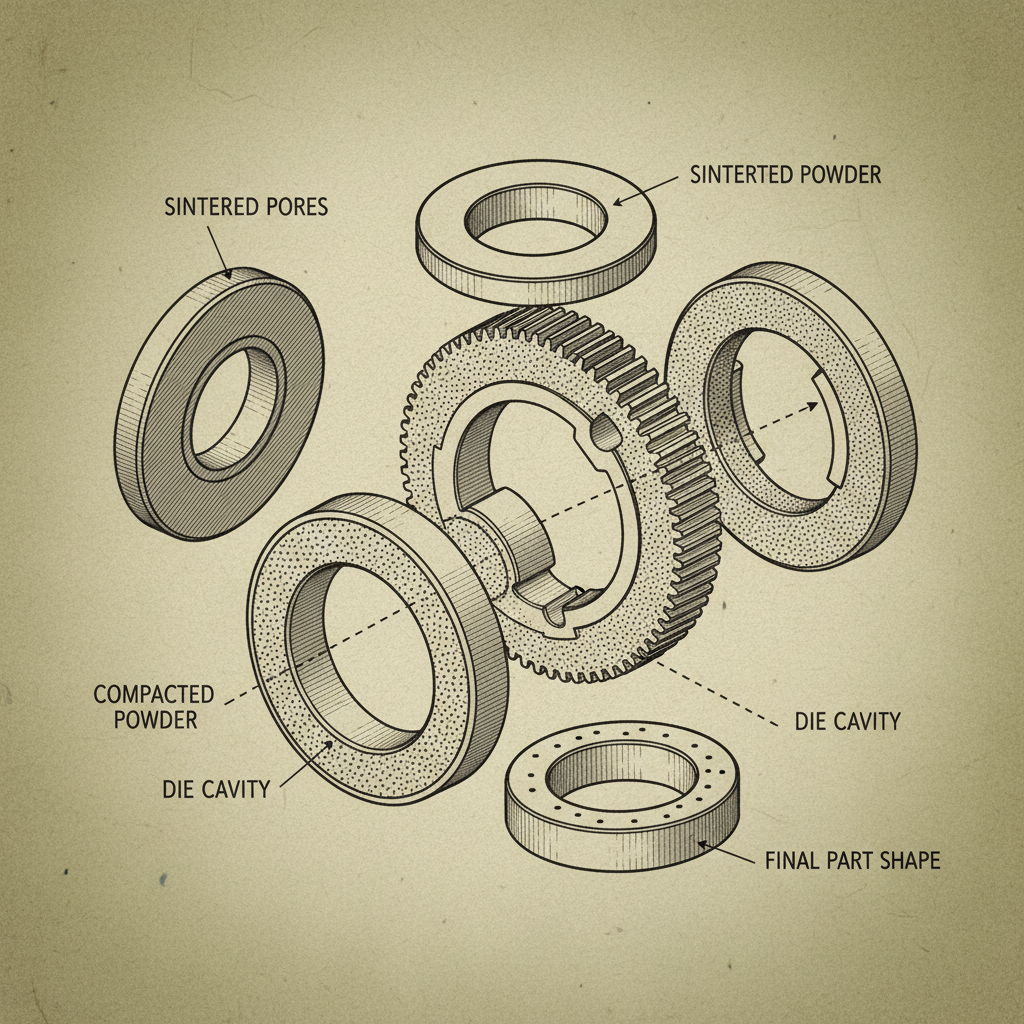
I encountered this at a transmission factory last time - people always try to port over designs directly from machining. Big mistake. Powder metallurgy has different rules. Sharp internal corners, thin walls, and large variations in section thickness… they're all recipes for trouble. You gotta design for the process, not against it. That means generous radii, uniform wall thicknesses, and avoiding features that are difficult to eject from the die. powder metallurgy parts demand thoughtful design.

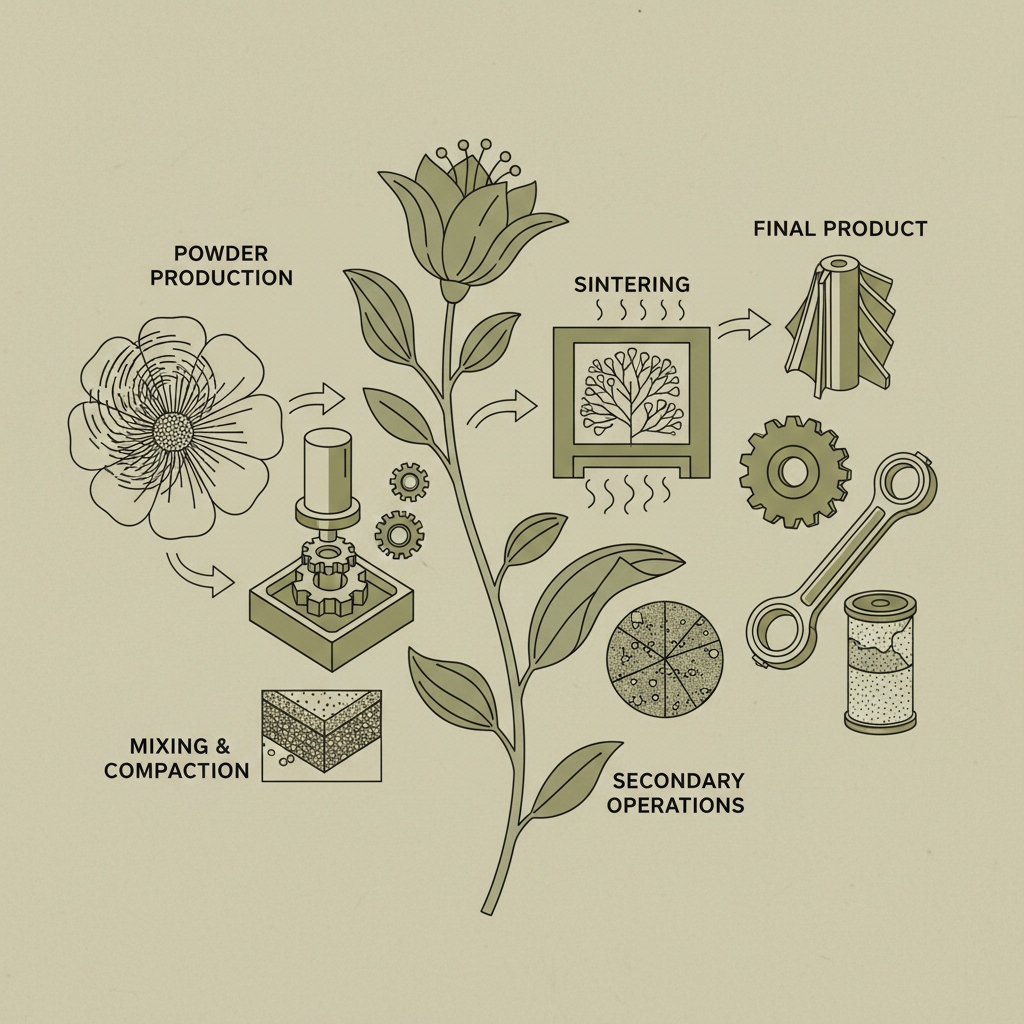
Another thing? Underestimating the shrinkage. Powder metallurgy parts shrink during sintering, and if you don’t account for that in your tooling, you'll end up with parts that are the wrong size. It's a classic. And don’t even get me started on trying to make super-precise threads without proper tooling and post-processing. It almost always ends badly.

Anyway, I think the biggest pitfall is a lack of communication between the designer and the PM manufacturer. They need to work together from the start, not just hand over a drawing and expect miracles. That’s when things get expensive… and frustrating.

Materials Used in Powder Metallurgy Parts

Iron powders are the workhorses, obviously. But it's not just "iron powder." There's atomized iron, sponge iron, reduced iron… each with its own characteristics. Atomized feels almost like a fine dust, really consistent. Sponge iron’s a bit more irregular, has a slightly rougher texture. The density matters, the flowability matters, even the particle size distribution plays a role.

Then you get into the alloys – steel, stainless steel, copper, aluminum… all available in powder form. There’s a lot of blending going on too. Adding small amounts of nickel, molybdenum, or manganese can dramatically change the properties. I remember one time, we were trying to improve the wear resistance of a gear, and just a tiny bit of chromium made all the difference. It's like magic, but it’s actually just good metallurgy.

And don't forget about the lubricants and binders that are added to the powder mix. They help with compaction and ejection, but they need to burn off cleanly during sintering. If they don’t, you end up with porosity and weak parts. It's a delicate balance, you know?

Testing and Real-World Performance of Powder Metallurgy Parts

Lab tests are fine, but they don't tell the whole story. I mean, you can measure tensile strength and hardness all day long, but that doesn’t tell you how a part will hold up under vibration, shock, or corrosive environments. We do a lot of field testing, putting parts in real-world applications and seeing what happens.

For example, for automotive gears, we run endurance tests on a dynamometer, simulating years of driving in a matter of weeks. And for cutting tools, we partner with machine shops and let them use the parts in their production runs. That’s when you really find out if something works.

Performance Comparison of Powder Metallurgy Parts Methods


How Users Actually Utilize Powder Metallurgy Parts

You'd be surprised. We designed these gears for power tools, thinking they’d be used in a controlled environment. Turns out, a lot of them end up in these cheap, knock-off drills being sold at flea markets. They get abused, overworked, and exposed to all sorts of dirt and grime. It’s a harsh life.

And then there's the automotive industry. They’re obsessed with weight reduction, so they’re constantly pushing us to make thinner, lighter parts. Which is great, but it also means they’re more susceptible to fatigue and wear. Gotta find that sweet spot between performance and durability.

Advantages and Disadvantages of Powder Metallurgy Parts

The biggest advantage? Complex shapes. Seriously, you can make stuff with PM that you just can't make any other way, or at least not economically. And net-shape capability, meaning minimal machining required. That saves time and money.

But it's not all sunshine and roses. Porosity can be an issue, especially for high-pressure applications. And the tooling costs can be significant, particularly for low-volume production. It's not always the cheapest option upfront. And frankly, getting consistent quality across large batches can be a challenge. You gotta have a good QC process in place.

Customization Options for Powder Metallurgy Parts

Oh, customization is huge. Last month, that small boss in Shenzhen who makes smart home devices insisted on changing the interface to after we'd already made the tooling. Crazy, right? But we managed to modify the die and deliver the parts on time. It cost him a bit extra, but he was happy.

We can adjust the alloy composition, the powder particle size, the sintering parameters… all sorts of things to tailor the parts to specific requirements. We even do coatings and surface treatments to improve wear resistance or corrosion protection. It’s about finding the right balance between cost, performance, and lead time.

I remember a customer who needed a part with a specific magnetic permeability for a sensor application. We had to experiment with different powder blends and heat treatments to get it just right. It took a lot of trial and error, but we eventually nailed it.

Summary of Powder Metallurgy Parts Customization

Customization Aspect Complexity Level Cost Impact Typical Lead Time
Alloy Composition Medium Moderate 2-4 weeks
Powder Particle Size Low Low 1-2 weeks
Sintering Parameters High High 4-6 weeks
Part Geometry (Die Modification) Very High Very High 6-8 weeks+
Surface Coatings (e.g., Corrosion Resistance) Medium Moderate 2-3 weeks
Dimensional Tolerances High High 4-6 weeks

FAQS

What's the typical lead time for a custom powder metallurgy parts order?

Lead times really vary depending on the complexity of the part, the tooling requirements, and our current workload. But generally, you’re looking at anywhere from 4 to 8 weeks from design confirmation to delivery. We always try to be upfront about timelines. It's better to under-promise and over-deliver, you know? Smaller, simpler parts can sometimes be turned around faster, maybe 2-3 weeks, but those are the exceptions. And if you need custom tooling, that adds another few weeks to the process.

What materials can you work with for powder metallurgy parts?

Oh, quite a few! Iron, steel (various grades), stainless steel, copper, brass, bronze… we can even work with some specialty alloys like Inconel and tungsten. The choice of material depends on the application and the required properties, of course. We’ll often work with our clients to select the best material for their needs. We also handle powder blends and pre-alloyed powders to achieve specific characteristics.

What are the limitations of powder metallurgy parts in terms of size and complexity?

There are limits, certainly. Very large parts can be difficult to sinter evenly. And extremely thin walls or intricate internal features can be challenging to produce without defects. We generally recommend a minimum wall thickness of around 1mm, but it depends on the material and the geometry. We can handle fairly complex shapes, though, thanks to the flexibility of the PM process. It's all about finding the right balance between design and manufacturability.

How does powder metallurgy compare to machining in terms of cost?

That depends. For high-volume production, powder metallurgy is almost always cheaper than machining, especially for complex shapes. The tooling costs are higher upfront, but the cost per part is significantly lower. For low-volume production, machining might be more cost-effective. It really comes down to the quantity, the complexity of the part, and the material. We can usually provide a detailed cost analysis to help our clients make an informed decision.

What quality control measures do you have in place?

Quality control is paramount. We have a full suite of testing equipment, including dimensional measuring machines, tensile testers, hardness testers, and microscopy equipment. We perform inspections at every stage of the process, from raw material to finished part. We also follow strict quality management systems and are ISO 9001 certified. We’ll even provide material certificates and test reports upon request.

Can you provide design assistance for powder metallurgy parts?

Absolutely. We have a team of experienced engineers who can help you design parts that are optimized for powder metallurgy. We can provide guidance on material selection, geometry, tolerances, and manufacturing processes. We'll work with you to ensure that your parts are both functional and cost-effective. It's always best to involve us early in the design process.

Conclusion

Ultimately, powder metallurgy parts are a versatile and cost-effective solution for a wide range of applications. From complex gears to high-performance structural components, they offer a unique combination of properties that can't be easily achieved with other manufacturing methods. It's not about the fancy machines or the complex formulas; it's about understanding the material and the process.

And ultimately, whether this thing works or not, the worker will know the moment he tightens the screw. That’s the real test. If you're looking for a reliable partner for your powder metallurgy needs, visit our website at www.jssintering.com.
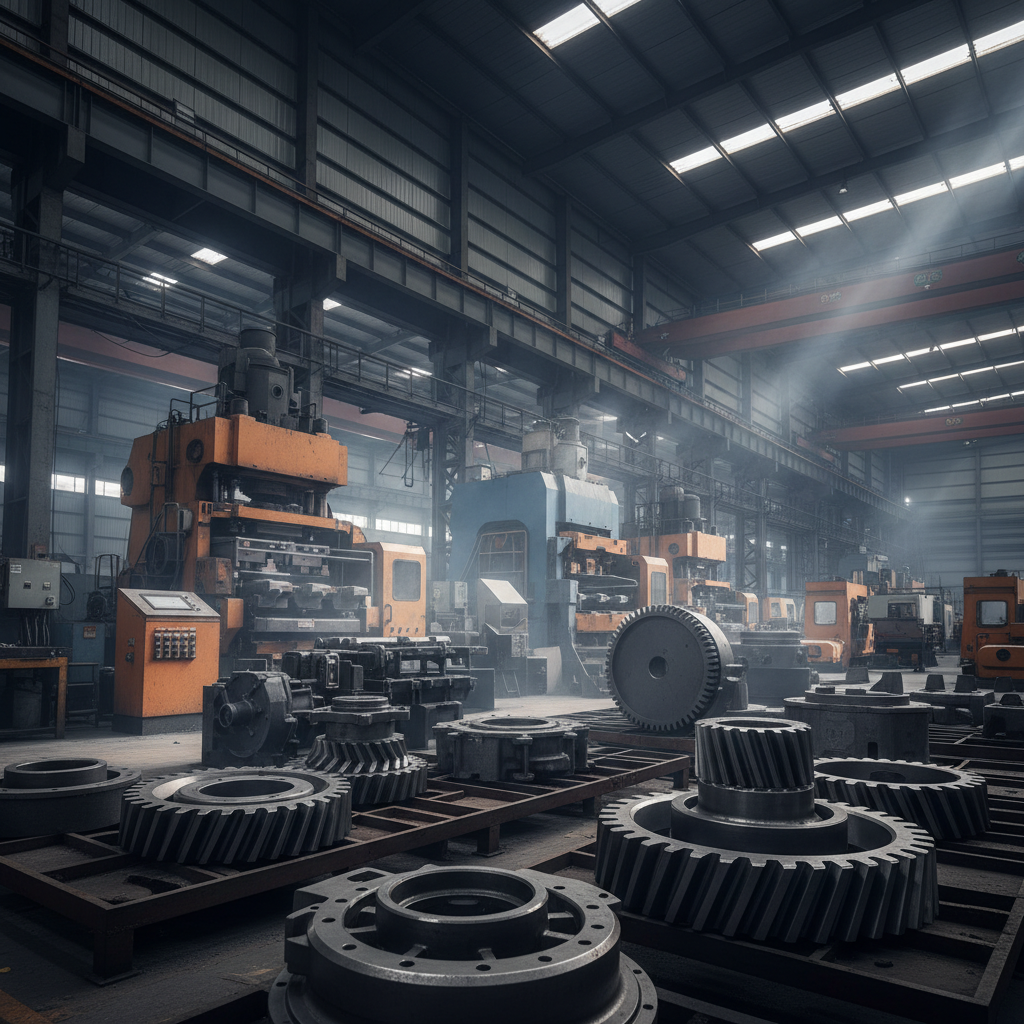
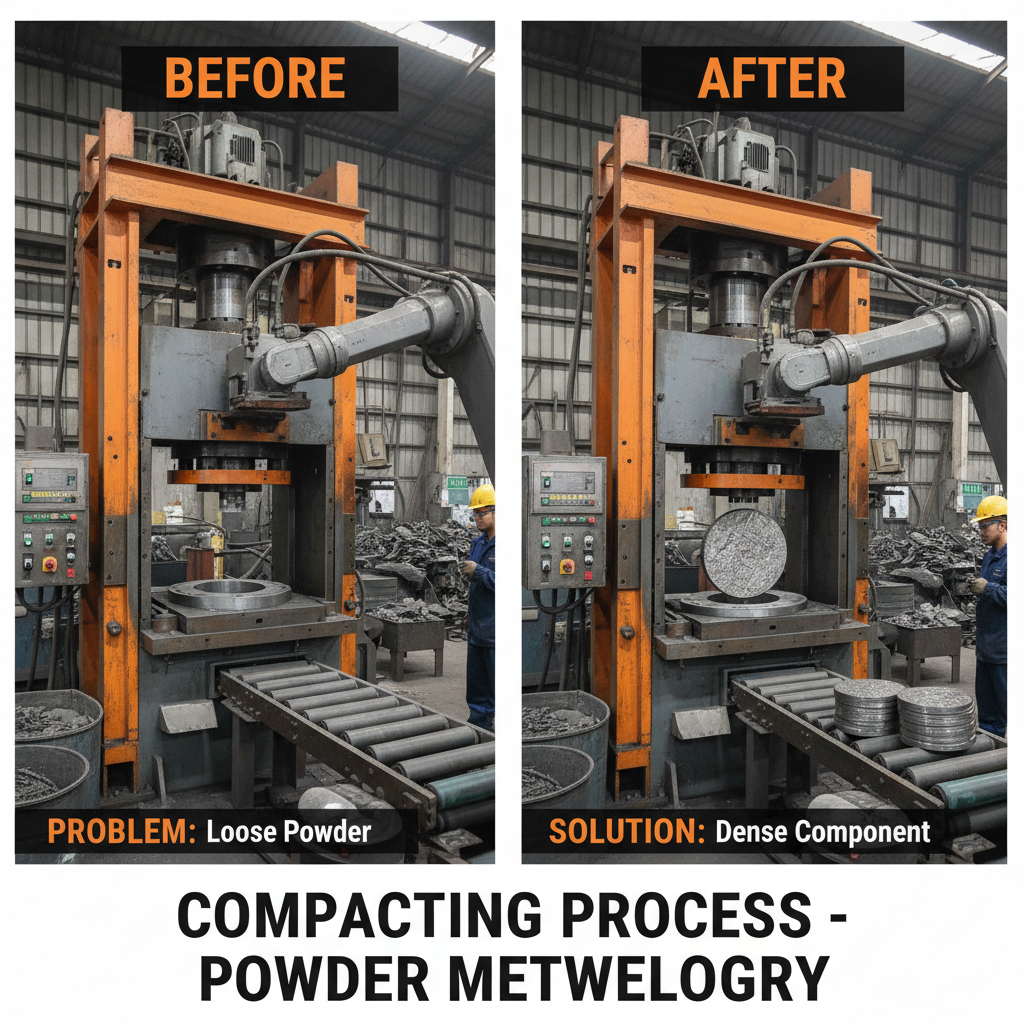
Kevin Garcia

Kevin Garcia

Kevin Garcia is a Senior Production Engineer at JingShi New Material. He focuses on optimizing the automated production line, ensuring seamless operation of equipment like the automatic batching system and various sintering furnaces. Kevin is a problem-solver who consistently seeks ways to improve efficiency and precision in the manufacturing process.
Previous advanced powder metallurgy

If you are interested in our products, you can choose to leave your information here, and we will be in touch with you shortly.