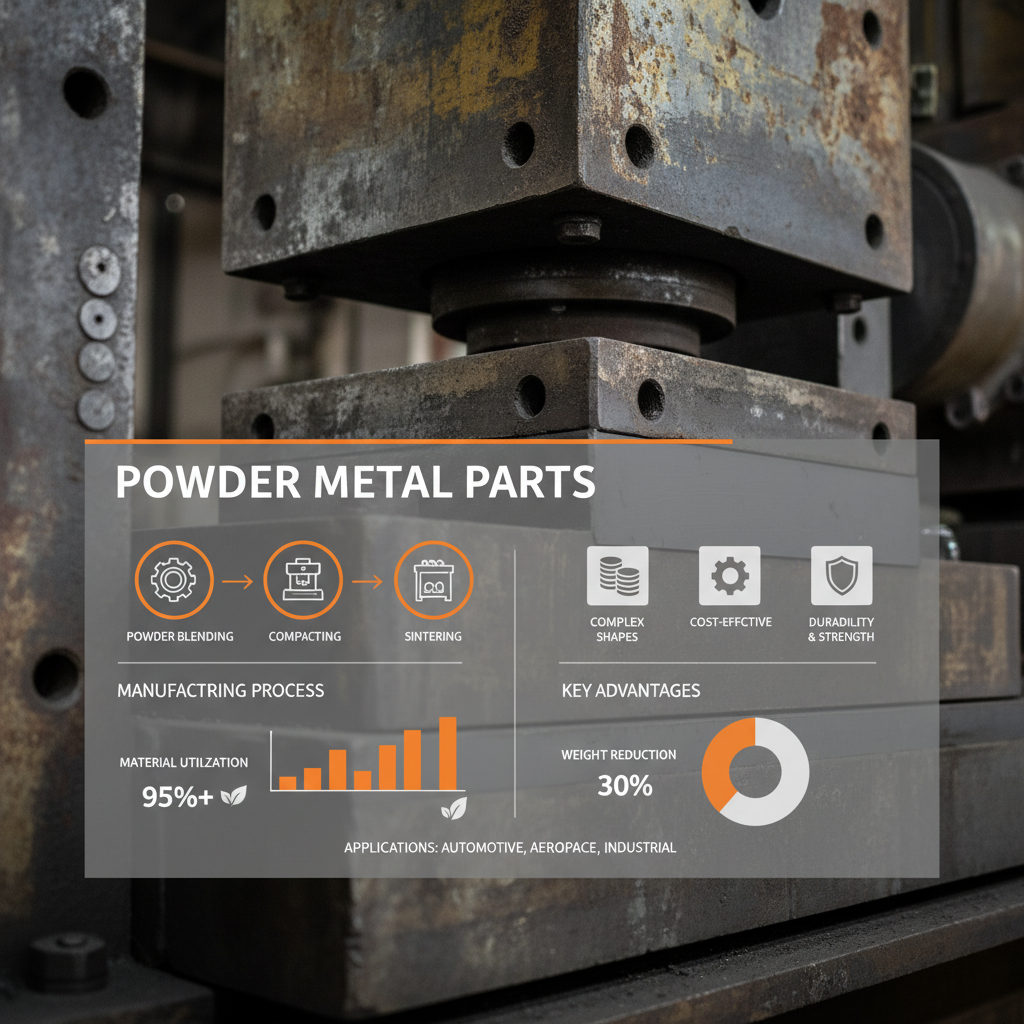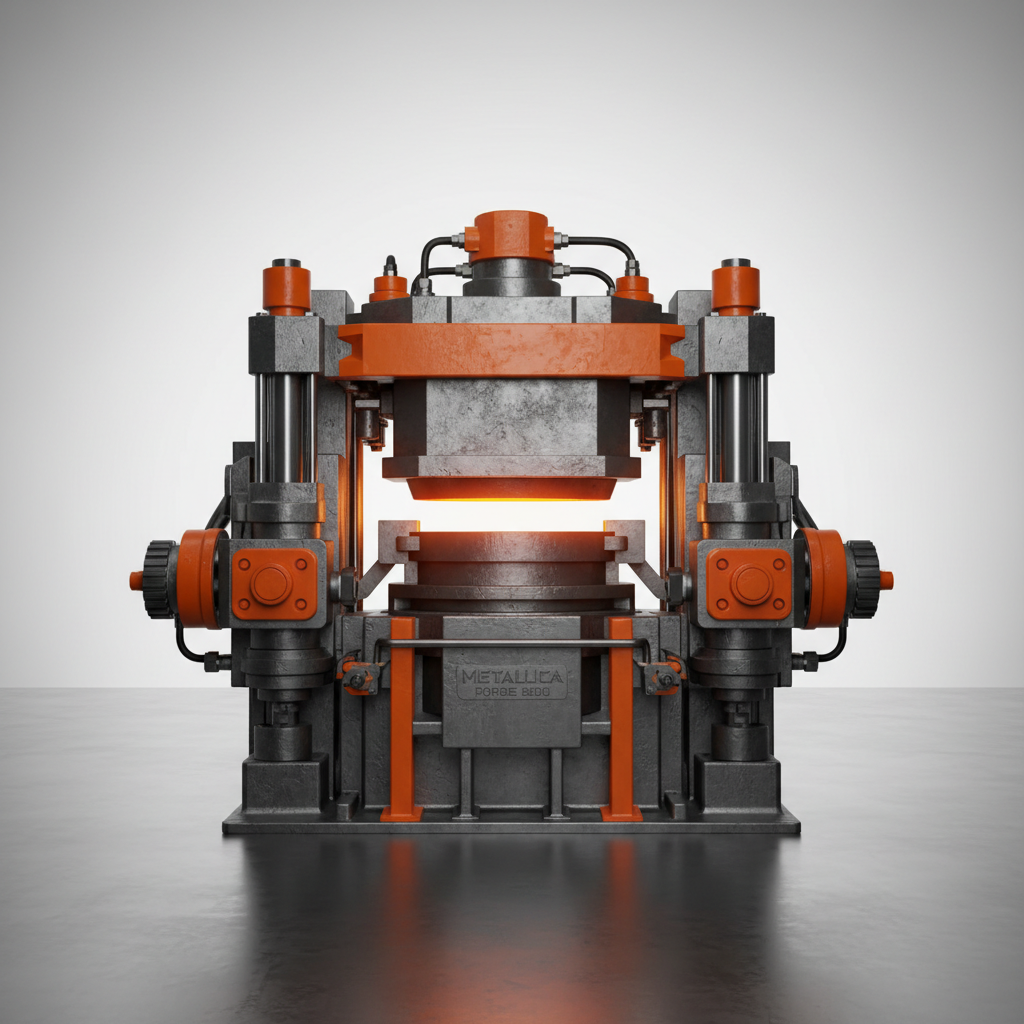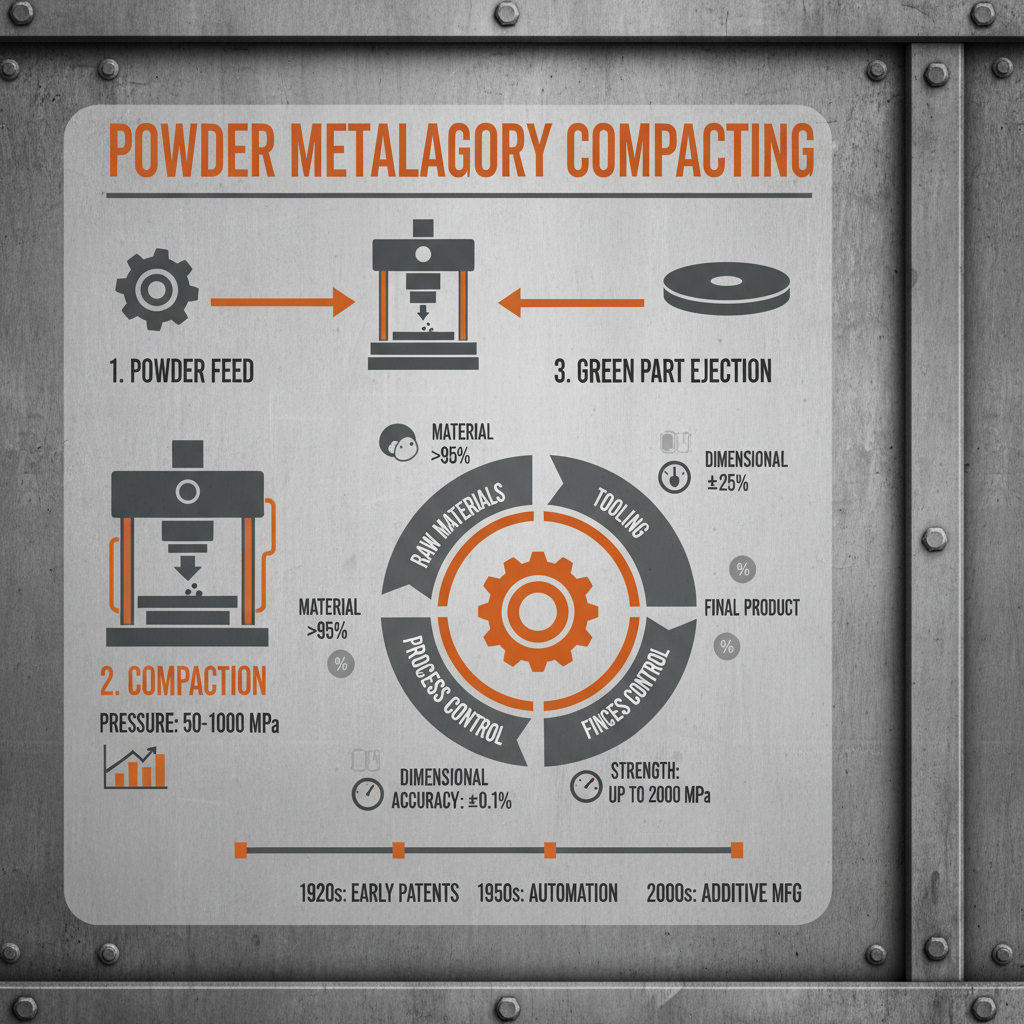


Powder metal parts represent a cornerstone of modern manufacturing, offering a versatile and cost-effective solution across a wide spectrum of industries. These components, created through the compaction and sintering of metal powders, are increasingly vital for applications demanding high precision, complex geometries, and consistent material properties. The global demand for powder metal parts is driven by advancements in automotive, aerospace, medical, and power generation sectors, pushing for lighter, stronger, and more efficient designs.
The relevance of powder metal parts extends beyond mere industrial efficiency. They play a crucial role in sustainability efforts by reducing material waste compared to traditional machining processes. Furthermore, the ability to create near-net-shape components minimizes the need for secondary operations, contributing to energy savings and lower production costs. Understanding the intricacies of powder metallurgy is therefore paramount for engineers, manufacturers, and policymakers seeking innovative and sustainable solutions.
From intricate gears in automotive transmissions to structural components in aircraft engines, powder metal parts are enabling advancements in performance and reliability. Their adaptability allows for the creation of custom alloys and tailored material properties, meeting the specific demands of an ever-evolving technological landscape. Continued research and development in powder metallurgy promises even greater innovations in material science and manufacturing processes.
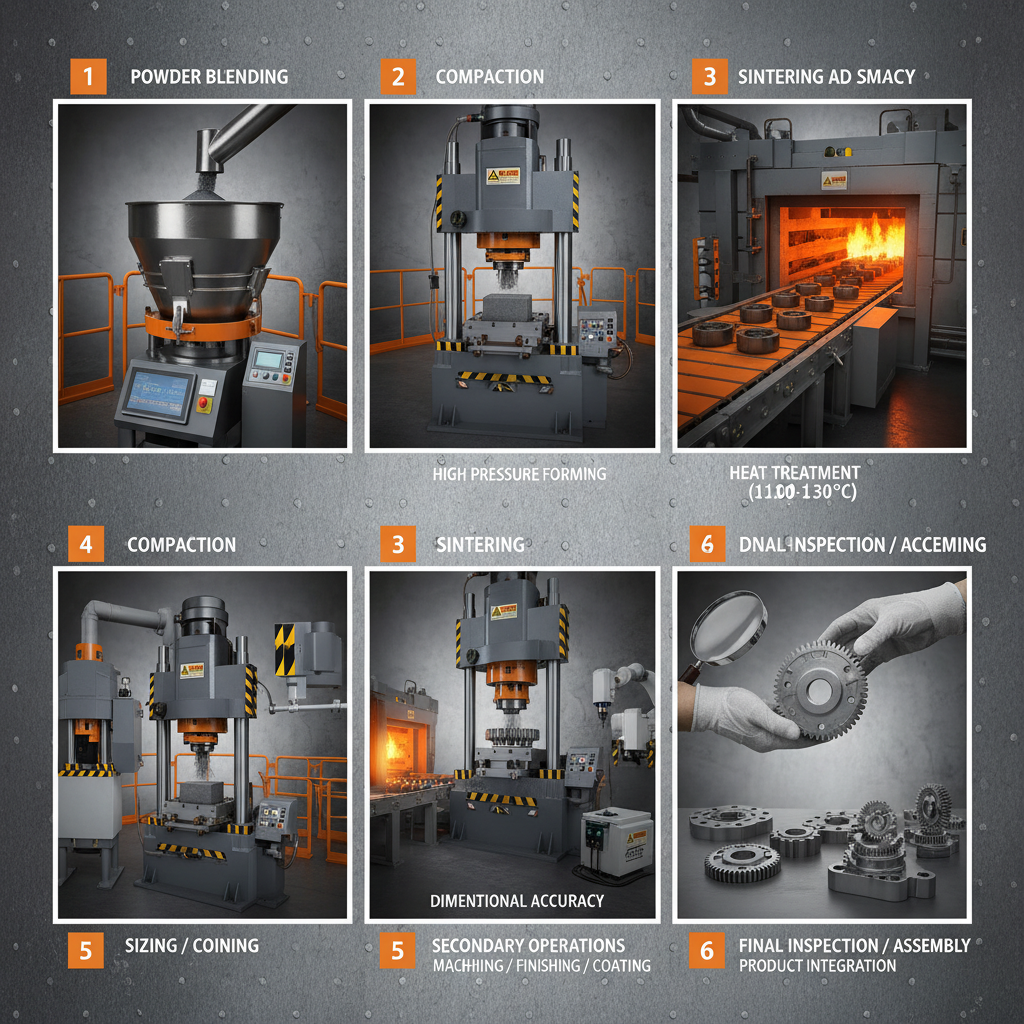
Powder metal parts are becoming increasingly crucial in industries demanding high-volume production of complex, net-shape components. Their significance lies in the ability to tailor material properties to specific application requirements, offering advantages over traditional manufacturing methods like machining and casting. This customization extends to alloy composition, porosity control, and achievable geometries, making them ideal for applications where weight reduction and performance are paramount.
The growing adoption of powder metal parts is driven by a global shift towards lightweighting, miniaturization, and increased efficiency in diverse sectors. The ability to produce intricate designs with minimal material waste aligns perfectly with sustainability goals, further enhancing their appeal. Understanding the potential of powder metallurgy is vital for businesses seeking to remain competitive in today’s dynamic market.
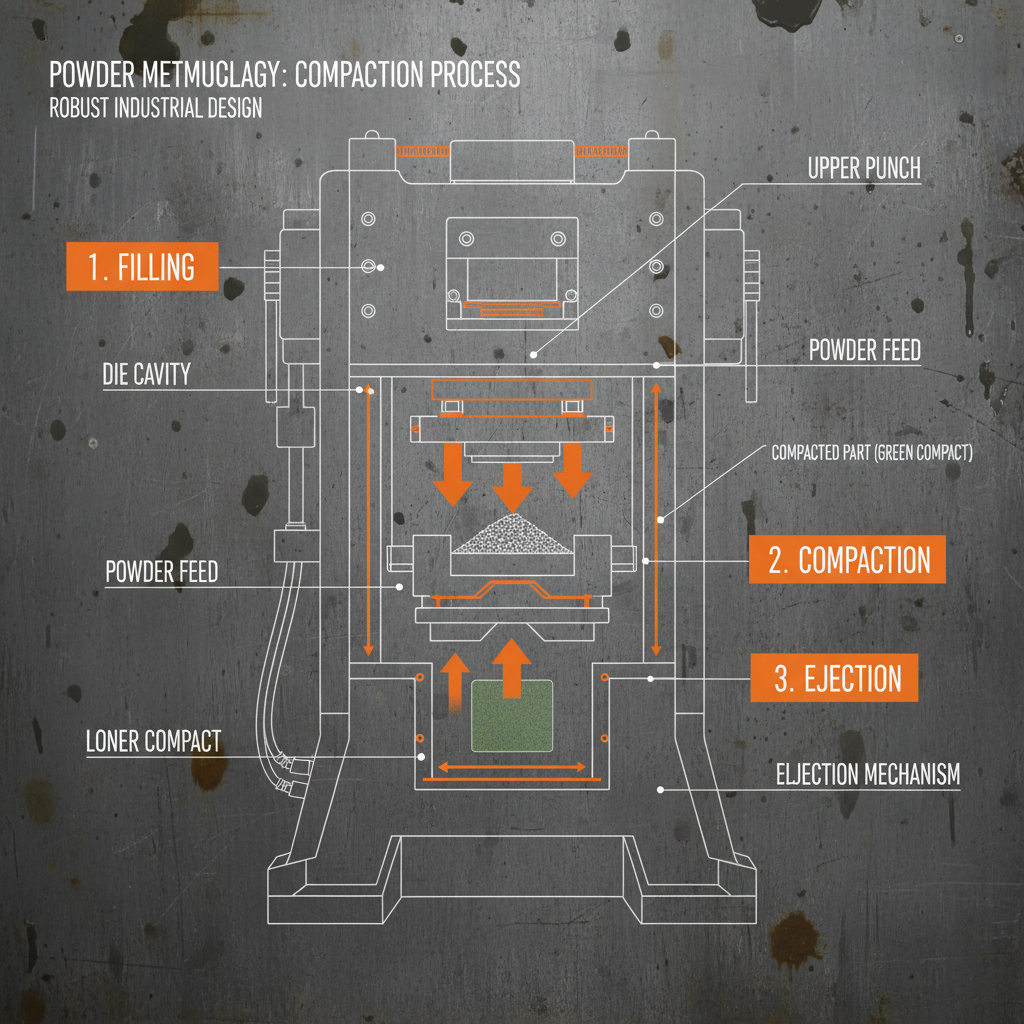
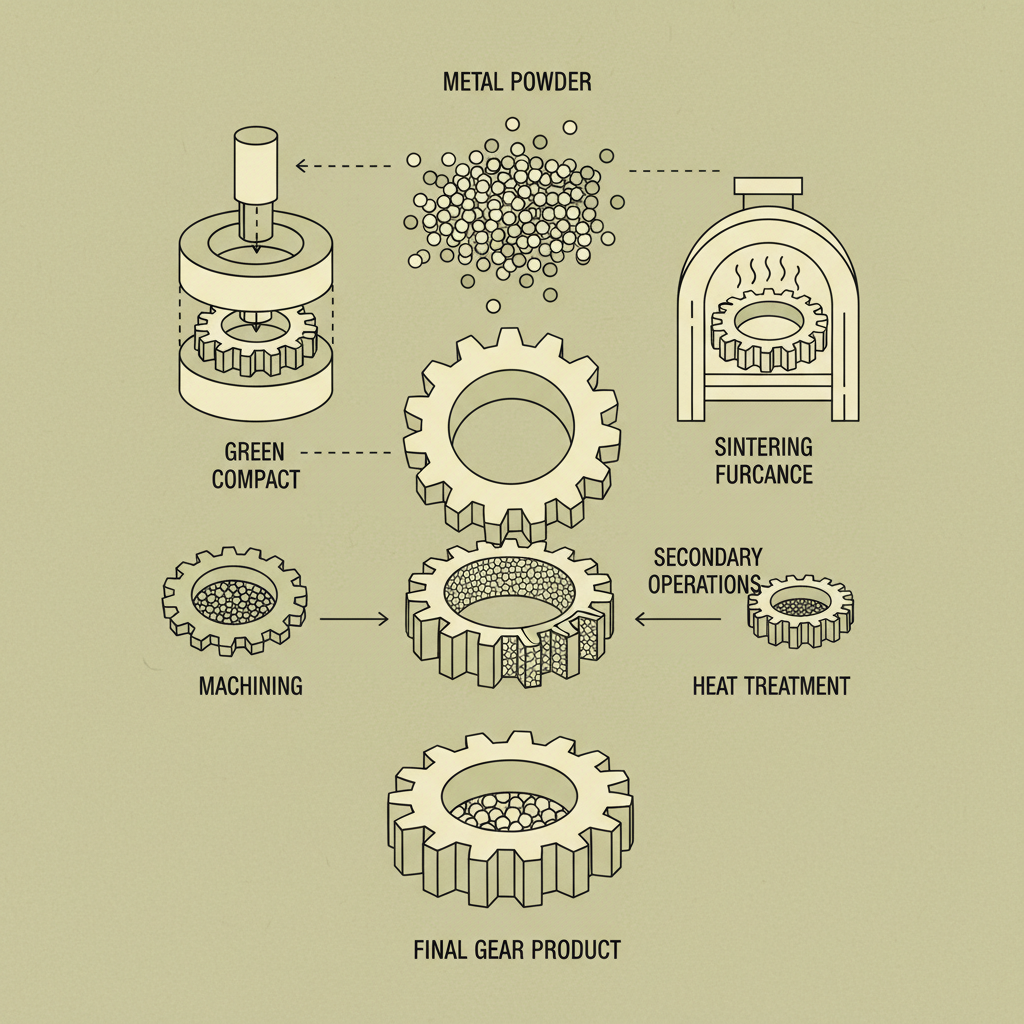
Powder metal parts, also known as sintered metal parts, are manufactured through a process called powder metallurgy (PM). This process involves compacting finely powdered metal materials into a desired shape, followed by sintering – heating the compacted part to a temperature below the melting point, causing the particles to bond together and create a solid object. The raw materials typically consist of metallic powders, often alloyed with other elements to achieve specific properties.
This technology is intimately linked to modern industrial needs, providing a cost-effective pathway to mass-produce components with complex geometries and precise tolerances. It offers an alternative to conventional manufacturing processes, particularly for parts with intricate internal features or those requiring specialized material compositions. The process is scalable, allowing for production runs ranging from prototypes to large-scale manufacturing.
The ability to create parts with controlled porosity is another defining characteristic, making powder metal parts suitable for applications like self-lubricating bearings, filters, and shock absorbers. The unique properties achievable through PM contribute to advancements in numerous fields, from automotive engineering to medical device manufacturing.
One of the key characteristics of powder metal parts is their inherent ability to achieve near-net-shape production. This minimizes the need for costly machining operations, reducing material waste and lowering overall manufacturing costs. Furthermore, powder metallurgy allows for the creation of complex geometries that would be difficult or impossible to produce using traditional methods.
Material versatility is another defining trait. Powder metallurgy can be employed with a wide range of metals, including iron, steel, aluminum, copper, nickel, and titanium alloys. This allows engineers to select the optimal material for a specific application, tailoring properties like strength, hardness, corrosion resistance, and electrical conductivity.
Control over porosity is a unique advantage. By adjusting the powder compaction and sintering parameters, manufacturers can create parts with varying levels of porosity. This is critical for applications requiring self-lubrication, filtration, or specific damping characteristics. The ability to control microstructure allows for fine-tuning of mechanical properties.
Powder metal parts offer a compelling combination of cost efficiency, design flexibility, and performance characteristics. One primary advantage is reduced material waste, as the near-net-shape manufacturing process minimizes the need for machining. This translates to lower production costs and a smaller environmental footprint.
Performance is also a significant benefit. Powder metallurgy enables the creation of parts with tailored mechanical properties, including high strength, hardness, and wear resistance. By controlling powder composition and sintering parameters, engineers can optimize parts for specific load-bearing and durability requirements.
The automotive industry is a major consumer of powder metal parts, utilizing them in gears, connecting rods, bearings, and engine components. These parts contribute to vehicle lightweighting and improved fuel efficiency. In the aerospace sector, powder metallurgy is employed to manufacture turbine blades, structural components, and engine parts, offering high strength-to-weight ratios.
Medical applications are expanding, with powder metal parts used in surgical instruments, implants, and dental devices. The ability to create biocompatible materials and intricate designs makes them well-suited for these demanding applications. Power generation equipment, including turbines and generators, also benefit from the use of powder metal parts.
The long-term benefits of utilizing powder metal parts extend beyond initial cost savings. Reduced material waste contributes to a more sustainable manufacturing process, aligning with growing environmental concerns. The ability to tailor material properties enhances product reliability and performance, leading to longer service life and reduced maintenance costs.
The value proposition of powder metal parts lies in their versatility, cost-effectiveness, and ability to meet evolving industry demands. Their adaptability makes them a crucial component in innovation across numerous sectors, driving advancements in product design and manufacturing efficiency. Investing in powder metallurgy technology offers a strategic advantage for companies seeking to remain competitive in the global marketplace.
From enhancing safety through robust components to fostering innovation in product design, powder metal parts represent a valuable solution for manufacturers across various industries. Their potential for continued development and refinement ensures their continued relevance in the years to come.
Additive manufacturing (3D printing) is increasingly integrated with powder metallurgy, opening new possibilities for creating highly complex geometries and customized parts. This combination allows for rapid prototyping and small-batch production of intricate designs. Research is also focused on developing new powder materials with enhanced properties, such as higher strength, improved corrosion resistance, and enhanced biocompatibility.
Automation and digitalization are transforming the powder metallurgy industry, streamlining processes and improving quality control. Advanced sensors and data analytics enable real-time monitoring and optimization of sintering parameters, leading to more consistent and reliable part production. Sustainable manufacturing practices are gaining prominence, with a focus on reducing energy consumption and minimizing waste.
The development of high-performance alloys tailored for powder metallurgy applications promises to unlock even greater potential. These advancements will further expand the use of powder metal parts in demanding industries like aerospace, automotive, and medical, driving innovation and creating new opportunities for manufacturers.
| Trend Category | Technology Focus | Impact on Powder Metal Parts | Implementation Timeline |
|---|---|---|---|
| Additive Manufacturing | Powder Bed Fusion, Binder Jetting | Enables complex geometries, rapid prototyping | Short-Term (1-3 years) |
| Material Development | High-Performance Alloys, Nanomaterials | Enhanced strength, corrosion resistance, and biocompatibility | Medium-Term (3-5 years) |
| Automation & Digitalization | Sensors, Data Analytics, AI | Improved quality control, process optimization | Short-Term (1-3 years) |
| Sustainability | Recycled Powders, Energy-Efficient Sintering | Reduced waste, lower carbon footprint | Medium-Term (3-5 years) |
| Process Control | Real-time Monitoring, Closed-Loop Systems | Consistent part properties, reduced defects | Short-Term (1-3 years) |
| Simulation & Modeling | Finite Element Analysis (FEA), Process Simulation | Optimized part design, reduced development time | Medium-Term (3-5 years) |
The main cost drivers in powder metal part manufacturing include the cost of the metal powder itself, tooling expenses (dies and punches), and the sintering process, which consumes significant energy. Complexity of the part geometry also influences tooling costs and production time. Efficient powder handling and recycling can help mitigate material costs, while optimizing the sintering cycle reduces energy consumption. Scale of production also plays a significant role, with larger runs generally leading to lower per-part costs.
While powder metallurgy offers numerous advantages, it has limitations compared to machining. Achieving very tight tolerances can be more challenging with PM, although advances in tooling and sintering techniques are continuously improving dimensional accuracy. Complex internal features and sharp corners can also be difficult to produce directly. Machining typically allows for greater design freedom, but often at a higher cost and with more material waste. PM is often a better choice for complex shapes with moderate tolerance requirements.
Iron-based alloys are the most commonly used materials in powder metallurgy, due to their cost-effectiveness and good mechanical properties. However, a wide range of other materials can be processed using PM techniques, including stainless steels, nickel alloys, copper alloys, titanium alloys, and even tungsten and molybdenum. The choice of material depends on the specific application requirements, such as strength, corrosion resistance, and temperature resistance.
Powder particle size is a critical factor influencing the properties of the final part. Finer powders generally lead to higher green strength (strength of the compacted part before sintering) and improved dimensional accuracy. They also promote more complete sintering and result in higher density and mechanical properties. However, finer powders are typically more expensive and can pose handling challenges. The optimal particle size distribution depends on the specific application and desired properties.
Common post-processing operations for powder metal parts include machining to achieve tighter tolerances or complex features, heat treatment to enhance mechanical properties, and surface finishing operations like coating or plating to improve corrosion resistance or aesthetics. Impregnation with oil can be used to reduce porosity and improve lubricity. These operations are often necessary to meet specific application requirements and optimize part performance.
Rigorous quality control measures are essential throughout the powder metal part manufacturing process. These include particle size analysis of the powder, green strength testing of compacted parts, dimensional inspection, density measurement, and mechanical property testing (hardness, tensile strength, fatigue life). Non-destructive testing methods, such as ultrasonic inspection and radiography, can also be used to detect internal defects. Statistical process control (SPC) is employed to monitor and optimize process parameters.
Powder metal parts represent a vital technology for modern manufacturing, offering a unique combination of cost-effectiveness, design flexibility, and performance benefits. Their ability to be tailored to specific application needs, coupled with the potential for sustainable manufacturing practices, positions them as a key component in a wide range of industries. The continuous advancements in materials, processes, and automation ensure their continued relevance and growth.
Looking ahead, the integration of additive manufacturing with powder metallurgy promises to unlock even greater design possibilities and accelerate innovation. Embracing these technologies and investing in research and development will be crucial for companies seeking to leverage the full potential of powder metal parts and maintain a competitive edge in the evolving global marketplace.
PRODUCTS
CONTACT US
Address:TIANSHAN INTERNATIONAL MANUFACTURING INDUSTRY PARK NO.57, YUANSHI, SHIJIAZHUANG CITY, HEBEI PROVINCE, CHINA
If you are interested in our products, you can choose to leave your information here, and we will be in touch with you shortly.