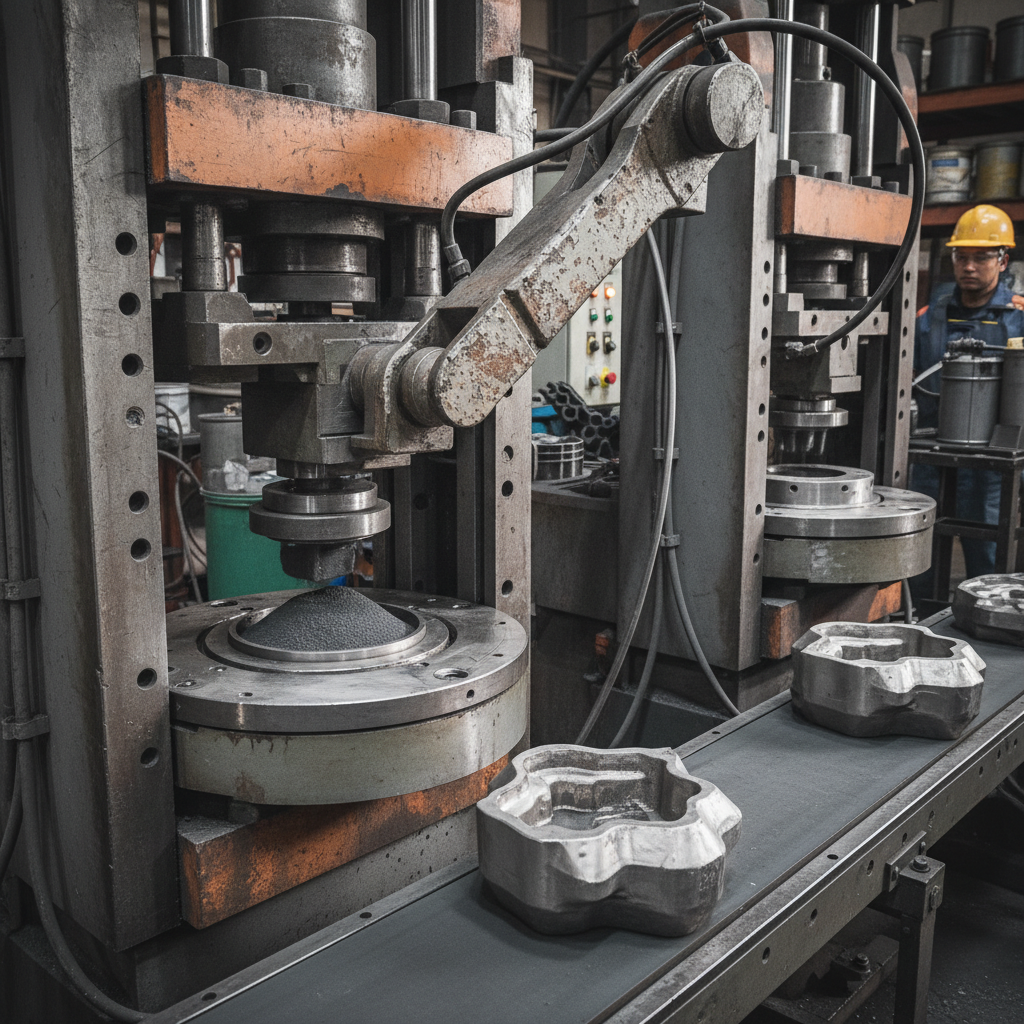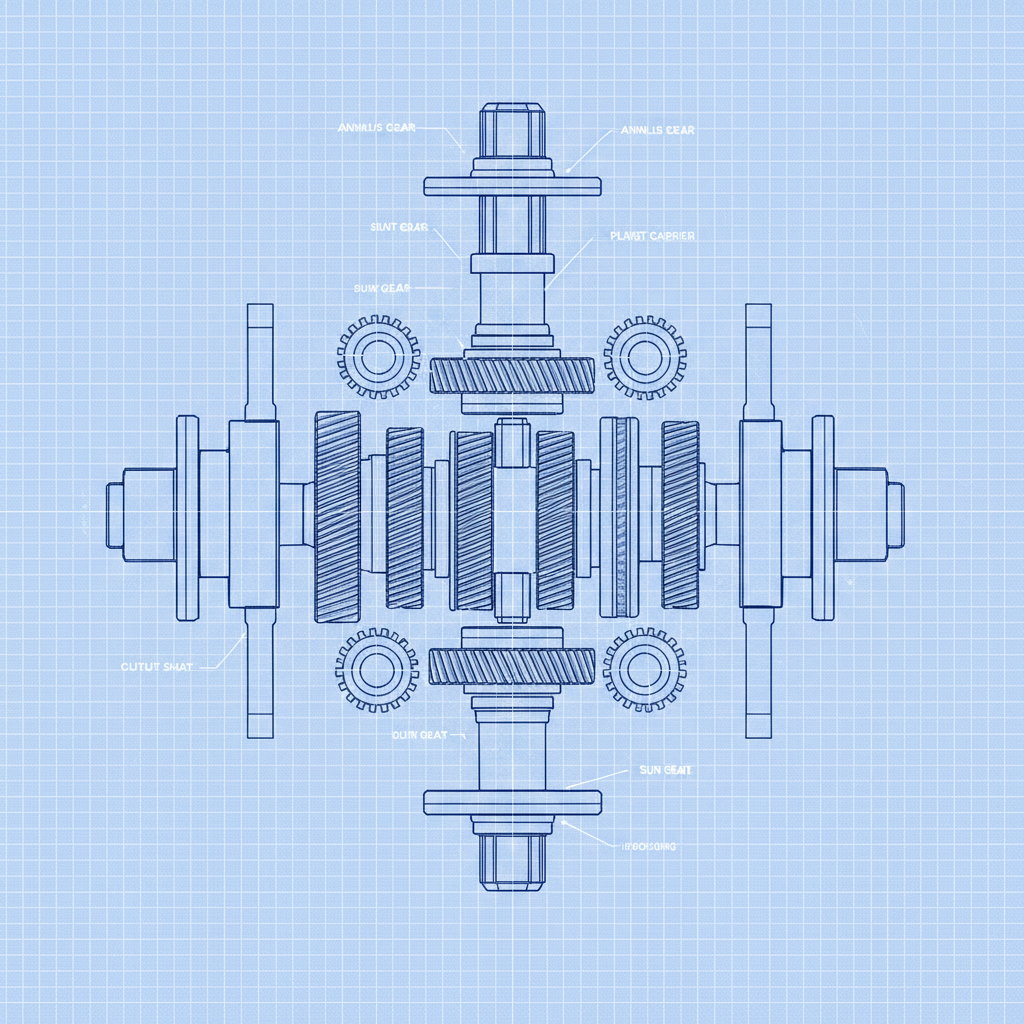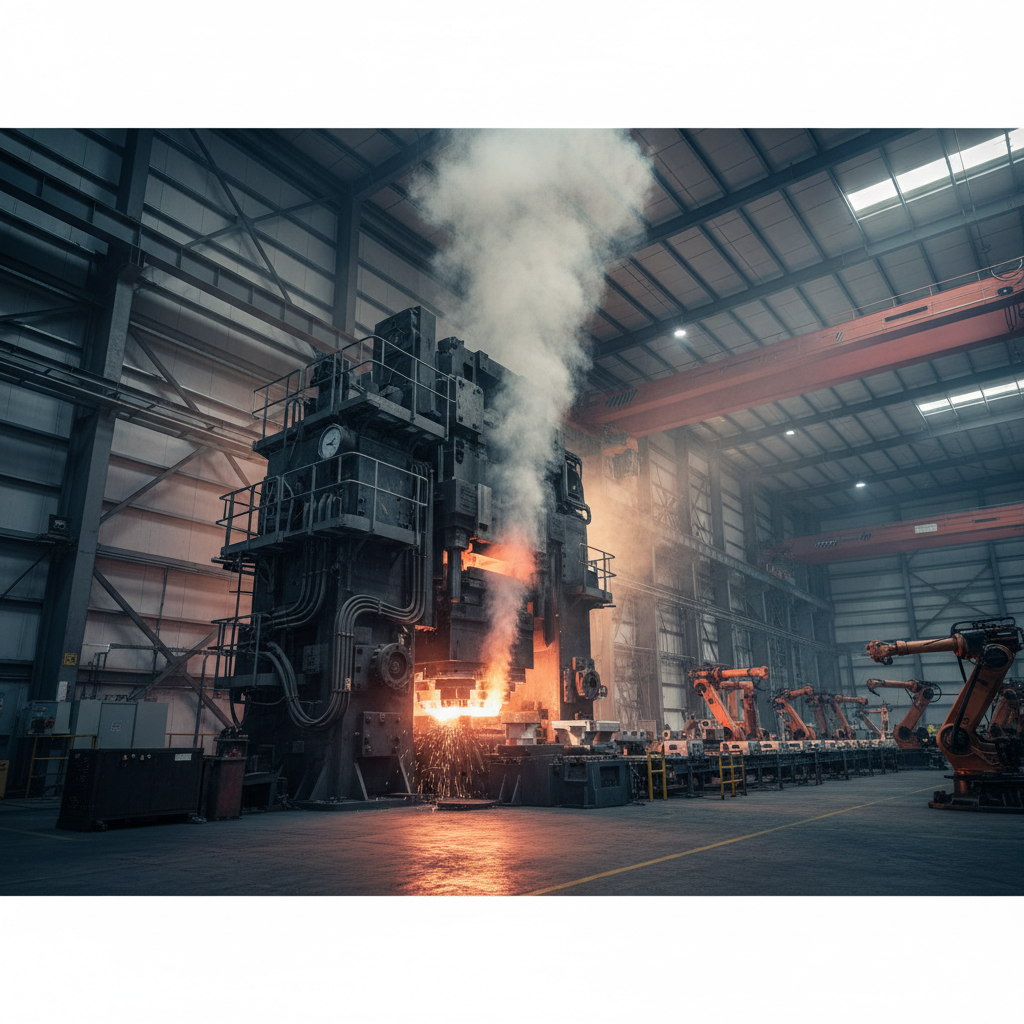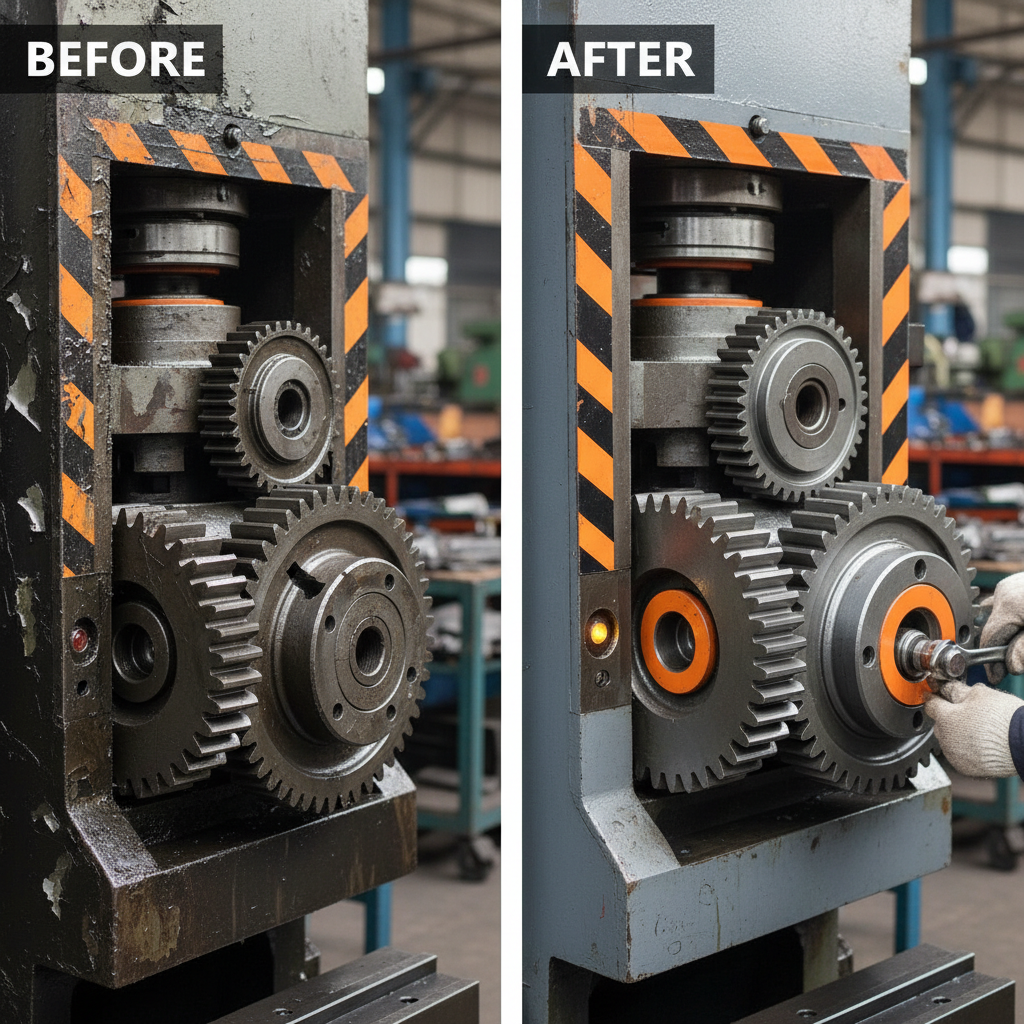





Powder metal connecting rods are increasingly crucial components in modern engine technology, offering a compelling combination of strength, precision, and cost-effectiveness. Their production involves compacting metal powders into desired shapes, followed by sintering – a process that bonds the particles together. This method allows for complex geometries and tight tolerances, vital for optimal engine performance. The application of powder metallurgy isn’t limited to automotive; it's extending into aerospace, industrial machinery, and even high-performance racing applications.
The global demand for efficient and reliable engine components is driving the growth of the powder metal connecting rods market. According to industry reports, the powder metallurgy market is projected to reach significant values in the coming years, with connecting rods representing a substantial portion of this growth. This demand is fueled by increasingly stringent emission standards, the need for lightweighting in vehicles, and the ongoing pursuit of improved engine efficiency. This increasing adoption translates to a more resilient and scalable supply chain.
Understanding the principles behind powder metal connecting rods is essential for engineers, manufacturers, and anyone involved in the design and production of internal combustion engines. Their unique properties and manufacturing process provide distinct advantages over traditional forging or casting methods, leading to advancements in engine performance and durability. Proper implementation of powder metal technology addresses many of the challenges facing the automotive and engineering industries.
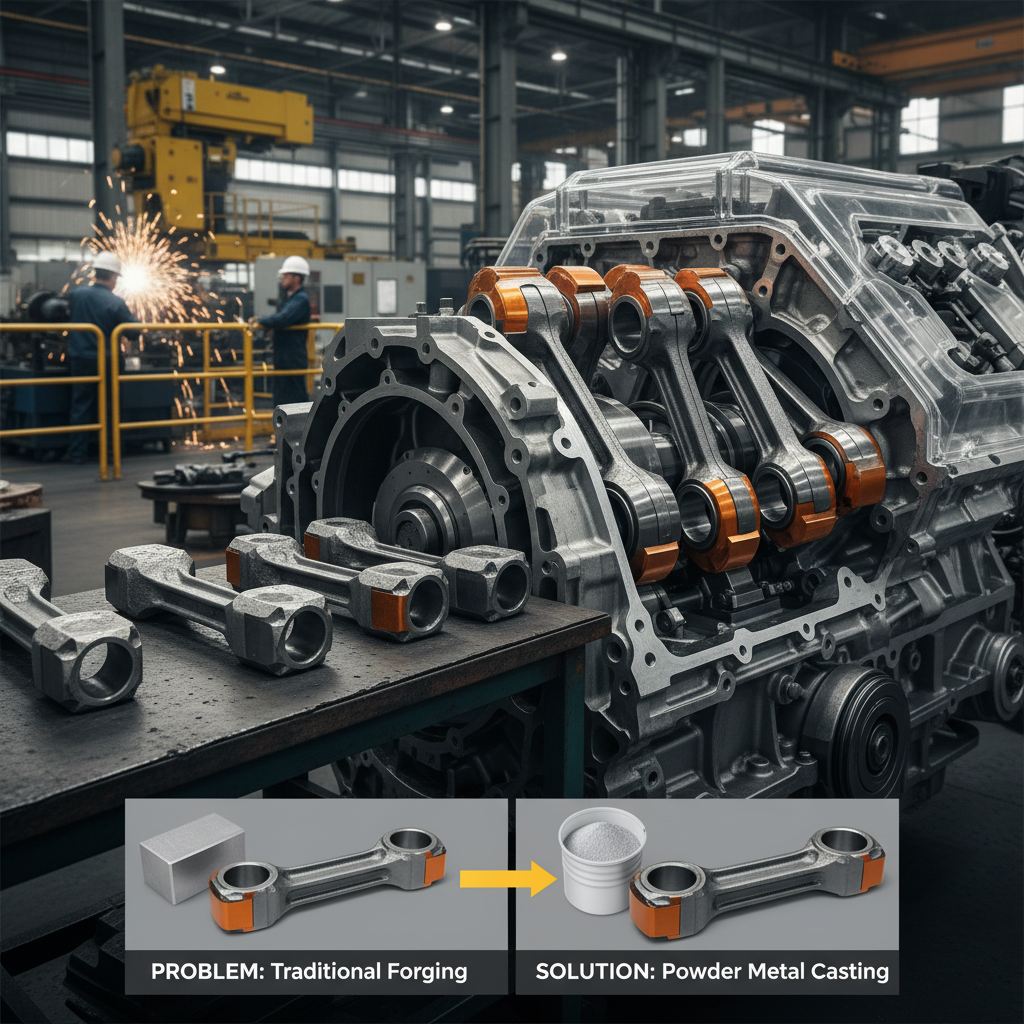
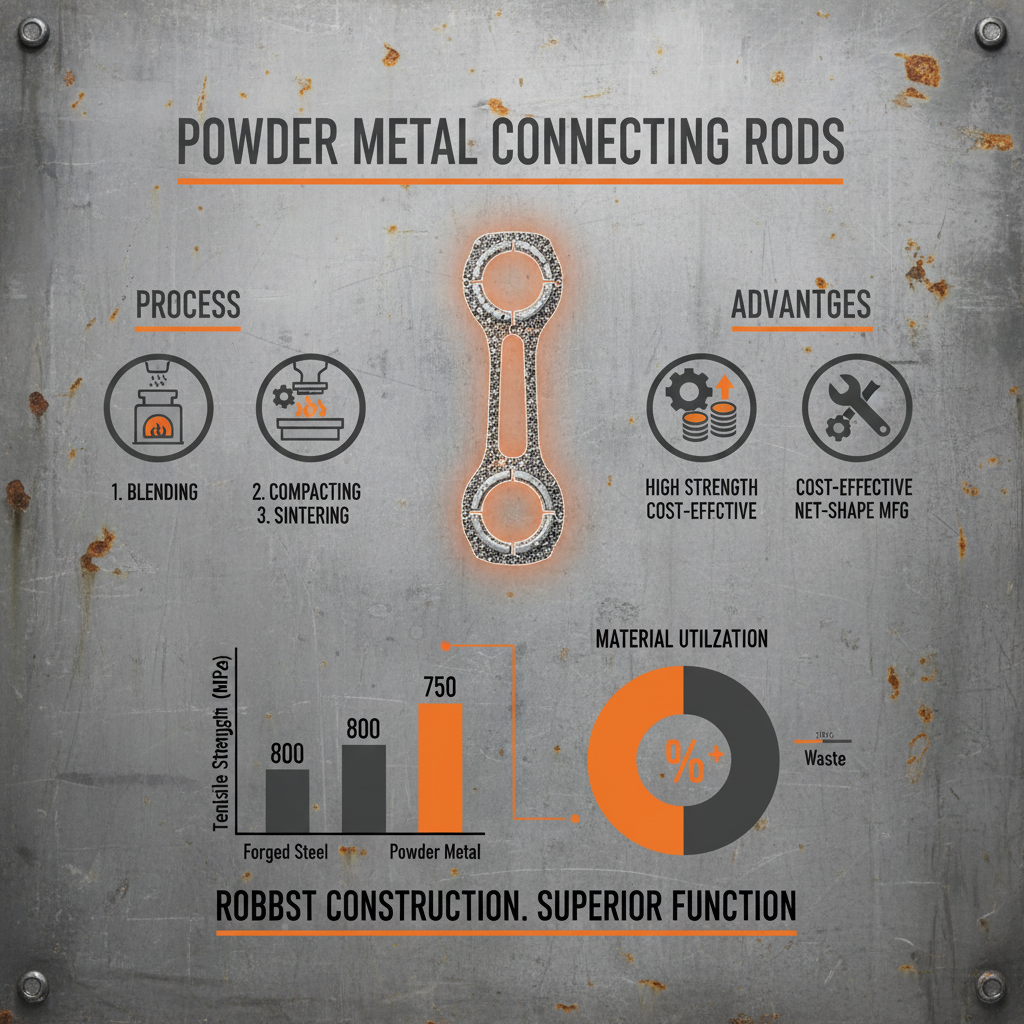
Powder metal connecting rods represent a significant advancement in materials science and manufacturing techniques. The process allows for the creation of parts with exceptional material density and controlled porosity, leading to superior mechanical properties compared to traditional methods. This is especially crucial in high-stress applications where component failure could have catastrophic consequences.
The advantages of using powder metal connecting rods extend beyond purely mechanical aspects. The process lends itself to near-net-shape manufacturing, reducing material waste and machining costs. This results in a more sustainable and economically viable production process. The inherent versatility of powder metallurgy also allows for the incorporation of specialized alloys and features tailored to specific application requirements.
Powder metal connecting rods offer several advantages over forged connecting rods, including lower material cost, near-net-shape manufacturing (reducing machining), improved material properties through alloy control, and the ability to create complex geometries. They often offer comparable strength and fatigue life, particularly for applications where weight reduction is a key concern. PM allows for tailored material properties to meet specific engine requirements.
The sintering process is crucial as it bonds the metal powder particles together, creating a solid and dense component. The sintering temperature, atmosphere, and duration significantly impact the final density, strength, hardness, and ductility of the connecting rod. Proper sintering controls the grain size and microstructure, leading to optimized mechanical properties and dimensional accuracy.
While traditionally dominated by forged steel, powder metal connecting rods are increasingly finding application in high-performance racing, particularly in motorsports where weight reduction is paramount. Advanced powder metallurgy techniques and alloy compositions can produce connecting rods with sufficient strength and fatigue life for racing conditions. Careful design and testing are essential to ensure reliability.
Producing larger powder metal components like connecting rods can present challenges related to achieving uniform density throughout the part, especially in areas with complex geometry. Controlling shrinkage during sintering and preventing distortion are also critical. Hot Isostatic Pressing (HIP) is often employed to address porosity and improve overall mechanical properties in larger components.
Powder metallurgy is a relatively sustainable manufacturing process due to its near-net-shape capabilities, which minimize material waste. It also consumes less energy compared to traditional forging or machining processes. Furthermore, powder metallurgy facilitates the use of recycled materials, reducing the environmental impact of production.
Rigorous quality control measures are implemented throughout the powder metal connecting rod manufacturing process. This includes powder characterization, green compact density checks, sintering process monitoring, dimensional inspection, non-destructive testing (NDT) such as ultrasonic testing, and mechanical testing to verify strength and fatigue life. These measures ensure consistent quality and reliability.
Powder metal connecting rods represent a powerful combination of engineering innovation and manufacturing efficiency. They offer a compelling alternative to traditional methods, delivering significant advantages in cost, weight reduction, material utilization, and design flexibility. Their ability to address challenges in engine performance, emissions reduction, and sustainability makes them increasingly valuable across a diverse range of industries.
Looking ahead, continued advancements in powder metallurgy, coupled with the integration of digital technologies, will unlock even greater potential for powder metal connecting rods. Further research and development focused on advanced materials, optimized processing techniques, and scalable manufacturing processes will solidify their position as a critical component in the future of engine technology. For more information, and to explore our range of powder metal connecting rod solutions, please visit our website: www.jssintering.com.


Shijiazhuang JingShi New Material Science and Technology Co., Ltd was founded since 2014, located in Shijiazhuang, Hebei province, China. The company covers an area of over 10,000 square meters and has


PRODUCTS

CONTACT US
Address:TIANSHAN INTERNATIONAL MANUFACTURING INDUSTRY PARK NO.57, YUANSHI, SHIJIAZHUANG CITY, HEBEI PROVINCE, CHINA
Address:TIANSHAN INTERNATIONAL MANUFACTURING INDUSTRY PARK NO.57, YUANSHI, SHIJIAZHUANG CITY, HEBEI PROVINCE, CHINA