

WeChat.png
sintered metal parts
email.png
whatsapp.png
top.png
0%

Table of Contents

Powder metal forging represents a cornerstone of modern manufacturing, offering a unique blend of precision, cost-effectiveness, and material versatility. This process, involving the compaction and sintering of metal powders, allows for the creation of complex shapes with minimal material waste, making it a crucial technique across numerous industries. Understanding the nuances of powder metal forging is becoming increasingly important as demands for high-performance components and sustainable manufacturing practices continue to rise.

Globally, powder metal forging plays a significant role in supporting critical sectors like automotive, aerospace, and medical device manufacturing. The market is experiencing steady growth, driven by factors such as increasing automotive production, advancements in materials science, and the need for lightweight components to improve fuel efficiency. According to industry reports, the global powder metallurgy market is projected to reach substantial figures in the coming years, underlining its economic importance.

However, challenges remain in optimizing the process for specific applications and addressing concerns about material properties and scalability. Efficient powder metal forging solutions can contribute to reducing reliance on traditional manufacturing methods, which often generate more waste and consume more energy. The process is therefore not just a manufacturing technique, but a pathway towards greater industrial sustainability.
Exploring the Advantages of Powder Metal Forging in Modern Manufacturing

Introduction to powder metal forging

Exploring the Advantages of Powder Metal Forging in Modern Manufacturing

Powder metal forging isn’t merely a manufacturing technique; it’s a problem solver. Industries needing intricate geometries, high production volumes, and tailored material properties consistently turn to this method. The ability to achieve near-net-shape components significantly reduces machining costs and material waste, impacting bottom lines and environmental footprints alike.

The process offers a unique level of control over material composition and microstructure. This allows engineers to design and create parts with specific mechanical characteristics – high strength, wear resistance, or magnetic properties – that might be difficult or impossible to achieve through conventional forging methods. powder metal forging is becoming increasingly important.

Defining powder metal forging

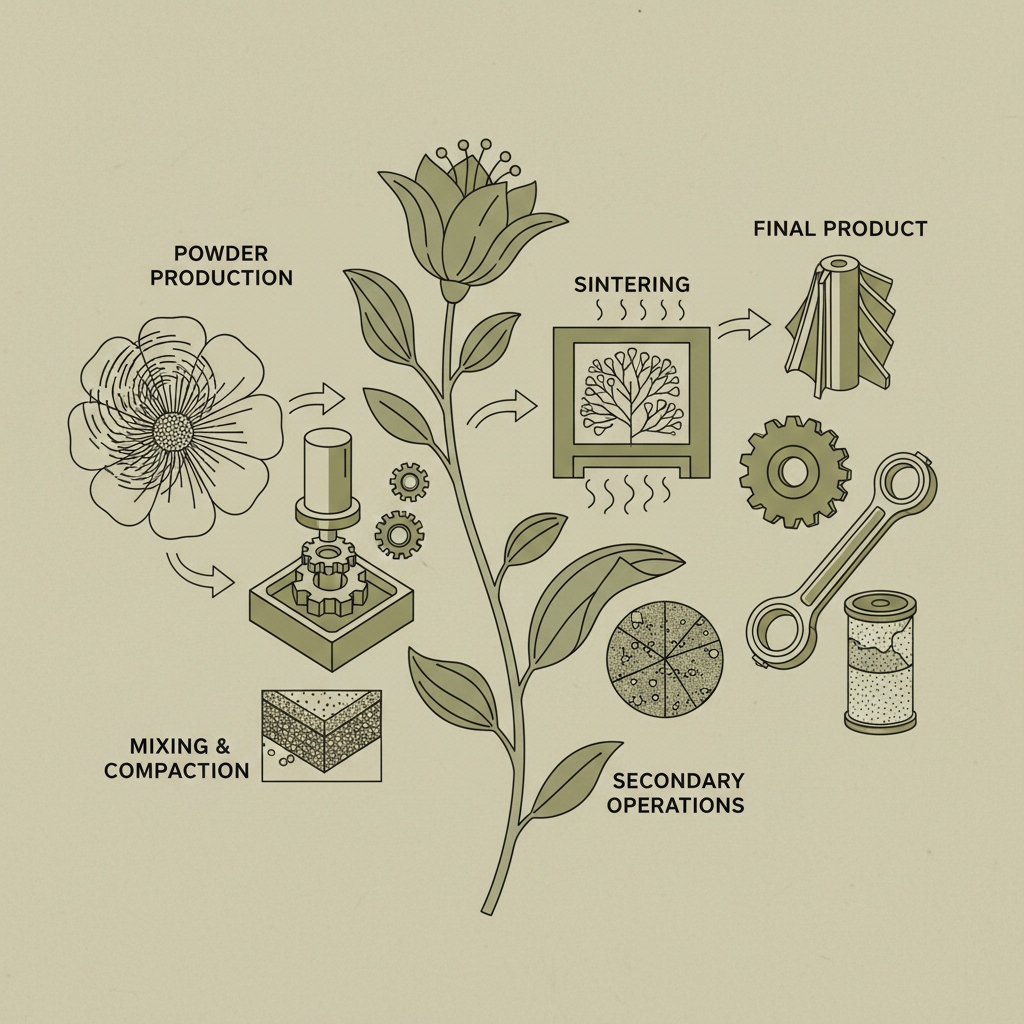
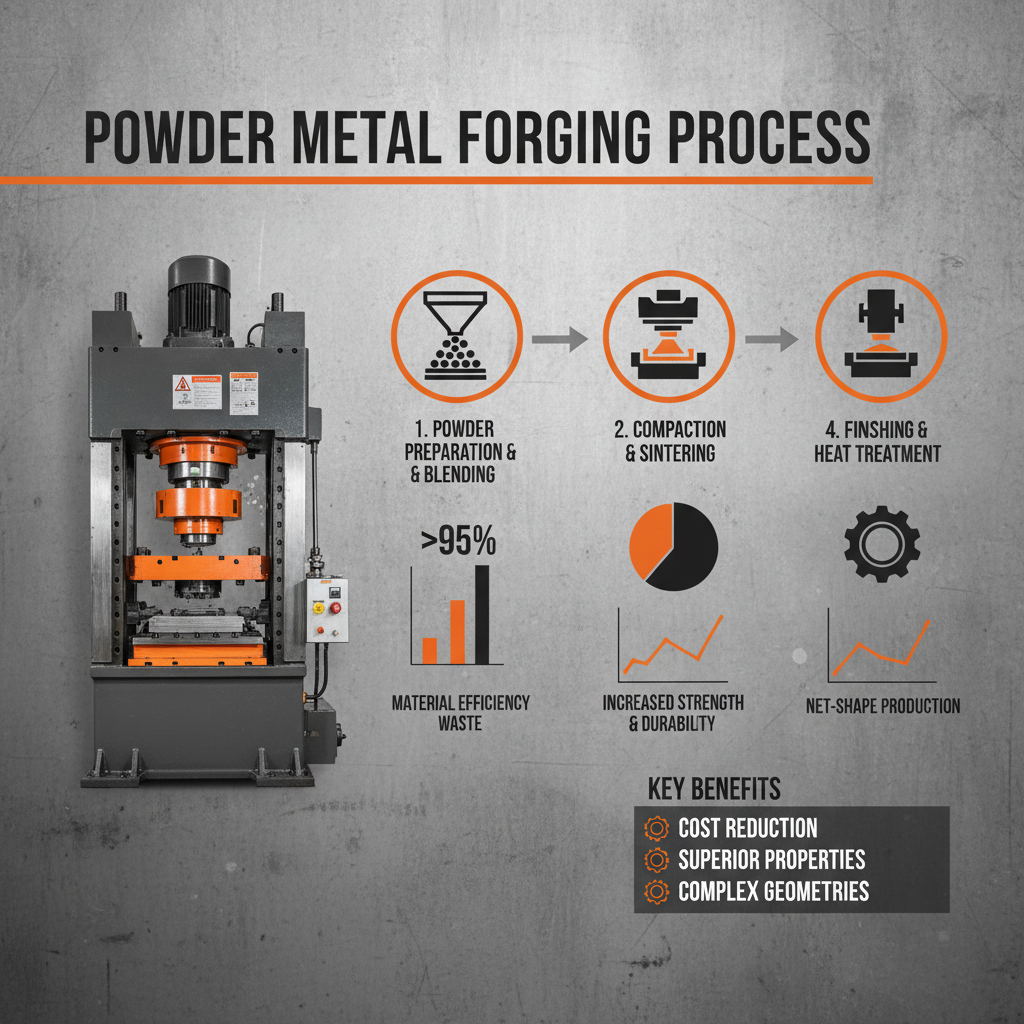
At its core, powder metal forging involves compressing finely divided metal powders into a desired shape, then heating the compressed form (the “green compact”) in a controlled atmosphere to a temperature below the material's melting point – a process called sintering. This sintering process fuses the powder particles together, creating a solid, cohesive component.

Unlike traditional forging, which relies on shaping solid metal billets, powder metal forging allows for the creation of complex geometries and internal features with relative ease. This is because the powder can flow into intricate molds and be compacted uniformly, even in areas that would be difficult to reach with conventional forging tools.

The connection to modern industry and humanitarian needs is profound. From automotive components demanding high precision to medical implants requiring biocompatibility and intricate designs, powder metal forging delivers solutions where conventional methods fall short. It addresses the need for lightweighting in transportation, improved efficiency in energy production, and tailored solutions in healthcare.

Core Components of powder metal forging

Durability is a cornerstone of powder metal forging. The sintering process creates a dense, homogenous material with excellent mechanical properties. Components produced through this method exhibit high strength-to-weight ratios and can withstand demanding operating conditions. The microstructure achieved allows for controlled porosity, crucial for applications like self-lubricating bearings.

Scalability represents another crucial advantage. Powder metal forging is ideally suited for high-volume production runs. Automated compaction and sintering processes allow for consistent part quality and rapid throughput, making it economically viable for large-scale manufacturing. This is particularly relevant in industries like automotive where millions of identical components are required annually.

Cost efficiency arises from minimal material waste and reduced machining requirements. Near-net-shape capabilities mean less material is removed during finishing operations, saving both time and money. Furthermore, the versatility of powder metallurgy allows for the use of less expensive alloys without compromising performance. Material selection plays a key role here.

Applications of powder metal forging

Powder metal forging finds extensive application within the automotive industry, where it’s used to produce gears, connecting rods, and engine components. These parts benefit from the process’s ability to create complex shapes with high strength and wear resistance, contributing to improved fuel efficiency and vehicle performance.

The aerospace sector also leverages powder metal forging for critical components like turbine blades and structural parts. The lightweight nature and high strength-to-weight ratio of powder metal forged components are essential for reducing aircraft weight and improving fuel consumption. The process allows for the creation of intricate internal cooling channels within turbine blades.

In medical device manufacturing, powder metal forging facilitates the production of biocompatible implants and surgical instruments. The ability to precisely control the material composition and porosity is crucial for ensuring proper tissue integration and functionality. For instance, porous coatings can be created to promote bone ingrowth onto implants.

Powder Metal Forging Application Breakdown


Advantages and Long-Term Value

The tangible benefits of powder metal forging extend beyond cost savings and efficiency gains. The reduced material waste contributes to more sustainable manufacturing practices, aligning with growing environmental concerns. This makes it a responsible choice for companies prioritizing corporate social responsibility.

From a social impact perspective, the ability to produce components with tailored properties opens up opportunities for innovation in fields like assistive technology and personalized medicine. The inherent reliability of the process fosters trust in the products manufactured, ensuring safety and performance in critical applications.

Future Trends in powder metal forging

Additive manufacturing, or 3D printing, is increasingly being integrated with powder metal forging. This hybrid approach allows for the creation of even more complex geometries and customized components, blurring the lines between traditional manufacturing and additive processes.

Advancements in powder metallurgy materials, such as high-performance alloys and composite powders, are expanding the range of applications for powder metal forging. These new materials offer improved strength, wear resistance, and corrosion resistance, opening up opportunities in demanding environments.

Digital transformation and automation are playing a crucial role in optimizing powder metal forging processes. Real-time monitoring, data analytics, and closed-loop control systems are enabling manufacturers to achieve greater precision, consistency, and efficiency.

Challenges and Solutions

One common challenge in powder metal forging is achieving consistent density and minimizing porosity, particularly in complex geometries. This can be addressed through optimized powder compaction techniques, controlled sintering atmospheres, and post-processing operations like hot isostatic pressing (HIP).

Material costs can also be a concern, especially when using specialized alloys. Exploring alternative materials, optimizing powder usage, and implementing recycling programs can help mitigate these costs. Furthermore, research into new powder production methods can lower material expenses.

Scaling up production while maintaining quality control requires careful process monitoring and automated inspection systems. Investing in advanced sensors, data analytics, and machine learning algorithms can enable manufacturers to detect and correct deviations from desired parameters in real-time.

Challenges and Solutions in Powder Metal Forging

Challenge Impact on Process Proposed Solution Implementation Difficulty (1-10)
Porosity in Compacted Parts Reduced Mechanical Strength Hot Isostatic Pressing (HIP) 7
Material Cost Increased Production Costs Powder Recycling Programs 5
Tooling Wear Reduced Tool Life & Accuracy Advanced Tooling Materials 6
Dimensional Control Parts Outside Tolerance Real-time Process Monitoring 8
Sintering Atmosphere Control Oxidation and Surface Degradation Precise Gas Control Systems 9
Scalability of Production Difficulty Meeting Demand Automated Production Lines 7

FAQS

What are the primary advantages of powder metal forging over traditional machining?

Powder metal forging offers several advantages, including reduced material waste through near-net-shape manufacturing, the ability to create complex geometries, improved material properties via controlled composition, and lower overall production costs, especially for high-volume runs. It also allows for tailoring material characteristics that may be difficult to achieve with traditional methods. powder metal forging can offer material flexibility.

What types of metals are commonly used in powder metal forging?

A wide range of metals can be used, including iron, steel, stainless steel, aluminum, copper, nickel, and titanium. Alloy powders are also frequently employed to achieve specific properties. The selection depends on the application's requirements for strength, corrosion resistance, and other critical characteristics. The process is compatible with numerous alloys.

What is the typical lifespan of components produced through powder metal forging?

The lifespan is heavily dependent on the material used, the operating environment, and the specific application. However, powder metal forged components generally exhibit excellent durability and can often match or exceed the lifespan of components produced by other manufacturing methods, especially when proper design and material selection are employed.

How does powder metal forging compare to other powder metallurgy processes, such as metal injection molding (MIM)?

While both are powder metallurgy processes, they differ in complexity and cost. Powder metal forging typically handles larger, simpler parts with higher production volumes. MIM is better suited for intricate, small components with tight tolerances, but is generally more expensive. They each address different market needs.

Are there any limitations to the size or shape of parts that can be produced?

There are practical limitations, particularly with very large or extremely complex shapes. However, advancements in compaction techniques and tooling design are continually expanding the boundaries of what's achievable. The size is constrained by press capacity, and complex shapes require sophisticated tooling.

What are the environmental benefits of powder metal forging?

Powder metal forging generates significantly less material waste compared to machining, reducing resource consumption. It also allows for the use of recycled materials, further minimizing its environmental impact. The process often requires less energy than traditional forging methods. powder metal forging contributes to sustainable manufacturing.

Conclusion

Powder metal forging stands as a vital manufacturing process, offering a unique combination of precision, scalability, and cost-effectiveness. Its ability to create complex components with tailored material properties makes it indispensable across a wide range of industries, from automotive and aerospace to medical devices and beyond. As sustainability concerns grow and demands for high-performance parts increase, the importance of powder metal forging will only continue to rise.

Looking ahead, continued innovation in materials, automation, and process control will unlock even greater potential for this technology. Investing in research and development, embracing digital transformation, and fostering collaboration between industry and academia are crucial steps to ensure that powder metal forging remains at the forefront of manufacturing innovation. Visit our website at www.jssintering.com to learn more about how we can help you leverage the power of powder metal forging.
David Miller

David Miller

David Miller is the Head of Engineering at Shijiazhuang JingShi New Material Science and Technology Co., Ltd. He brings over 15 years of experience in powder metallurgy and materials science. David oversees all aspects of OEM part development, from initial design consultation to final production. He is a key driver
Previous Exploring the Advantages of Powder Metal Forming for Modern Manufacturing
Next Advancements in Powder Metal Connecting Rods for Engine Performance and Efficiency

If you are interested in our products, you can choose to leave your information here, and we will be in touch with you shortly.