

WeChat.png
sintered metal parts
email.png
whatsapp.png
top.png
0%

Table of Contents

Powder metal components are rapidly becoming integral to modern manufacturing across a diverse range of industries. This technology, involving the compaction and sintering of metal powders, offers unique advantages in terms of design flexibility, material utilization, and cost-effectiveness, pushing the boundaries of what’s possible in component creation. Understanding its nuances is crucial for engineers, designers, and businesses looking to optimize their production processes and innovate within their respective fields.

The global demand for powder metal components is driven by increasing automation, the need for lightweight materials in transportation, and the growing complexity of industrial machinery. Statistics from the Metal Powder Industries Federation (MPIF) show consistent growth in the powder metallurgy market, with a projected compound annual growth rate (CAGR) of around 5% over the next decade. This underlines the increasing importance of this manufacturing process.

These components address a critical need for efficient, reliable, and cost-effective production solutions in a world demanding both high performance and resource conservation. From automotive parts to medical implants, powder metal technology is enabling innovation and offering solutions to challenges faced by diverse sectors globally.
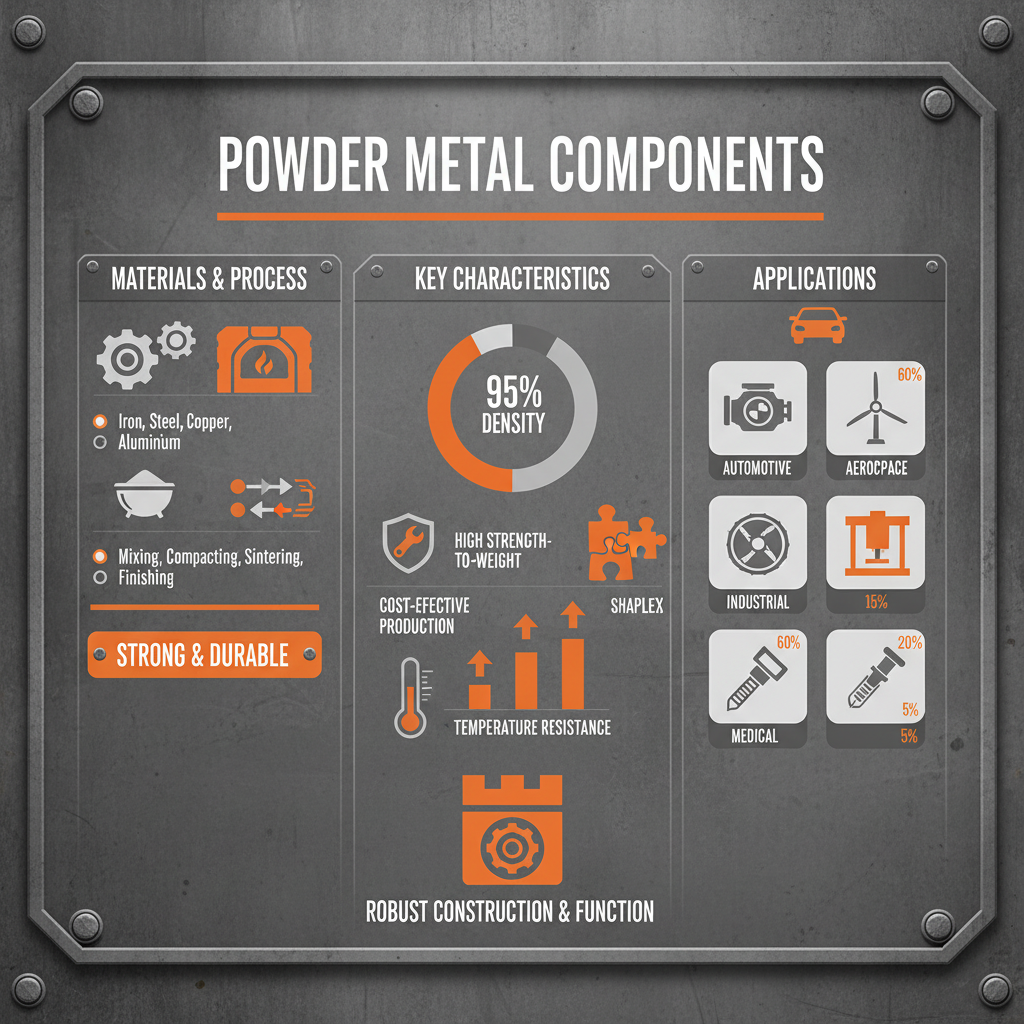
Exploring the Versatility and Growth of Powder Metal Components Manufacturing

Introduction to Powder Metal Components

Exploring the Versatility and Growth of Powder Metal Components Manufacturing

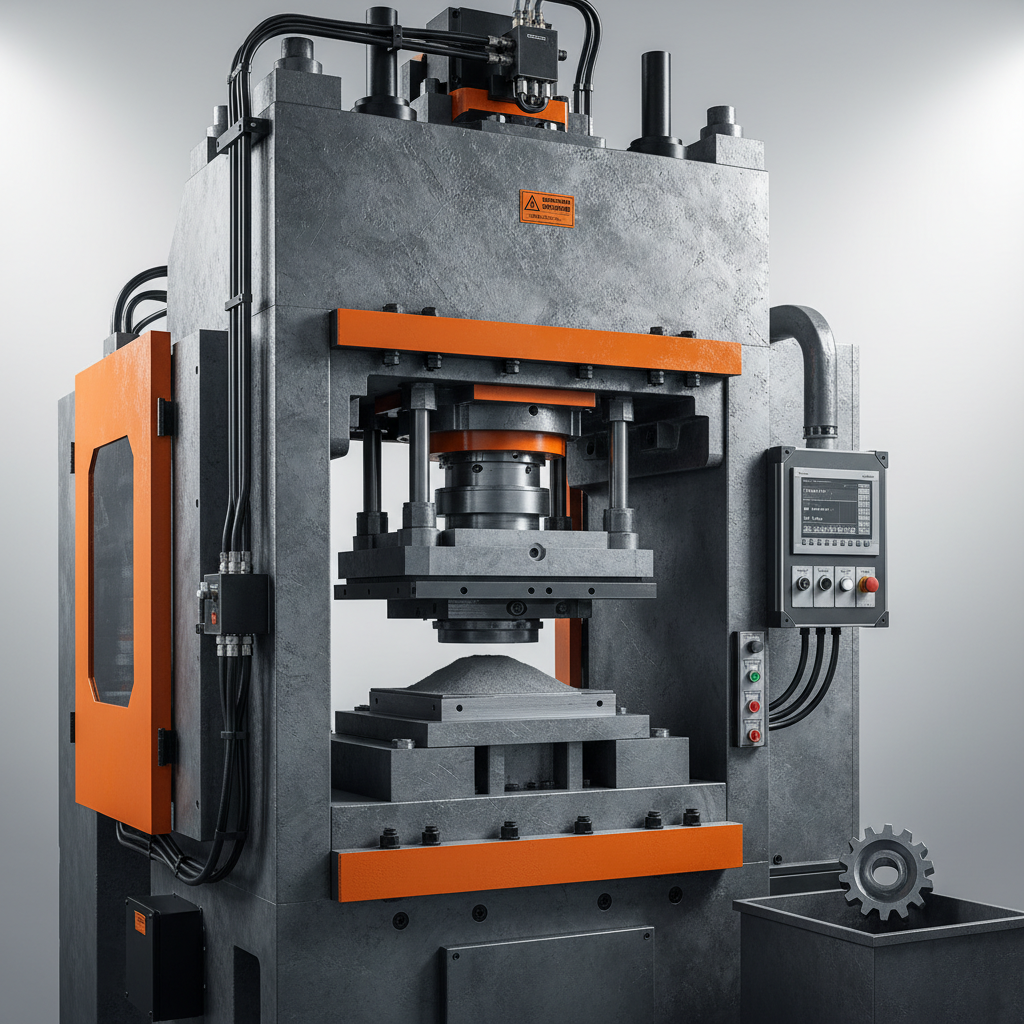
Powder metal components offer a unique blend of properties, making them essential in a growing number of applications. The process typically involves compressing fine metal powders into a desired shape (green compacting) and then heating it to a high temperature (sintering) to bond the particles together. This allows for the creation of complex geometries with minimal material waste.

This technology provides a cost-effective alternative to traditional manufacturing methods like machining and casting, particularly for high-volume production runs. The ability to control the composition and microstructure of the material allows for tailored properties, maximizing performance and minimizing costs. powder metal components are driving innovation in diverse sectors.

Defining Powder Metal Components

Powder metal components are created from metallic powders that are consolidated through compaction and sintering. Unlike traditional metal forming where material is removed (subtractive manufacturing), powder metallurgy (PM) is an additive process, utilizing virtually 100% of the material. This minimizes waste and makes it an environmentally friendly option.

The process isn’t limited to simple shapes. Modern PM techniques, including metal injection molding (MIM) and additive manufacturing (3D printing of metals), can produce incredibly complex parts with intricate designs. This versatility makes powder metal components suitable for a wide array of industries.

This technology directly addresses the growing demand for optimized material usage and cost-effective production. Its relevance extends to humanitarian needs, enabling the creation of affordable and durable components for essential equipment in resource-constrained environments.

Key Characteristics of Powder Metal Components

Durability is a significant advantage of powder metal components. The sintering process creates a dense, homogenous material with excellent mechanical properties, including high tensile strength and fatigue resistance. This makes them ideal for demanding applications where reliability is paramount.

Scalability is another crucial benefit. Powder metal processes are easily adapted for both small-batch prototyping and high-volume production runs. This allows companies to quickly respond to changing market demands and optimize their manufacturing operations. The low tooling costs associated with PM contribute to its scalability.

Cost efficiency is inherent in the powder metal process. Minimizing material waste, reducing machining requirements, and automating production lines all contribute to lower manufacturing costs. Compared to traditional methods, powder metallurgy often provides a more economical solution, especially for complex parts.

Applications of Powder Metal Components

Powder metal components find widespread application in the automotive industry, including gears, bearings, and engine components. Their high strength, wear resistance, and ability to operate in harsh environments make them ideally suited for these critical applications.

Aerospace utilizes powder metal components for lightweight structural parts, turbine blades, and fuel nozzles, benefiting from the technology’s ability to create complex geometries and precise tolerances. Reducing weight in aircraft significantly improves fuel efficiency.

Powder Metal Component Application Distribution


Advantages and Long-Term Value

The tangible benefits of powder metal components extend beyond cost savings. Their inherent design flexibility allows for optimized component performance, resulting in increased efficiency and reduced energy consumption. This contributes to a more sustainable manufacturing process.

The long-term reliability and durability of these components lead to reduced maintenance costs and extended product lifecycles, fostering customer trust and enhancing brand reputation. This focus on quality and longevity provides a significant competitive advantage.

Future Trends in Powder Metal Components

Additive manufacturing (3D printing) is revolutionizing the powder metal industry, enabling the creation of highly complex geometries and customized components with unprecedented precision. This technology is opening up new possibilities for innovation across various sectors.

Research and development efforts are focused on exploring new materials, including high-performance alloys and composite powders. These advancements will further enhance the properties and applications of powder metal components, particularly in demanding environments like aerospace and energy.

The integration of digital technologies, such as AI-powered process control and predictive maintenance, is optimizing powder metal production, improving efficiency, and reducing waste. This digital transformation is driving the industry towards greater sustainability and cost-effectiveness.

Challenges and Solutions in Powder Metal Production

One challenge in powder metal production is achieving consistent density and minimizing porosity in the sintered components. This requires precise control of powder characteristics, compaction pressures, and sintering parameters. Advanced powder characterization techniques and optimized sintering profiles are key to addressing this issue.

Another limitation is the relatively high cost of certain metal powders, particularly those containing rare or expensive elements. Research into alternative materials and powder production methods is focused on reducing material costs and promoting sustainability.

Ensuring consistent quality control across the entire production process is crucial. Implementing robust quality management systems, incorporating real-time monitoring, and utilizing advanced inspection techniques can mitigate risks and guarantee the reliability of powder metal components.

Summary of Challenges and Solutions in Powder Metal Production

Challenge Impact on Component Quality Proposed Solution Implementation Cost (1-10)
Porosity & Density Control Reduced Strength, Fatigue Life Optimized Sintering Profiles 4
High Powder Costs Increased Production Expenses Alternative Material Research 6
Tool Wear & Maintenance Dimensional Inaccuracies Advanced Tooling Materials 7
Powder Handling & Safety Health Risks, Contamination Automated Handling Systems 5
Complex Geometry Limitations Design Constraints Additive Manufacturing Integration 8
Quality Control Consistency Variable Component Performance Real-Time Monitoring & Inspection 3

FAQS

What are the primary benefits of using powder metal components compared to traditional casting?

Powder metal components typically offer higher dimensional accuracy, reduced material waste, and the ability to create complex geometries that are difficult or impossible to achieve with casting. They also offer better control over material composition and mechanical properties. The process is often more cost-effective for high-volume production, and allows for net-shape forming, minimizing the need for post-processing machining.

What types of metals are commonly used in powder metallurgy?

Iron and steel alloys are the most commonly used metals in powder metallurgy, accounting for the majority of PM parts produced globally. However, a wide range of other metals are also utilized, including aluminum, copper, nickel, titanium, and stainless steel. The choice of metal depends on the specific application requirements and desired properties of the component.

What is the role of sintering in the powder metal process?

Sintering is a critical step in the powder metal process. It involves heating the compacted powder (green compact) to a temperature below the melting point of the metal. This causes the powder particles to bond together, increasing the density and strength of the component. The sintering temperature, time, and atmosphere are carefully controlled to achieve the desired microstructure and mechanical properties.

Can powder metal components be heat treated?

Yes, powder metal components can be heat treated to further enhance their mechanical properties. Heat treatment processes like quenching and tempering can increase hardness, tensile strength, and wear resistance. The specific heat treatment parameters are tailored to the metal alloy and desired performance characteristics.

What are the limitations of powder metallurgy?

Powder metallurgy can have limitations regarding the size and complexity of parts, though additive manufacturing is mitigating some of these. Achieving full density can be challenging, and the process can be more expensive for very low-volume production runs. Certain metals are also more difficult to process using PM techniques than others.

How does powder metallurgy contribute to sustainability?

Powder metallurgy is a highly sustainable manufacturing process due to its efficient material utilization, minimal waste generation, and potential for using recycled materials. The net-shape forming capability reduces the need for machining, conserving energy and resources. Furthermore, PM can contribute to lightweighting in applications like automotive and aerospace, leading to reduced fuel consumption and emissions.

Conclusion

Powder metal components represent a cornerstone of modern manufacturing, offering a compelling blend of cost-effectiveness, design flexibility, and material efficiency. Their applications span a multitude of industries, and ongoing innovations in materials and processing techniques are continually expanding their capabilities. The ability to create complex geometries with minimal waste positions powder metallurgy as a vital technology for a sustainable future.

As industries continue to demand higher performance, lighter materials, and more efficient production processes, the role of powder metal components will only become more critical. Investing in research and development, embracing advanced manufacturing technologies, and fostering collaboration between material scientists and engineers are essential to unlock the full potential of this transformative technology. To learn more about our powder metal component solutions, visit our website: www.jssintering.com.
Kevin Garcia

Kevin Garcia

Kevin Garcia is a Senior Production Engineer at JingShi New Material. He focuses on optimizing the automated production line, ensuring seamless operation of equipment like the automatic batching system and various sintering furnaces. Kevin is a problem-solver who consistently seeks ways to improve efficiency and precision in the manufacturing process.
Previous Advancements in Powder Metal Connecting Rods for Engine Performance and Efficiency
Next Exploring the Versatility and Advantages of Powder Metal Casting Techniques

If you are interested in our products, you can choose to leave your information here, and we will be in touch with you shortly.