






Powder metal rods represent a cornerstone of modern manufacturing, offering a versatile and cost-effective solution across a multitude of industries. From automotive components to aerospace applications, these rods are engineered for precision and durability, contributing significantly to advancements in product performance and reliability. Understanding the nuances of powder metallurgy and its application to rod production is crucial for innovators and engineers alike seeking optimized material solutions.
The global demand for powder metal rods is steadily increasing, driven by factors like lightweighting trends in automotive, the need for high-strength components in aerospace, and the expanding industrial sectors in emerging economies. According to the Metal Powder Industries Federation (MPIF), the powder metallurgy industry continues to grow, with a projected increase in demand for high-performance parts. This growth emphasizes the importance of understanding the capabilities and limitations of powder metal rods to address evolving manufacturing challenges.
Addressing concerns around material waste and complex geometries, powder metal rods offer a compelling alternative to traditional manufacturing methods. They enable the creation of intricate designs with minimal material loss, streamlining production processes and reducing environmental impact. This innovative approach is vital for industries striving for sustainable practices and resource efficiency.
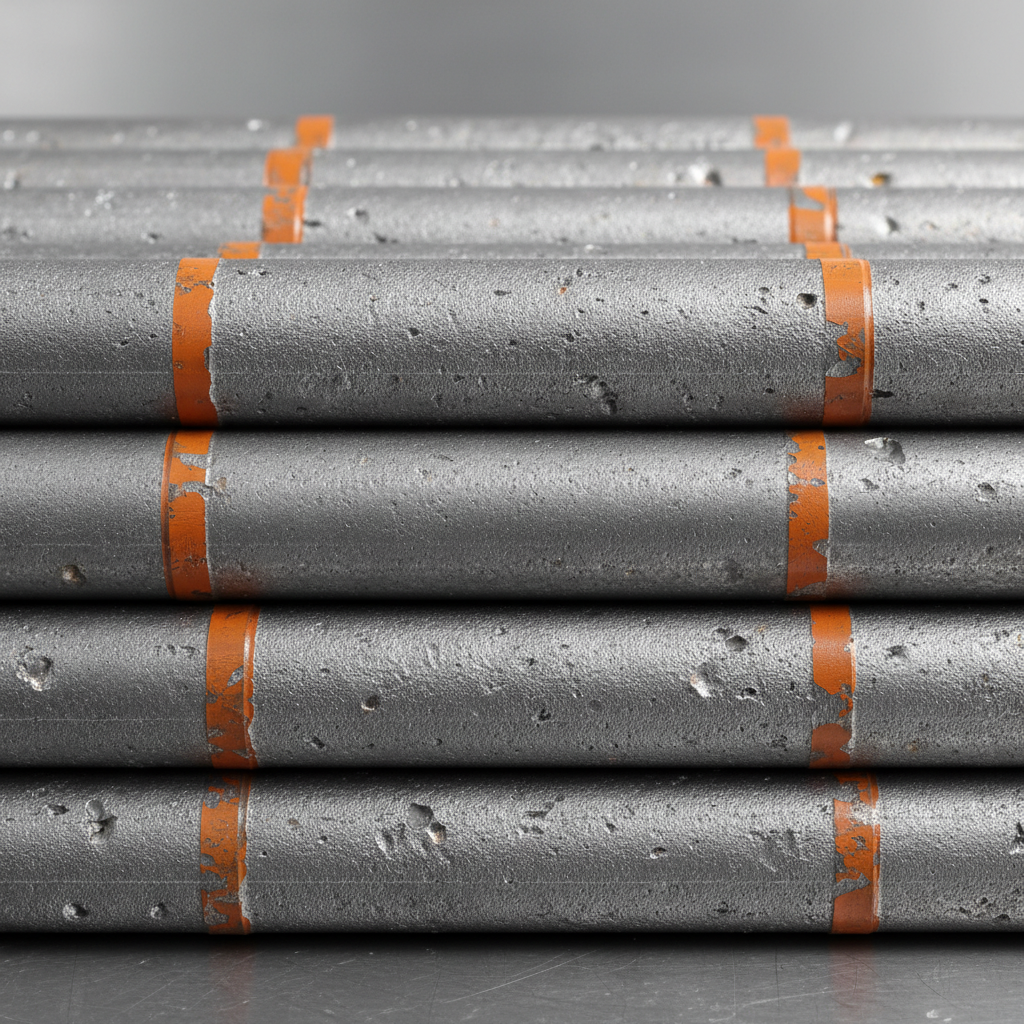
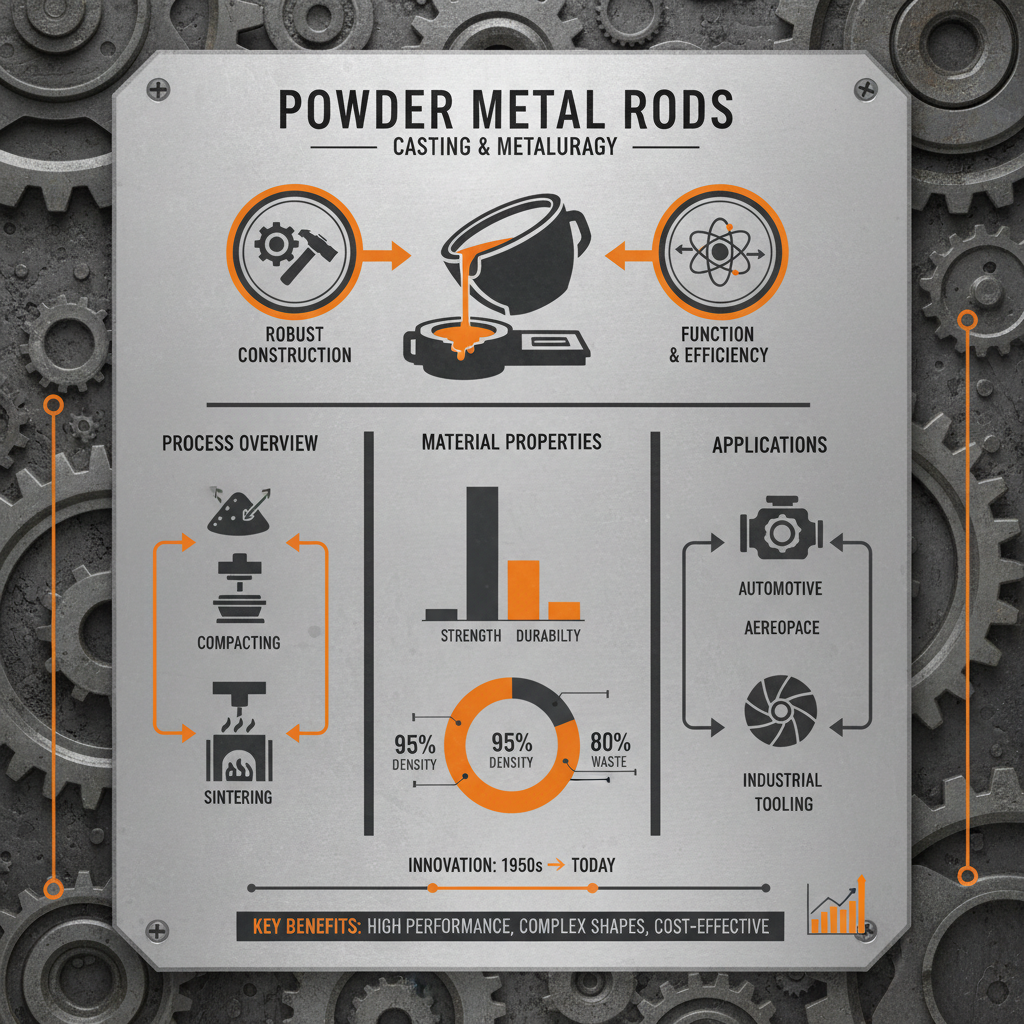
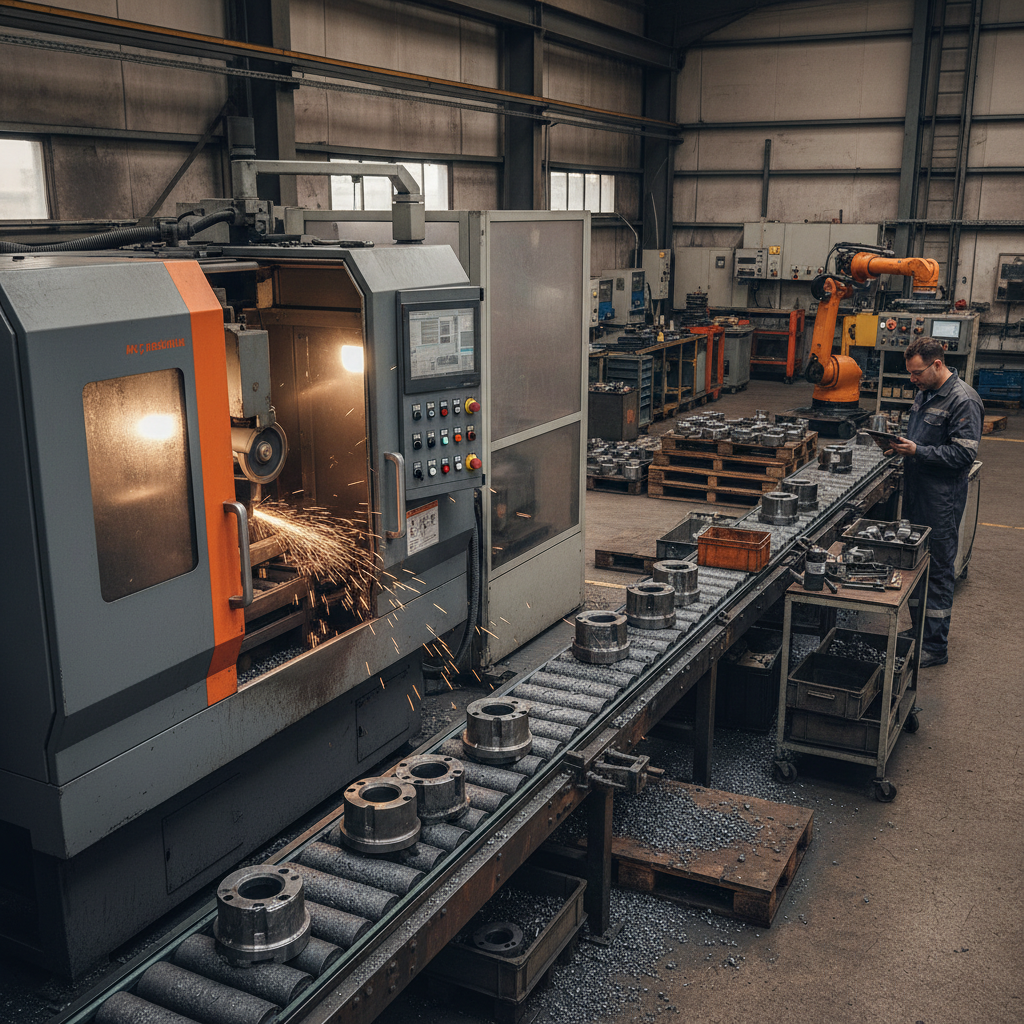
Powder metal rods are fabricated through a process involving the compaction and sintering of metal powders. This method allows for the creation of complex shapes and tight tolerances, making them ideal for numerous applications where conventional machining would be inefficient or even impossible. The process is known for its material efficiency and ability to produce parts with consistent properties.
The versatility of powder metal rods extends beyond simple shapes. Adjustments to powder composition, compaction pressure, and sintering temperature provide a vast range of mechanical properties, from high strength and hardness to ductility and wear resistance. This customizability makes powder metal rods a preferred choice for engineers seeking tailored material solutions.
Powder metal rods offer several advantages over traditional machining, including reduced material waste, the ability to create complex geometries that would be difficult or impossible to machine, and generally lower production costs, especially for high-volume runs. They also enable the creation of near-net-shape parts, minimizing the need for subsequent machining operations.
A wide range of materials can be used, including iron, steel, stainless steel, aluminum, copper, nickel, and even refractory metals like tungsten and molybdenum. The choice of material depends on the specific application and desired properties, such as strength, corrosion resistance, and wear resistance.
Sintering is a critical step in powder metallurgy where the compacted powder particles are bonded together by heat, without reaching the melting point. This process significantly influences the density, strength, and hardness of the rod. Careful control of sintering temperature, time, and atmosphere is crucial for achieving the desired material properties.
Powder metal rods are used extensively in automotive applications for components such as connecting rods, gears, valve guides, and engine bearings. Their high strength, wear resistance, and dimensional accuracy contribute to improved engine performance and fuel efficiency.
Yes, powder metal rods can be customized to a high degree of precision. The near-net-shape manufacturing process allows for complex geometries and tight tolerances, reducing the need for extensive machining. Tooling can be designed to create a wide variety of shapes and sizes to meet specific application requirements.
The cost of producing powder metal rods varies significantly depending on factors such as material type, quantity, complexity of the shape, and tooling costs. However, powder metallurgy generally offers a cost-effective solution, especially for high-volume production runs, due to reduced material waste and efficient manufacturing processes.
Powder metal rods represent a significant advancement in materials science and manufacturing technology. Their inherent advantages – cost-effectiveness, design flexibility, and material efficiency – position them as a critical component in a diverse range of industries, from automotive and aerospace to medical devices and beyond. Understanding the nuances of powder metallurgy and the capabilities of these rods is essential for engineers and innovators seeking optimized material solutions.
Looking ahead, advancements in additive manufacturing, novel powder compositions, and automated process control will further enhance the potential of powder metal rods. Continued research and development in this field promise even more efficient, sustainable, and high-performing components, solidifying their role as a cornerstone of modern manufacturing. Visit our website at powder metal rods to learn more about how we can meet your specific needs.


Shijiazhuang JingShi New Material Science and Technology Co., Ltd was founded since 2014, located in Shijiazhuang, Hebei province, China. The company covers an area of over 10,000 square meters and has


PRODUCTS

CONTACT US
Address:TIANSHAN INTERNATIONAL MANUFACTURING INDUSTRY PARK NO.57, YUANSHI, SHIJIAZHUANG CITY, HEBEI PROVINCE, CHINA
Address:TIANSHAN INTERNATIONAL MANUFACTURING INDUSTRY PARK NO.57, YUANSHI, SHIJIAZHUANG CITY, HEBEI PROVINCE, CHINA
