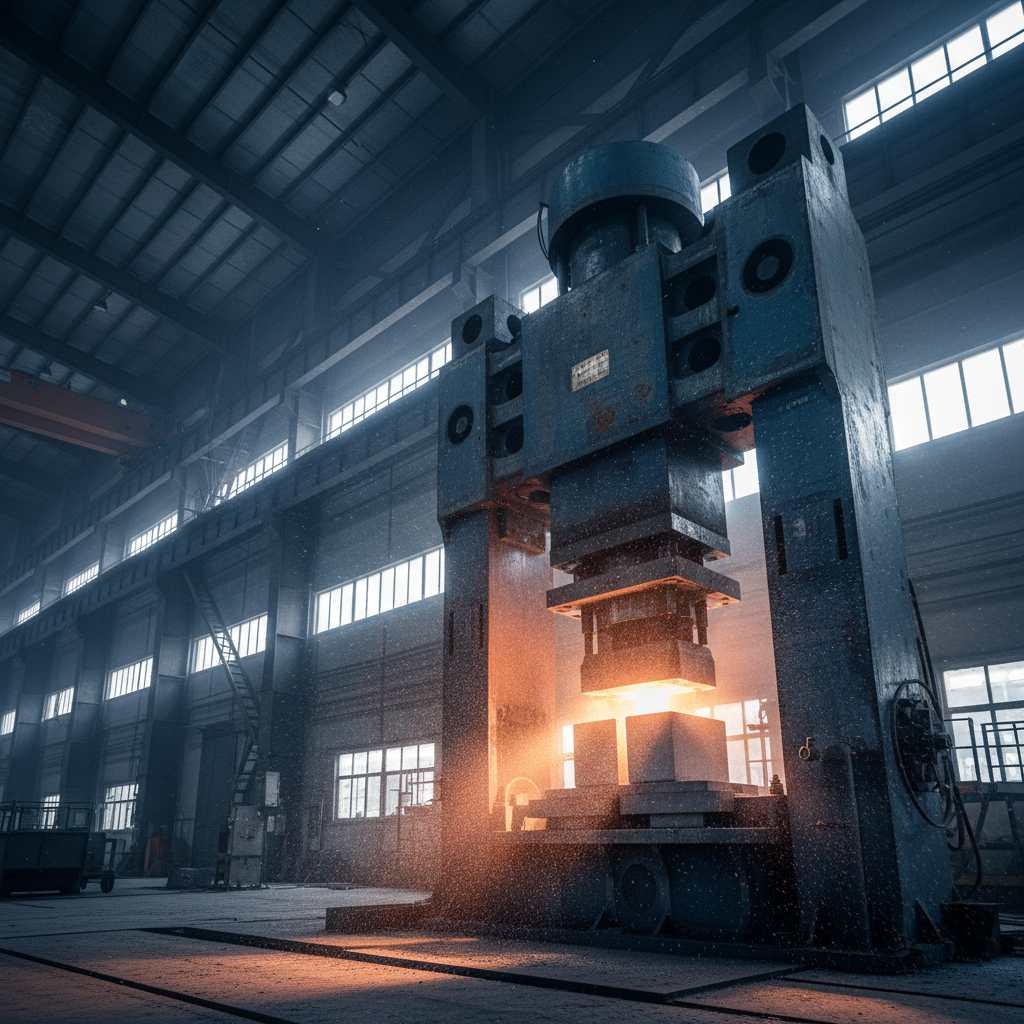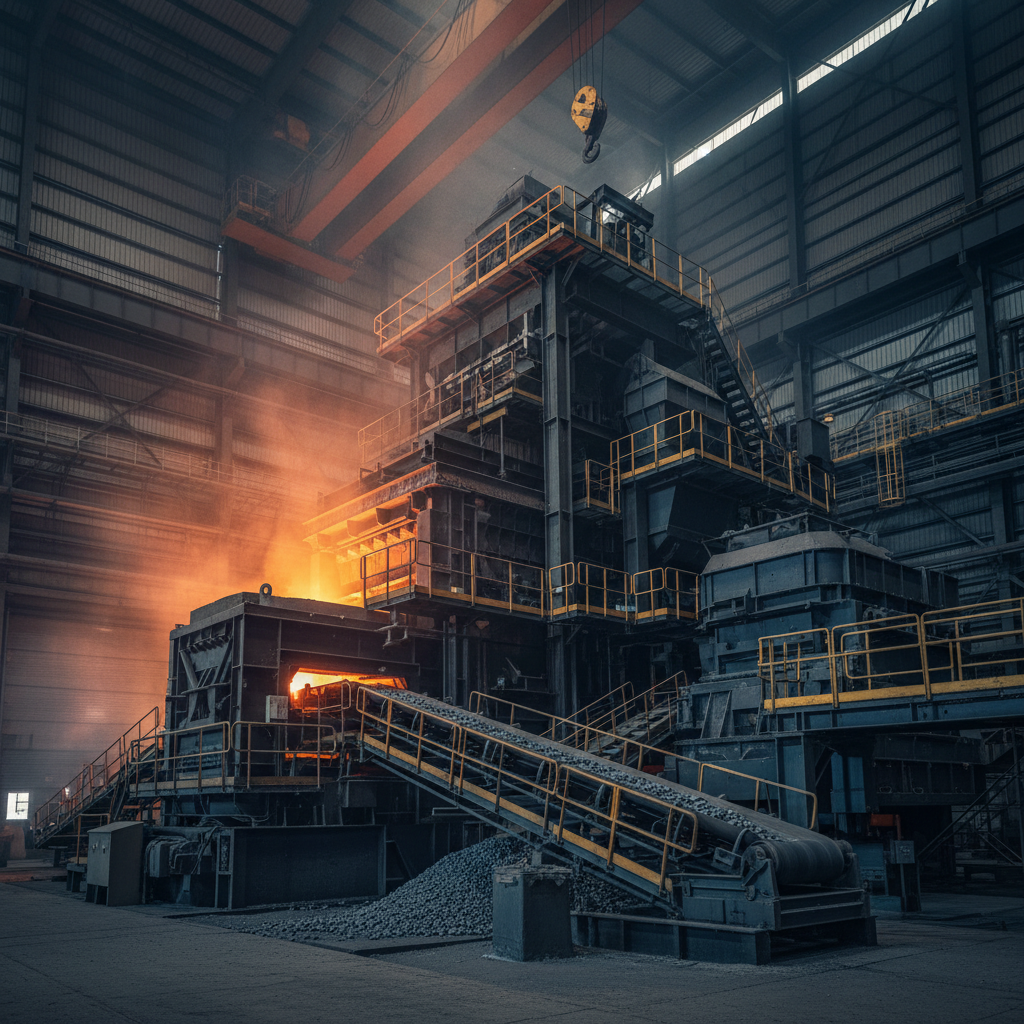





Powder metal materials, encompassing a diverse range of metallic powders compacted and sintered, represent a cornerstone of modern manufacturing. Their unique properties, including near-net-shape capability and customizable compositions, are increasingly critical in sectors ranging from automotive and aerospace to medical and energy. Understanding these materials is no longer confined to materials scientists; it's becoming vital for engineers, designers, and even policymakers seeking sustainable and efficient production methods.
Globally, the powder metallurgy (PM) industry is experiencing significant growth, driven by demands for lightweight components, resource efficiency, and complex geometries. Reports from organizations like the Metal Powder Industries Federation (MPIF) indicate a consistent upward trend in PM part production. This growth isn’t limited to developed economies; emerging markets are rapidly adopting PM technologies, fueling demand and innovation.
A key challenge currently facing manufacturers is the need to reduce material waste and optimize production processes. Powder metal materials offer a compelling solution, enabling the creation of complex parts with minimal material loss compared to traditional machining methods. This makes them a critical component in addressing sustainability concerns and reducing manufacturing costs in a competitive global landscape.
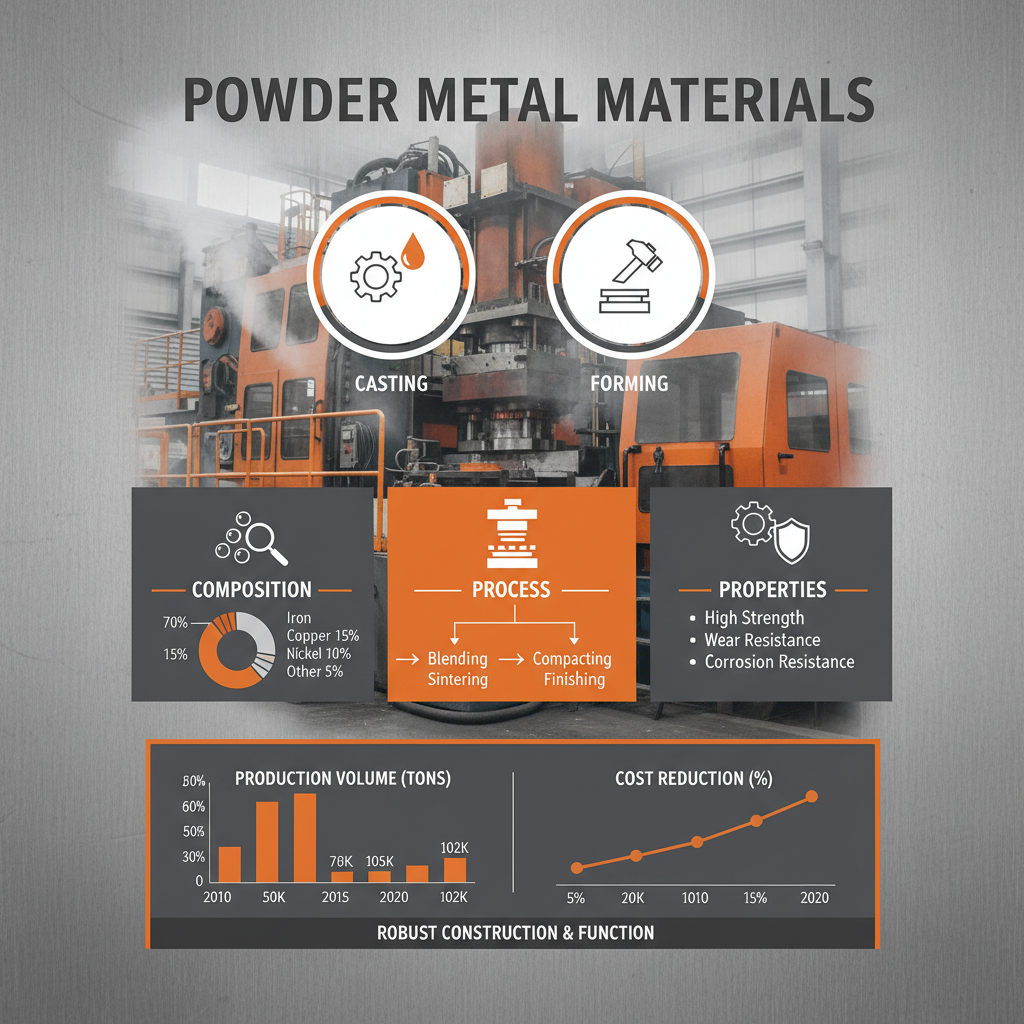
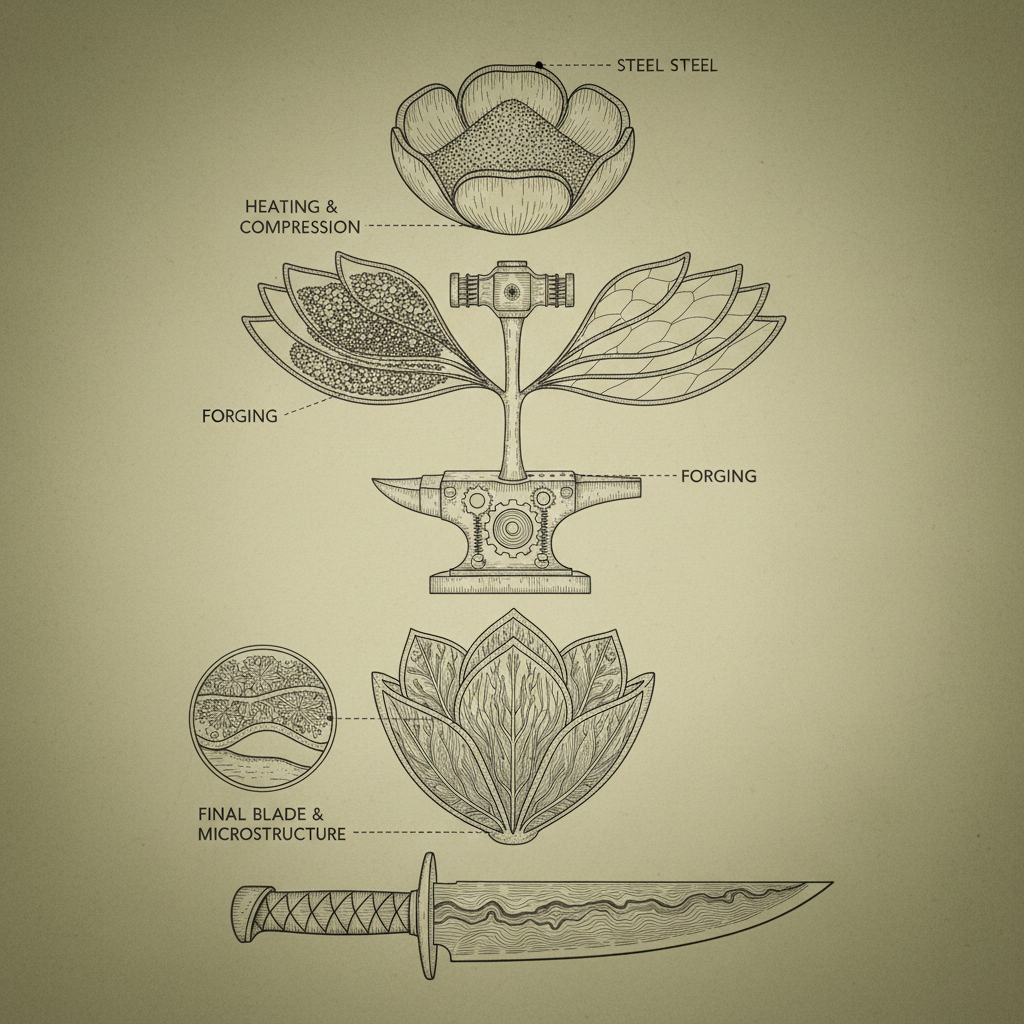
Powder metal materials are not a singular entity but rather a family of materials produced through powder metallurgy. The process fundamentally involves compressing fine metal powders into a desired shape, followed by sintering—heating the compacted part to a temperature below the melting point to bond the particles together. This creates a solid, functional component.
This technique offers unparalleled design freedom, enabling the creation of intricate geometries that would be difficult or impossible to achieve with conventional manufacturing methods like casting or machining. The ability to tailor material properties by blending different powder compositions is another significant advantage, allowing for precise control over strength, density, and other critical characteristics.
Powder metal materials offer significant advantages including near-net shape capability, which minimizes material waste and machining costs. They allow for the creation of complex geometries and tailored material properties, often exceeding the limitations of casting or forging. Furthermore, they can improve material utilization and reduce energy consumption during production, aligning with sustainability goals.
Powder particle size plays a crucial role in determining the final density, strength, and ductility of the sintered component. Smaller particle sizes generally lead to higher sintered densities and improved mechanical properties due to the increased surface area for bonding during sintering. However, very fine powders can be more expensive to produce and may require special handling to prevent agglomeration.
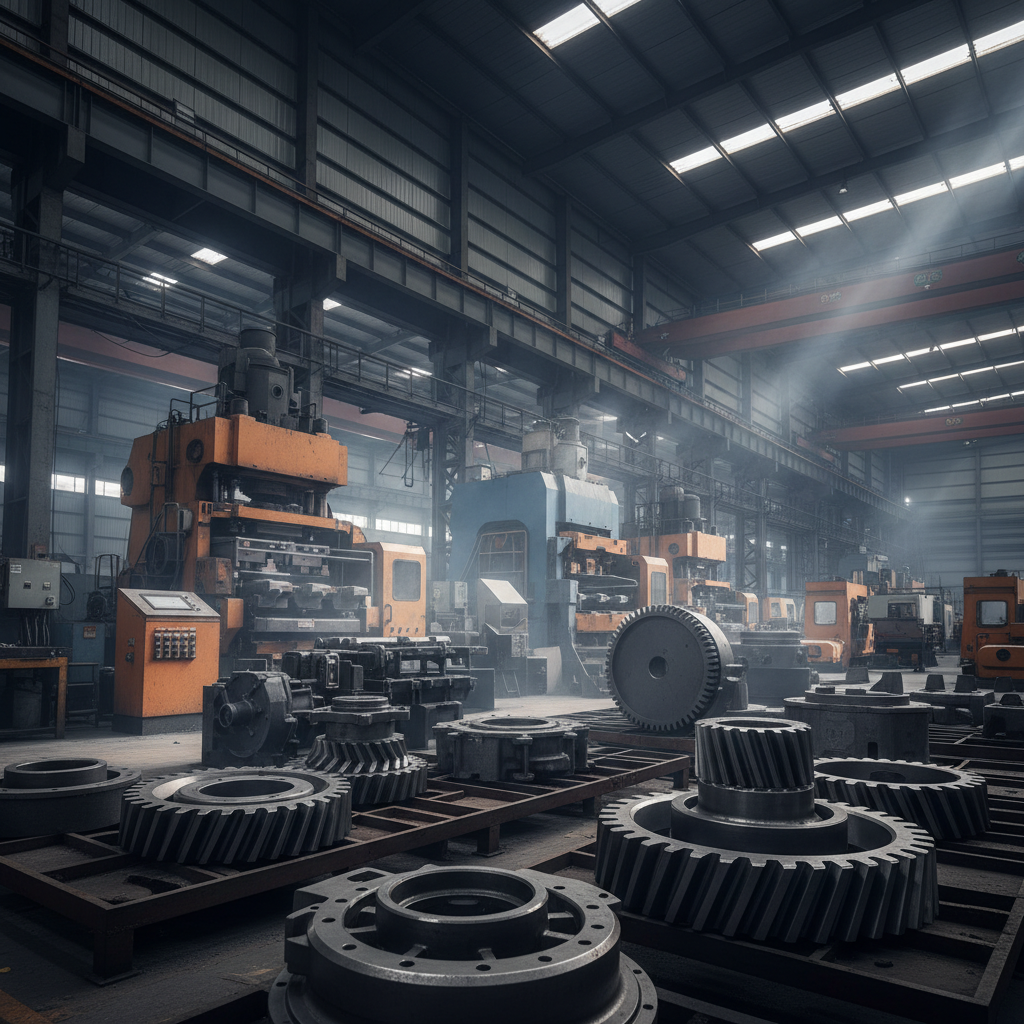
Powder metal materials are extensively used in automotive components such as gears, connecting rods, valve guides, and bearings. Their high strength, wear resistance, and ability to operate without lubrication make them ideal for these applications. Furthermore, the near-net-shape capability reduces weight and improves fuel efficiency.
Yes, powder metallurgy is ideally suited for creating porous components. By controlling the powder characteristics, compaction pressure, and sintering parameters, engineers can precisely tailor the porosity level. This is valuable for applications like filters, self-lubricating bearings, and biomedical implants, where controlled permeability or fluid flow is required.
Sintering is a critical step in powder metallurgy where the compacted powder particles are bonded together through heat treatment below the melting point of the metal. This process increases the density and strength of the component, transforming the fragile ‘green compact’ into a solid, functional part. The sintering atmosphere, temperature, and duration all heavily influence the final material properties.
Current research focuses on developing advanced powder materials like high-entropy alloys and nanomaterials to enhance properties. Additive manufacturing techniques (3D printing) are also becoming increasingly integrated with powder metallurgy. Furthermore, advancements in powder processing techniques and sintering control promise to unlock new performance capabilities for powder metal materials across various industries.
Powder metal materials represent a powerful and versatile manufacturing technology offering a unique combination of cost-effectiveness, design freedom, and material control. From reducing material waste and enhancing component performance to enabling innovative applications in industries like automotive, aerospace, and medical, the benefits are substantial and far-reaching. Understanding the fundamental principles and emerging trends within this field is becoming increasingly important for engineers and manufacturers seeking to optimize their processes and stay ahead in a competitive global landscape.
Looking ahead, continued investment in research and development, coupled with the adoption of advanced technologies like additive manufacturing, will further expand the capabilities of powder metallurgy. The pursuit of sustainable manufacturing practices and the demand for high-performance materials will undoubtedly drive innovation in this field, solidifying the role of powder metal materials as a cornerstone of modern manufacturing for years to come. Learn more about utilizing advanced powder metal materials today!


Shijiazhuang JingShi New Material Science and Technology Co., Ltd was founded since 2014, located in Shijiazhuang, Hebei province, China. The company covers an area of over 10,000 square meters and has


PRODUCTS

CONTACT US
Address:TIANSHAN INTERNATIONAL MANUFACTURING INDUSTRY PARK NO.57, YUANSHI, SHIJIAZHUANG CITY, HEBEI PROVINCE, CHINA
Address:TIANSHAN INTERNATIONAL MANUFACTURING INDUSTRY PARK NO.57, YUANSHI, SHIJIAZHUANG CITY, HEBEI PROVINCE, CHINA