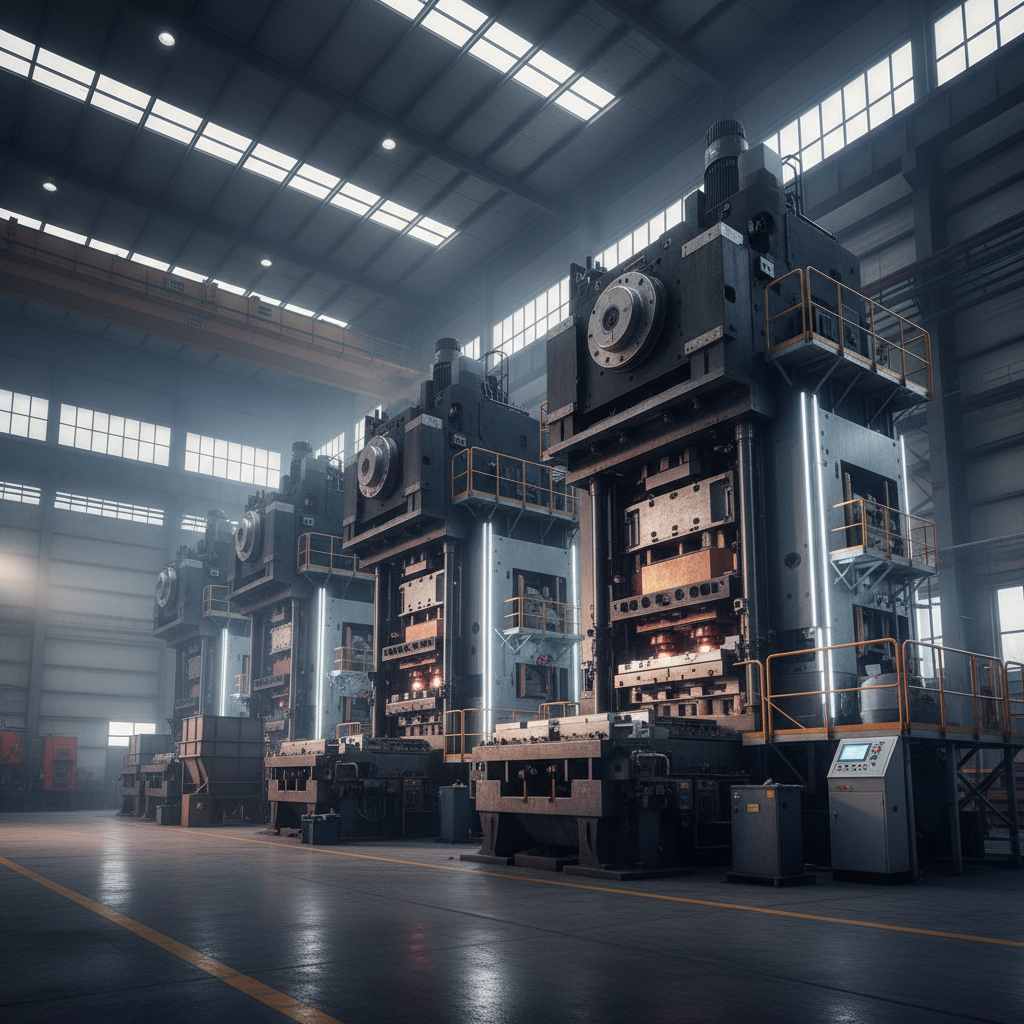
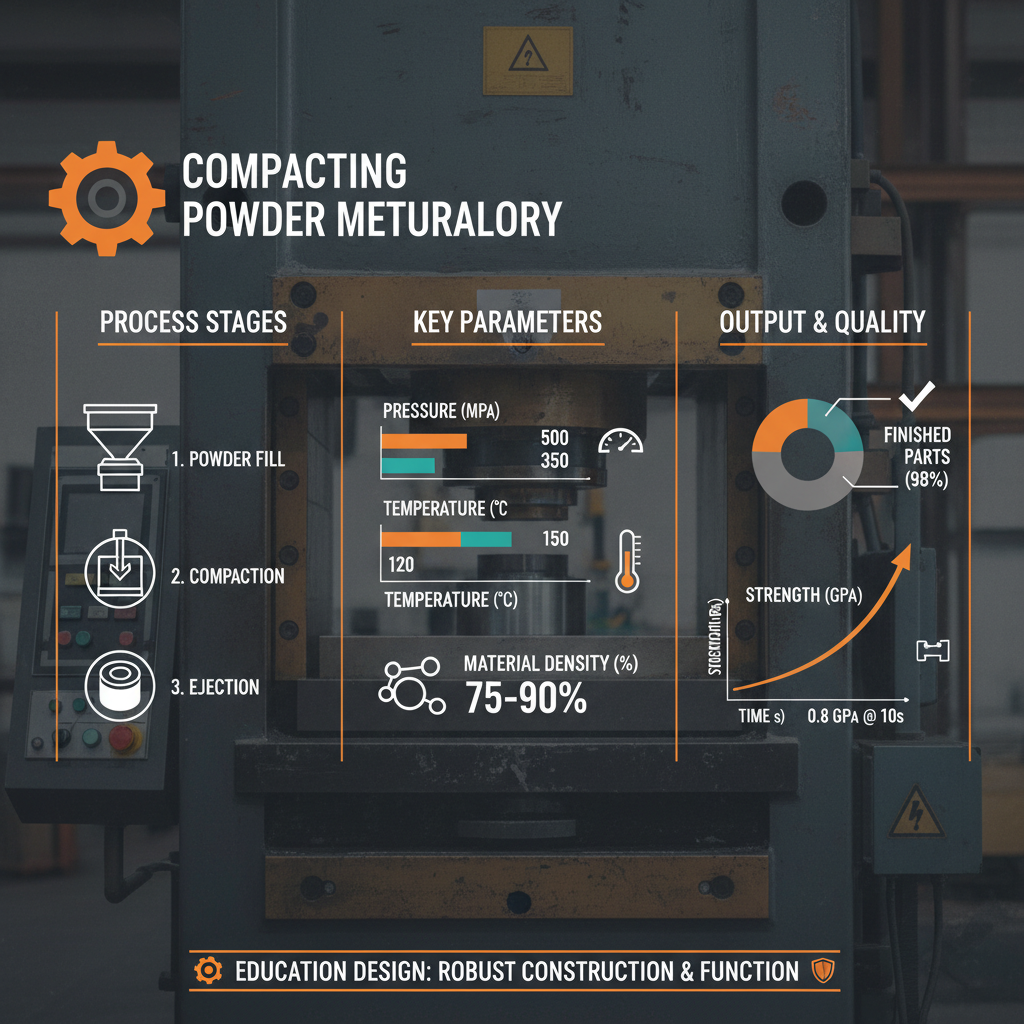
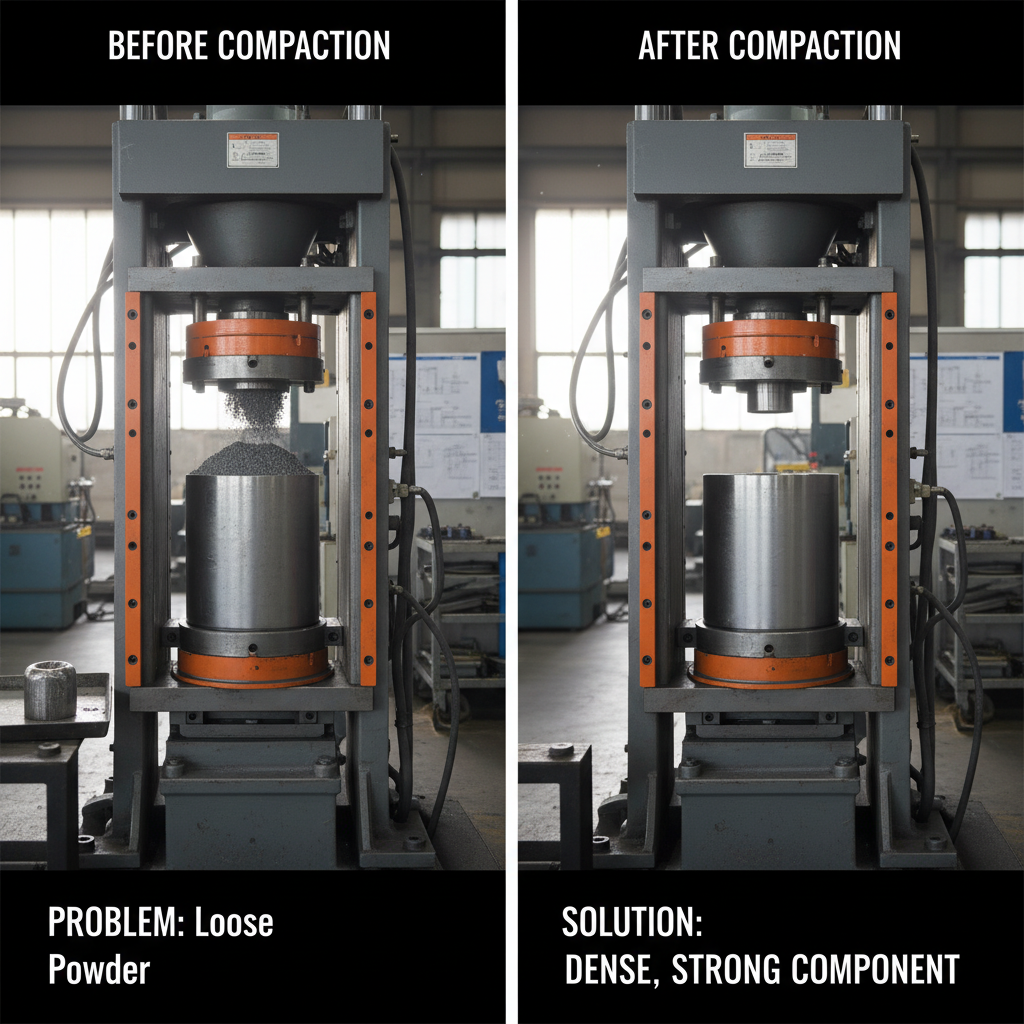
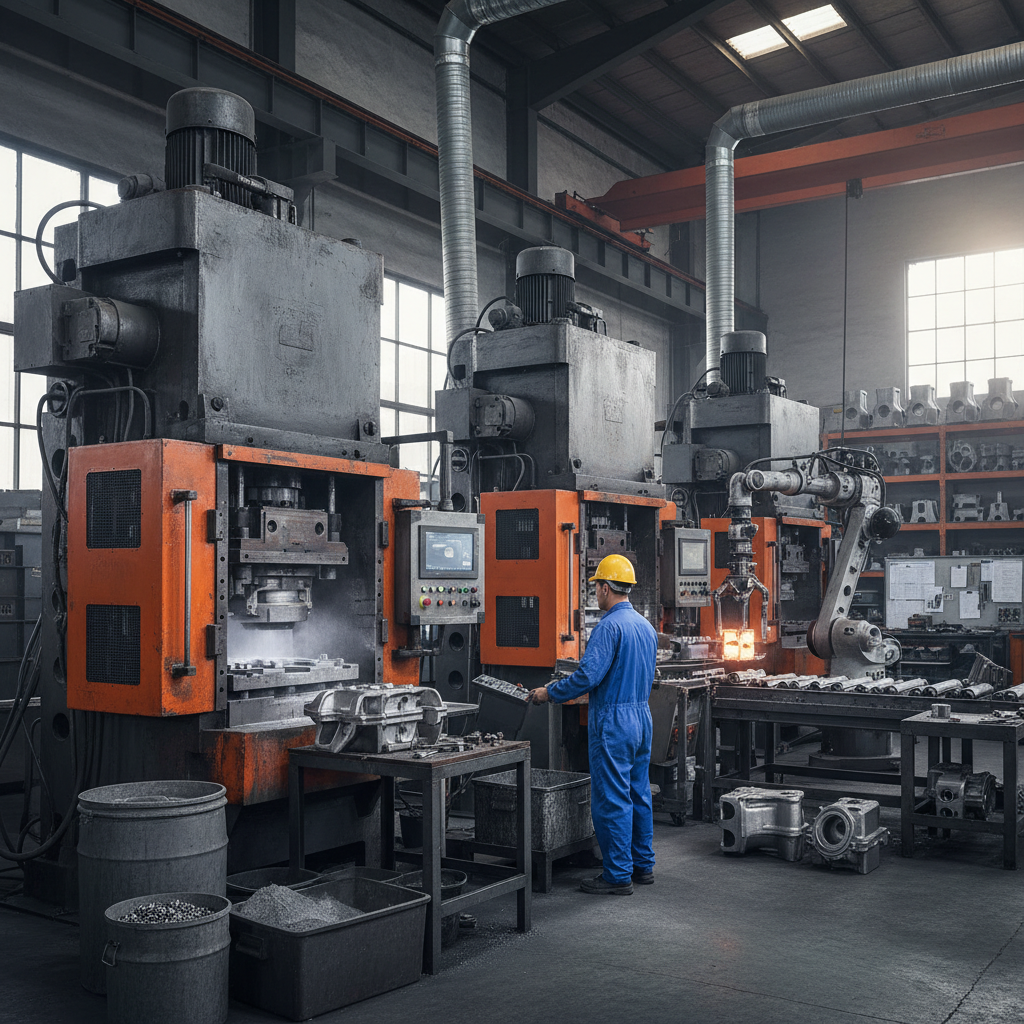
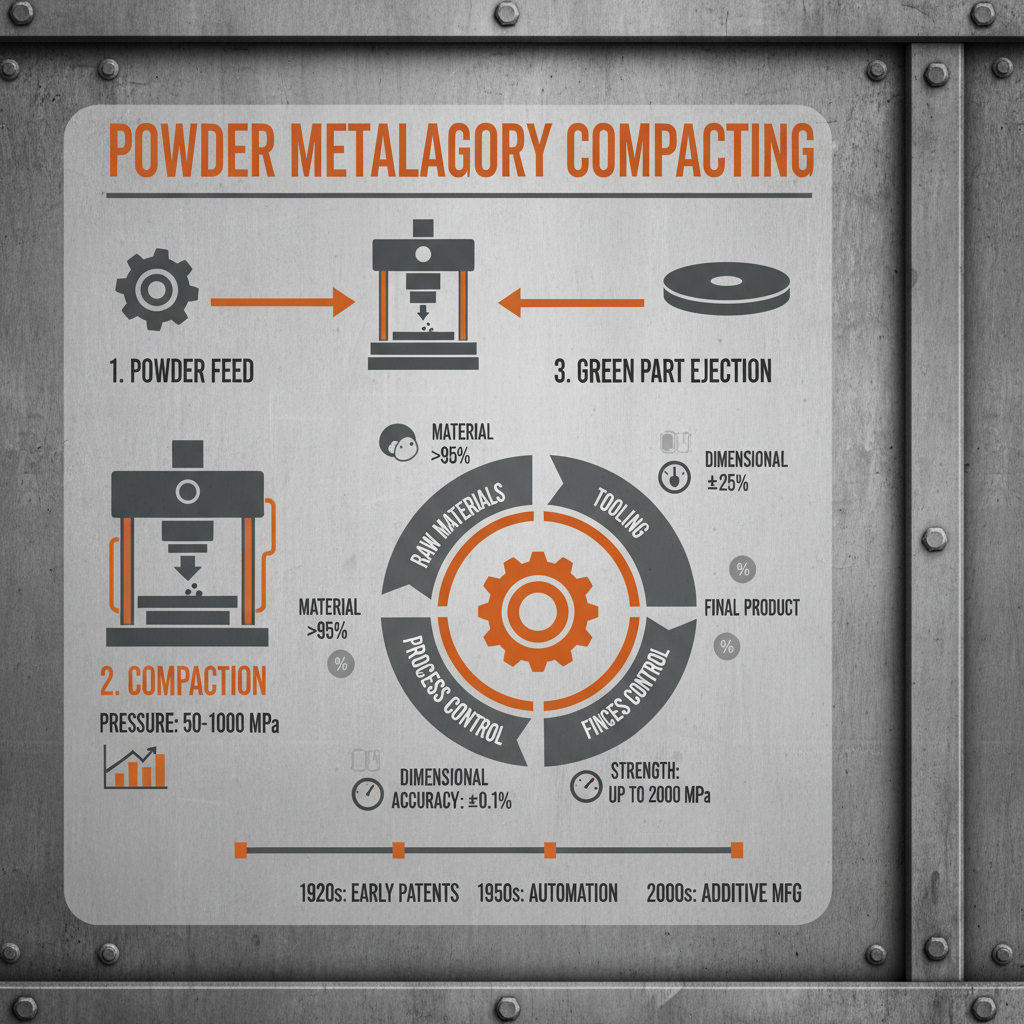
Compacting powder metallurgy (CPM) is a crucial manufacturing process utilized across a diverse range of industries, from automotive and aerospace to medical and consumer products. It involves transforming fine metal powders into solid, functional components through compression and subsequent sintering. This method offers significant advantages over traditional manufacturing techniques, particularly in terms of material utilization, complex geometry creation, and net-shape capabilities. The global demand for CPM parts is steadily increasing, driven by a need for lightweight, high-strength materials and efficient production methods.
The economic impact of compacting powder metallurgy is substantial. Reports from organizations like the Metal Powder Industries Federation (MPIF) indicate billions of dollars in annual revenue generated by the industry worldwide. The process's ability to reduce material waste, lower production costs, and enable the creation of intricate designs is key to its growing relevance. Furthermore, advancements in powder metallurgy are directly contributing to innovation in areas like electric vehicles, additive manufacturing, and sustainable materials development.
Understanding compacting powder metallurgy is vital for engineers, manufacturers, and materials scientists aiming to stay competitive in today's rapidly evolving industrial landscape. Its capacity to deliver tailored material properties and complex geometries offers unparalleled design flexibility and functionality, solving challenges previously insurmountable with conventional methods. The effective application of CPM can significantly optimize product performance, enhance manufacturing efficiency, and drive innovation.
Introduction to compacting powder metallurgy
Compacting powder metallurgy, at its core, represents a materials processing pathway that bypasses many of the limitations inherent in traditional casting or machining techniques. It provides a cost-effective method for producing complex shapes with minimal material waste, making it especially attractive in industries striving for efficiency and sustainability. The ability to tailor material compositions and achieve specific mechanical properties enhances its versatility.
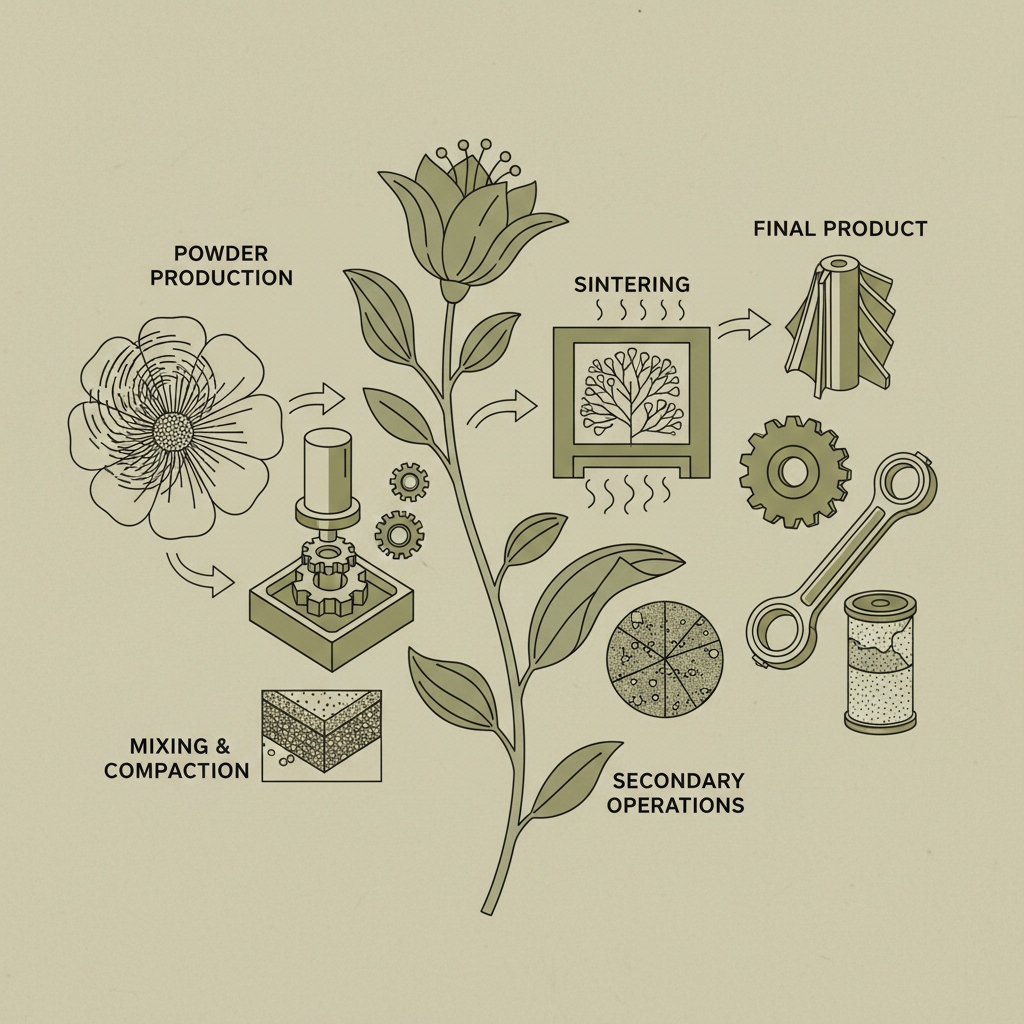
The process generally unfolds in three main stages: powder production, compaction, and sintering. Each stage demands precise control and optimization to achieve the desired final product characteristics. Advancements in powder atomization techniques, compaction equipment, and sintering atmospheres have continuously broadened the scope and capabilities of compacting powder metallurgy.
Global Relevance and Industry Context
The global powder metallurgy market is experiencing sustained growth, largely fueled by the automotive sector’s demand for lightweight components to improve fuel efficiency and reduce emissions. According to market research reports, the industry is projected to reach significant valuations in the coming years, with a compound annual growth rate (CAGR) exceeding 5%. Asia-Pacific currently dominates the market, driven by robust manufacturing activity in China and India.
However, a challenge facing the broader adoption of compacting powder metallurgy is the relatively high initial investment cost associated with equipment and tooling. This can be a barrier to entry for smaller businesses. Furthermore, maintaining consistent powder quality and achieving high component density require skilled personnel and rigorous process control. Supply chain disruptions, particularly concerning raw material sourcing (metal powders), also present ongoing challenges.
Despite these challenges, the compelling advantages of compacting powder metallurgy – its design flexibility, material efficiency, and ability to produce components with tailored properties – continue to drive innovation and expansion within the industry. Ongoing research and development efforts focus on addressing cost concerns, improving powder quality, and expanding the range of applicable materials.
Defining compacting powder metallurgy
Compacting powder metallurgy (CPM) is a net-shape or near-net-shape manufacturing process involving the consolidation of metallic powders into a solid mass through application of controlled pressure. Unlike subtractive methods (like machining) where material is removed, CPM builds up a component by compressing finely divided metal particles. The resulting “green compact” possesses sufficient strength for handling but requires further processing to achieve full density and desired mechanical properties.
The connection to modern industry and humanitarian needs is profound. CPM plays a critical role in producing components for critical infrastructure – automotive engines, power generation equipment, medical implants – and even potentially, rapidly deployable shelters in disaster relief scenarios. Its adaptability allows for the use of diverse materials, including iron, steel, aluminum, titanium, and even specialized alloys, making it versatile across various applications.
Ultimately, CPM bridges the gap between materials science and engineering design, allowing for the creation of highly functional parts tailored to specific performance requirements. The process’s ability to minimize material waste and enable complex geometries aligns with principles of sustainable manufacturing and resource efficiency, addressing pressing global challenges.
Key Factors in compacting powder metallurgy
Several core components underpin the success of compacting powder metallurgy. Material Selection is paramount; the type of metal powder dictates the final component’s properties. Compaction Pressure controls the initial density and strength of the green compact. Sintering Temperature and Atmosphere are crucial for bonding the powder particles and achieving full density.
Powder Morphology (particle size, shape, and distribution) also significantly influences compaction characteristics and the final product's microstructure. Furthermore, Tooling Design plays a critical role in ensuring uniform pressure distribution and accurate component dimensions. Careful consideration of each aspect is vital for optimized performance.
Sintering Atmosphere Impact on compacting powder metallurgy Component Strength
Global Applications of compacting powder metallurgy
Compacting powder metallurgy finds application in a vast array of industries. The automotive sector utilizes CPM parts extensively for engine components (connecting rods, gears), transmission systems, and brake parts, leveraging the process’s ability to create high-strength, lightweight parts. Aerospace also benefits, with CPM utilized for structural components and turbine blades.
In the medical industry, CPM is employed to manufacture implants, surgical instruments, and dental prosthetics, requiring biocompatibility and high precision. The power tool industry relies on CPM for gears, housings, and other critical components. Even emerging technologies like electric vehicle (EV) motor components utilize CPM due to its ability to produce complex geometries and enhance efficiency.
Advantages and Long-Term Value
The advantages of compacting powder metallurgy are multifaceted. Cost Efficiency is a major draw, minimizing material waste and reducing machining requirements. Material Utilization is significantly higher compared to traditional methods. Design Flexibility allows for the creation of complex shapes and features. Enhanced Mechanical Properties can be achieved through careful control of powder composition and processing parameters.
Long-term value stems from increased product reliability, reduced maintenance costs, and the potential for customized solutions. The sustainability benefits – minimizing waste and conserving resources – contribute to responsible manufacturing practices. The resulting components offer safety and trustworthiness, particularly critical in applications like aerospace and medical devices.
Future Trends in compacting powder metallurgy
The future of compacting powder metallurgy is poised for exciting developments. Additive Manufacturing (3D Printing) integration with CPM will enable the creation of even more complex geometries and customized parts. Advanced Powder Metallurgy Techniques like Metal Injection Molding (MIM) and Hot Isostatic Pressing (HIP) will continue to refine component properties and reduce porosity.
Sustainable Materials Development focusing on utilizing recycled powders and bio-based binders will address environmental concerns. Digitalization and Automation will optimize process control and enhance efficiency. Moreover, the increasing demand for lightweight materials in electric vehicles and renewable energy applications will further propel the adoption of compacting powder metallurgy.
These trends, combined with ongoing research into new materials and processing techniques, will solidify compacting powder metallurgy's position as a cornerstone of modern manufacturing. The pursuit of higher performance, increased sustainability, and greater design freedom will continue to drive innovation within the industry.
Summary of Challenges and Solutions in compacting powder metallurgy
| Challenge |
Impact on compacting powder metallurgy |
Proposed Solution |
Implementation Difficulty (1-10) |
| High Tooling Costs |
Reduced affordability for small-scale production. |
Utilizing rapid prototyping techniques for tooling creation. |
6 |
| Powder Cost & Availability |
Fluctuations in raw material prices affect overall production costs. |
Exploring alternative powder sources and recycling strategies. |
7 |
| Achieving High Density |
Porosity can compromise mechanical properties. |
Implementing Hot Isostatic Pressing (HIP) for post-sintering densification. |
8 |
| Complex Geometries |
Limits the design freedom in certain applications. |
Combining CPM with Additive Manufacturing techniques. |
9 |
| Process Control |
Maintaining consistent quality requires stringent process control. |
Implementing real-time monitoring and automated control systems. |
5 |
| Surface Finish |
Surface roughness may require post-processing. |
Optimizing powder characteristics and sintering parameters to improve surface finish. |
4 |
FAQS
Compacting powder metallurgy offers several advantages, including reduced material waste, net-shape or near-net-shape capability (minimizing machining), the ability to create complex geometries, and the potential for tailored material properties. It’s particularly cost-effective for high-volume production runs and designs that are difficult or impossible to machine efficiently. This leads to lower production costs and shorter lead times compared to subtractive manufacturing.
A wide range of metals are suitable for compacting powder metallurgy, including iron, steel (low-alloy, stainless), aluminum, copper, nickel, titanium, and their alloys. The choice of metal depends on the desired mechanical properties, corrosion resistance, and application requirements. Specialized alloys can also be created by blending different metal powders, enabling customized material solutions.
Sintering is a critical step in compacting powder metallurgy. It involves heating the compacted "green" part to a temperature below the melting point of the main constituent. This process creates bonds between the powder particles, increasing density, strength, and ductility. The sintering temperature, time, and atmosphere are carefully controlled to achieve the desired microstructure and mechanical properties.
Yes, compacting powder metallurgy can produce components with internal features and cavities, although it can present certain challenges. Core rods are used during compaction to create these features. More complex internal geometries are often achieved through techniques like Metal Injection Molding (MIM), which allows for finer detail and greater design flexibility. Combining CPM with additive manufacturing also expands possibilities.
Some limitations include the initial cost of tooling, potential porosity (though minimized through techniques like HIP), and the need for careful control of powder characteristics. Also, achieving extremely tight tolerances can be challenging and may require secondary machining operations. However, these limitations are continuously being addressed through ongoing research and development.
Compacting powder metallurgy inherently promotes sustainability by minimizing material waste, reducing energy consumption compared to some other processes, and enabling the use of recycled materials. Furthermore, the ability to create lightweight components contributes to fuel efficiency in applications like automotive and aerospace, reducing carbon emissions. Research into bio-based binders and eco-friendly powder production methods further enhances its sustainability profile.
Conclusion
Compacting powder metallurgy stands as a versatile and increasingly critical manufacturing process, offering significant advantages in terms of cost-efficiency, material utilization, design flexibility, and tailored properties. From automotive and aerospace to medical and industrial applications, its impact is far-reaching and continues to grow, fueled by innovation and a global demand for high-performance components. Understanding its principles and capabilities is essential for those navigating the complexities of modern materials science and manufacturing engineering.
Looking ahead, the integration of compacting powder metallurgy with additive manufacturing, the development of sustainable materials, and the implementation of advanced process control systems will unlock even greater potential. Continued research and collaboration between industry and academia will drive further innovation, solidifying its position as a cornerstone of advanced manufacturing and enabling a more sustainable and efficient future. Visit our website at JSSintering to learn more.