

WeChat.png
sintered metal parts
email.png
whatsapp.png
top.png
0%

Table of Contents

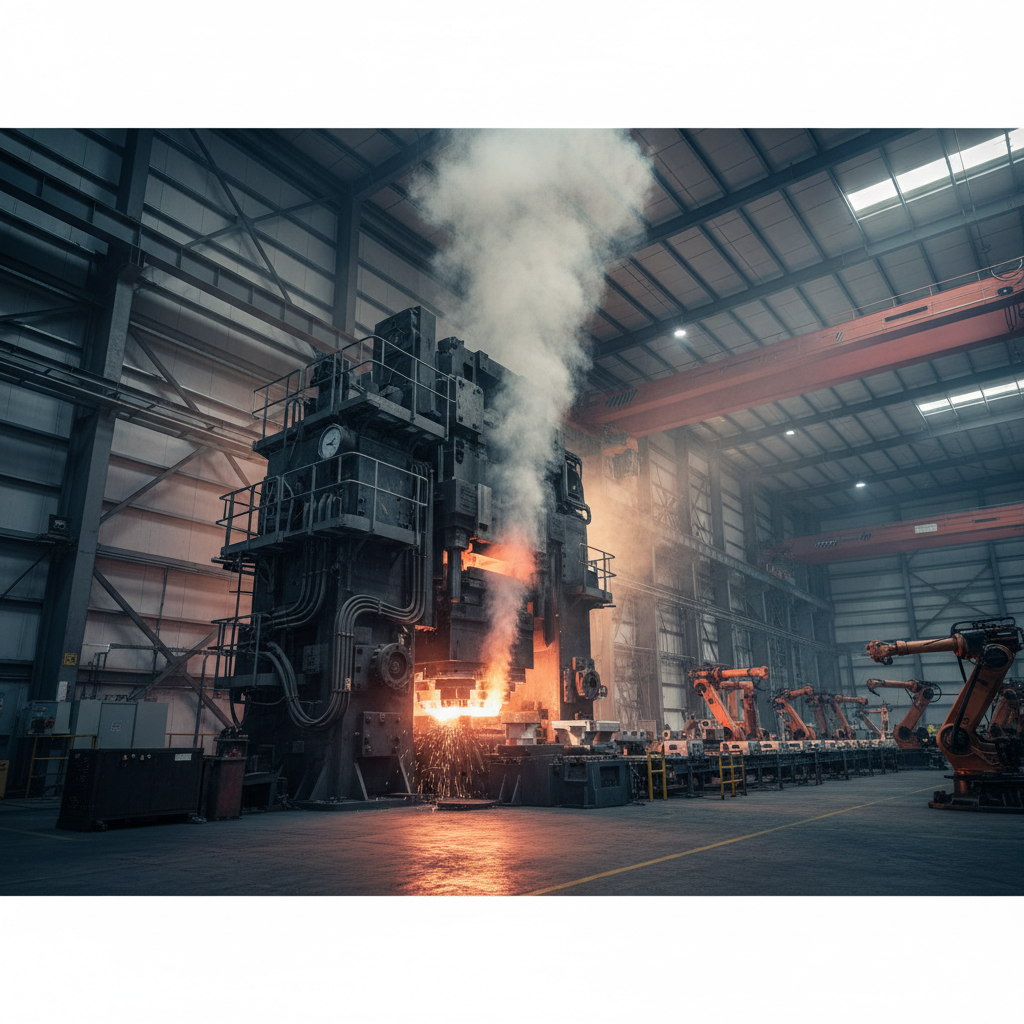
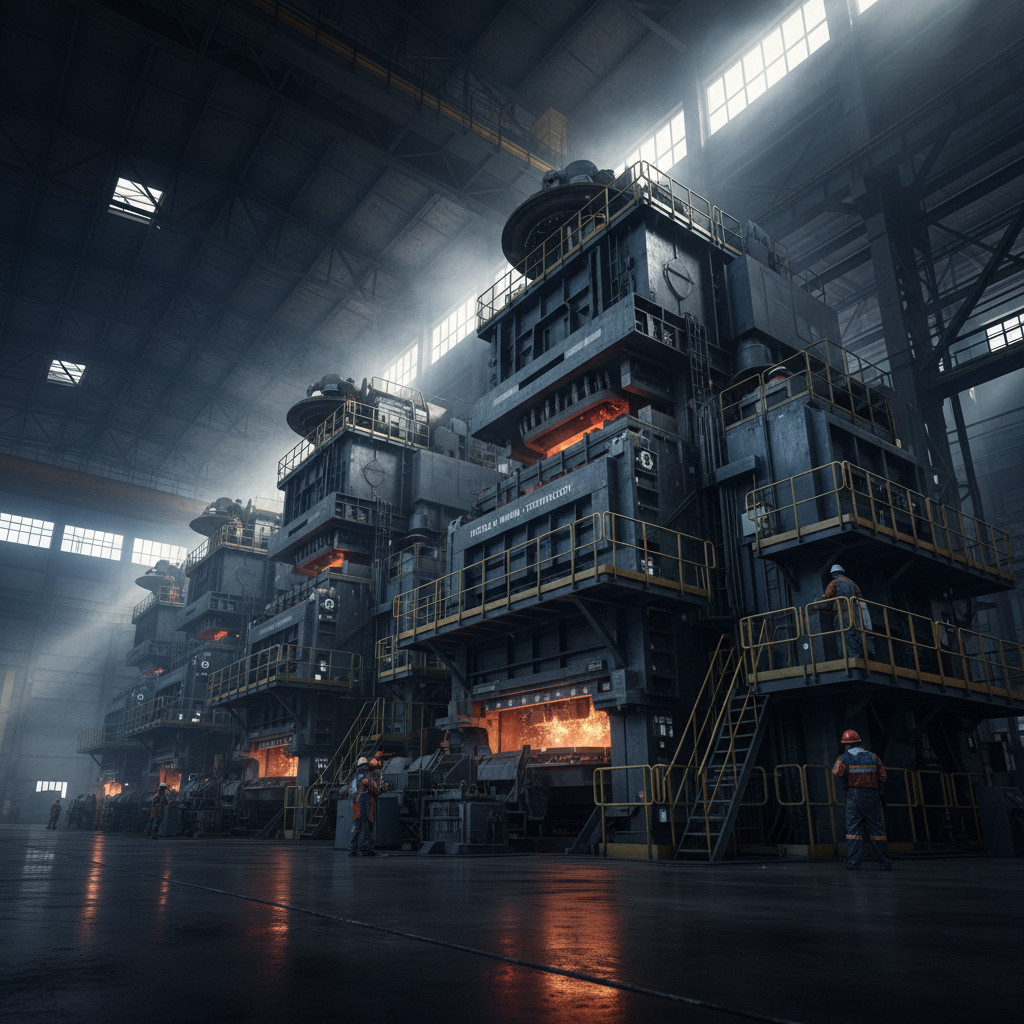
The compacting process in powder metallurgy is a cornerstone of modern manufacturing, enabling the creation of complex, high-performance components across a vast range of industries. This process involves applying significant pressure to a loose powder, transforming it into a solid, cohesive shape, often referred to as a “green compact.” Its significance stems from its ability to produce near-net-shape parts, minimizing material waste and reducing the need for costly machining operations.

Globally, the powder metallurgy (PM) industry, heavily reliant on efficient compaction, is experiencing substantial growth. According to recent reports, the global PM market is projected to reach \$13.3 billion by 2028, exhibiting a CAGR of 5.2% from 2021. This growth is driven by increasing demand in automotive, aerospace, medical, and industrial sectors. The compacting process in powder metallurgy is crucial for meeting this demand.

A key challenge facing manufacturers is the need for cost-effective, scalable, and high-quality component production. The compacting process in powder metallurgy directly addresses this challenge by offering a flexible manufacturing route for producing parts with tailored properties and complex geometries. Furthermore, advancements in powder metallurgy are increasingly focused on sustainable practices and resource efficiency.
Advancements in Compacting Process in Powder Metallurgy for Modern Manufacturing

Introduction to compacting process in powder metallurgy

Advancements in Compacting Process in Powder Metallurgy for Modern Manufacturing

The compacting process in powder metallurgy isn’t merely a manufacturing step; it's a foundational element in creating customized material solutions. It represents a departure from traditional manufacturing methods, offering unparalleled design flexibility and material control. This process allows for the production of parts with intricate shapes and tailored compositions, which are often difficult or impossible to achieve through conventional techniques like casting or machining.

Understanding this process is vital for engineers, materials scientists, and manufacturing professionals aiming to optimize product performance, reduce costs, and embrace sustainable manufacturing practices. Effective compaction directly impacts the density, strength, and overall quality of the final component, ultimately determining its suitability for its intended application.

Defining the compacting process in powder metallurgy

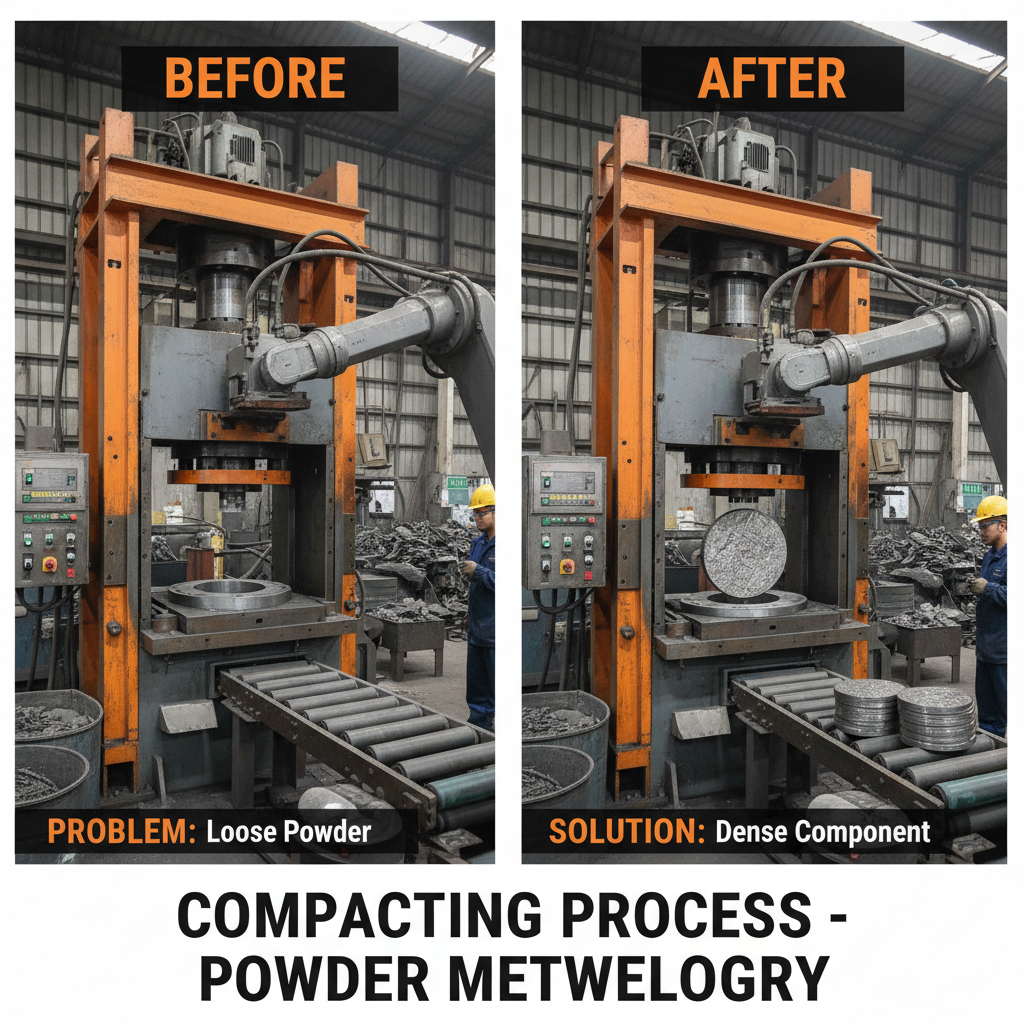
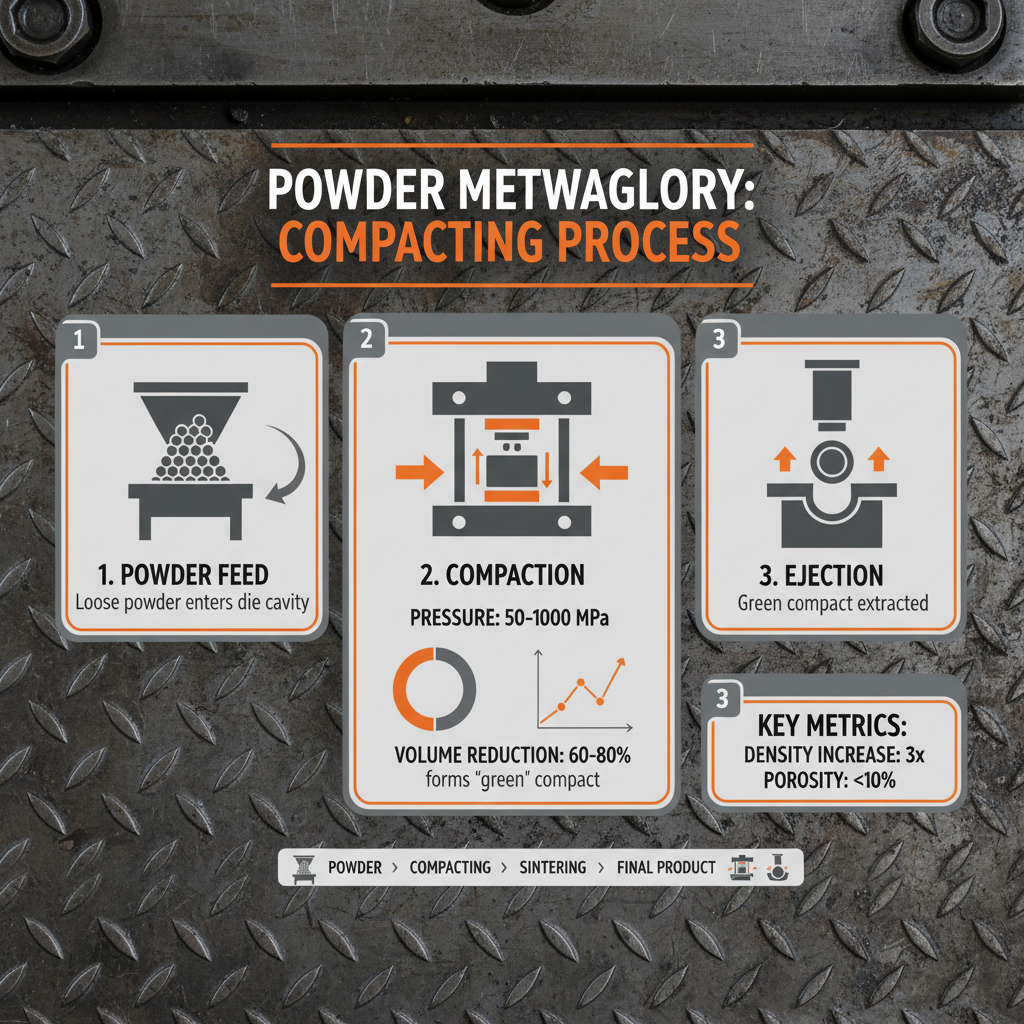
At its core, the compacting process in powder metallurgy involves applying pressure to a finely divided metal powder within a die. This transforms the loose powder into a solid form, known as a 'green compact,' which retains the shape of the die cavity. The compaction pressure isn't simply about squashing the powder together; it initiates a degree of cold welding between the individual particles, creating a cohesive structure.

This method is profoundly connected to modern industry due to its capacity to produce complex geometries with minimal material waste. Unlike subtractive manufacturing methods (like machining) that remove material, PM adds material, increasing efficiency and lowering costs. It enables the creation of parts with intricate internal features and controlled porosity.

The compacted part, while possessing a defined shape, is still relatively weak and porous. Therefore, subsequent processing steps, such as sintering – a heat treatment process – are essential to enhance its density and mechanical properties, ultimately yielding a durable, functional component.

Core Components of Effective Compaction

Several critical factors influence the success of the compacting process in powder metallurgy. These include powder characteristics (particle size, shape, distribution), die design, compaction pressure, and tooling material. Powder properties dictate how readily the particles deform and bond together under pressure.

Die design is paramount, dictating the final shape and dimensions of the compact. Proper die venting is essential to allow air to escape during compaction, preventing defects and ensuring uniform density. Tooling material selection (typically tool steels or cemented carbides) directly impacts tool life and production efficiency, resisting wear and maintaining dimensional accuracy.

Compaction pressure, the force applied to the powder, is a primary driver of density. However, there’s an optimal pressure range; exceeding it can lead to die wear, while insufficient pressure results in a weak, porous compact. Controlling these factors ensures a consistently high-quality green compact ready for further processing.

Applications Across Global Industries

The compacting process in powder metallurgy finds extensive applications in diverse sectors. In the automotive industry, it’s used for manufacturing gears, bearings, connecting rods, and other engine components, reducing weight and improving fuel efficiency. Aerospace utilizes PM for producing complex turbine blades, structural parts, and self-lubricating bearings.

Medical applications include the production of surgical instruments, orthopedic implants, and dental prosthetics, where precise shapes and biocompatibility are crucial. Industrial applications span a vast spectrum, from cutting tools and wear-resistant parts to electrical contacts and magnetic cores.

Compaction Method Comparison


Advantages and Long-Term Value

The advantages of utilizing the compacting process in powder metallurgy are multifaceted. Cost efficiency is a significant benefit, stemming from reduced material waste and minimized machining requirements. This translates into lower production costs, particularly for high-volume applications.

Furthermore, PM enables the creation of parts with controlled porosity, which can be exploited for self-lubricating applications or filter elements. Sustainability is enhanced through reduced energy consumption compared to traditional manufacturing processes and the potential to utilize recycled materials. The ability to tailor material composition to specific application needs also adds considerable value.

Future Trends and Innovations

The future of the compacting process in powder metallurgy is marked by exciting innovations. Additive manufacturing (3D printing) and PM are converging, creating hybrid processes that combine the design freedom of AM with the material properties achieved through PM. Automation and artificial intelligence are being implemented to optimize compaction parameters and improve process control.

Research into novel powder materials, including high-entropy alloys and functionally graded materials, is expanding the range of achievable properties. Focus on sustainability continues, with efforts to develop eco-friendly powder production methods and reduce energy consumption throughout the PM process.

Challenges and Solutions in Compaction

Despite its many advantages, the compacting process in powder metallurgy faces challenges. Achieving uniform density, especially in complex shapes, can be difficult. Tooling wear and high tooling costs are also concerns. Controlling powder flow and preventing powder segregation are critical for consistent results.

Solutions include advanced die design techniques, utilizing finite element analysis (FEA) to optimize powder flow and pressure distribution. Employing high-performance tooling materials and surface coatings can extend tool life. Sophisticated powder handling systems and automated compaction processes help minimize variability and ensure consistent quality.

Summary of Compaction Challenges and Mitigation Strategies

Challenge Impact on Compaction Mitigation Strategy Implementation Cost (1-10)
Non-Uniform Density Weak Points, Reduced Component Life Optimized Die Design, FEA Simulation 6
Tooling Wear Dimensional Inaccuracy, Increased Costs High-Performance Tooling Materials, Coatings 8
Powder Segregation Variable Composition, Property Inconsistencies Improved Powder Handling Systems, Mixing 5
Air Entrapment Porosity, Reduced Strength Adequate Die Venting, Vacuum Compaction 4
Powder Flow Issues Non-Uniform Compaction, Defects Powder Coating, Funnel Design 3
Process Variability Inconsistent Quality, Scrap Automated Compaction, Real-Time Monitoring 7

FAQS

What are the primary benefits of using powder metallurgy over traditional manufacturing methods?

Powder metallurgy (PM) offers several key advantages, including reduced material waste due to its near-net-shape capabilities, the ability to create complex geometries, and cost-effectiveness, especially for high-volume production. It also allows for the production of parts with controlled porosity and tailored material properties, which are difficult or impossible to achieve with methods like casting or machining. The compacting process in powder metallurgy is central to realizing these benefits.

How does powder particle size affect the compaction process?

Powder particle size is a critical factor in compaction. Smaller particle sizes generally lead to higher green strength and density due to the increased surface area for bonding. However, very fine powders can exhibit poor flowability, making uniform compaction more challenging. An optimal particle size distribution is typically selected based on the specific powder material and desired component properties. A thorough understanding of the compacting process in powder metallurgy necessitates consideration of this parameter.

What is the role of sintering in the powder metallurgy process?

Sintering is the heat treatment process that follows compaction. It involves heating the green compact to a temperature below the melting point of the powder material. During sintering, the powder particles bond together through diffusion, resulting in increased density, strength, and ductility. Sintering is essential to transform the fragile green compact into a functional, durable component. It's an integral part of the broader compacting process in powder metallurgy workflow.

What types of materials can be processed using powder metallurgy?

A wide range of materials can be processed using powder metallurgy, including ferrous metals (iron, steel, stainless steel), non-ferrous metals (aluminum, copper, titanium), and even ceramics and composites. The choice of material depends on the application requirements, such as strength, corrosion resistance, and thermal conductivity. The compacting process in powder metallurgy can be adapted to accommodate diverse material properties.

How can die wear be minimized during the compaction process?

Die wear is a common challenge in PM. It can be minimized by using high-quality tooling materials, applying surface coatings (like titanium nitride), optimizing compaction parameters (pressure, speed), and implementing proper lubrication. Regular die inspection and maintenance are also crucial. Minimizing die wear directly impacts the economics and efficiency of the compacting process in powder metallurgy.

What are the emerging trends in powder metallurgy compaction techniques?

Emerging trends include the integration of additive manufacturing with PM, the development of self-lubricating powders, and the use of advanced process control techniques, such as real-time monitoring and feedback systems. The use of artificial intelligence and machine learning to optimize compaction parameters is also gaining traction, promising to further enhance efficiency and quality in the compacting process in powder metallurgy.

Conclusion

The compacting process in powder metallurgy stands as a vital manufacturing technology, offering a unique blend of cost-effectiveness, design flexibility, and material control. From automotive components to aerospace parts, its applications are widespread and continue to expand with ongoing innovation. Understanding the core principles of compaction, including powder characteristics, die design, and process parameters, is crucial for maximizing its potential.

Looking ahead, the integration of advanced technologies like additive manufacturing and artificial intelligence promises to further revolutionize the field. Continued research into novel powder materials and sustainable manufacturing practices will solidify its role in creating a more efficient and environmentally responsible industrial landscape. For those seeking advanced PM solutions, visit our website: www.jssintering.com.
Kevin Garcia

Kevin Garcia

Kevin Garcia is a Senior Production Engineer at JingShi New Material. He focuses on optimizing the automated production line, ensuring seamless operation of equipment like the automatic batching system and various sintering furnaces. Kevin is a problem-solver who consistently seeks ways to improve efficiency and precision in the manufacturing process.
Previous Understanding the Compaction Process in Powder Metallurgy for Optimal Part Production
Next Exploring the Advantages of Compacting Powder Metallurgy for Modern Manufacturing

If you are interested in our products, you can choose to leave your information here, and we will be in touch with you shortly.