

WeChat.png
sintered metal parts
email.png
whatsapp.png
top.png
0%

Table of Contents

Powder metal forming, also known as powder metallurgy (PM), is a manufacturing process that creates parts by compacting and sintering metal powders. This technique offers a unique blend of design flexibility, material efficiency, and cost-effectiveness, making it crucial across numerous industries globally. Its ability to produce complex geometries with minimal material waste positions it as a cornerstone of modern manufacturing, continually evolving to meet demanding performance requirements.

The global relevance of powder metal forming stems from its adaptability to diverse applications, ranging from automotive components and aerospace parts to medical implants and cutting tools. According to the Metal Powder Industries Federation (MPIF), the PM industry contributes billions to the global economy annually. This underscores its significance in supporting vital sectors and driving innovation. As industries strive for sustainability and reduced material consumption, powder metal forming provides a compelling solution.

Ultimately, understanding powder metal forming is critical for engineers, manufacturers, and researchers seeking to optimize production processes, enhance product performance, and address the growing demand for sustainable manufacturing practices. The core benefits lie in its near-net-shape capabilities, reduced machining requirements, and the ability to create alloys and materials unattainable through traditional methods.
Exploring the Advantages of Powder Metal Forming for Modern Manufacturing

Introduction to Powder Metal Forming

Exploring the Advantages of Powder Metal Forming for Modern Manufacturing

Powder metal forming is a versatile manufacturing technique increasingly employed across a wide range of industries. Its unique ability to create complex shapes and designs with minimal material waste makes it a valuable alternative to traditional machining processes. The efficiency and precision offered by powder metallurgy are driving its adoption in sectors demanding high-performance components.

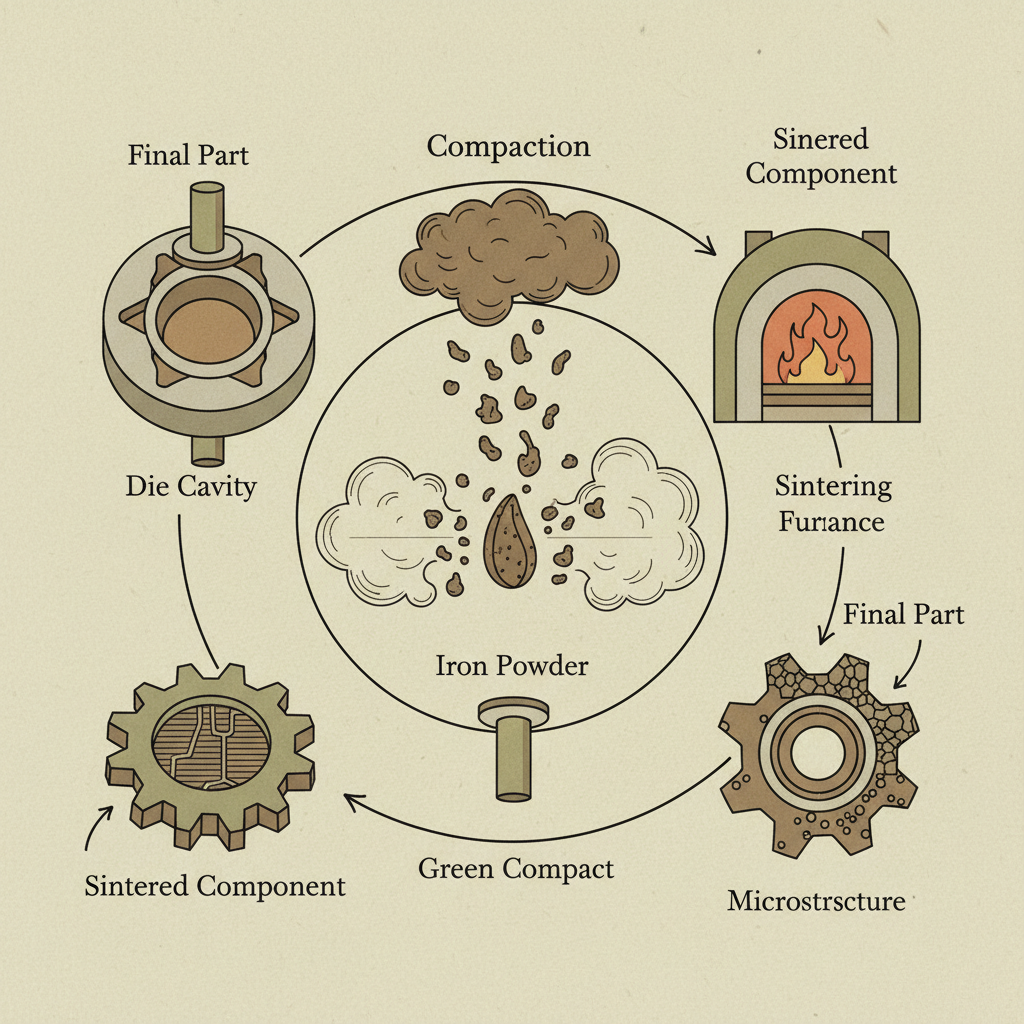
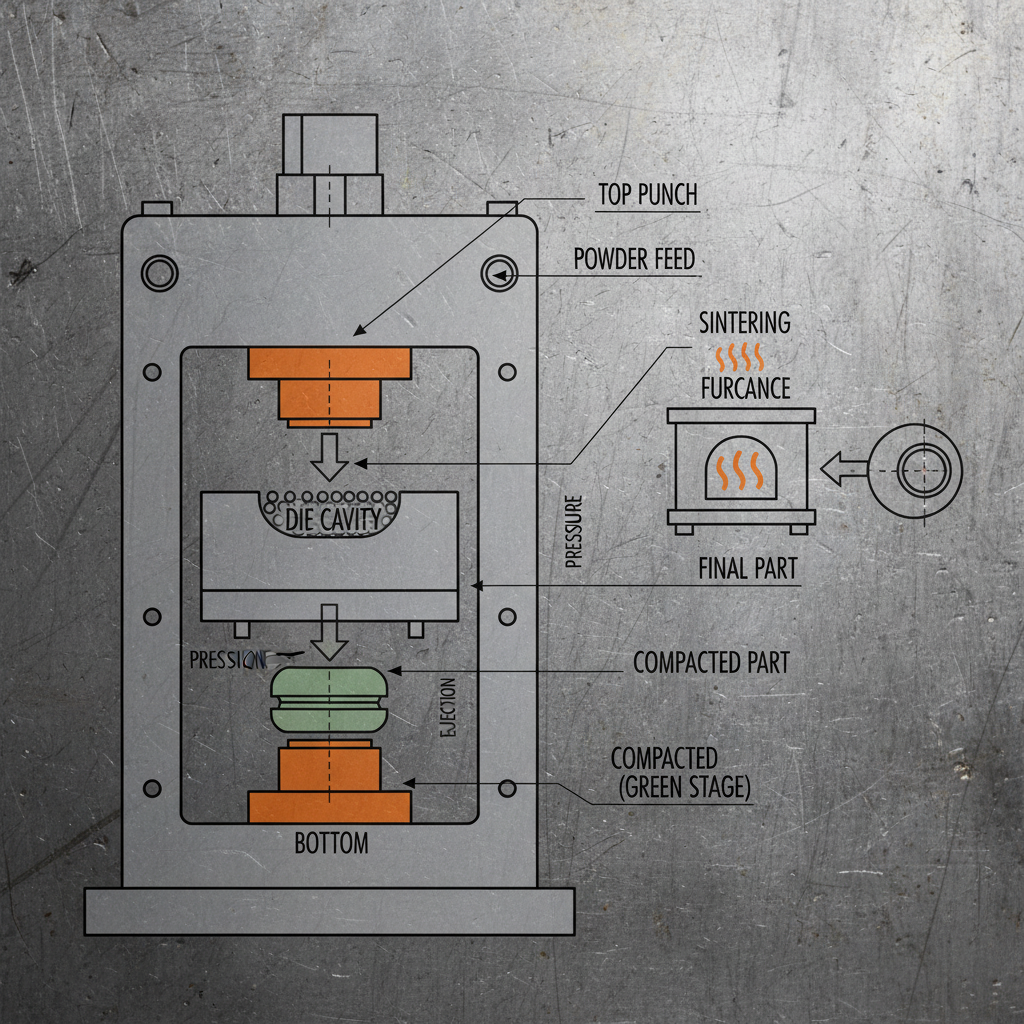
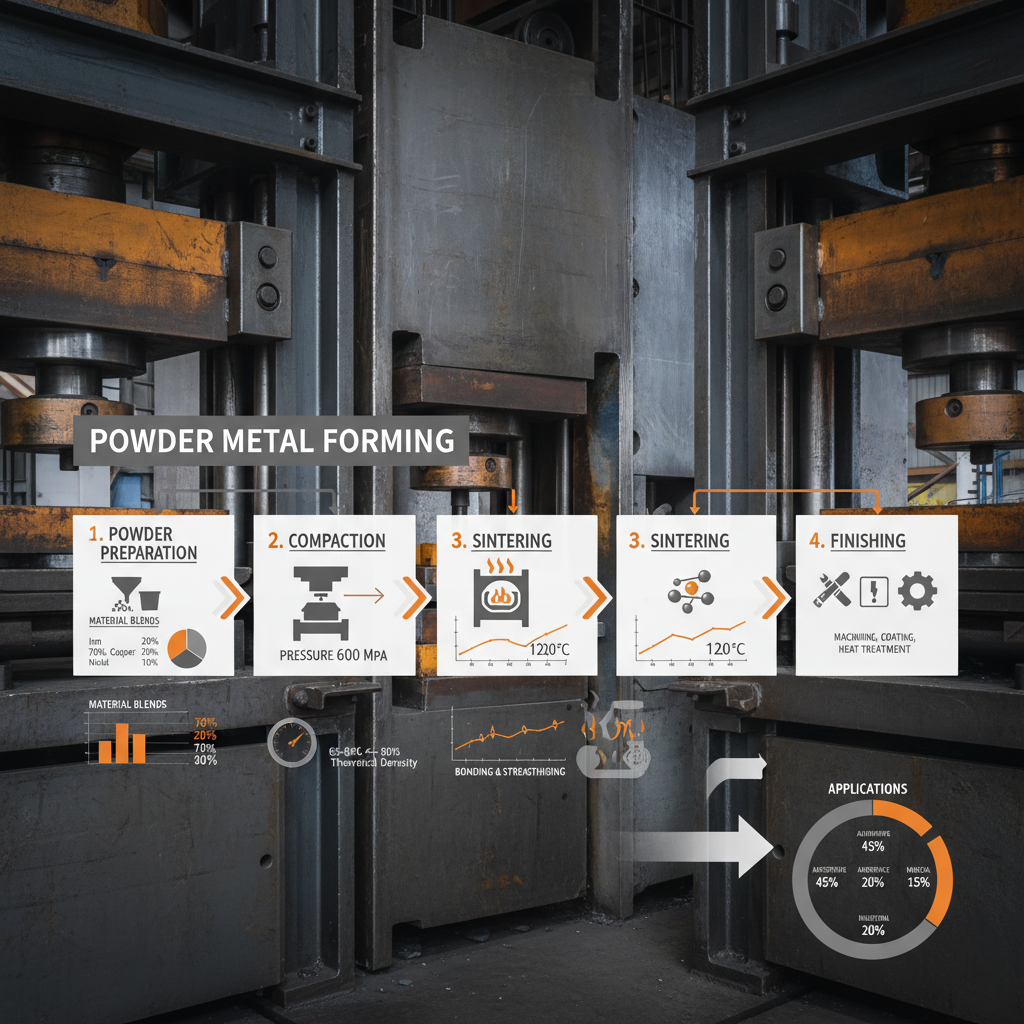
This process involves compacting finely divided metal powders into a desired shape, followed by sintering – a heat treatment process that bonds the particles together. The resulting parts exhibit consistent mechanical properties and can be tailored to specific application requirements. This is particularly crucial for industries like automotive and aerospace where component reliability is paramount.

Defining Powder Metal Forming

At its core, powder metal forming is a process where metallic powders are consolidated into a solid form. Unlike traditional methods like casting or forging, it begins with raw materials already in powder form, eliminating the need for extensive machining. This "near-net-shape" capability significantly reduces material waste and manufacturing costs.

The connection to modern industry is direct and profound. Powder metal forming facilitates the creation of components for critical applications, including engine parts, gears, bearings, and structural elements. These components play vital roles in powering transportation, enabling industrial processes, and advancing technological innovation.

Furthermore, powder metal forming addresses several humanitarian needs, particularly in the development of affordable medical implants and durable infrastructure components. Its precision and material control allow for the creation of customized medical devices and robust building materials, contributing to improved healthcare and sustainable development.

Key Advantages of Powder Metal Forming

One of the most significant advantages of powder metal forming is its inherent cost-efficiency. Reducing or eliminating the need for secondary machining operations, like milling or turning, dramatically lowers production costs. The use of minimal material, combined with high production rates, further contributes to overall cost savings. This makes powder metal forming a competitive option for high-volume manufacturing.

Durability is another key benefit. Parts produced through powder metal forming often exhibit excellent mechanical properties, including high strength, hardness, and wear resistance. The control over alloy composition and microstructure enables the creation of components tailored to withstand demanding operating conditions. The process also allows for the creation of porous structures for applications requiring self-lubrication.

Scalability is a crucial advantage in today’s dynamic manufacturing landscape. Powder metal forming easily adapts to varying production volumes, from small batches to mass production runs. This flexibility makes it suitable for both prototyping and large-scale manufacturing, offering businesses the agility to respond to changing market demands. Furthermore, the process lends itself to automation, enhancing production efficiency.

Global Applications of Powder Metal Forming

Powder metal forming finds widespread application in the automotive industry, producing components like gears, connecting rods, and valve guides. The ability to create lightweight, high-strength parts contributes to improved fuel efficiency and vehicle performance. These components often replace heavier, traditionally manufactured alternatives.

In the aerospace sector, powder metal forming is utilized to manufacture complex turbine blades, structural components, and engine parts. The stringent requirements for material properties and precision make powder metallurgy an ideal choice for these critical applications. The resultant components often boast superior fatigue resistance and thermal stability.

Furthermore, powder metal forming is increasingly employed in medical device manufacturing, enabling the creation of customized implants, surgical instruments, and dental prosthetics. The biocompatibility of certain metal powders, coupled with the ability to create complex geometries, makes it a valuable technology for improving patient outcomes. In post-disaster relief operations, rapidly deployable infrastructure components created using powder metal forming can provide immediate and durable solutions.

Powder Metal Forming Application Breakdown by Industry


Long-Term Value and Benefits

The long-term value of powder metal forming lies in its inherent sustainability. By minimizing material waste and reducing energy consumption compared to traditional machining, it contributes to environmentally responsible manufacturing practices. The ability to recycle metal powders further enhances its eco-friendliness. This aligns with growing global concerns regarding resource conservation.

Beyond environmental benefits, powder metal forming offers substantial cost savings over the lifecycle of a product. Lower production costs, reduced material waste, and minimized machining requirements translate into competitive pricing and increased profitability. Moreover, the creation of high-performance, durable components reduces the need for frequent replacements, contributing to long-term cost efficiency.

Future Trends in Powder Metal Forming

Additive manufacturing, or 3D printing, is rapidly converging with powder metallurgy, creating exciting new possibilities. Binder jetting and direct metal laser sintering (DMLS) are enabling the production of highly complex geometries and customized parts that were previously unattainable. This synergy is driving innovation in areas like medical implants and aerospace components.

The development of advanced metal powders with improved flowability and sintering characteristics is another significant trend. Nanopowders and composite powders are offering enhanced mechanical properties and functionalities, paving the way for the creation of next-generation materials. Research into sustainable powder sources, such as recycled metals, is also gaining momentum.

Challenges and Innovative Solutions

One persistent challenge in powder metal forming is achieving consistent density and minimizing porosity in the final product. Incomplete sintering can lead to weaker components and reduced performance. Innovative solutions include optimizing sintering parameters, employing advanced powder processing techniques, and utilizing hot isostatic pressing (HIP) to eliminate internal voids.

Another challenge lies in the cost of specialized equipment and tooling. However, advancements in automation and digital manufacturing are driving down costs and making powder metal forming more accessible to smaller businesses. Collaborative research and development efforts are also helping to accelerate the adoption of new technologies.

Furthermore, controlling powder characteristics, such as particle size distribution and morphology, is crucial for achieving consistent results. Advanced powder characterization techniques and precise powder handling systems are essential for overcoming this challenge and ensuring product quality.

Analysis of Common Challenges in Powder Metal Forming

Challenge Impact on Quality Severity (1-10) Potential Solutions
Powder Flowability Uneven Density Distribution 7 Optimized Powder Morphology, Vibratory Feeders
Sintering Control Porosity, Reduced Strength 9 Atmosphere Control, Advanced Sintering Techniques
Tooling Wear Dimensional Inaccuracies 6 High-Speed Steel Tooling, Lubrication
Powder Contamination Reduced Mechanical Properties 8 Closed Powder Handling Systems, Filtration
Green Strength Part Damage During Handling 5 Binder Selection, Careful Handling Procedures
Dimensional Shrinkage Part Dimensionality Issues 7 Process Control, Compensation Techniques

FAQS

What are the primary advantages of powder metal forming over traditional manufacturing methods like machining?

Powder metal forming excels in net-shape or near-net-shape production, significantly reducing the need for costly machining. This results in less material waste, lower production costs, and the ability to create complex geometries. Furthermore, it allows for the creation of materials and alloys that are difficult or impossible to produce through conventional methods. It’s especially advantageous for high-volume production runs where tooling costs are amortized over a large number of parts.

Is powder metal forming suitable for producing small-batch or customized components?

While traditionally favored for large-scale production, advancements in additive manufacturing technologies like binder jetting are making powder metal forming increasingly viable for small-batch and customized components. These technologies enable the creation of complex designs without the need for expensive tooling, offering flexibility and reduced lead times. The growing availability of rapid prototyping services further supports this trend.

What types of metals can be used in powder metal forming?

A wide range of metals can be utilized, including iron, steel, stainless steel, aluminum, copper, nickel, and titanium. The selection depends on the desired properties of the final component, such as strength, corrosion resistance, and thermal conductivity. Composite powders, combining different metals or metal alloys, are also commonly used to tailor material properties to specific applications.

How does the sintering process affect the final properties of a powder metal component?

The sintering process is critical, as it determines the density, strength, and microstructure of the final component. Precise control of temperature, time, and atmosphere is essential for achieving optimal bonding between the metal particles. Insufficient sintering can lead to porosity and reduced mechanical properties, while excessive sintering can cause grain growth and distortion. Hot Isostatic Pressing (HIP) is often employed to further enhance density and eliminate internal voids.

What are the typical applications of powder metal forming in the automotive industry?

Powder metal forming is extensively used in the automotive industry for producing gears, connecting rods, valve guides, bushings, and engine components. Its ability to create complex shapes with high precision and durability contributes to improved engine performance, fuel efficiency, and vehicle reliability. Furthermore, PM parts often offer weight reductions compared to traditionally manufactured components.

What is the environmental impact of powder metal forming compared to other manufacturing processes?

Powder metal forming generally has a lower environmental impact than traditional machining processes due to minimal material waste and reduced energy consumption. The ability to recycle metal powders further enhances its sustainability. While the sintering process does require energy, it’s often less energy-intensive than casting or forging. The near-net-shape capabilities also reduce the need for secondary operations and associated emissions.

Conclusion

Powder metal forming represents a powerful and versatile manufacturing technology with significant benefits across a diverse range of industries. From its inherent cost-efficiency and design flexibility to its sustainable practices and capacity for producing high-performance components, powder metallurgy is pivotal in shaping the future of manufacturing. Understanding its core principles and emerging trends is essential for professionals seeking to optimize production processes, reduce environmental impact, and innovate within their respective fields.

Looking ahead, the convergence of powder metal forming with additive manufacturing and the development of advanced materials promise to unlock even greater potential. Continued research and development, coupled with increased adoption of automation and digital technologies, will drive further innovation and expand the applications of powder metal forming, solidifying its role as a cornerstone of modern manufacturing.
David Miller

David Miller

David Miller is the Head of Engineering at Shijiazhuang JingShi New Material Science and Technology Co., Ltd. He brings over 15 years of experience in powder metallurgy and materials science. David oversees all aspects of OEM part development, from initial design consultation to final production. He is a key driver
Previous Exploring the Powder Metal Forming Process and Its Global Impact
Next Exploring the Advantages of Powder Metal Forging in Modern Manufacturing

If you are interested in our products, you can choose to leave your information here, and we will be in touch with you shortly.