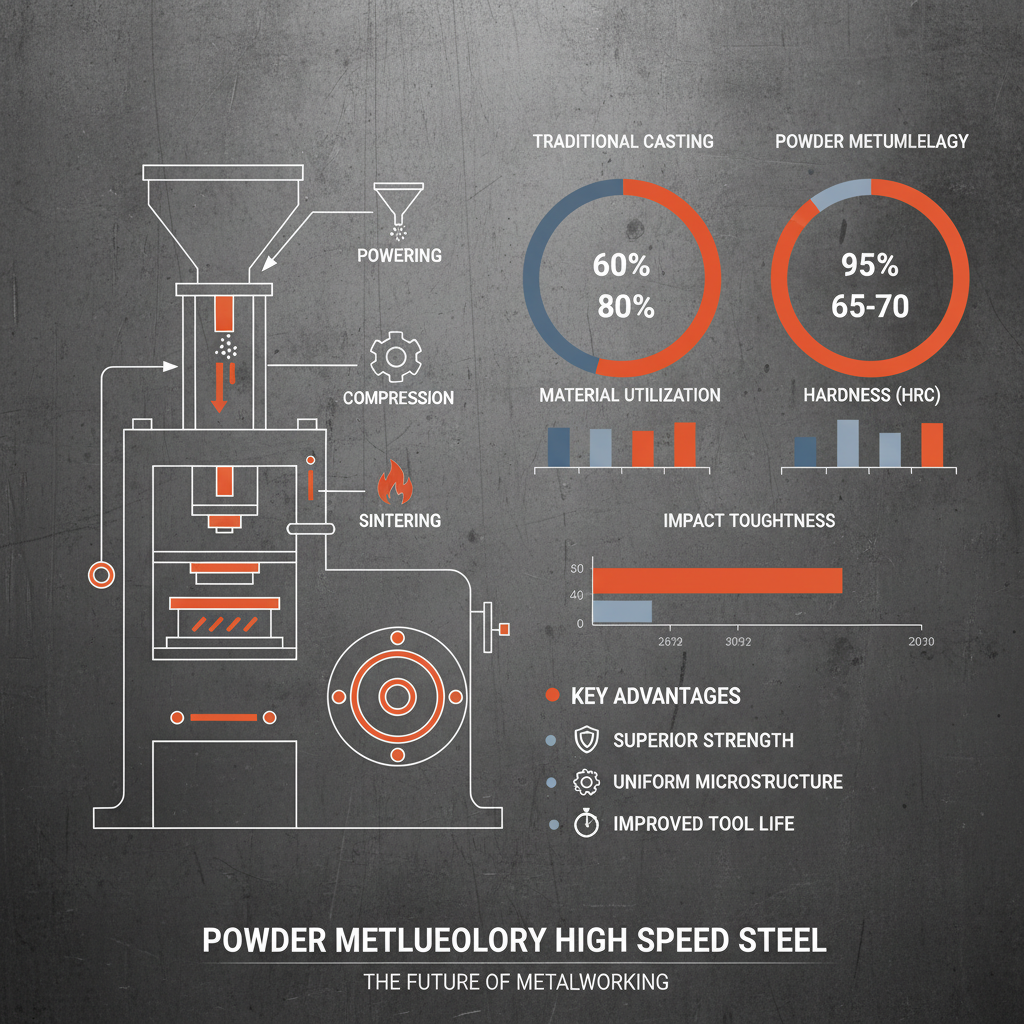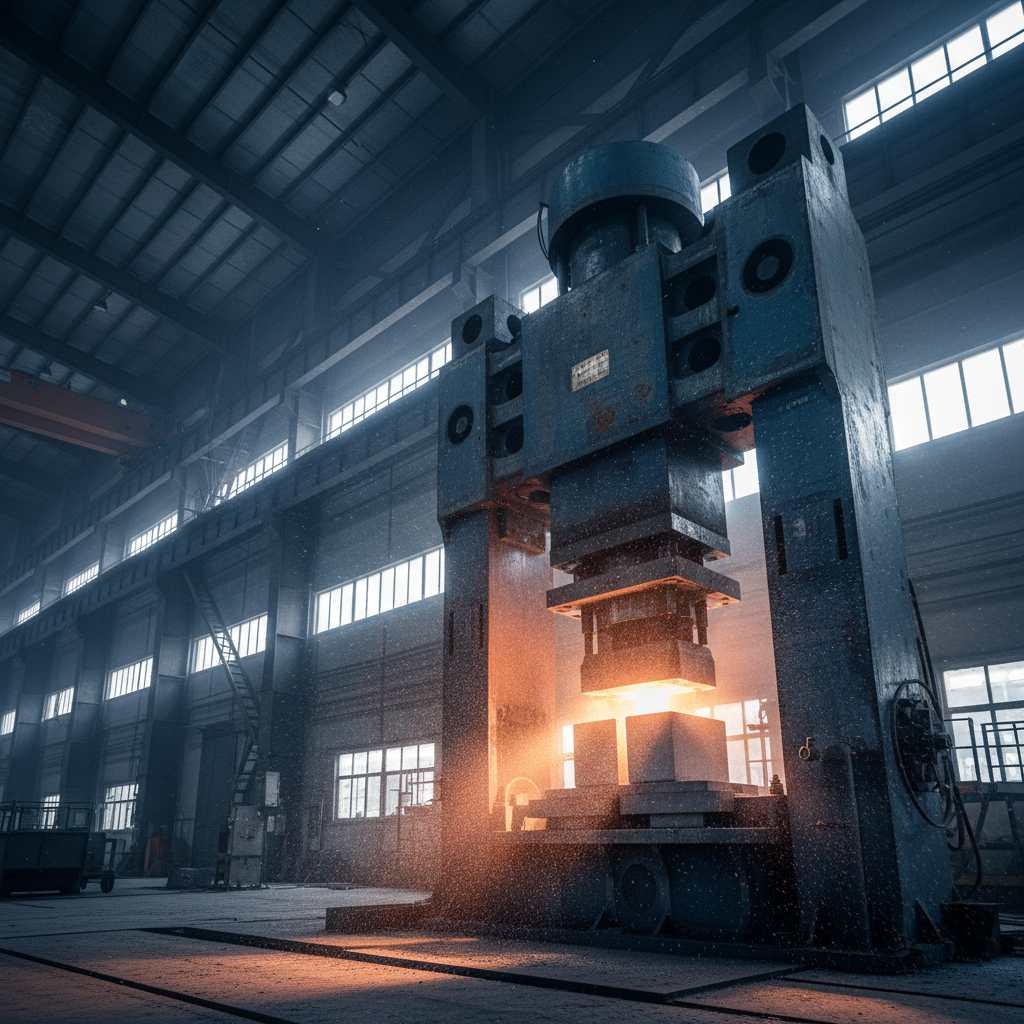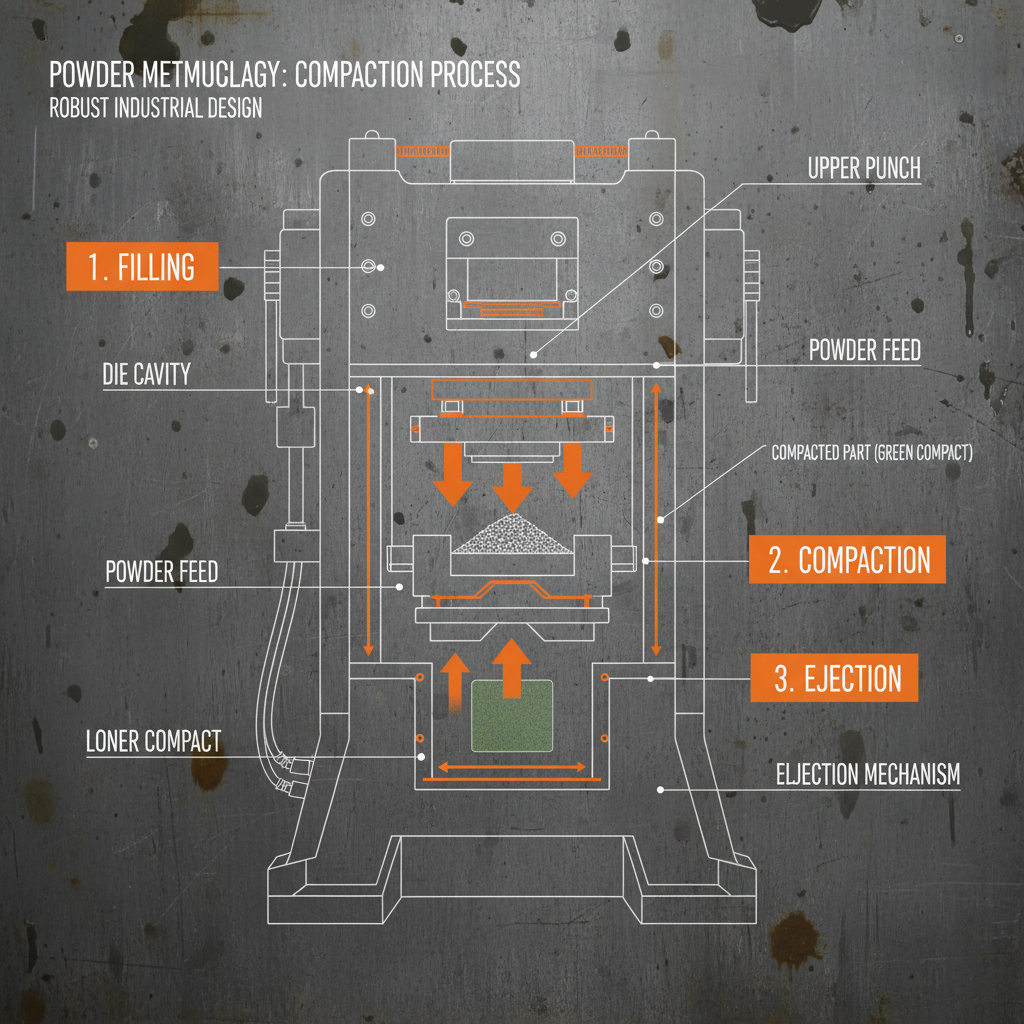


Powder metallurgy high speed steel (PM HSS) isn't just a material spec on a datasheet; it’s the backbone of tools that keep industries running. I’ve spent years on shop floors, watching machinists wrestle with challenging materials, and I’ve seen firsthand how the right steel makes all the difference. This isn’t about flashy marketing; it's about getting consistent, reliable performance from the cutting tools, dies, and molds that actually build things. The demand is growing globally, fueled by industries needing robust, cost-effective solutions—from aerospace to automotive, and even medical device manufacturing.
What really matters in a production environment isn't just the initial cost of a tool, but its total cost of ownership. PM HSS offers a compelling balance, often outperforming traditional steels in wear resistance and toughness without breaking the bank. We're seeing a real shift in manufacturing away from purely exotic alloys towards intelligently engineered PM HSS grades, and that’s impacting efficiency across the board. The UN Industrial Development Organization emphasizes the importance of robust material supply chains for sustainable industrial growth, and PM HSS fits neatly into that equation.
The rise in demand isn't without its challenges. Sourcing reliable powder, mastering the sintering process, and ensuring consistent quality control are critical. But when done right, PM HSS delivers a material that’s not just strong, but smart – designed for specific applications with tailored properties. This makes it a cornerstone for modern manufacturing, offering a path to greater productivity and reduced waste.
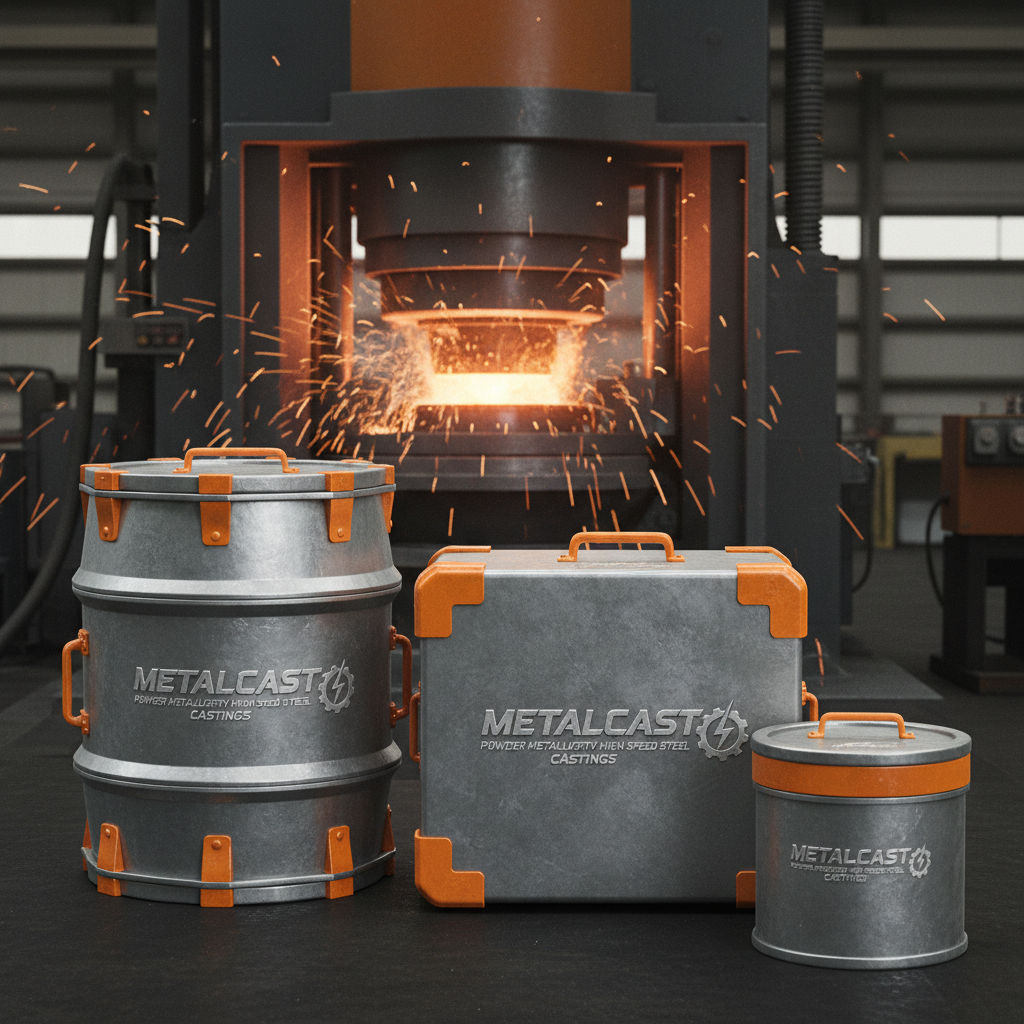
Powder metallurgy high speed steel (PM HSS) isn’t about melting and casting like traditional high speed steels. It's about starting with finely atomized metal powders – iron, tungsten, molybdenum, chromium, vanadium – mixing them precisely, pressing them into the desired shape, and then sintering them at high temperatures. This process creates a material with a remarkably uniform microstructure. What this means in practice is predictable performance and fewer unexpected failures. I’ve seen enough snapped drill bits to appreciate a material that doesn’t throw surprises.
The control we get with powder metallurgy is key. We're not fighting against grain boundaries or segregation like you do with conventional metallurgy. It’s a far more repeatable process, allowing us to dial in specific properties for demanding applications. That consistent microstructure is a game-changer when you’re talking about tool life and the overall efficiency of a machining operation.
The global tool and die market is huge - we're talking hundreds of billions of dollars annually, and PM HSS plays a significant role within that. Countries like Germany, Japan, China, and the US are leading consumers and producers, driving innovation and demanding higher performance. According to recent reports from ISO, the demand for PM HSS is steadily increasing, particularly in emerging economies focused on manufacturing expansion. It’s not just about volume, though; it's about meeting increasingly stringent quality standards.
We’re facing a global skills gap in machining. Fewer experienced tool and die makers mean more reliance on tools that are forgiving and reliable. PM HSS helps bridge that gap. It allows for tighter tolerances and more complex geometries, even with less experienced operators. Plus, the consistent material properties translate to fewer scrapped parts and less rework, which directly impacts a company’s bottom line.
The push for sustainable manufacturing is also a major driver. PM HSS, being a relatively efficient process with minimal waste compared to some traditional methods, aligns with green initiatives. Reducing material waste, extending tool life, and optimizing machining processes all contribute to a more sustainable manufacturing footprint.
Simply put, powder metallurgy high speed steel is a composite material made from metal powders compacted and heated to a point where they bond together (sinter) without melting completely. This contrasts sharply with casting or forging, where the metal is fully molten. This control over the process gives us fine control over the material’s composition and structure.
The ‘high speed’ part refers to the steel’s ability to retain its hardness at elevated temperatures – crucial for cutting tools that generate significant heat during operation. This characteristic is achieved through carefully balanced alloying elements, primarily tungsten, molybdenum, chromium, and vanadium. It’s not just about high temperature resistance, though; it’s about maintaining dimensional stability under stress.
This isn't a new technology—powder metallurgy has been around for decades—but recent advancements in powder production, sintering techniques, and alloy compositions have dramatically expanded the capabilities of PM HSS. We’re seeing grades tailored for specific applications that were simply impossible to achieve with traditional methods, meeting a critical need in modern industries.
The benefits of PM HSS come down to a handful of key characteristics. First, high wear resistance – the material stands up to abrasive forces longer, extending tool life. Second, excellent toughness – it can handle impact and shock loads without fracturing. I've seen tools made with inferior materials chip and break under stress, but PM HSS holds up remarkably well.
Then there's dimensional stability – the material maintains its shape and size during machining, ensuring precision. This is crucial for tight tolerances. Another key factor is metallurgical cleanliness. The powder metallurgy process minimizes impurities and defects, resulting in a more homogenous material. Finally, design flexibility allows for complex shapes and internal features that are difficult or impossible to achieve with other manufacturing methods.
You’ll find PM HSS tools everywhere – in automotive engine components, aerospace turbine blades, medical implants, and even the molds used to manufacture plastic parts. It's the go-to material for cutting tools like drill bits, end mills, and taps. Specifically, in the automotive industry, PM HSS is used extensively for gear manufacturing, ensuring durability and precision.
In aerospace, where lightweight and high-strength materials are crucial, PM HSS is utilized for specialized cutting tools and components that withstand extreme temperatures and stresses. I’ve seen PM HSS tools used to machine exotic alloys like titanium and Inconel with impressive results. I’ve also noticed it’s becoming common in the oil and gas industry for downhole tools, where reliability in harsh environments is paramount.
It's not just about the initial cost. PM HSS typically delivers a lower total cost of ownership due to its extended tool life and reduced downtime. Fewer tool changes mean increased productivity and lower labor costs. Plus, the improved surface finish on machined parts often reduces the need for secondary operations like grinding or polishing.
Sustainability is another significant advantage. Longer tool life means less material waste, and the PM process itself is relatively energy-efficient. Investing in PM HSS is a statement about a company's commitment to both efficiency and responsible manufacturing. It builds trust with customers and demonstrates a focus on long-term value.
We’re seeing a lot of exciting developments in the PM HSS space. Additive manufacturing (3D printing) is opening up new possibilities for creating complex tool geometries and customized solutions. Researchers are also exploring new alloy compositions with even higher hardness and toughness. Digital twins and machine learning are being used to optimize sintering processes and predict tool performance.
There’s a push towards ‘near-net-shape’ manufacturing, where parts are formed close to their final dimensions, minimizing material waste and machining time. This aligns perfectly with the capabilities of powder metallurgy. Plus, the integration of PM HSS with advanced coatings is further enhancing tool life and performance, creating a synergistic effect.
Automation in powder handling and pressing is also increasing efficiency and reducing costs. We’re moving towards fully automated PM HSS production lines, capable of delivering consistent, high-quality parts at scale. This is crucial for meeting the growing demand and remaining competitive in a global market.
| Application Area | PM HSS Grade | Key Performance Metric | Cost Consideration |
|---|---|---|---|
| High-Volume Automotive Machining | M42 | Tool Life (hours) | $5-10/tool |
| Aerospace Turbine Blade Manufacturing | T1 | Surface Finish (Ra) | $15-30/tool |
| Medical Implant Production | ASP2020 | Dimensional Accuracy (μm) | $20-40/tool |
| Die Casting for Aluminum Parts | PM HSS with TiN Coating | Cycle Time (seconds) | $10-20/tool |
| Precision Gear Cutting | M35 | Gear Accuracy (AGMA rating) | $8-15/tool |
| High-Speed Drilling of Steel | HSSE PM | Drill Bit Life (holes) | $3-7/tool |
The primary advantage lies in the more uniform microstructure achieved through powder metallurgy. This results in more consistent mechanical properties, reduced porosity, and ultimately, a more reliable and longer-lasting tool. You eliminate the segregation issues common in casting and forging, leading to predictable performance every time. It’s about minimizing variation and maximizing efficiency.
Initially, PM HSS tools can be slightly more expensive than conventionally produced tools. However, the increased tool life and reduced downtime typically result in a lower total cost of ownership. Fewer tool changes, reduced scrap rates, and improved surface finishes all contribute to significant savings over the long run. You’re paying a little more upfront for a lot more value down the line.
PM HSS tools excel in applications requiring high wear resistance, toughness, and dimensional stability, such as machining hard materials, high-volume production runs, and precision machining. They are particularly well-suited for cutting tools like drill bits, end mills, taps, and reamers, as well as dies and molds used in various manufacturing processes.
Absolutely! PM HSS is an excellent substrate for various coatings, such as titanium nitride (TiN), titanium carbonitride (TiCN), and aluminum titanium nitride (AlTiN). These coatings further improve wear resistance, reduce friction, and enhance tool life. Combining PM HSS with advanced coatings unlocks even greater performance gains.
Sintering is the critical heat treatment step where the compacted metal powders bond together without melting completely. It’s where the material gains its strength and density. Controlling the sintering temperature, time, and atmosphere is crucial for achieving the desired microstructure and properties. It's a delicate balance, and experience is key to getting it right.
PM HSS promotes sustainability by reducing material waste, extending tool life, and minimizing the need for secondary operations. The powder metallurgy process itself is relatively efficient and can utilize recycled materials. By optimizing machining processes and reducing scrap rates, PM HSS helps manufacturers minimize their environmental impact and achieve greater resource efficiency.
Powder metallurgy high speed steel isn't just a material; it's a strategic advantage for manufacturers. From its inherent metallurgical benefits and cost-effectiveness to its adaptability for cutting-edge applications and contribution to sustainable practices, PM HSS underpins the performance and efficiency of countless industries. It’s a technology that's constantly evolving, driven by the demand for higher precision, longer tool life, and reduced costs.
Looking ahead, continued innovation in powder metallurgy, additive manufacturing, and coating technologies will further expand the capabilities of PM HSS. Embracing these advancements and investing in high-quality PM HSS tools is essential for manufacturers seeking to remain competitive in a rapidly changing global landscape. To learn more about how PM HSS can benefit your operations, visit our website: powder metallurgy high speed steel.
PRODUCTS
CONTACT US
Address:TIANSHAN INTERNATIONAL MANUFACTURING INDUSTRY PARK NO.57, YUANSHI, SHIJIAZHUANG CITY, HEBEI PROVINCE, CHINA
If you are interested in our products, you can choose to leave your information here, and we will be in touch with you shortly.