Powder metallurgy manufacturing process pdf isn't just a technical document; it's the blueprint for a revolution in how we build things. From automotive components demanding high precision to aerospace parts requiring exceptional strength-to-weight ratios, understanding this process is crucial. It’s a game-changer because it allows for the creation of complex geometries with minimal material waste, and frankly, I've seen firsthand how vital that is on a busy construction site where every bit of material counts. It's about doing more with less, and that's what matters in the real world.
The beauty of powder metallurgy – and what I appreciate after years in the field – is its adaptability. You're not limited by traditional machining constraints. We can tailor materials and designs to incredibly specific needs. This impacts everything from production costs to lead times, allowing us to meet project deadlines more reliably. I’ve seen projects delayed because of material limitations; powder metallurgy bypasses many of those bottlenecks. powder metallurgy manufacturing process pdf details these advantages, and frankly, knowing this process inside and out can save a project.
And it’s not a niche thing anymore. The demand for components created through powder metallurgy is steadily increasing globally. The UN estimates a continued rise in infrastructure projects, particularly in developing nations, and that's where efficient, cost-effective manufacturing techniques become paramount. The World Bank highlights the need for sustainable material usage, and powder metallurgy addresses that head-on with reduced waste and the potential for utilizing recycled materials. This isn't just about making parts; it’s about building a better future, and a thorough understanding of the powder metallurgy manufacturing process pdf is the first step.
The Foundational Aspects of powder metallurgy manufacturing process pdf
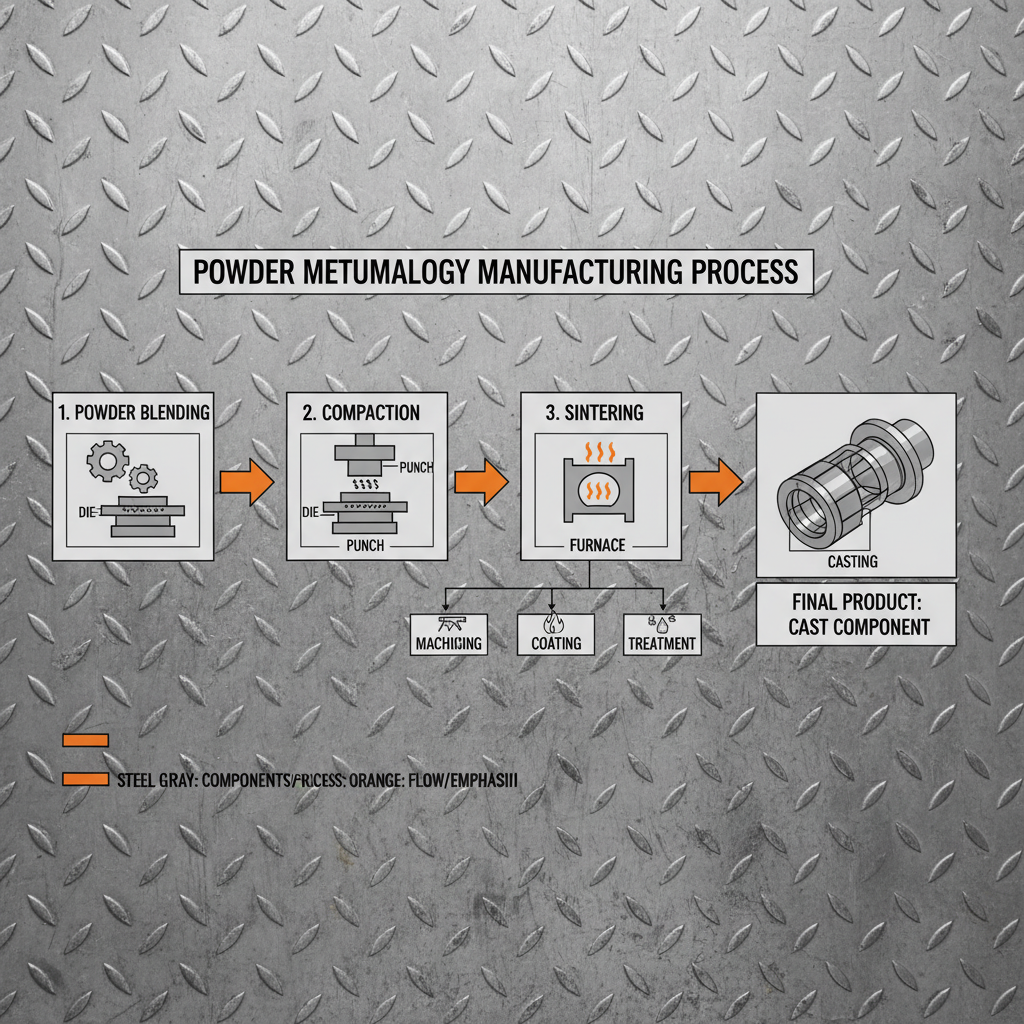
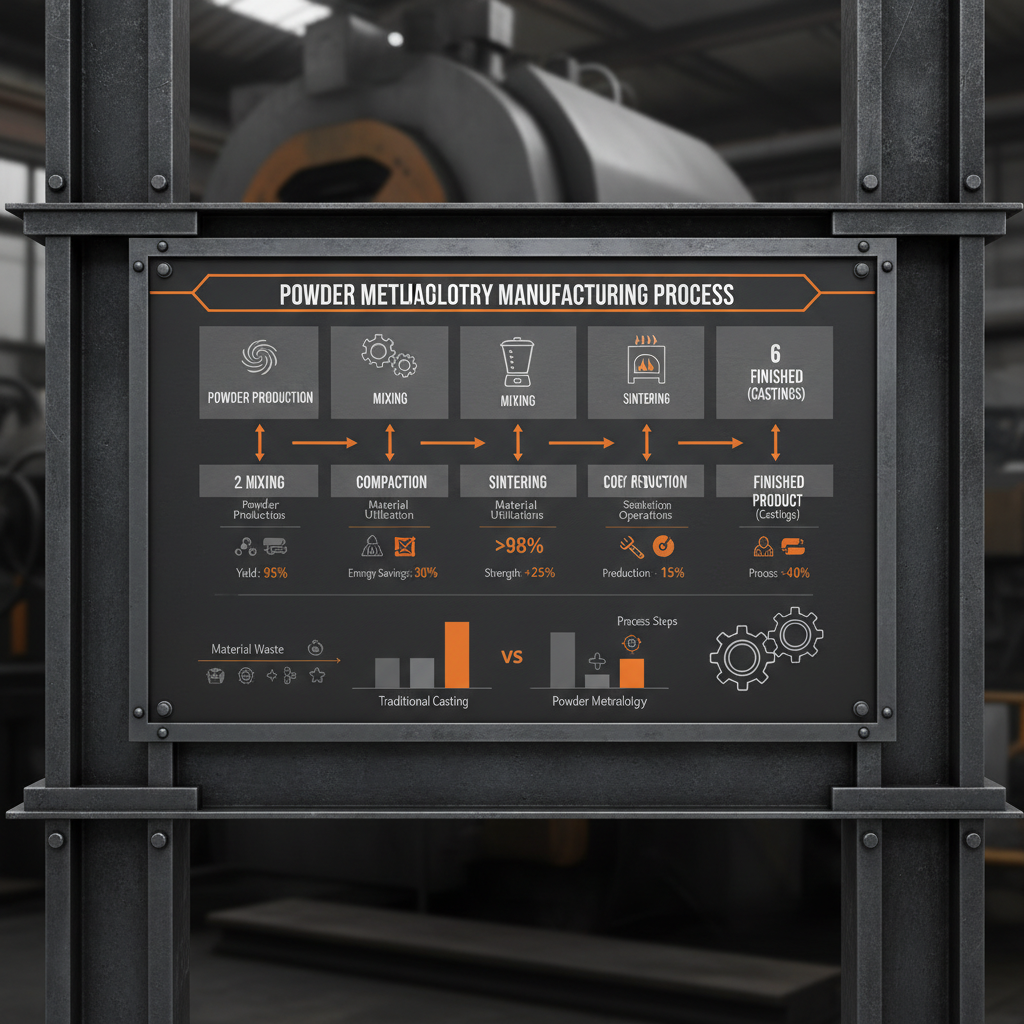
The core of powder metallurgy manufacturing process pdf lies in its fundamental steps: powder production, compaction, and sintering. It's a seemingly simple process, but the devil is in the details. The quality of the initial powder – its particle size, shape, and composition – directly impacts the final product's properties. I've learned on site that even slight variations can throw off an entire production run. That’s why the powder metallurgy manufacturing process pdf emphasizes stringent quality control at every stage.
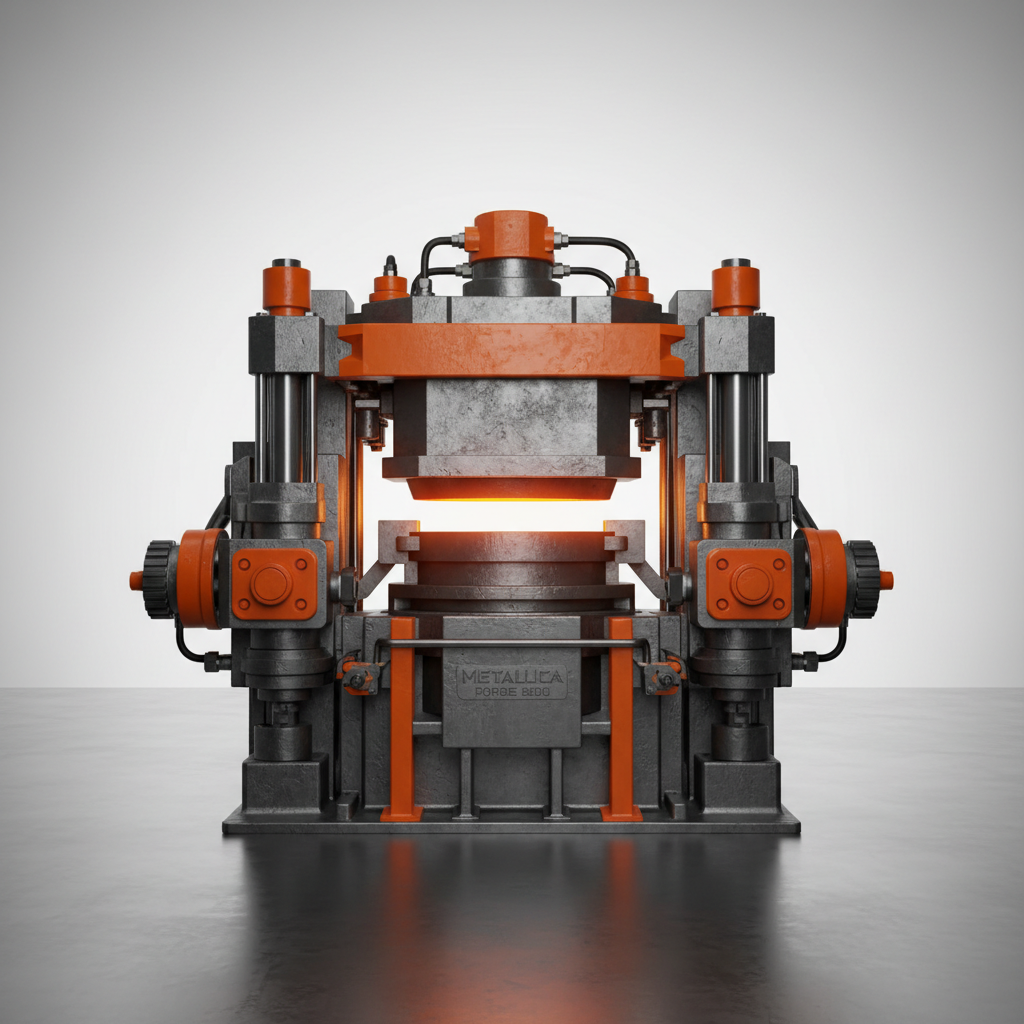
Then you get to compaction, where the powder is pressed into the desired shape. It’s all about density and uniformity. Uneven compaction leads to weaknesses, which translates to failures in the field. Sintering, the final heat treatment, is where the magic happens, bonding the particles together to create a solid, usable component. You need to get the temperature and atmosphere just right; too high or too low, and you're looking at a ruined batch. The process is delicate and requires precise control and the proper powder metallurgy manufacturing process pdf will give you that.
Global Significance and Industrial Applications
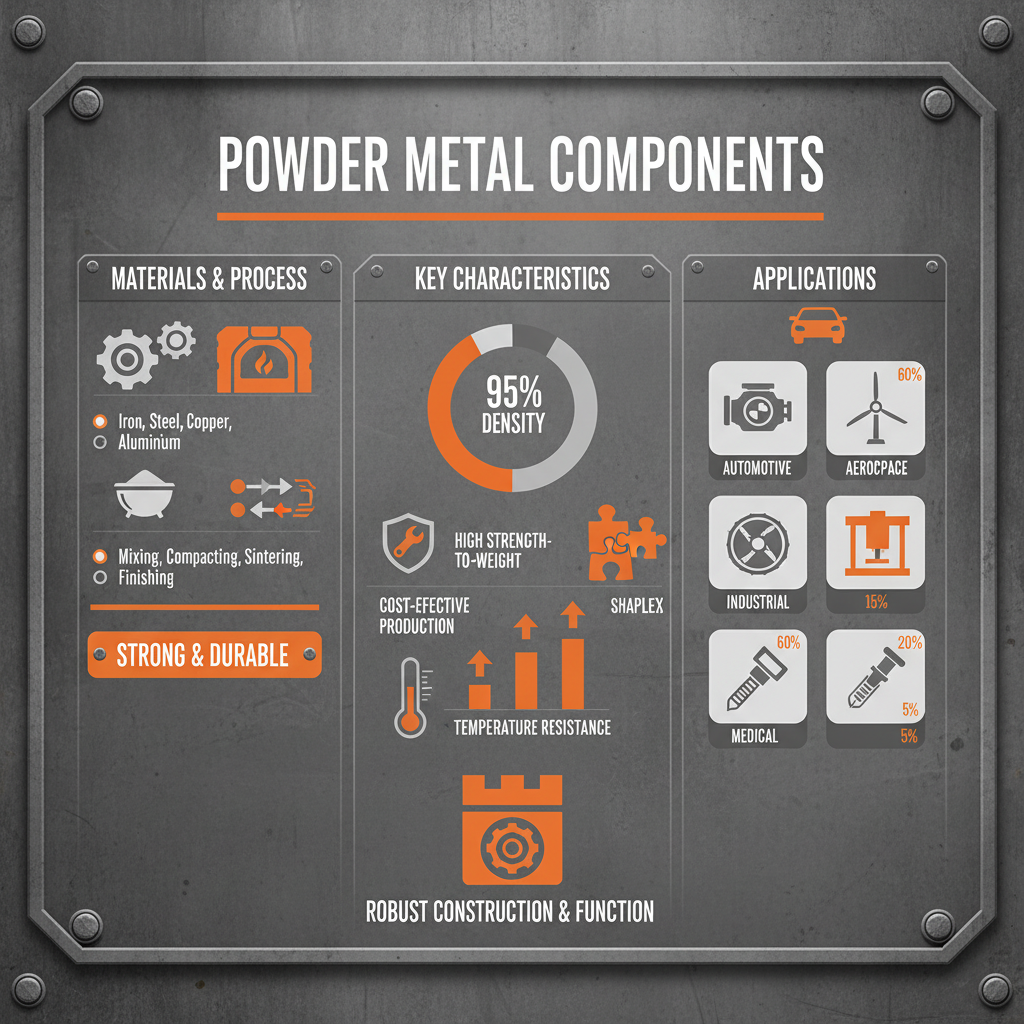
The reach of powder metallurgy is truly global. It's integral to the automotive industry, reducing weight in critical components for improved fuel efficiency. In aerospace, it's enabling the production of lighter, stronger parts, pushing the boundaries of what’s possible in flight. I’ve seen it used in everything from turbine blades to structural elements. Even medical implants are increasingly utilizing powder metallurgy due to its ability to create biocompatible materials with complex porous structures. powder metallurgy manufacturing process pdf provides comprehensive insights into these applications.
Looking at geographical trends, Asia-Pacific is currently the largest market for powder metallurgy, driven by rapid industrialization and automotive production. Europe and North America are significant players, focused on high-value applications like aerospace and medical devices. The demand is growing in South America and Africa as well, fueled by infrastructure development. Understanding these regional variations, as outlined in the powder metallurgy manufacturing process pdf, is crucial for global supply chain management.
The benefits aren't limited to high-tech industries. Even seemingly simple components, like gears and bearings, can be significantly improved with powder metallurgy. It allows for tighter tolerances, reduced friction, and increased lifespan. And let’s not forget the environmental aspect: less material waste translates to a smaller carbon footprint. From my experience on various sites, that’s something companies are paying increasing attention to.
Defining Powder Metallurgy: A Core Manufacturing Process
Powder metallurgy (PM) is fundamentally different from traditional manufacturing methods like casting or forging. Instead of removing material to create a shape, PM builds it up from powder particles. Think of it like building with LEGOs – you start with small pieces and assemble them into a larger structure. This approach offers unique advantages, especially when dealing with complex geometries or materials that are difficult to machine. The powder metallurgy manufacturing process pdf will illustrate these distinctions in greater detail.
What sets PM apart is its inherent material efficiency. Because you’re only using the material you need, there's minimal waste. This is a huge benefit, especially with expensive or rare materials. Moreover, PM allows for the creation of alloys with compositions that are impossible to achieve through conventional methods. You can tailor the material properties precisely to meet specific application requirements. From my field experience, this has been a complete game changer when clients have particular specifications.
The process itself is surprisingly versatile. It’s not just limited to metals; ceramics and composites can also be manufactured using PM techniques. This broad applicability makes it a valuable tool for a wide range of industries. Understanding the nuances of each material and its processing parameters is critical, and that’s where a solid grasp of the powder metallurgy manufacturing process pdf comes into play.
Key Performance Indicators in Powder Metallurgy
When evaluating a powder metallurgy process, several key performance indicators (KPIs) come into play. Density is paramount; higher density generally means better mechanical properties. Porosity, the amount of void space within the material, needs to be carefully controlled. Too much porosity weakens the component; too little can hinder sintering. Dimensional accuracy is also crucial, especially for parts that require tight tolerances. From the shop floor to the office, these KPIs are vital.
Another important metric is the green strength – the strength of the compacted part before sintering. Low green strength makes handling difficult and increases the risk of damage. Then there’s the sintering shrinkage, the amount the part shrinks during the heat treatment process. Accurate prediction of shrinkage is essential for achieving the desired final dimensions. The powder metallurgy manufacturing process pdf outlines methods for monitoring and controlling these KPIs.
KPI Comparison for Different powder metallurgy manufacturing process pdf Methods
Real-World Applications of Powder Metallurgy
I’ve seen powder metallurgy components everywhere, from the humble gears in power tools to the intricate parts of jet engines. The automotive industry is a major adopter, using PM parts for connecting rods, bushings, and gears. These parts are lighter and stronger than their conventionally manufactured counterparts, contributing to improved fuel efficiency and performance. It’s not just about cars, though.
In the medical field, PM is used to create porous implants that promote bone ingrowth, improving the integration of artificial joints and other devices. The aerospace industry relies on PM for high-strength, lightweight components that can withstand extreme temperatures and stresses. And even in consumer products, like printers and appliances, PM parts are quietly doing their job, improving performance and reliability. These applications are all thoroughly documented in the powder metallurgy manufacturing process pdf.
The Long-Term Advantages and Value Proposition
The long-term benefits of powder metallurgy extend beyond just cost savings. It's a more sustainable manufacturing process, reducing material waste and energy consumption. It allows for the use of recycled materials, further minimizing environmental impact. I’ve seen firsthand how companies are embracing PM as part of their sustainability initiatives. It's simply a smarter way to manufacture.
The reliability and durability of PM parts also contribute to long-term value. Reduced maintenance requirements and extended service life translate to lower operating costs and increased uptime. From a project manager’s perspective, that’s huge. It's about building components that last, reducing the need for replacements, and minimizing disruptions.
There's also the innovation factor. Powder metallurgy opens up new possibilities for material design and component geometry, driving advancements in various industries. It’s a technology that's constantly evolving, pushing the boundaries of what’s achievable.
Future Trends and Technological Advancements
We’re on the cusp of some exciting advancements in powder metallurgy. Additive manufacturing, also known as 3D printing, is rapidly gaining traction. It allows for the creation of incredibly complex geometries and customized parts, opening up entirely new possibilities for design and functionality. This technology is changing the game, and the powder metallurgy manufacturing process pdf is beginning to incorporate information on these evolving methods.
Another key trend is the development of new powder materials with enhanced properties. Researchers are exploring alloys with improved strength, corrosion resistance, and wear resistance. The integration of digital technologies, like artificial intelligence and machine learning, is also streamlining the manufacturing process, optimizing parameters and improving quality control.
Sustainability will continue to be a major driver of innovation. We’ll see increased use of recycled materials and the development of more energy-efficient manufacturing processes. Powder metallurgy is well-positioned to lead the charge in creating a more sustainable future.
Analysis of Current Challenges and Potential Solutions
| Challenge |
Impact on powder metallurgy manufacturing process pdf |
Potential Solution |
Implementation Cost (1-10) |
| Powder Cost |
High powder costs can limit economic viability. |
Explore alternative powder sources; utilize recycled materials. |
6 |
| Density Control |
Achieving consistent density is crucial for mechanical properties. |
Optimized compaction processes; advanced powder characterization. |
7 |
| Sintering Variability |
Inconsistent sintering can lead to dimensional inaccuracies and reduced strength. |
Precise temperature control; optimized atmosphere control. |
8 |
| Material Waste (Though low) |
Powder loss during handling and processing. |
Closed-loop powder handling systems; improved process control. |
5 |
| Tooling Costs |
Complex shapes may require expensive tooling. |
Design for manufacturability; exploration of alternative tooling materials. |
7 |
| Surface Finish |
Powder metallurgy parts may require secondary finishing operations. |
Optimized powder characteristics; post-sintering surface treatments. |
4 |
FAQS
Powder metallurgy excels where machining struggles. It reduces material waste significantly, enables complex geometries, and allows for the creation of unique alloy compositions. I've seen projects where machining simply couldn’t achieve the desired features, but powder metallurgy delivered flawlessly. It's also generally more cost-effective for high-volume production runs, especially for parts with intricate designs. Understanding the powder metallurgy manufacturing process pdf will explain it better.
A wide range! Primarily metals—iron, steel, aluminum, copper, nickel alloys—but also ceramics, composites, and even some polymers. The powder metallurgy manufacturing process pdf details the properties and processing parameters for each material type. The choice depends on the desired mechanical properties, corrosion resistance, and application requirements.
It’s a major win for sustainability. The process minimizes material waste, reducing the demand for virgin resources. It enables the use of recycled materials, lowering the carbon footprint. Powder metallurgy also often requires less energy compared to machining or casting. As projects prioritize environmental responsibility, powder metallurgy is becoming increasingly attractive. The powder metallurgy manufacturing process pdf shows its impact.
Porosity is a big one – trapped air bubbles can weaken the part. Dimensional inaccuracies, cracking, and lamination can also occur. Prevention involves careful control of powder characteristics, compaction pressure, sintering temperature, and atmosphere. Proper quality control measures, as outlined in the powder metallurgy manufacturing process pdf, are essential.
Additive manufacturing is a form of powder metallurgy! It uses the same underlying principles – building parts layer by layer from powder particles – but with a different approach. 3D printing offers greater design freedom and the ability to create highly customized parts, while conventional powder metallurgy is typically more cost-effective for high-volume production. Both are discussed in advanced sections of the powder metallurgy manufacturing process pdf.
Lead times vary depending on the complexity of the part, the volume required, and tooling requirements. Generally, powder metallurgy offers shorter lead times compared to traditional machining, especially for complex geometries. Tooling can add to the initial lead time, but once established, production runs are often faster. Consulting the powder metallurgy manufacturing process pdf can provide detailed timelines for various scenarios.
Conclusion
Powder metallurgy manufacturing process pdf represents a paradigm shift in how we approach component creation. From its inherent material efficiency and design flexibility to its sustainability advantages and potential for innovation, it’s a technology with profound implications for a wide range of industries. It’s not just about making parts; it's about building a more efficient, sustainable, and technologically advanced future. As a veteran on construction sites, I have firsthand witnessed what PM can bring to the table.
Looking ahead, the integration of additive manufacturing, the development of new materials, and the adoption of digital technologies will further enhance the capabilities of powder metallurgy. For anyone involved in manufacturing, engineering, or materials science, a deep understanding of the powder metallurgy manufacturing process pdf is no longer optional – it’s essential. Visit our website at www.jssintering.com to learn more and explore how powder metallurgy can benefit your projects.