

Powder metal gears represent a significant advancement in gear manufacturing, offering a compelling alternative to traditional machining processes. They are particularly crucial in industries demanding high precision, complex geometries, and cost-effectiveness. The ability to produce gears in large volumes with minimal material waste makes them increasingly relevant in a world focused on sustainable manufacturing practices. Understanding their capabilities and limitations is vital for engineers and designers across numerous sectors.
Globally, the demand for efficient and reliable power transmission systems is constantly growing, fueled by industrialization and advancements in automation. Powder metallurgy (PM) gears address this demand by offering customizable designs and consistent quality. According to industry reports, the PM gear market is experiencing steady growth, driven by the automotive, aerospace, and industrial equipment sectors. This growth underscores the critical role these gears play in modern manufacturing and infrastructure.
The adoption of powder metal gears isn't merely a technological shift; it's a strategic response to challenges in supply chains, manufacturing costs, and the need for sustainable practices. Their unique properties and manufacturing advantages position them as key components in a diverse range of applications, contributing to enhanced performance and reduced environmental impact.
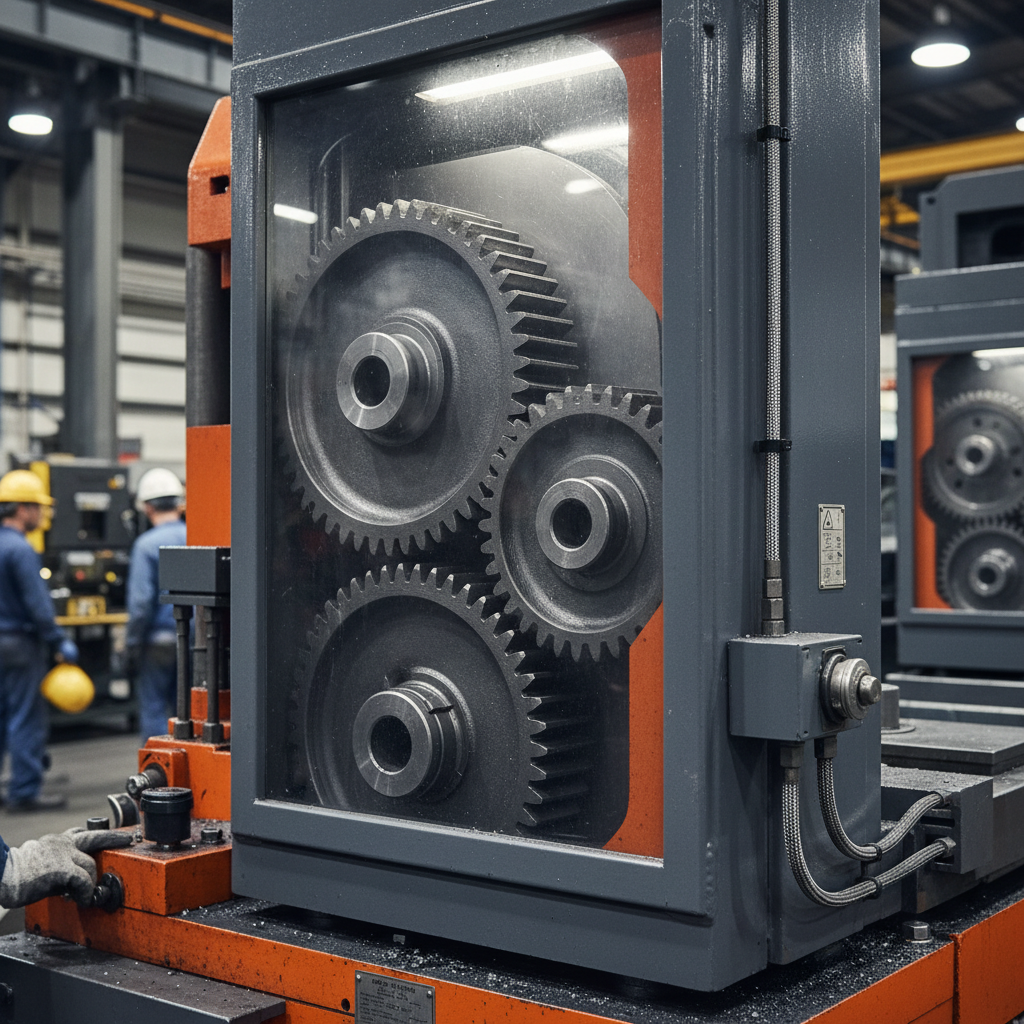
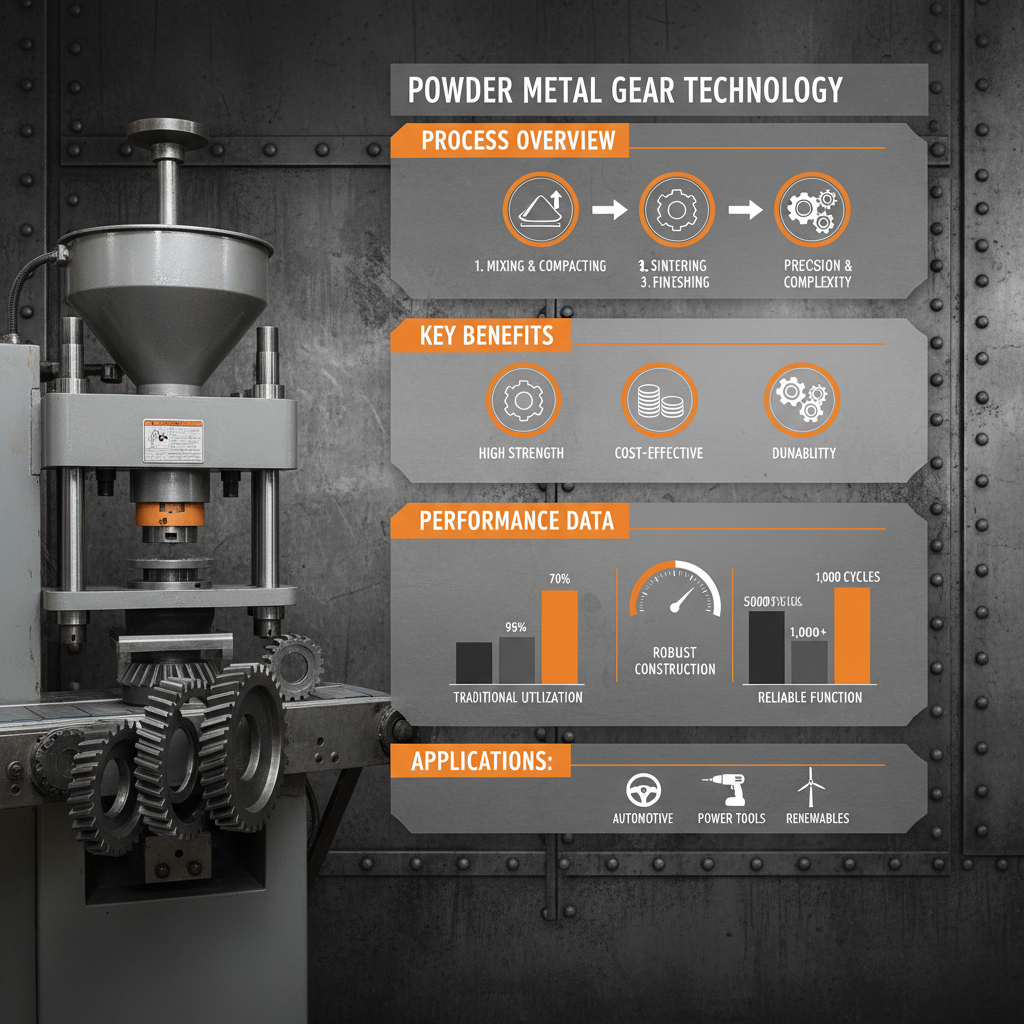
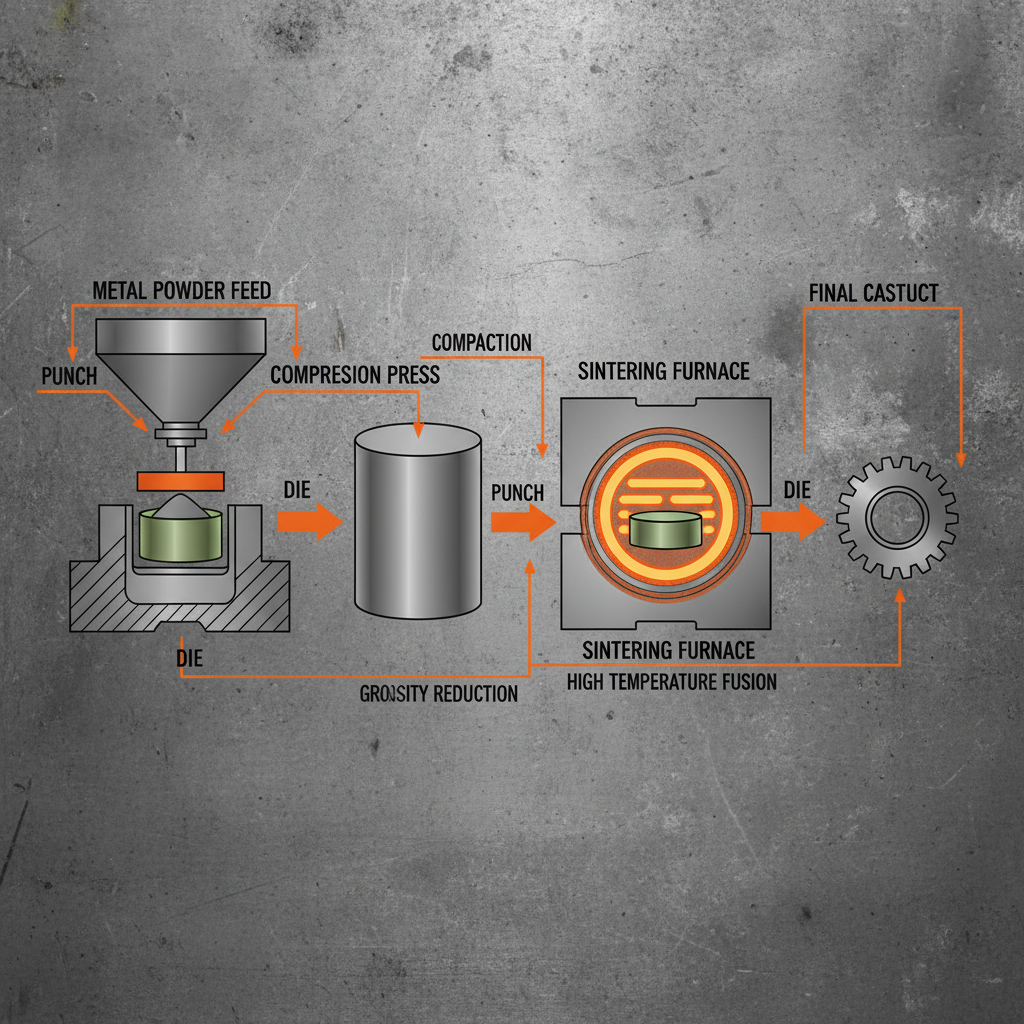
Powder metal gears are manufactured through a unique process of compacting and sintering metal powders, offering a distinct advantage over traditional machining. This process allows for the creation of complex gear shapes with high precision and minimal material waste, making them an ideal solution for applications requiring intricate designs. powder metal gears are increasingly utilized across various industries.
The benefits extend beyond just design flexibility; powder metal gears often exhibit superior metallurgical properties, enhancing their strength, durability, and wear resistance. This makes them well-suited for demanding environments where performance and longevity are critical. They are a significant area of focus for advanced manufacturing research and development.
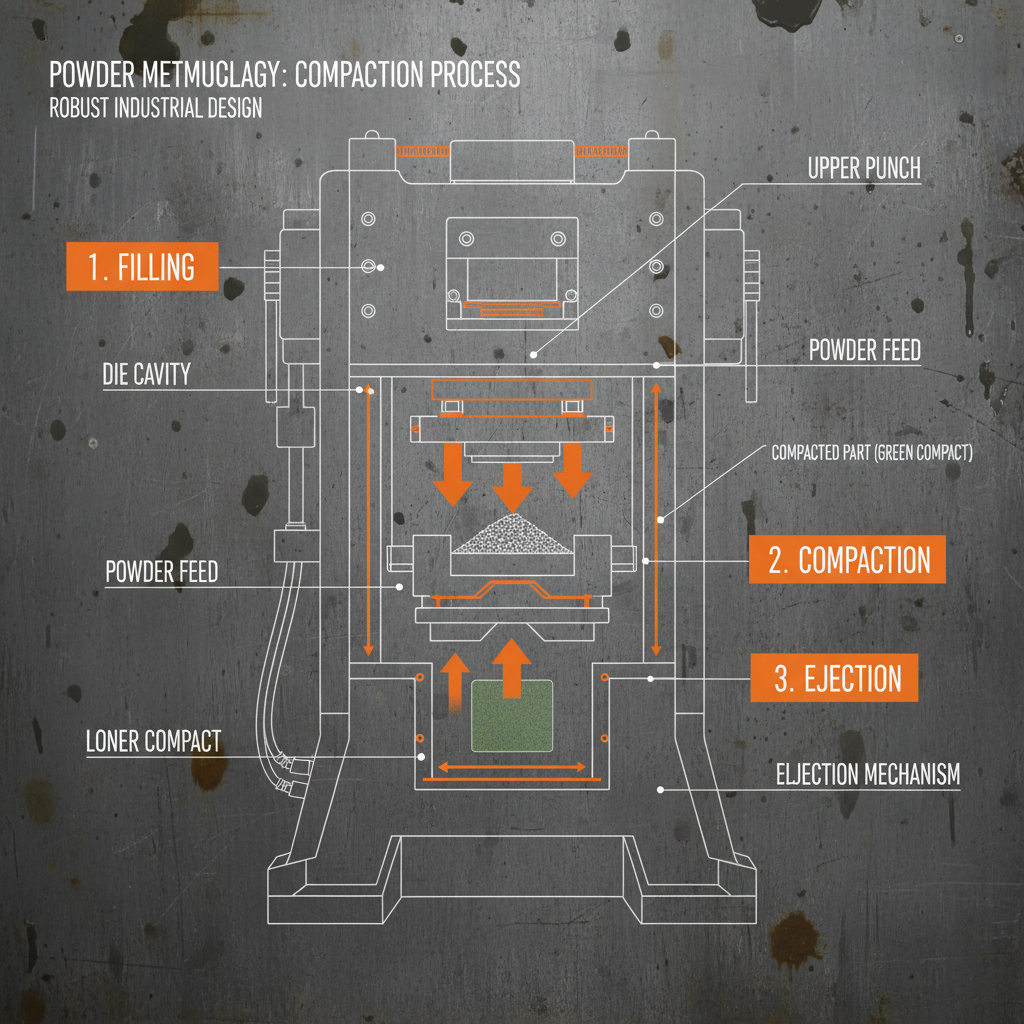
Powder metal gears are components created using powder metallurgy (PM), a manufacturing process that involves compacting finely divided metal powders into a desired shape, followed by sintering – heating the compacted part to bond the particles together. Unlike traditional machining, which removes material, PM builds up the part layer by layer, reducing waste and enabling complex geometries.
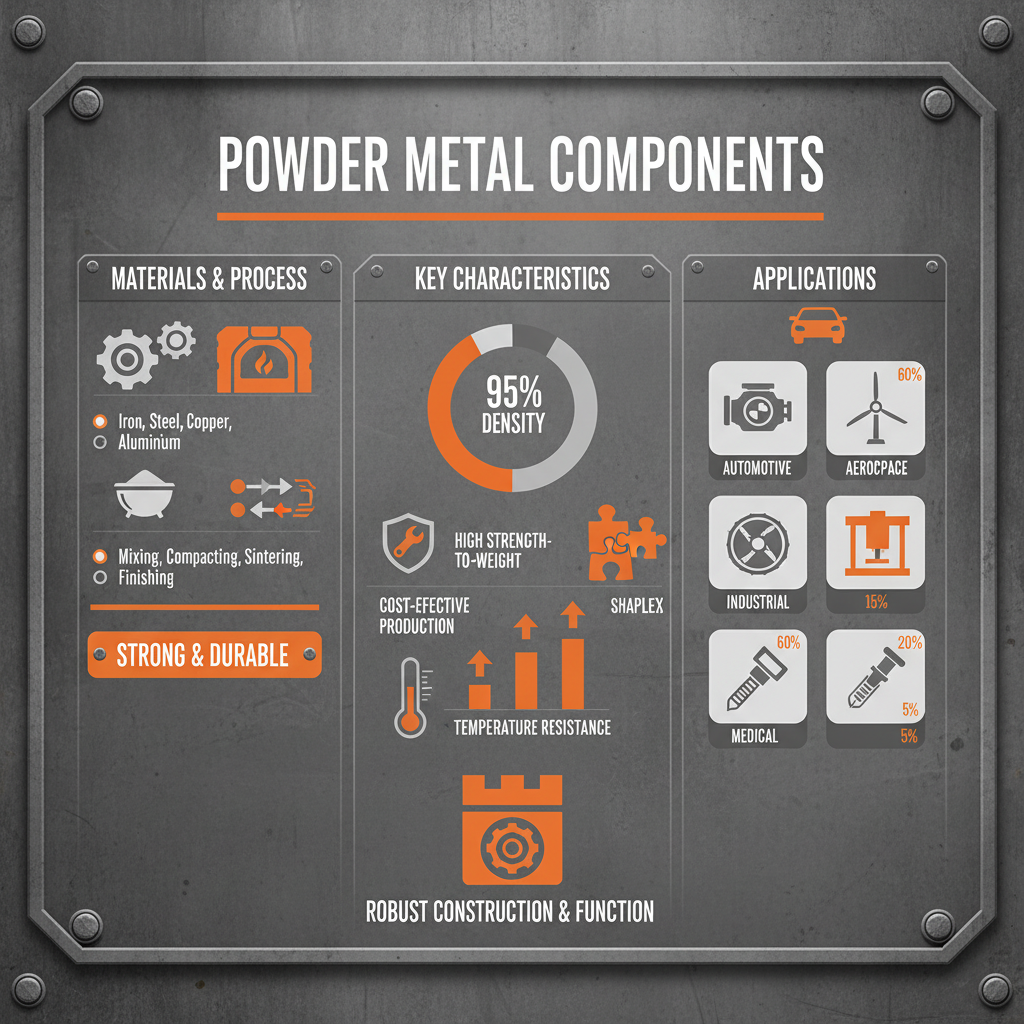
This process allows for the creation of gears with tailored material properties, such as porosity control for self-lubrication or increased density for higher strength. Powder metal gears serve as critical components in a myriad of applications, from automotive transmissions and robotics to medical devices and aerospace systems.
The connection to modern industry and humanitarian needs lies in the ability to produce cost-effective, high-performing gears for a wide range of applications, including essential machinery for infrastructure development, healthcare equipment, and sustainable transportation solutions.
One defining characteristic of powder metal gears is their near-net-shape manufacturing capability. This minimizes the need for secondary machining operations, reducing production time and costs. The process also allows for precise control of material composition and porosity, tailoring the gear’s properties to specific application requirements.
Another crucial aspect is the inherent material homogeneity achieved through the powder metallurgy process. The uniform distribution of alloying elements results in consistent mechanical properties throughout the gear, contributing to enhanced reliability and predictable performance. This contrasts with cast or forged gears, which can exhibit variations in material structure.
Finally, powder metal gears often exhibit self-lubricating properties due to controlled porosity. This allows for the retention of lubricating oil within the gear’s structure, reducing the need for external lubrication and minimizing maintenance requirements. This is especially beneficial in applications where accessibility for lubrication is limited.
The durability of powder metal gears is often a key consideration, and advancements in PM techniques have significantly enhanced their performance characteristics. Through precise control of powder characteristics, compaction pressure, and sintering parameters, manufacturers can produce gears with excellent wear resistance and fatigue strength.
Testing and analysis demonstrate that powder metal gears can withstand high loads and operate reliably in demanding environments. Their performance is often comparable to, and in some cases surpasses, that of conventionally manufactured gears, particularly in applications requiring complex geometries or specialized material properties.
Powder metal gears find widespread application in the automotive industry, particularly in transmissions, starter motors, and power steering systems. Their ability to handle high torque and operate reliably makes them ideal for these critical components. powder metal gears are becoming increasingly common in electric vehicle (EV) transmissions.
In the aerospace sector, these gears are utilized in aircraft engine components, auxiliary power units, and flight control systems, where weight reduction and high precision are paramount. Their complex geometries and consistent quality contribute to improved aircraft performance and safety.
The advantages of utilizing powder metal gears extend beyond initial cost savings. The reduction in material waste through near-net-shape manufacturing contributes to greater sustainability and resource efficiency. Their consistent quality minimizes the risk of failures, reducing downtime and maintenance costs over the long term.
Furthermore, the design flexibility afforded by PM processes allows for optimized gear geometries, resulting in improved performance and efficiency. This ultimately translates to lower energy consumption and a reduced environmental footprint, enhancing the long-term value proposition of powder metal gears.
The inherent reliability and predictable performance contribute to increased safety and customer satisfaction, fostering trust and innovation within the industries that rely on these components.
Ongoing research and development are focused on enhancing the mechanical properties of powder metal gears through the use of advanced powder materials, such as high-strength alloys and composite powders. Innovations in sintering techniques, including spark plasma sintering (SPS) and hot isostatic pressing (HIP), are further improving density and performance.
The integration of digital manufacturing technologies, such as additive manufacturing (3D printing) with powder metallurgy, is opening up new possibilities for creating even more complex and customized gear designs. This convergence of technologies promises to revolutionize the gear manufacturing landscape.
Furthermore, a growing emphasis on sustainable manufacturing practices is driving the development of environmentally friendly powder materials and sintering processes, contributing to a greener and more responsible future for the industry.
| Material Composition | Sintering Process | Gear Geometry | Application Environment |
|---|---|---|---|
| Iron-based alloys (e.g., Fe-C, Fe-Cu) | Conventional sintering (800-1200°C) | Helical gears for smooth operation | Moderate load and temperature conditions |
| Stainless steel alloys (e.g., 316L) | Vacuum sintering for corrosion resistance | Spur gears for simple applications | Harsh chemical environments |
| Tool steel alloys (e.g., M2) | HIP (Hot Isostatic Pressing) for high density | Bevel gears for angled drives | High-stress and wear applications |
| Cobalt-based alloys (e.g., Stellite) | SPS (Spark Plasma Sintering) for rapid consolidation | Worm gears for high reduction ratios | Extreme temperatures and abrasive environments |
| Copper-infiltrated steels | Oil sintering for self-lubrication | Internal gears for compact designs | Applications requiring minimal maintenance |
| Nickel-based alloys (e.g., Inconel) | Atmosphere-controlled sintering | Rack and pinion gears for linear motion | Aerospace and high-reliability systems |
Lead times for custom powder metal gears typically range from 4 to 8 weeks, depending on the complexity of the design, the quantity ordered, and the current production schedule. Factors influencing the timeline include tooling requirements, material availability, and the need for any secondary operations like heat treatment or machining. We strive to provide accurate quotes and delivery estimates during the initial consultation process.
Yes, powder metal gears can be manufactured from corrosion-resistant materials such as stainless steel alloys (e.g., 316L, 410) to withstand harsh chemical environments. Selecting the appropriate alloy and implementing protective coatings can further enhance their corrosion resistance. Vacuum sintering is also employed to minimize oxidation and improve material properties.
The minimum order quantity (MOQ) for powder metal gears can vary depending on the size, complexity, and material of the gear. Generally, the MOQ is higher for complex designs and specialized materials. However, we are often able to accommodate smaller production runs for standard gear types and materials. Contact our sales team for a specific quote.
The powder metallurgy process offers excellent dimensional accuracy, especially with proper tooling and process control. Near-net-shape manufacturing minimizes the need for machining, leading to precise dimensions. Sintering shrinkage is carefully controlled during the process to achieve the desired final dimensions. Post-sintering operations, such as coining or EDM, can further refine dimensional accuracy.
Powder metal gears can be engineered for high-speed applications by selecting appropriate materials, optimizing gear geometry, and implementing surface treatments to enhance wear resistance. Careful consideration of factors such as gear tooth profile, surface finish, and lubrication is crucial for achieving optimal performance at high speeds. Material density and porosity control also play a role.
Various secondary operations can be performed on powder metal gears to enhance their properties or functionality. These include machining (e.g., milling, drilling, grinding), heat treatment (e.g., hardening, tempering), coating (e.g., plating, phosphating), and surface finishing (e.g., polishing, deburring). These operations allow for customization and optimization of the gears for specific applications.
Powder metal gears represent a versatile and cost-effective solution for a wide range of gear applications. Their unique manufacturing process allows for complex geometries, consistent quality, and tailored material properties, making them a valuable component in industries spanning automotive, aerospace, and industrial equipment. Understanding the nuances of powder metallurgy is critical for engineers and designers seeking to optimize performance and reduce manufacturing costs.
Looking ahead, continued innovation in powder materials, sintering techniques, and digital manufacturing technologies will further enhance the capabilities of powder metal gears, driving their adoption in increasingly demanding applications. We encourage you to explore the potential of powder metal gears for your next project. Visit our website at www.jssintering.com to learn more about our capabilities and request a quote.
PRODUCTS
CONTACT US
Address:TIANSHAN INTERNATIONAL MANUFACTURING INDUSTRY PARK NO.57, YUANSHI, SHIJIAZHUANG CITY, HEBEI PROVINCE, CHINA
If you are interested in our products, you can choose to leave your information here, and we will be in touch with you shortly.