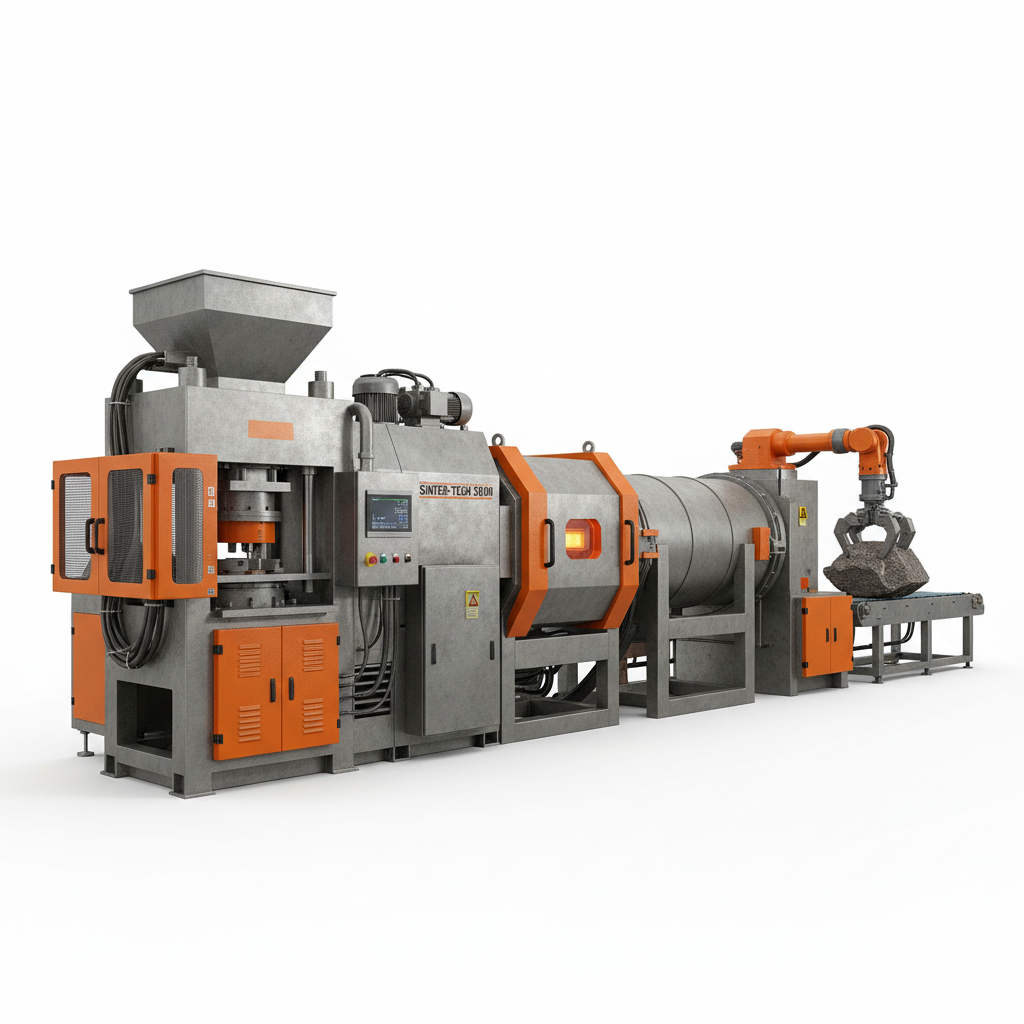
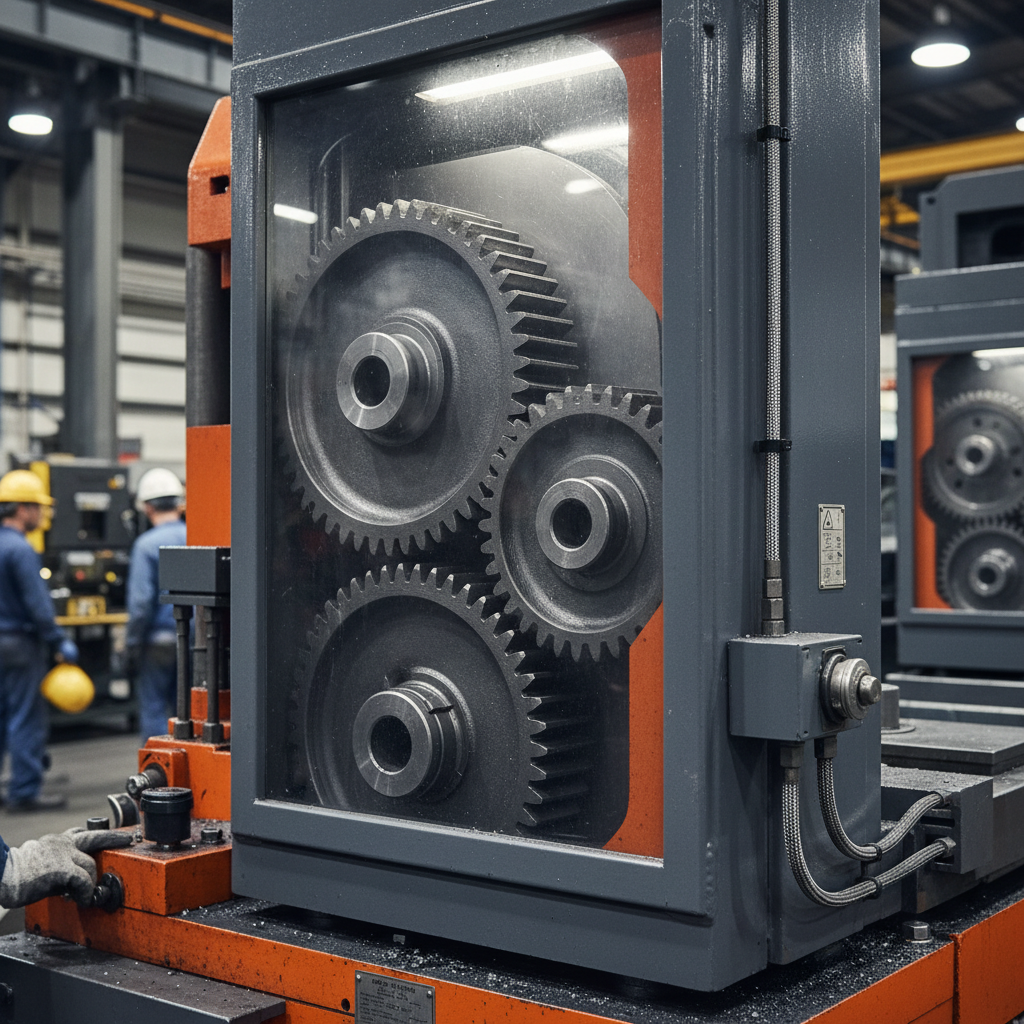
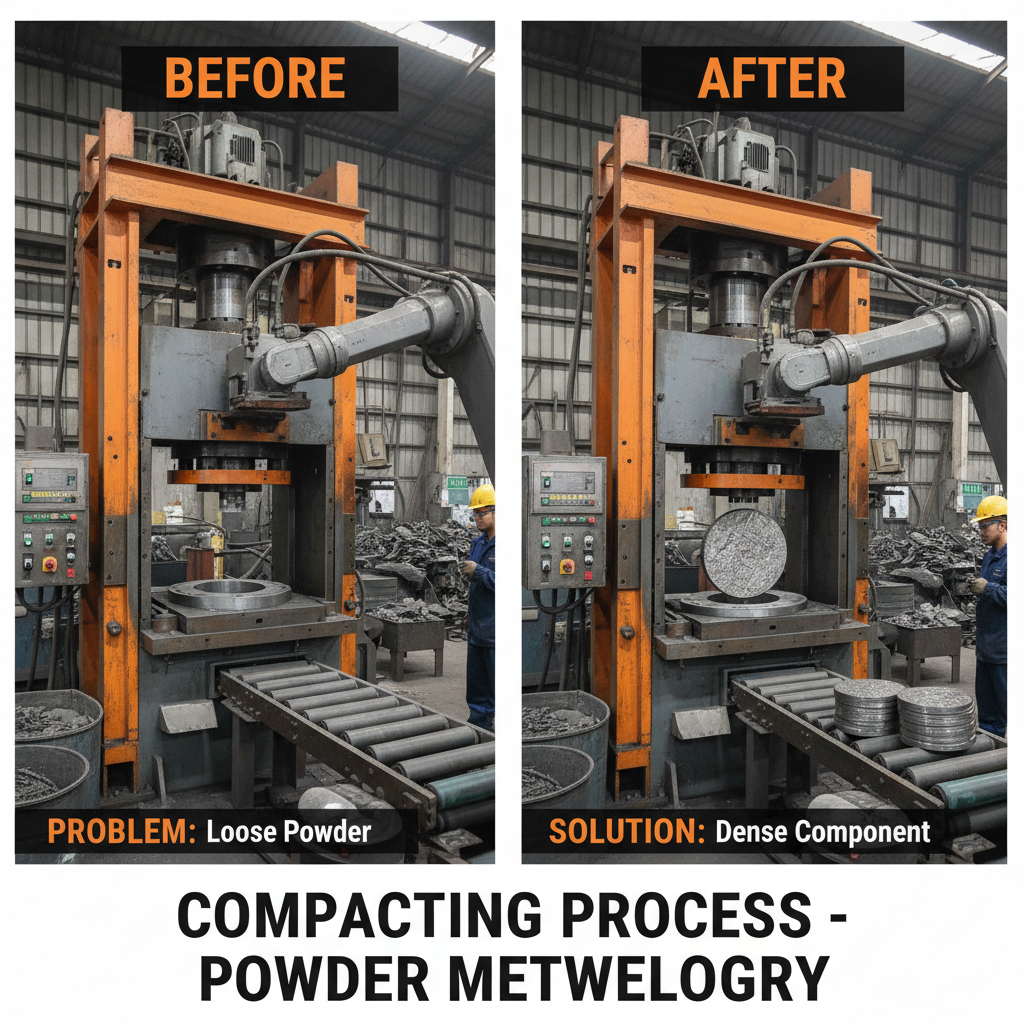
Methods of manufacturing sintered parts are crucial to modern industry, enabling the creation of complex geometries and specialized material properties unattainable through traditional manufacturing techniques. This process involves compacting powdered materials and heating them to a temperature below their melting point, causing the particles to bond together. The global demand for sintered components continues to rise, driven by industries like automotive, aerospace, medical, and energy. Understanding these methods is essential for innovation and efficiency in materials science and engineering.
The relevance of methods of manufacturing sintered parts extends beyond mere production; it impacts global supply chains, resource utilization, and sustainable manufacturing practices. According to a report by the Metal Powder Industries Federation (MPIF), the global powder metallurgy market is projected to reach \$13.3 billion by 2027. This growth underscores the increasing reliance on sintering for creating high-performance parts. Addressing challenges in scalability and cost-effectiveness is critical to realizing the full potential of these processes.
Ultimately, the knowledge of methods of manufacturing sintered parts is not just about building parts; it’s about building solutions. From creating lightweight components for fuel-efficient vehicles to producing biocompatible implants for healthcare, sintering plays a pivotal role in shaping a more advanced and sustainable future. This field empowers engineers and manufacturers to overcome design constraints and material limitations.
Introduction to Methods of Manufacturing Sintered Parts
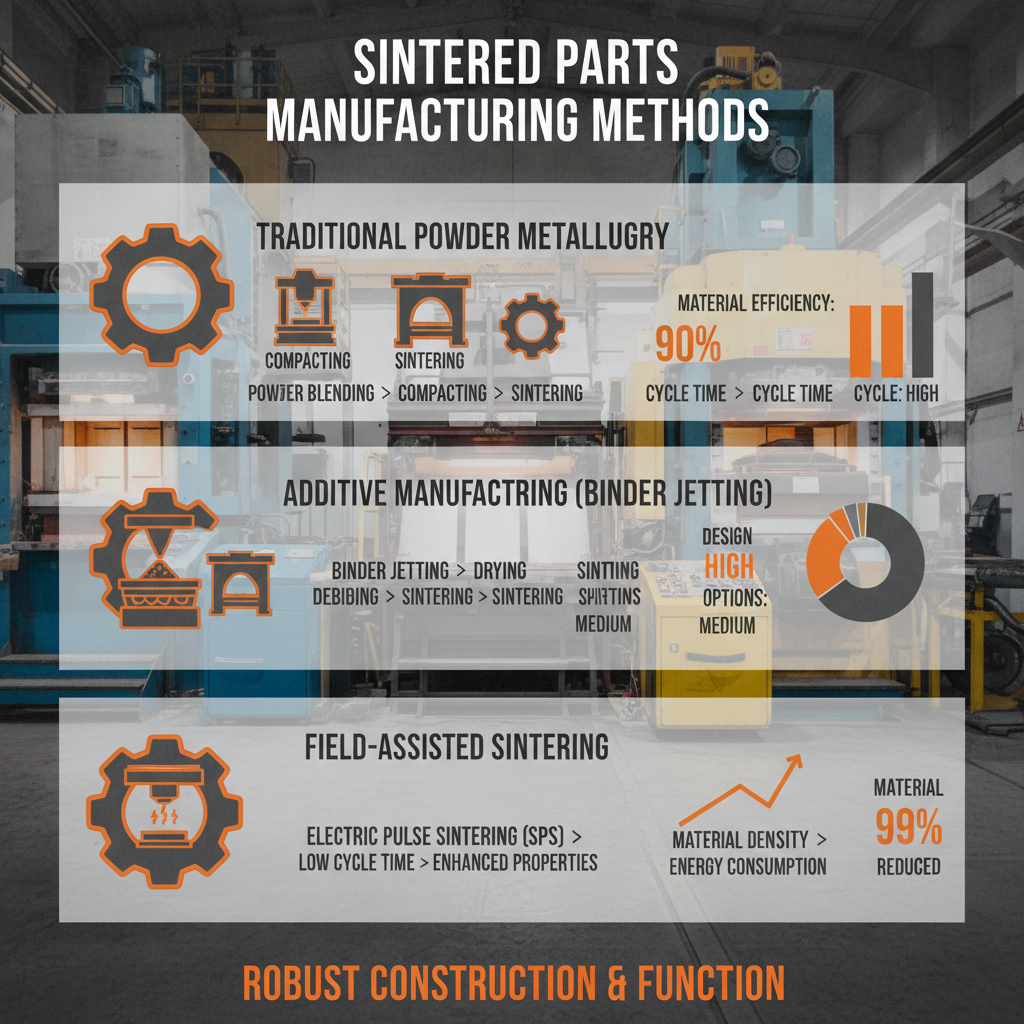
The broad spectrum of methods of manufacturing sintered parts encompasses a range of techniques, each tailored to specific material types and desired component characteristics. From traditional press-and-sinter processes to advanced methods like metal injection molding (MIM) and additive manufacturing, the possibilities are extensive. These processes are critical in creating parts with high precision, intricate designs, and unique material properties.
Understanding the different methods allows engineers to select the optimal process for their application, balancing cost, performance, and production volume. Sintering offers an unparalleled degree of freedom in material selection and component geometry, driving innovation across numerous industries. The ability to tailor material composition and microstructure to specific requirements sets sintering apart from conventional manufacturing.
Defining Methods of Manufacturing Sintered Parts
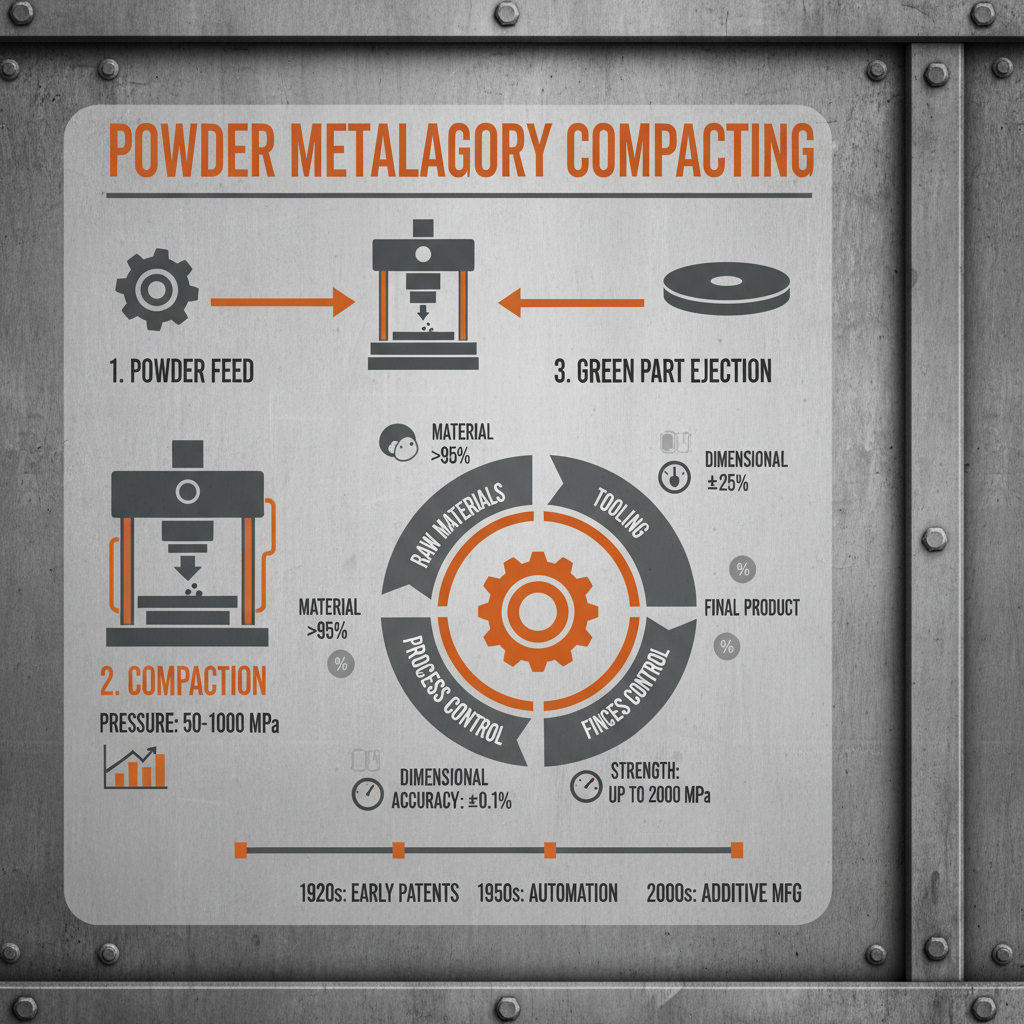
Methods of manufacturing sintered parts refer to a family of processes used to create solid objects from powdered materials. The core principle involves compressing the powder into a desired shape – often referred to as ‘green compacting’ – and then heating it to a temperature below the material's melting point. This heating process, known as sintering, causes the powder particles to bond together, resulting in a cohesive solid. The resulting component possesses unique properties often difficult or impossible to achieve through other manufacturing methods.
This technique is deeply interwoven with modern industry, impacting sectors ranging from automotive and aerospace to medical and electronics. It allows for the efficient production of complex geometries, net-shape components (minimizing material waste), and parts with controlled porosity. This is increasingly important for creating lightweight structures, filters, and specialized components for diverse applications.
Crucially, the definition goes beyond simply forming a solid; it’s about engineering a material at a microstructural level. By controlling parameters like powder composition, compaction pressure, sintering temperature, and atmosphere, manufacturers can precisely tailor the properties of the final product, including its density, strength, and permeability.
Key Advantages of Sintering Technologies
One of the primary advantages of methods of manufacturing sintered parts is its exceptional material utilization. Because the process starts with powder, there's minimal material waste compared to subtractive manufacturing techniques like machining. This is not only cost-effective but also environmentally responsible. The ability to utilize complex alloy compositions and even mix different materials during the powder preparation stage further enhances design flexibility.
The dimensional control achievable with sintering is remarkably high, particularly with net-shape or near-net-shape processing. This reduces the need for secondary machining operations, leading to significant time and cost savings. Moreover, sintering allows for the creation of components with controlled porosity, opening up applications in filtration, bearings, and biomedical implants.
Sintering provides a pathway to creating parts with tailored mechanical properties. By manipulating the microstructure – grain size, shape, and distribution – manufacturers can optimize strength, ductility, hardness, and wear resistance. This level of customization is often unattainable with other manufacturing processes.
Global Applications and Industry Impact
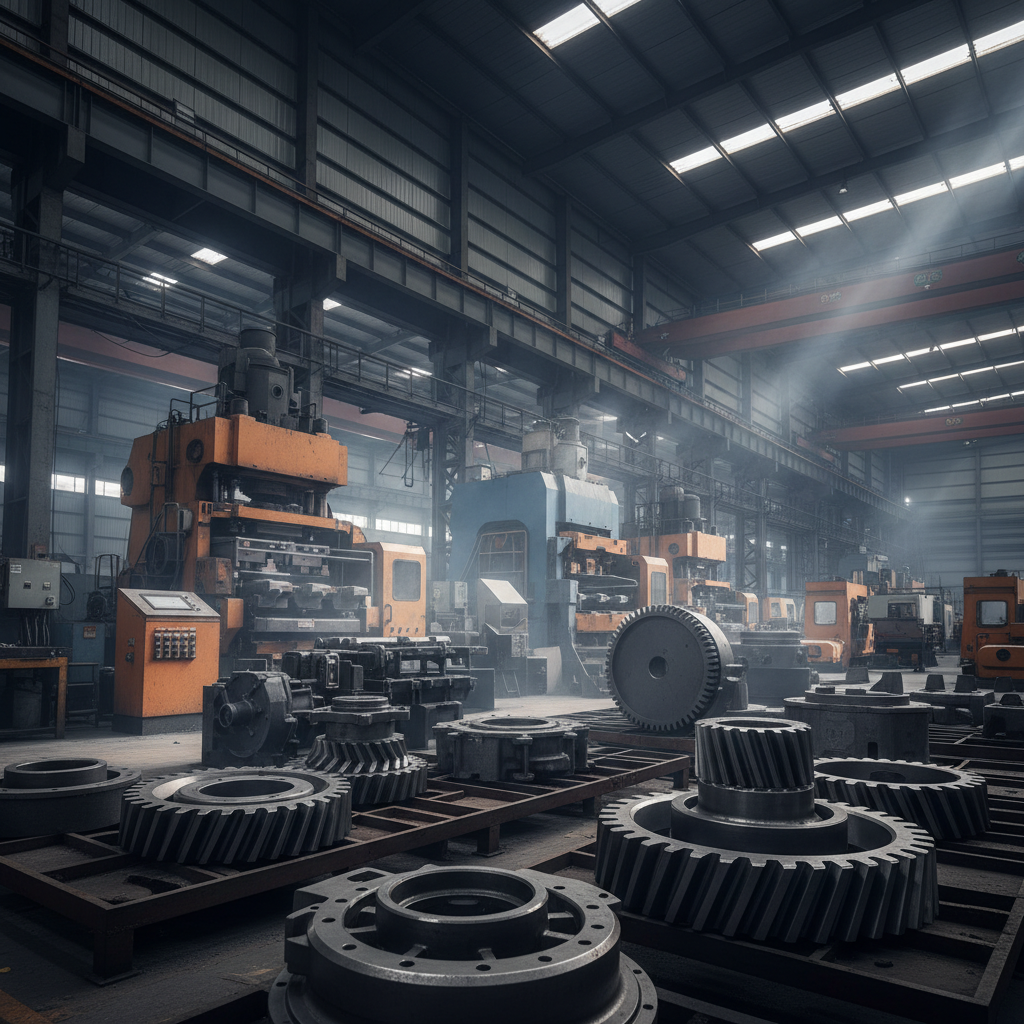
Methods of manufacturing sintered parts are integral to the automotive industry, where they're used to produce gears, bearings, connecting rods, and other critical engine components. The lightweighting benefits offered by sintering contribute to improved fuel efficiency and reduced emissions. In the aerospace sector, sintering is utilized for creating turbine blades, structural components, and heat shields capable of withstanding extreme temperatures.
The medical industry relies heavily on sintering to produce biocompatible implants, surgical instruments, and dental prosthetics. The ability to control porosity is particularly important for promoting bone ingrowth in implants. Furthermore, sintering finds widespread applications in electronics, producing components such as connectors, contacts, and magnetic cores.
Globally, countries like China, the United States, Germany, and Japan are leading producers and consumers of sintered parts. The automotive manufacturing hubs in Europe and Asia are particularly reliant on these technologies. In regions with limited infrastructure, sintering offers a viable pathway to localized manufacturing, reducing dependence on expensive imports and fostering economic growth.
Methods of Manufacturing Sintered Parts – Application Distribution
The Long-Term Value Proposition of Sintering
The advantages of methods of manufacturing sintered parts translate into substantial long-term value. Cost savings from reduced material waste and minimized secondary operations contribute to improved profitability. The ability to create highly specialized components with tailored properties enhances product performance and reliability.
Furthermore, sintering supports sustainable manufacturing practices by reducing energy consumption and minimizing environmental impact. The process is amenable to utilizing recycled materials, further enhancing its eco-friendliness. Investing in sintering technologies fosters innovation and strengthens a company’s competitive edge.
Future Trends in Sintering Processes
Emerging trends in methods of manufacturing sintered parts include the integration of additive manufacturing (3D printing) with sintering to create even more complex geometries and customized components. Research into novel powder materials, such as high-entropy alloys and nanomaterials, is driving advancements in material properties and performance. The implementation of artificial intelligence (AI) and machine learning (ML) for process optimization is also gaining traction.
Automation and digitalization of sintering processes are becoming increasingly prevalent, leading to improved efficiency, quality control, and traceability. The development of environmentally friendly sintering techniques, such as spark plasma sintering (SPS), which requires lower temperatures and shorter processing times, is also gaining momentum.
Addressing Challenges in Sintering Production
Despite its numerous benefits, methods of manufacturing sintered parts face certain challenges. Powder handling and preparation can be complex and costly, requiring specialized equipment and expertise. Achieving consistent density and minimizing porosity in large-scale production can also be challenging.
Furthermore, sintering processes can be energy-intensive, contributing to greenhouse gas emissions. To address these challenges, researchers are exploring innovative powder handling techniques, advanced sintering atmospheres, and optimized process parameters. The development of predictive modeling tools and real-time monitoring systems is also crucial for ensuring quality control and reducing waste.
Addressing these issues will necessitate collaborative efforts between industry, academia, and government to foster innovation and promote the widespread adoption of sustainable sintering technologies. methods of manufacturing sintered parts specialists are continuously working to overcome these challenges.
Summary of Key Challenges and Potential Solutions in Sintering Processes
| Challenge |
Impact on Production |
Potential Solution |
Implementation Cost (1-10) |
| Powder Handling & Distribution |
Increased material waste, inconsistent density |
Automated powder feeding systems, advanced mixing techniques |
7 |
| Density Control |
Reduced mechanical properties, component failure |
Optimized sintering parameters, controlled atmosphere sintering |
6 |
| Energy Consumption |
High operating costs, environmental impact |
Spark Plasma Sintering (SPS), microwave sintering |
8 |
| Material Cost |
Increased production expenses |
Utilizing recycled powders, exploring alternative materials |
5 |
| Process Control & Monitoring |
Inconsistent part quality, increased scrap rate |
Real-time process monitoring systems, AI-driven control algorithms |
9 |
| Scale-Up Challenges |
Difficulty in replicating lab results in mass production |
Pilot production runs, process optimization for larger volumes |
7 |
FAQS
Sintering offers several key advantages. It minimizes material waste as it starts with powder, allowing for net-shape or near-net-shape production, significantly reducing or eliminating the need for costly machining. It also enables the creation of complex geometries and the use of materials that are difficult to machine. Moreover, sintering can produce parts with tailored mechanical properties and controlled porosity, opening up applications unavailable to conventional methods.
A wide variety of materials can be sintered, including metals (steel, stainless steel, aluminum, titanium), ceramics (alumina, zirconia, silicon carbide), and composites. The specific material chosen depends on the desired properties of the final part. Recent advancements have also expanded the possibilities to include polymers and intermetallic compounds.
Sintering temperature is a critical parameter. Lower temperatures may result in insufficient bonding between particles, leading to low density and weak mechanical properties. Conversely, excessively high temperatures can cause grain growth, which can degrade properties. Optimizing the sintering temperature is essential to achieve the desired density, strength, and microstructure.
Metal Injection Molding (MIM) is a sintering-based process that combines powder metallurgy with plastic injection molding. Fine metal powders are mixed with a binder to form a feedstock, which is then injection molded into the desired shape. The binder is subsequently removed, and the part is sintered to achieve full density. MIM is ideal for producing complex, high-precision components in high volumes.
Traditional sintering can be energy-intensive and may involve the use of hazardous materials. However, advancements in sintering technologies, such as spark plasma sintering (SPS) and the utilization of recycled powders, are helping to mitigate these environmental impacts. Selecting environmentally friendly sintering atmospheres and optimizing process parameters can further reduce the environmental footprint.
Quality control in sintering involves various techniques, including dimensional measurements, density measurements, hardness testing, and microstructural analysis. Non-destructive testing methods like ultrasonic inspection and X-ray radiography are also used to detect internal flaws. Statistical process control (SPC) is employed to monitor process parameters and ensure consistent part quality.
Conclusion
Methods of manufacturing sintered parts represent a powerful and versatile suite of technologies that are transforming industries across the globe. From its inherent material efficiency and design flexibility to its ability to produce components with tailored properties, sintering offers a compelling alternative to traditional manufacturing processes. The ongoing advancements in powder metallurgy, combined with the integration of emerging technologies like additive manufacturing and AI, promise to further enhance the capabilities and sustainability of these processes.
Looking ahead, investing in research and development, promoting collaboration between industry and academia, and fostering a skilled workforce will be crucial for unlocking the full potential of sintering. By embracing innovation and addressing existing challenges, we can leverage methods of manufacturing sintered parts to create a more efficient, sustainable, and technologically advanced future. For more detailed information and tailored solutions, visit our website: www.jssintering.com.