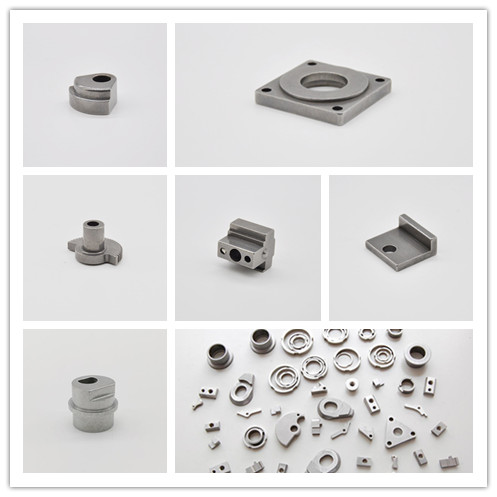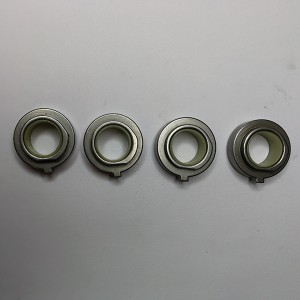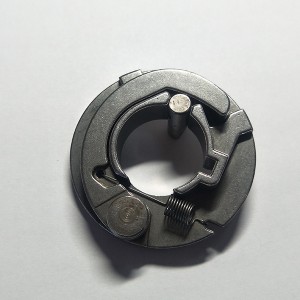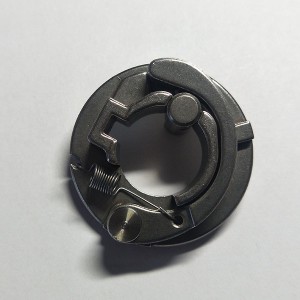





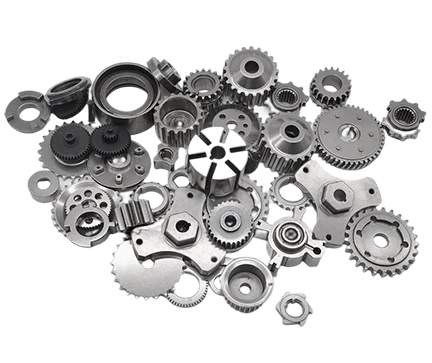
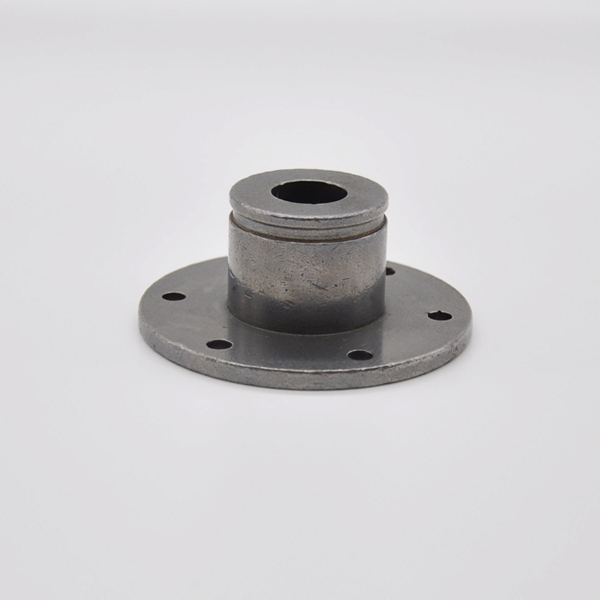
High-quality sintered flanges for machinery are precision components manufactured using advanced powder metallurgy techniques, offering superior strength, durability, and performance for various industrial applications. These flanges are produced by compacting metal powders and sintering them at high temperatures, which results in a dense, solid part with excellent mechanical properties. The sintering process ensures that the flanges are not only strong and wear-resistant but also have tight tolerances and dimensional accuracy, making them suitable for demanding machinery and equipment. Typically made from high-strength alloys such as steel, stainless steel, or other specialized metals, these sintered flanges provide excellent resistance to corrosion, heat, and mechanical stresses. The high density and uniformity achieved through powder metallurgy ensure that the flanges are robust enough to withstand the pressures and forces encountered in machinery, contributing to the overall reliability and longevity of the equipment. These sintered flanges are widely used in various industrial sectors, including automotive, aerospace, and heavy machinery, where precision and strength are critical.
The powder metallurgy process allows for the production of complex geometries, which is especially beneficial for applications that require intricate designs or specific configurations. In addition to their mechanical properties, sintered flanges can be customized with various surface treatments to further enhance their resistance to wear, corrosion, or heat, providing additional performance benefits for specialized applications. The cost-effectiveness of the powder metallurgy process, combined with its ability to produce parts with minimal material waste, makes these sintered flanges an ideal solution for high-volume production runs. Rigorous quality control processes ensure that each flange meets or exceeds industry standards for durability, dimensional accuracy, and performance, making them a trusted choice for machinery applications requiring high-quality, reliable components.
|
Towar |
Rdzeń zamka spiekanego metodą metalurgii proszkowej dostosowany do potrzeb klienta w fabryce |
|
Surowiec |
Proszek żelaza, proszek stopu żelaza, stal nierdzewna, miedź, stal, żelazo, stal stopowa |
|
Obróbka powierzchni |
Hartowanie wysokoczęstotliwościowe, impregnacja olejem, polerowanie, galwanizacja, obróbka parowa itp. |
| Funkcja |
1. Wysoka gęstość od 6,0-7,9 g/cm3 |
|
2. Twardość: HRA 30-80 |
|
|
3. Dokładność: ±0,01 mm |
|
|
4. Brak kruszenia, pęknięć, zadziorów, wżerów metalowych i innych wad |
|
|
5. Wysoka wydajność, efektywność kosztowa, oszczędność energii |
|
|
Orzecznictwo |
Certyfikat ISO9001 / TS16949 |
|
Aplikacja |
szeroko stosowany w maszynach, sprzęcie gospodarstwa domowego, maszynach elektronicznych, maszynach komercyjnych, samochodach |
Technologię metalurgii proszkowej można stosować bezpośrednio do produkcji materiałów i produktów porowate, półkompaktowe lub całkowicie kompaktowe, takie jak części samochodowe, tuleje Oilite, przekładnie, części amortyzatorów, części pomp olejowych, części narzędzi elektrycznych itp., co oznacza mniej procesu cięcia.
Części niestandardowe z proszków metalowych: