






Opis produktu
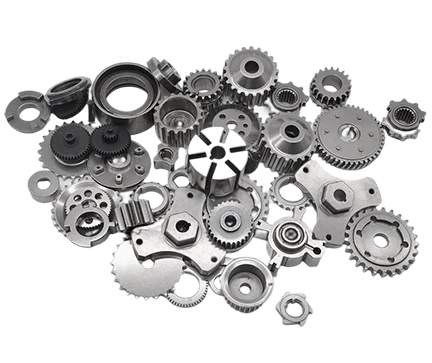
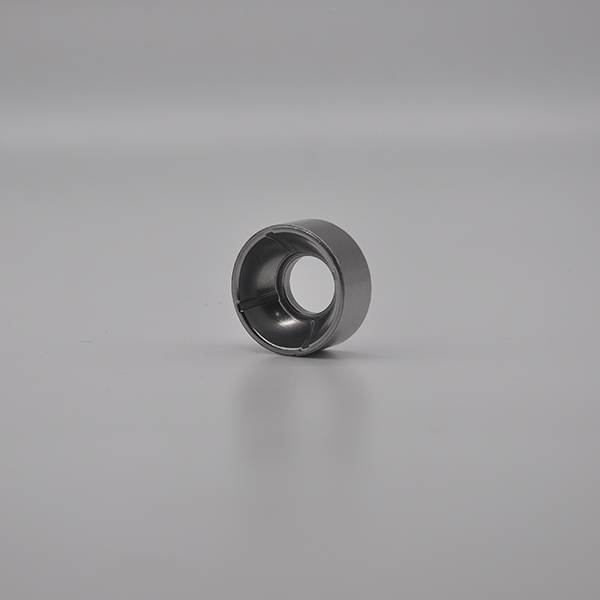
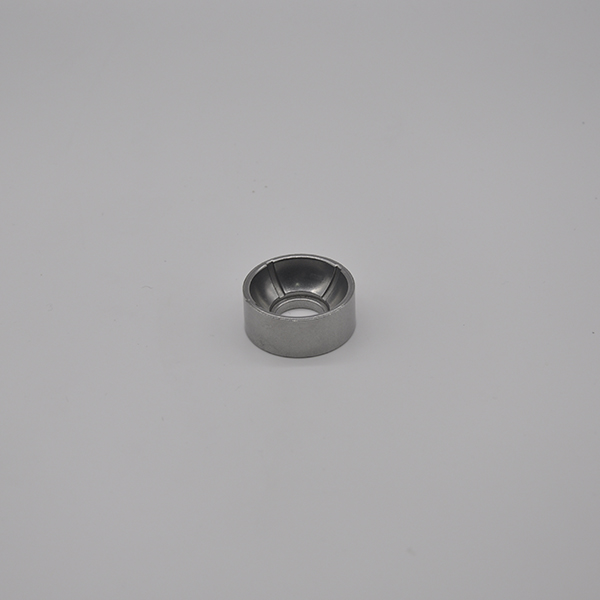
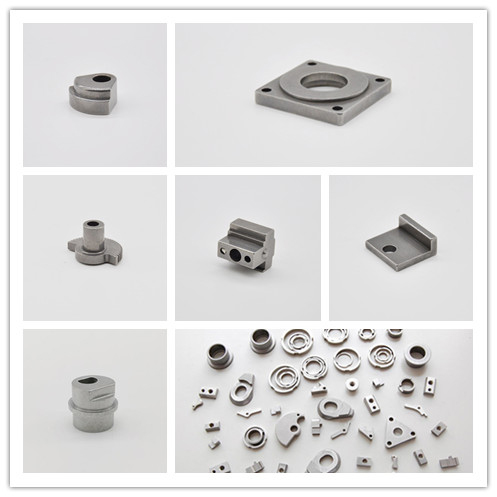
Sintered structural components are manufactured by high-precision powder metallurgy processes and are specially developed to meet the requirements of high strength, high precision and complex design. By sintering high-quality metal powders at high temperatures, we can produce components with dense structures and stable performance, which are widely used in the automotive industry, home appliances, power tools, medical devices and mechanical manufacturing, among other fields.
Complex structures are easily formed: The sintering process can achieve complex geometric designs that are difficult to complete with traditional machining, reduce the number of components, and simplify the assembly process.
High strength and wear resistance: The material has a high density, combined with an optimized sintering curve, endowing the parts with excellent mechanical properties and wear resistance, making them suitable for high-load and long-term operating conditions.
Dimensional accuracy and stability: The strictly controlled manufacturing process ensures consistent part dimensions and small shape and position tolerances, significantly enhancing product assembly efficiency.
Dual advantages in cost and efficiency: Compared with traditional casting, forging and machining processes, powder metallurgy can significantly save materials and processing costs, making it particularly suitable for medium and large-scale production demands.
Environmentally friendly manufacturing: High material utilization rate and low energy consumption production process, helping customers achieve green manufacturing goals.
Szczegóły materiałowe: Proszek żelaza, proszek stopu żelaza, stal nierdzewna, miedź, stal, żelazo, stal stopowa (C, Sn, Zn)
Maksymalna gęstość: 6,0 g/cm2~6,9 g/cm2
Proces produkcyjny: mieszanie proszku-zagęszczanie proszku-spiekanie-kształtowanie-obróbka skrawaniem-wykończenie powierzchni
Obróbka powierzchni: obróbka skrawaniem, zanurzanie w oleju, utlenianie parą wodną, galwanizacja, powierzchnia niebieska
Norma: DIN, JIS, ASTM, GB
Zastosowanie: Elektryczne urządzenia domowe, Maszyny elektroniczne, Maszyny służbowe, Samochody
Opakowanie wewnętrzne: Folia antykorozyjna; Worki próżniowe z tworzywa sztucznego
Opakowanie zewnętrzne: Twardy karton; Skrzynia drewniana; Paleta drewniana
Metalurgia proszkowa wykorzystuje proszek metalowy jako surowiec, który jest formowany i spiekany w celu produkcji materiałów metalowych, materiałów kompozytowych i różnych rodzajów produktów. Technologię metalurgii proszkowej można stosować bezpośrednio do produkcji materiałów i produktów porowate, półkompaktowe lub całkowicie kompaktowe, takie jak części samochodowe, części zamienne do sprężarek.











