




Opis produktu
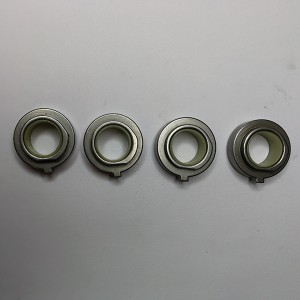
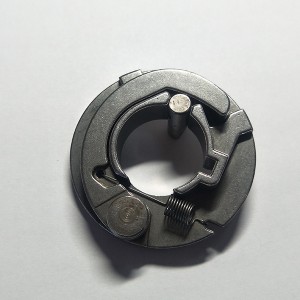
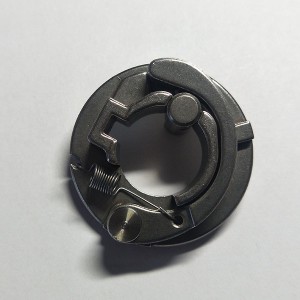
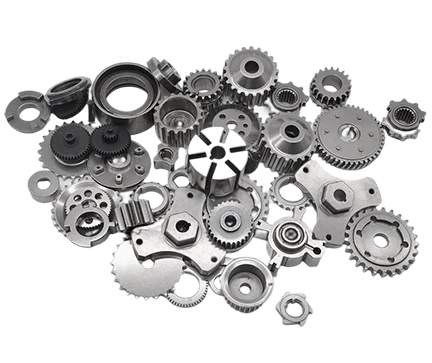
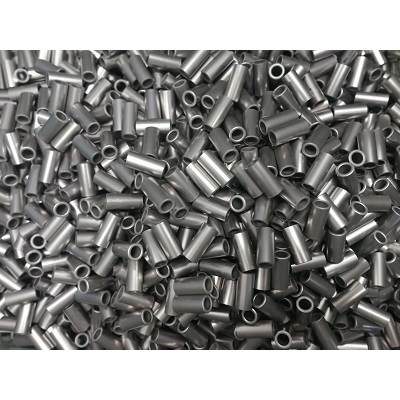
Tuleja sześciokątna metalurgii proszkowej, tuleja kołnierzowa, tuleja złożona, tuleja na bazie żelaza, tuleja stopniowana,
Spiekany korpus, wytwarzany metodą metalurgii proszkowej, w której głównym surowcem jest proszek metalowy, jest z natury porowaty i ma tę zaletę techniczną, że umożliwia swobodną regulację liczby, wielkości, kształtu i rozmieszczenia porów w trakcie procesu produkcyjnego.
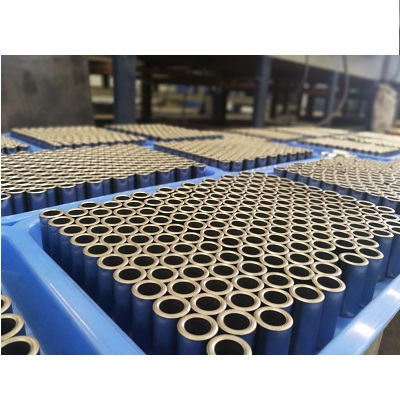
Iron-based powder metallurgy bushings are precision-engineered components designed for high-performance applications that require durability, strength, and resistance to wear and corrosion. These bushings are manufactured using advanced powder metallurgy techniques, where iron-based metal powders are compacted and sintered at high temperatures to form a dense, solid structure. The sintering process ensures that the bushings exhibit excellent mechanical properties, such as high strength, wear resistance, and dimensional stability, making them ideal for use in a variety of industrial and automotive applications.
The bushings are used to reduce friction and wear between moving parts in machinery, allowing for smoother operation and extended service life. Iron-based alloys, including a variety of steel and cast iron compositions, can be selected to meet the specific needs of each application, offering additional properties such as enhanced hardness or resistance to corrosion. These bushings are commonly used in high-stress environments, such as in automotive suspension systems, industrial machinery, and electrical equipment, where durability and long-term performance are critical. The powder metallurgy process also allows for the creation of complex shapes and tight tolerances, providing design flexibility and the ability to produce bushings that are both cost-effective and high-performance. Customization options include variations in size, material composition, and surface treatments to meet the specific operational requirements of each application. Iron-based powder metallurgy bushings are ideal for applications that require high load-bearing capacity, excellent wear resistance, and resistance to harsh operating conditions, making them a reliable solution for many industries. Rigorous quality control processes, including dimensional inspections and material testing, ensure that each bushing meets or exceeds industry standards for performance and reliability.
Zalety produkcji tulei metodą metalurgii proszkowej:
1. Cykl produkcji masowej jest krótki, a koszty niskie
2. Nie jest wymagane żadne lub wymagane jest jedynie niewielkie cięcie, a wskaźnik wykorzystania materiału jest wysoki
3. Forma jest formowana jednorazowo, z małą tolerancją i wysoką spójnością wielkości produktu
4. Pory można zanurzyć w oleju smarowym, który ma dobrą odporność na zużycie i zdolność pochłaniania wstrząsów
5. Potrafi wytwarzać materiały kompozytowe metalurgiczne
6. Większość metali ogniotrwałych, ich związki i materiały porowate można wytwarzać jedynie metodą metalurgii proszkowej.
7. Zróżnicowane przetwarzanie może być zapewnione zgodnie z potrzebami klienta