






Ürün Açıklaması
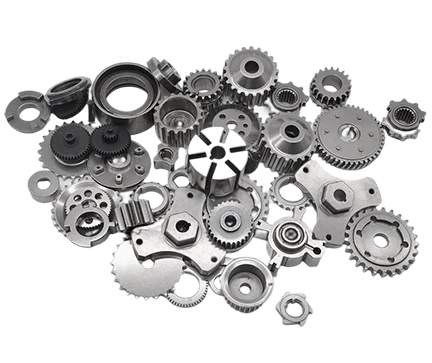
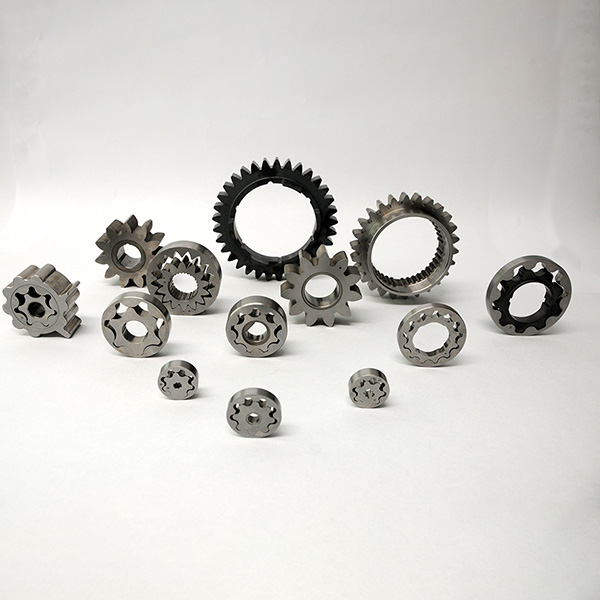
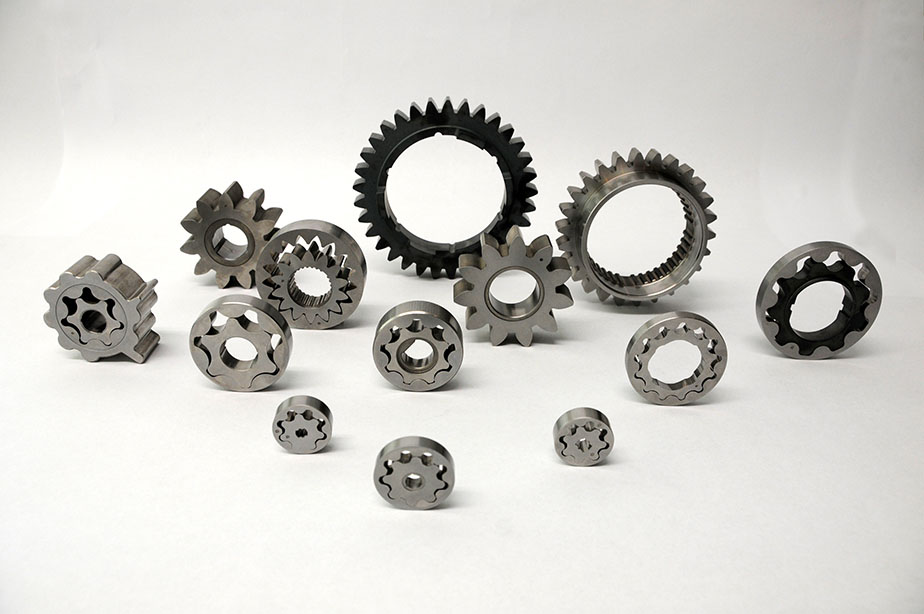
Teknoloji: Toz Metalurjisi
Malzeme Standardı: MPF serisi, MPIF 35, DIN 30910, JIS Z2550
Yoğunluk: 6,2 - 7,1 g/cm3
Makro Sertlik: 45-80 HRA
Çekme Dayanımı: 1650 Mpa Ultimate
Verim Gücü (%0,2): 1270 Mpa Nihai
| Boyut | OEM/ODM'ye hoş geldiniz. Çizimlerinize CAD, 3D veya PDF formatında ihtiyacımız var. Veya bize numunenizi gönderin, sizin için çizelim. |
| Malzeme | demir, bakır, pirinç veya özelleştirilmiş |
| Yüzey İşlem | Söndürme, Parlatma, Yağ emdirme, siyah oksit, tam sertleştirme veya özelleştirilmiş |
| Renk | özelleştirilmiş |
| Seri üretim | Depozito alındıktan sonra miktara bağlı olarak 10-30 gün |
| Başvuru | Otomotiv, motosiklet, tekstil makineleri, endüstriyel dikiş makineleri, elektrikli el aletleri, hırdavat aletleri, elektrik, mühendislik makineleri vb. |
Toz Metalurji OEM Parçaları
Design Optimization of Powder Metal Sintered Double Spur Gears for Compact Gearboxes
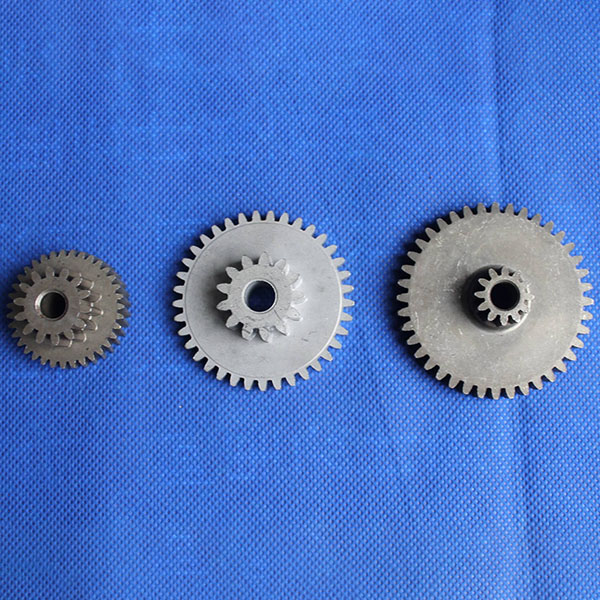
In compact gearbox designs, space efficiency and transmission performance are critical. Powder metal sintered double spur gears offer a highly effective solution by integrating two spur gear stages into a single component, allowing designers to achieve high transmission efficiency within limited installation space. Design optimization plays a key role in maximizing the advantages of these gears.
One of the primary design considerations is gear integration. By combining two spur gears with different tooth counts or modules into one sintered part, designers can reduce the number of components in the gearbox. This integration minimizes shaft length, bearing requirements, and assembly complexity, which is especially important in compact gearboxes used in power tools, small motors, and precision equipment.
Tooth geometry optimization is essential for efficient torque transmission. Accurate involute tooth profiles ensure uniform contact between meshing gears, reducing friction losses and improving mechanical efficiency. With powder metallurgy, tooth profiles are formed directly during compaction, enabling high repeatability and excellent concentricity between the two gear stages. This precise alignment improves load sharing and reduces localized stress concentrations.
Another important aspect is material distribution and density control. Powder metallurgy allows engineers to tailor density in specific regions of the gear. High-load zones, such as tooth roots, can be designed with higher density for strength, while non-critical areas maintain controlled porosity to reduce weight and support lubrication. This balance enhances overall gearbox efficiency and thermal stability.
Compact gearbox performance also benefits from optimized hub and bore design. Powder metal sintered double spur gears can incorporate hubs, shoulders, or internal features without secondary machining. This improves shaft alignment and reduces runout, which directly contributes to smoother operation and higher efficiency.
Modern design optimization relies heavily on computer-aided engineering (CAE) tools. Finite element analysis (FEA) enables engineers to simulate stress distribution, tooth contact patterns, and fatigue life under real operating conditions. These simulations allow further refinement of gear geometry before mass production, ensuring reliable performance in compact gearboxes.
In summary, optimizing the design of powder metal sintered double spur gears involves integrated geometry, precise tooth profiles, tailored density, and digital simulation. These factors work together to deliver high efficiency, compact size, and long service life in modern gearbox systems.
Heat Treatment and Surface Engineering of Powder Metal Sintered Double Spur Gears
Heat treatment and surface engineering are critical processes for enhancing the mechanical performance and durability of powder metal sintered double spur gears, especially in compact gearbox applications where gears operate under high loads and frequent cycles.
One of the most common heat treatment methods is carburizing, which increases surface hardness while maintaining a tough, ductile core. This hardened outer layer significantly improves wear resistance and contact fatigue strength, making carburized sintered double spur gears well suited for continuous transmission and high-torque applications.
Induction hardening is another effective technique, particularly when selective strengthening of gear teeth is required. By rapidly heating and quenching only the tooth surface, induction hardening improves resistance to pitting and scuffing without causing excessive distortion. This is especially valuable for double spur gears, where maintaining concentricity between stages is essential.
Sinter hardening, performed directly after the sintering process, is increasingly used to streamline production. This method eliminates additional heat treatment steps while achieving consistent hardness throughout the gear. It offers a cost-effective solution for high-volume OEM applications requiring reliable mechanical properties.
Surface engineering techniques further enhance gear performance. Surface densification increases density in the tooth contact area, improving load-bearing capacity and reducing surface fatigue. This process is particularly beneficial for compact gearboxes where gears experience high contact stress within a small footprint.
Shot peening is often applied to introduce compressive residual stress on the gear surface. This treatment improves fatigue resistance and helps prevent crack initiation at the tooth root, extending service life under cyclic loading conditions.
Additionally, oil impregnation is a unique advantage of powder metal gears. Controlled porosity allows lubricating oil to be retained within the structure, providing continuous self-lubrication during operation. This reduces friction, heat generation, and wear, especially in sealed or maintenance-free gearboxes.
Overall, the combination of advanced heat treatment and surface engineering ensures that powder metal sintered double spur gears achieve excellent hardness, wear resistance, and fatigue performance, meeting the demanding requirements of compact gearbox systems.
Load Distribution and Noise Reduction in Powder Metal Sintered Double Spur Gears
Effective load distribution and noise reduction are essential performance requirements for powder metal sintered double spur gears, particularly in compact gearboxes used in power tools, motors, and precision mechanical systems. Poor load distribution can lead to premature wear, while excessive noise negatively affects user experience and system reliability.
Uniform load distribution begins with precise gear geometry. Powder metallurgy allows double spur gears to be formed in a single compaction process, ensuring excellent concentricity between the two gear stages. This accuracy helps distribute torque evenly across all engaged teeth, reducing localized stress and extending gear life.
Optimized tooth contact patterns play a significant role in reducing transmission noise. Properly designed tooth profiles ensure gradual engagement and disengagement, minimizing impact forces during meshing. Reduced impact translates directly into lower vibration and quieter operation, which is especially important in handheld power tools and electric motor gearboxes.
Material characteristics also influence noise behavior. The inherent controlled porosity of powder metal gears provides natural damping properties, helping absorb vibration and reduce sound transmission. This makes sintered gears quieter than many solid machined gears operating under similar conditions.
Surface finish quality further contributes to noise reduction. Post-sintering processes such as grinding or honing improve tooth surface smoothness, reducing friction and minimizing high-frequency noise. Combined with oil impregnation, these smooth surfaces allow for stable lubrication films that further dampen vibration.
Load distribution is also improved through integrated design features. Because double spur gears combine two stages into one component, alignment errors caused by multiple separate gears are eliminated. This integrated structure reduces cumulative tolerances and ensures consistent load transfer throughout the gearbox.
Finally, advanced simulation and testing methods help optimize both load distribution and acoustic performance. CAE tools allow engineers to predict contact stress and vibration behavior, enabling design refinements that balance strength and quiet operation before production.
In conclusion, powder metal sintered double spur gears achieve excellent load distribution and low noise levels through precise geometry, material damping properties, smooth surface finishes, and integrated design. These advantages make them ideal for compact gearboxes requiring reliable, quiet, and efficient power transmission.











