




Mô tả sản phẩm
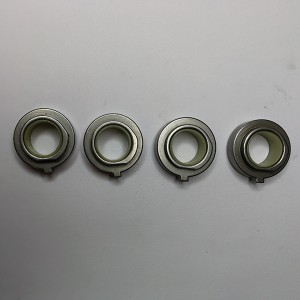
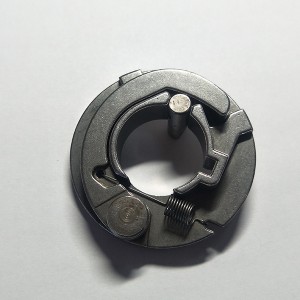
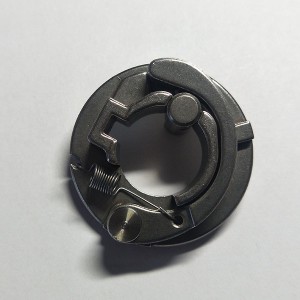
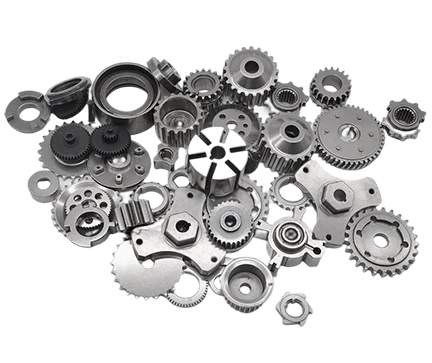
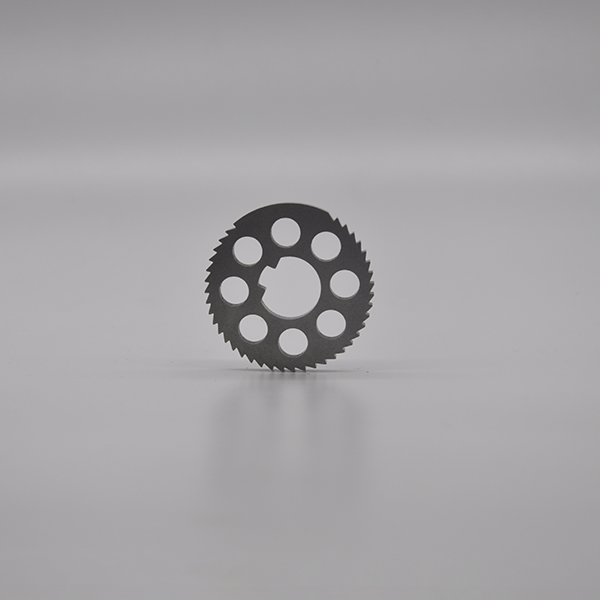
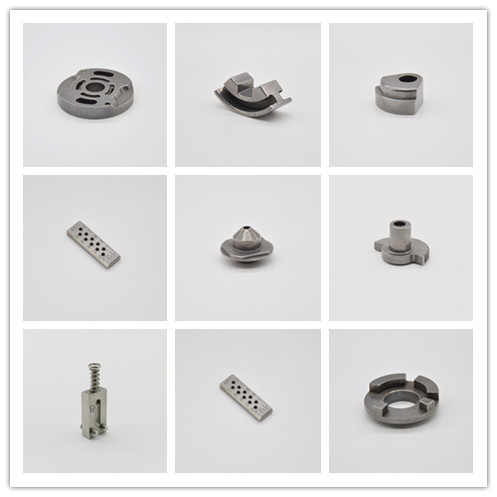
Precision sintered metal parts are high-performance components manufactured through the powder metallurgy process, offering superior strength, durability, and dimensional accuracy. In this process, metal powders are carefully compacted and sintered at high temperatures to form a solid, dense part with tightly controlled tolerances. The precision sintering technique enables the production of complex geometries and intricate shapes, which are difficult to achieve using traditional machining methods. These sintered metal parts are ideal for applications that require exacting specifications and consistent quality, making them highly sought after in industries such as automotive, aerospace, industrial machinery, and electronics. The precision sintering process results in parts with excellent mechanical properties, including high tensile strength, wear resistance, and thermal stability, ensuring long-term performance even under extreme conditions.
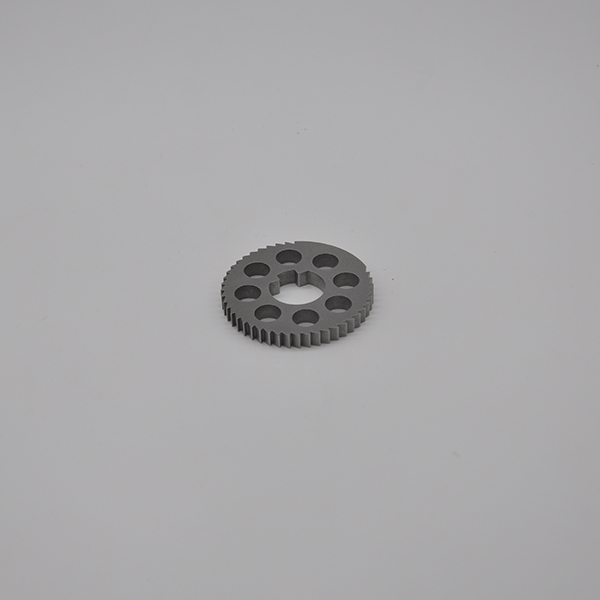
Precision sintered metals can be made from a wide range of materials, including iron, steel, copper, aluminum, and specialized alloys, each selected to meet the specific needs of the application. The process also allows for tailored material compositions, enabling the creation of parts with enhanced characteristics such as improved corrosion resistance, hardness, or conductivity. Additionally, the sintering process minimizes material waste, making it an environmentally friendly and cost-effective manufacturing method, especially for high-volume production. These sintered metal parts are used in various applications, such as gears, bearings, bushings, shafts, and structural components, where strength, precision, and reliability are crucial. Each part undergoes rigorous quality control to ensure it meets or exceeds industry standards for precision, performance, and durability. Precision sintered metal parts offer a reliable, efficient solution for producing complex, high-performance components with reduced lead times and cost-efficiency across a wide range of industries.
Chi tiết vật liệu: Bột sắt, bột hợp kim sắt, Thép không gỉ, Đồng, Thép, Sắt, Thép hợp kim (C, Sn, Zn)
Mật độ tối đa: 6,0 g/cm2~6,9 g/cm2
Quy trình sản xuất: Trộn bột-Nén bột-Thiêu kết-Tạo hình-Gia công-Hoàn thiện bề mặt
Xử lý bề mặt: Gia công, Ngâm dầu, Oxy hóa hơi nước, Mạ điện, Làm xanh bề mặt
Tiêu chuẩn: DIN, JIS, ASTM, GB
Ứng dụng: Điện gia dụng, Máy điện tử, Máy công sở, Ô tô
Bao bì bên trong: Màng nhựa chống gỉ; Túi nhựa hút chân không
Bao bì bên ngoài: Thùng carton cứng; Thùng gỗ; Pallet gỗ
Luyện kim bột sử dụng bột kim loại làm nguyên liệu thô, thông qua quá trình định hình và thiêu kết, sản xuất vật liệu kim loại, vật liệu tổng hợp và các loại sản phẩm khác nhau. Công nghệ luyện kim bột có thể trực tiếp chế tạo thành vật liệu và sản phẩm xốp, bán đặc hoặc đặc hoàn toàn, chẳng hạn như phụ tùng ô tô, phụ tùng máy nén.