




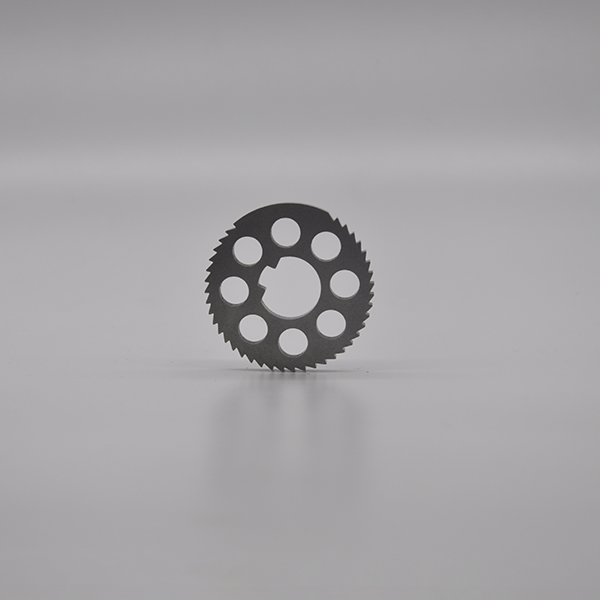
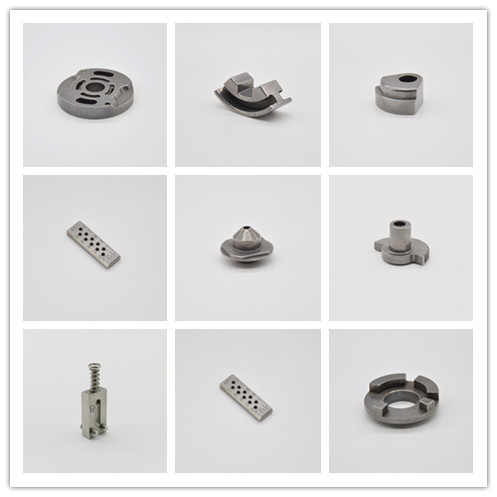
Descrição do produto
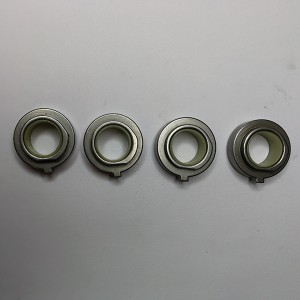
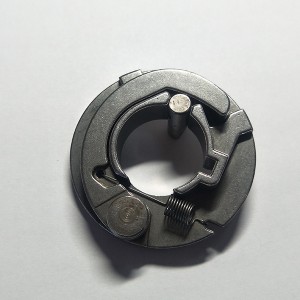
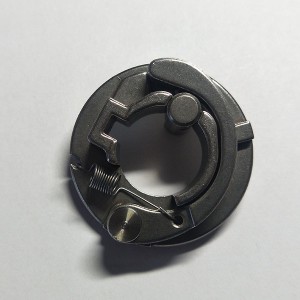
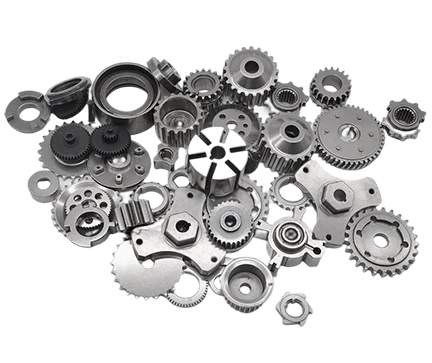
Precision sintered metal parts are high-performance components manufactured through the powder metallurgy process, offering superior strength, durability, and dimensional accuracy. In this process, metal powders are carefully compacted and sintered at high temperatures to form a solid, dense part with tightly controlled tolerances. The precision sintering technique enables the production of complex geometries and intricate shapes, which are difficult to achieve using traditional machining methods. These sintered metal parts are ideal for applications that require exacting specifications and consistent quality, making them highly sought after in industries such as automotive, aerospace, industrial machinery, and electronics. The precision sintering process results in parts with excellent mechanical properties, including high tensile strength, wear resistance, and thermal stability, ensuring long-term performance even under extreme conditions.
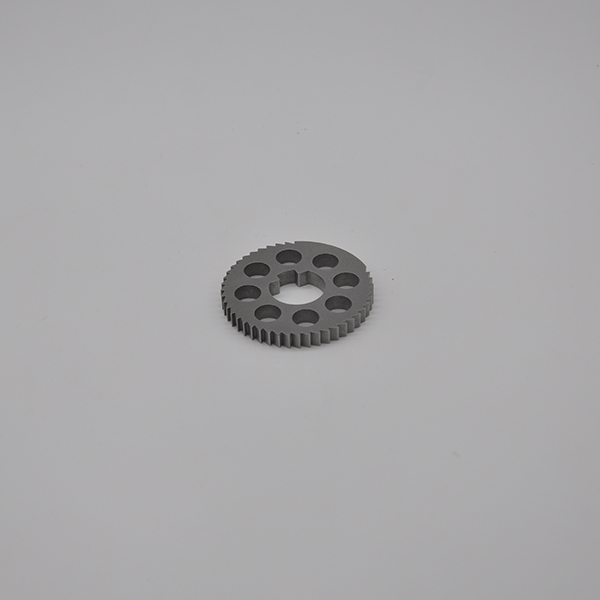
Precision sintered metals can be made from a wide range of materials, including iron, steel, copper, aluminum, and specialized alloys, each selected to meet the specific needs of the application. The process also allows for tailored material compositions, enabling the creation of parts with enhanced characteristics such as improved corrosion resistance, hardness, or conductivity. Additionally, the sintering process minimizes material waste, making it an environmentally friendly and cost-effective manufacturing method, especially for high-volume production. These sintered metal parts are used in various applications, such as gears, bearings, bushings, shafts, and structural components, where strength, precision, and reliability are crucial. Each part undergoes rigorous quality control to ensure it meets or exceeds industry standards for precision, performance, and durability. Precision sintered metal parts offer a reliable, efficient solution for producing complex, high-performance components with reduced lead times and cost-efficiency across a wide range of industries.
Detalhes do material: Pó de ferro, pó de liga de ferro, aço inoxidável, cobre, aço, ferro, aço de liga (C, Sn, Zn)
Densidade máxima: 6,0 g/cm2~6,9 g/cm2
Processo de produção: Mistura de pó-compactação de pó-sinterização-moldagem-usinagem-acabamento de superfície
Tratamento de superfície: Usinagem, Imersão em óleo, Oxidação a vapor, Galvanoplastia, Superfície azulada
Padrão: DIN, JIS, ASTM, GB
Aplicação: Elétrica doméstica, Máquina eletrônica, Máquinas comerciais oficiais, Automóveis
Embalagem interna: filme plástico antiferrugem; sacos plásticos a vácuo
Embalagem externa: caixa rígida; caixa de madeira; palete de madeira
A metalurgia do pó usa pó de metal como matéria-prima, por meio de formação e sinterização, fabricação de materiais metálicos, materiais compostos e vários tipos de produtos. A tecnologia de metalurgia do pó pode ser diretamente transformada em materiais e produtos porosos, semicompactos ou totalmente compactos, como peças automotivas, peças de reposição de compressores.