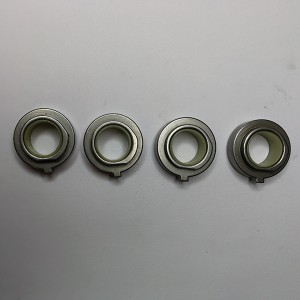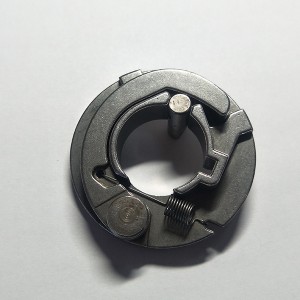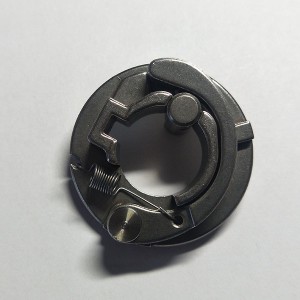





|
Produktname |
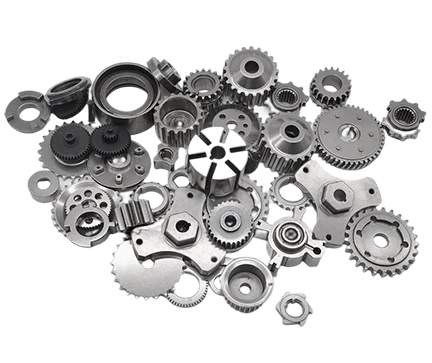
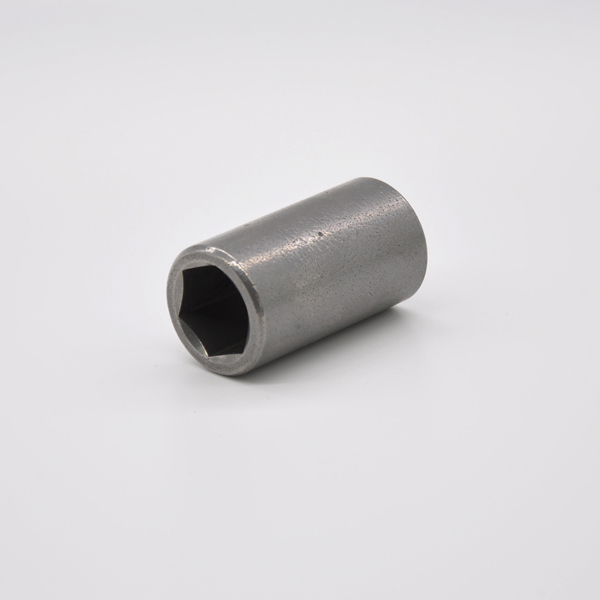
Pulvermetallurgie OEM-TEILE |
|
Material |
Iron powder/Steel/Stainless Steel/Cooper/Nickel |
|
Technologie |
Powder Metallurgy - Machining |
|
Zertifikat |
ISO9001/TS16949 |
|
Oberflächenbehandlung |
High Frequency quenching, Oil impregnation |
|
Unspecified Tolerance |
ISO 2768 - m / H14, h14, +- IT14/2 |
|
Aussehen |
No Crumbling, Cracks, Exfoliation, Voids, Metal Pitting and Other Defects |
|
Prozessablauf |
Powder mixing - Forming - Sintering - Oil impregnation - Sizing -Ultrasonic Cleaning - Steam Oxidation - Oil impregnation - Final inspection - Packing |
|
Anwendung |
Industrie, Fahrzeug, Elektrowerkzeuge, Motor, Fahrrad, Elektromobil |
Pulvermetallurgie OEM-Getriebeteile
Design Optimization of Powder Metal Sintering Transmission Parts for High Efficiency
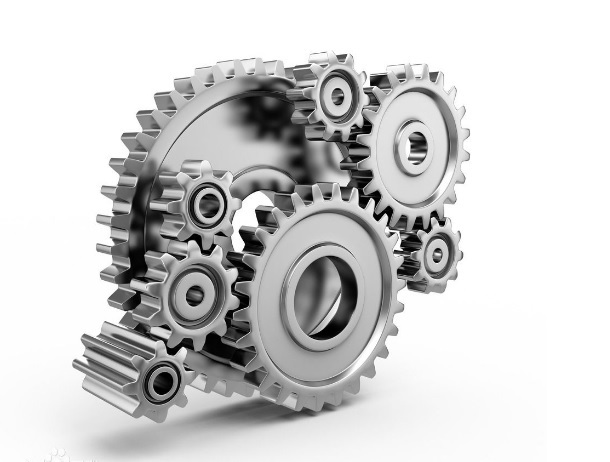
Design optimization is a critical factor in achieving high efficiency for powder metal sintering transmission parts, especially in automotive, industrial machinery, and power transmission systems. Unlike conventional machined components, powder metallurgy allows engineers to design parts that integrate functionality, precision, and material efficiency from the earliest development stages.
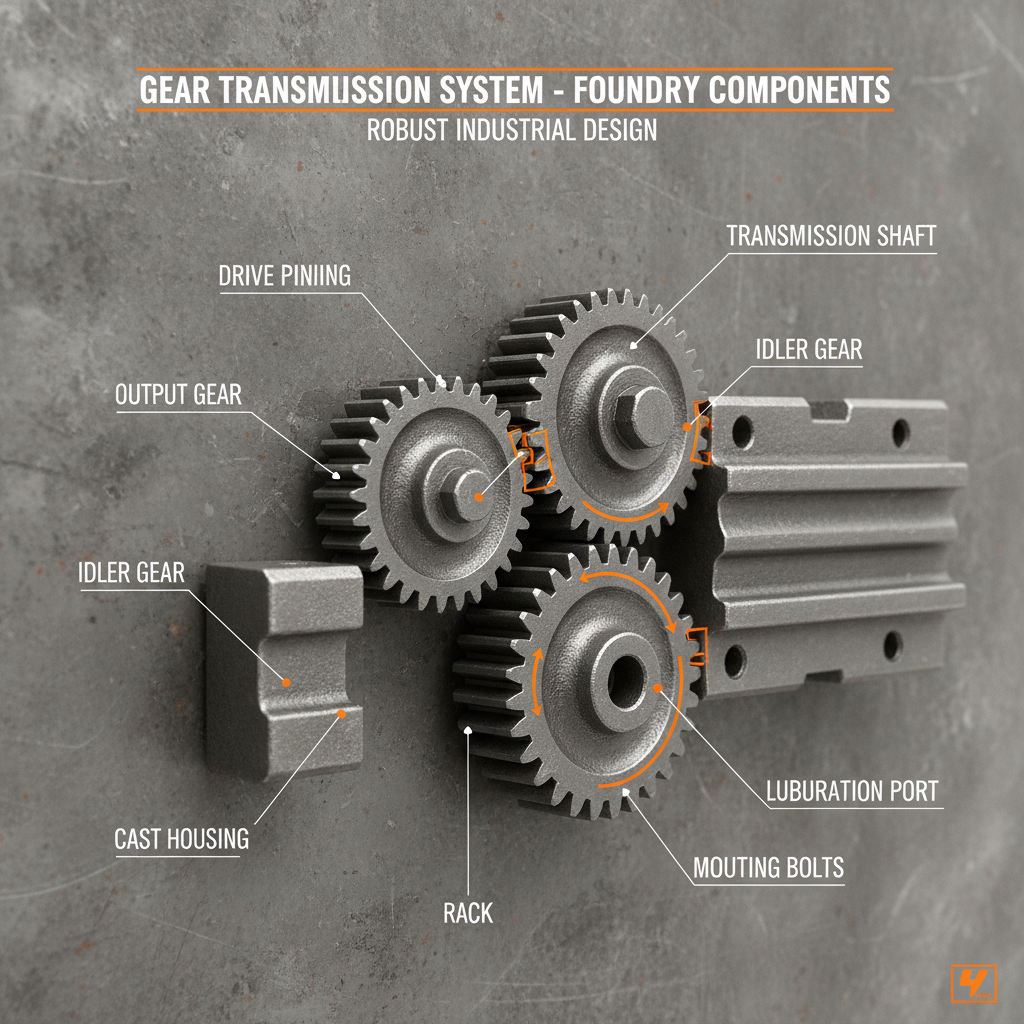
One of the key advantages of powder metal sintering is near-net-shape capability, which enables complex geometries to be formed directly during compaction. Transmission parts such as gears, hubs, sprockets, and carriers can incorporate splines, oil grooves, flanges, and weight-reduction features without secondary machining. Optimized geometry reduces friction losses, improves torque transfer efficiency, and enhances load distribution across contact surfaces.
Material distribution and density control play a vital role in design optimization. By adjusting powder composition and compaction pressure, engineers can achieve targeted density in high-stress areas while maintaining controlled porosity in non-critical zones. This balance improves mechanical strength where needed and supports self-lubrication, which reduces friction and heat generation during operation.
Another important design aspect is tooth profile and contact optimization. In transmission components such as spur gears or helical gears, precise tooth geometry ensures smooth engagement, minimal backlash, and reduced vibration. Computer-aided engineering (CAE) tools allow designers to simulate load paths, contact stress, and fatigue life, enabling design refinement before production begins. This reduces energy loss and enhances transmission efficiency.
Integration of functional features is another efficiency-enhancing advantage. Powder metal sintering allows multiple components to be consolidated into a single part, reducing assembly complexity, alignment errors, and overall system weight. Fewer interfaces translate into lower mechanical losses and higher operational reliability.
Thermal considerations are also critical. Efficient transmission parts must manage heat generated by friction and load. Controlled porosity within sintered parts supports oil retention and heat dissipation, contributing to stable operating temperatures and prolonged service life.
In summary, optimizing the design of powder metal sintering transmission parts involves advanced geometry control, material distribution, density optimization, and digital simulation. These factors collectively improve efficiency, reduce energy losses, and enhance the long-term performance of transmission systems across automotive and industrial applications.
Heat Treatment and Surface Finishing of Powder Metal Sintering Transmission Parts
Heat treatment and surface finishing are essential processes that significantly enhance the performance, durability, and reliability of powder metal sintering transmission parts. These post-sintering processes allow manufacturers to tailor mechanical properties to meet the demanding requirements of automotive and industrial transmission systems.
Heat treatment improves hardness, strength, and fatigue resistance. Common heat treatment methods for powder metal parts include carburizing, carbonitriding, induction hardening, and sinter hardening. Carburizing introduces carbon into the surface layer, creating a hard, wear-resistant case while maintaining a tough core. This combination is ideal for transmission components subjected to repeated contact stress and shock loads.
Induction hardening is often used for localized strengthening of gear teeth or critical load-bearing surfaces. This process selectively hardens targeted areas without affecting the entire component, reducing distortion and maintaining dimensional accuracy. Sinter hardening, performed directly after sintering, eliminates additional processing steps and improves production efficiency while achieving consistent mechanical properties.
Surface finishing further enhances performance by reducing friction, improving wear resistance, and ensuring precise tolerances. Techniques such as grinding, honing, and shot peening are commonly applied to powder metal transmission parts. Grinding ensures accurate tooth profiles and smooth surfaces, essential for minimizing noise and vibration in transmission systems.
Shot peening introduces compressive residual stress on the surface, improving fatigue life and resistance to crack initiation. This is particularly beneficial for high-cycle transmission components operating under dynamic loads.
In addition, oil impregnation is a key advantage of powder metal parts. Controlled porosity allows lubricant to be retained within the structure, providing continuous lubrication during operation. This reduces friction, heat generation, and surface wear, significantly extending service life.
Advanced surface treatments, including coatings and surface densification, further improve corrosion resistance and load-bearing capacity. These treatments are especially valuable in harsh operating environments where exposure to moisture, dust, or chemicals is common.
Overall, the combination of optimized heat treatment and surface finishing processes ensures that powder metal sintering transmission parts achieve superior strength, wear resistance, and dimensional stability. These enhancements directly contribute to reliable performance, reduced maintenance, and extended service life.
Common Failure Modes of Powder Metal Sintering Transmission Parts and Solutions
Despite their advantages, powder metal sintering transmission parts can experience failure if design, manufacturing, or operating conditions are not properly managed. Understanding common failure modes and implementing effective solutions is essential for maximizing reliability and longevity.
One common failure mode is tooth wear, often caused by inadequate lubrication, excessive load, or improper surface finishing. Although powder metal parts offer self-lubricating properties, high-speed or high-load applications may require additional lubrication systems. Optimizing oil impregnation and ensuring proper lubrication can significantly reduce wear.
Tooth chipping or fracture is another issue, typically resulting from shock loads, overloading, or misalignment. This can occur when transmission parts are subjected to sudden torque spikes or improper assembly. Solutions include selecting higher-strength alloy powders, optimizing heat treatment processes, and improving gear alignment during installation.
Surface pitting and fatigue cracking are common in components exposed to repeated cyclic loads. These failures often originate from insufficient surface hardness or poor sintering quality. Applying appropriate carburizing or induction hardening and ensuring consistent density during sintering can enhance fatigue resistance.
Dimensional instability or deformation may occur due to uneven densification or improper heat treatment. This can affect gear meshing accuracy and increase vibration. Using controlled compaction processes and precise thermal cycles helps maintain dimensional stability.
Environmental factors such as dust, moisture, or corrosive media can also lead to corrosion-related failures. Protective coatings, proper sealing, and corrosion-resistant alloy selection are effective countermeasures.
In conclusion, preventing failures in powder metal sintering transmission parts requires a comprehensive approach involving optimized design, controlled manufacturing processes, proper heat treatment, and correct operating conditions. By addressing wear, fracture, fatigue, and environmental risks, manufacturers and end users can ensure consistent performance and extended service life in transmission systems.