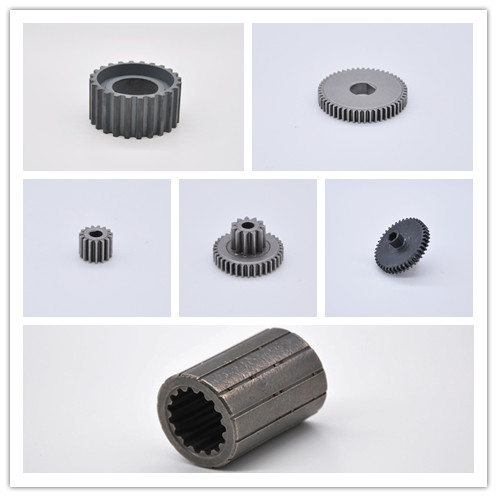





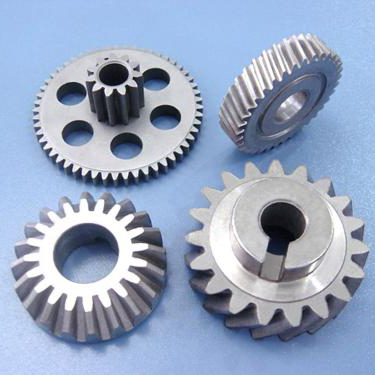
The engine gears are made of high-strength materials and processed with precision technology, specially designed for various power equipment such as automobiles, motorcycles and heavy machinery. Through advanced manufacturing processes, our engine gears can maintain outstanding performance in high-load and high-speed operation environments, ensuring the stable transmission of engine power.
High strength and wear resistance: Our engine gears are made of high-quality steel and undergo strict heat treatment processes, enhancing their wear resistance and ensuring stable operation under high-torque and high-load working conditions.
High-precision design: By adopting precise processing techniques, the dimensions and tooth profiles of gears are accurate and error-free, ensuring smooth engine operation, reducing noise and vibration, and enhancing the stability and comfort of the overall system.
Strong load-bearing capacity: These gears have a strong load-bearing capacity and can withstand the huge pressure of the engine at high power output, ensuring the continuous and stable transmission of power.
Efficient power transmission: Precise tooth profile design and material selection can maximize transmission efficiency, reduce energy loss, and enhance the overall performance of the power system.
Customized services: According to the customer's requirements, we offer customized services to ensure that the size, hardness, material, etc. of the gears fully meet specific requirements, providing the best power transmission solution for customers.
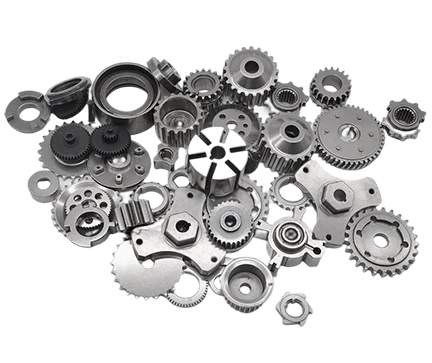
Sintergetriebe
Technologie: Pulvermetallurgie
Oberflächenbehandlung: Abschrecken, Polieren
Werkstoffnorm: MPIF 35, DIN 30910, JIS Z2550
Dichte: 6,2 - 7,1 g/cm3
Makrohärte: 40 - 80 HRA
Zugfestigkeit: 1650 MPa (maximal)
Streckgrenze (0,2 %): 1270 MPa (ultimativ)
Größe: Kundenspezifische Größe
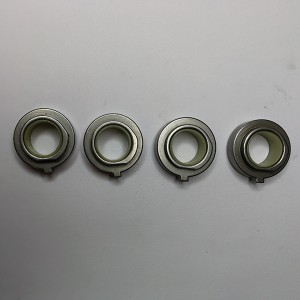
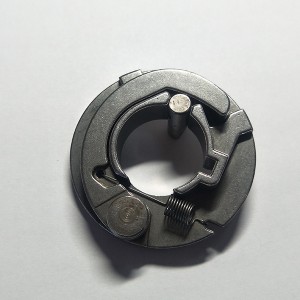
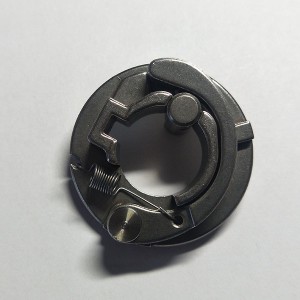
Durch Pulvermetallurgie ist es möglich, komplexe Formen wie Zähne, Keilwellen, Profile, Frontalgeometrien usw. direkt aus dem Presswerkzeug zu erhalten, ohne dass eine spanende Bearbeitung erforderlich ist. Die erreichbaren Toleranzen in der senkrechten Richtung der Pressung liegen im gesinterten Zustand typischerweise bei IT 8–9 und sind nach der Kalibrierung auf IT 5–7 verbesserungsfähig. Durch zusätzliche spanende Bearbeitung kann die Präzision verbessert werden.
OEM-Spulenmetallurgie-Ausrüstung