




Produktbeschreibung
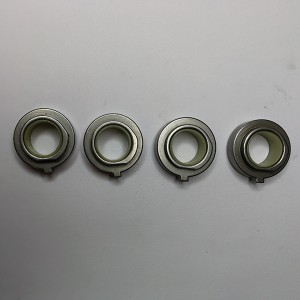
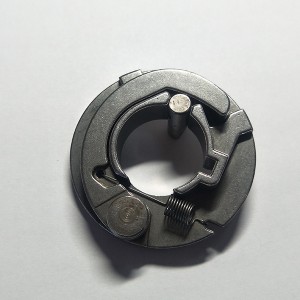
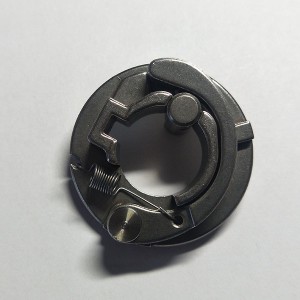
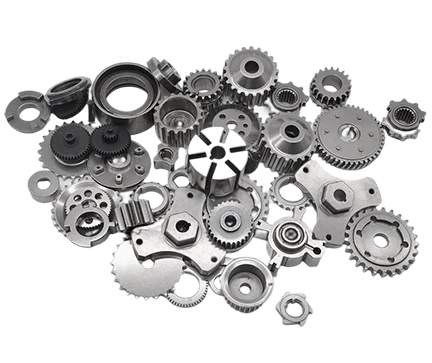
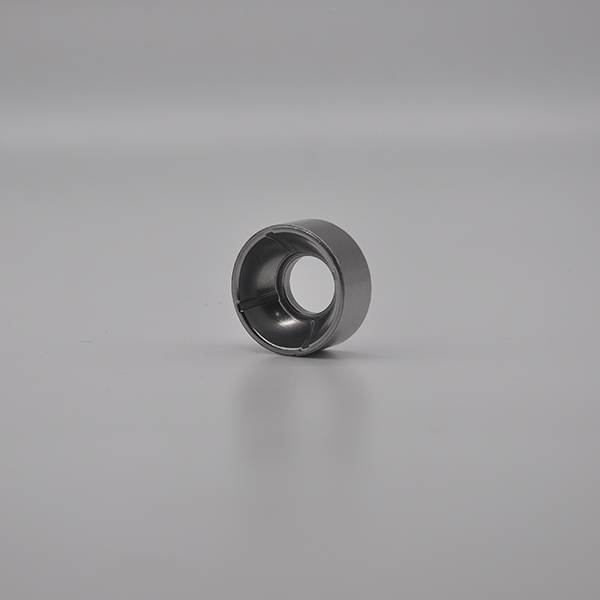
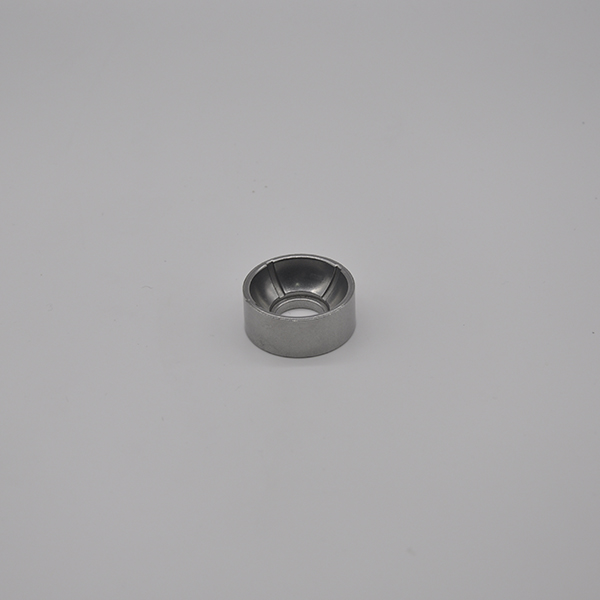
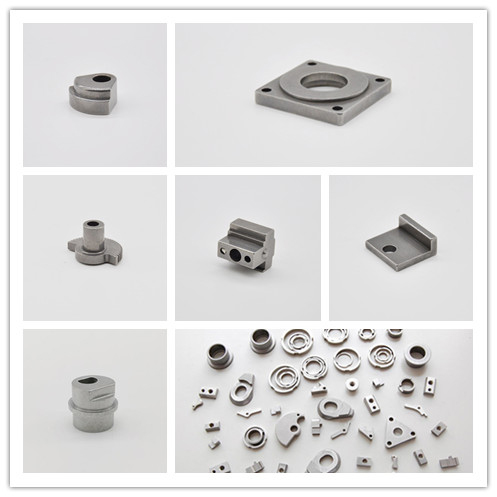
Sintered structural components are manufactured by high-precision powder metallurgy processes and are specially developed to meet the requirements of high strength, high precision and complex design. By sintering high-quality metal powders at high temperatures, we can produce components with dense structures and stable performance, which are widely used in the automotive industry, home appliances, power tools, medical devices and mechanical manufacturing, among other fields.
Complex structures are easily formed: The sintering process can achieve complex geometric designs that are difficult to complete with traditional machining, reduce the number of components, and simplify the assembly process.
High strength and wear resistance: The material has a high density, combined with an optimized sintering curve, endowing the parts with excellent mechanical properties and wear resistance, making them suitable for high-load and long-term operating conditions.
Dimensional accuracy and stability: The strictly controlled manufacturing process ensures consistent part dimensions and small shape and position tolerances, significantly enhancing product assembly efficiency.
Dual advantages in cost and efficiency: Compared with traditional casting, forging and machining processes, powder metallurgy can significantly save materials and processing costs, making it particularly suitable for medium and large-scale production demands.
Environmentally friendly manufacturing: High material utilization rate and low energy consumption production process, helping customers achieve green manufacturing goals.
Materialdetails: Eisenpulver, Eisenlegierungspulver, Edelstahl, Kupfer, Stahl, Eisen, legierter Stahl (C, Sn, Zn)
Maximale Dichte: 6,0 g/cm2 ~ 6,9 g/cm2
Produktionsprozess: Pulvermischen – Pulververdichten – Sintern – Formen – Bearbeiten – Oberflächenbearbeitung
Oberflächenbehandlung: Bearbeitung, Ölimmersion, Dampfoxidation, Galvanisieren, Oberflächenbrünierung
Standard: DIN, JIS, ASTM, GB
Anwendung: Haushaltselektrogeräte, elektronische Maschinen, offizielle Geschäftsmaschinen, Automobile
Innenverpackung: Rostschutzfolie; Vakuum-Plastikbeutel
Äußere Verpackung: Hartkarton; Holzkiste; Holzpalette
Bei der Pulvermetallurgie wird Metallpulver als Rohmaterial verwendet. Durch Formen und Sintern werden Metallwerkstoffe, Verbundwerkstoffe und verschiedene Arten von Produkten hergestellt. Mithilfe der Pulvermetallurgietechnologie können direkt poröse, halbkompakte oder vollkompakte Werkstoffe und Produkte wie Autoteile und Kompressorersatzteile hergestellt werden.