






Components manufactured by powder metallurgy (PM) represent a crucial manufacturing process impacting diverse industries globally. This technique, involving the compaction and sintering of metal powders, offers unique capabilities for producing complex geometries and specialized material properties unattainable through traditional methods. The growing demand for lightweight, high-performance parts, coupled with the efficiency of PM in material utilization and net-shape forming, fuels its increasing relevance in sectors ranging from automotive and aerospace to medical and consumer goods.
The global powder metallurgy market is experiencing significant growth, driven by factors such as rising automotive production, increasing demand for fuel efficiency, and advancements in PM technologies. According to industry reports, the market is projected to reach substantial values in the coming years, with Asia-Pacific dominating the landscape due to its burgeoning manufacturing sector. Understanding the capabilities and limitations of components manufactured by powder metallurgy is therefore paramount for engineers, designers, and manufacturers seeking competitive advantages.
The economic implications are significant. PM reduces material waste, minimizes machining requirements, and allows for mass production of intricate parts, leading to lower costs and increased efficiency. This makes components manufactured by powder metallurgy an essential element in optimizing supply chains and meeting the demands of a rapidly evolving global marketplace. components manufactured by powder metallurgy are integral to this shift.
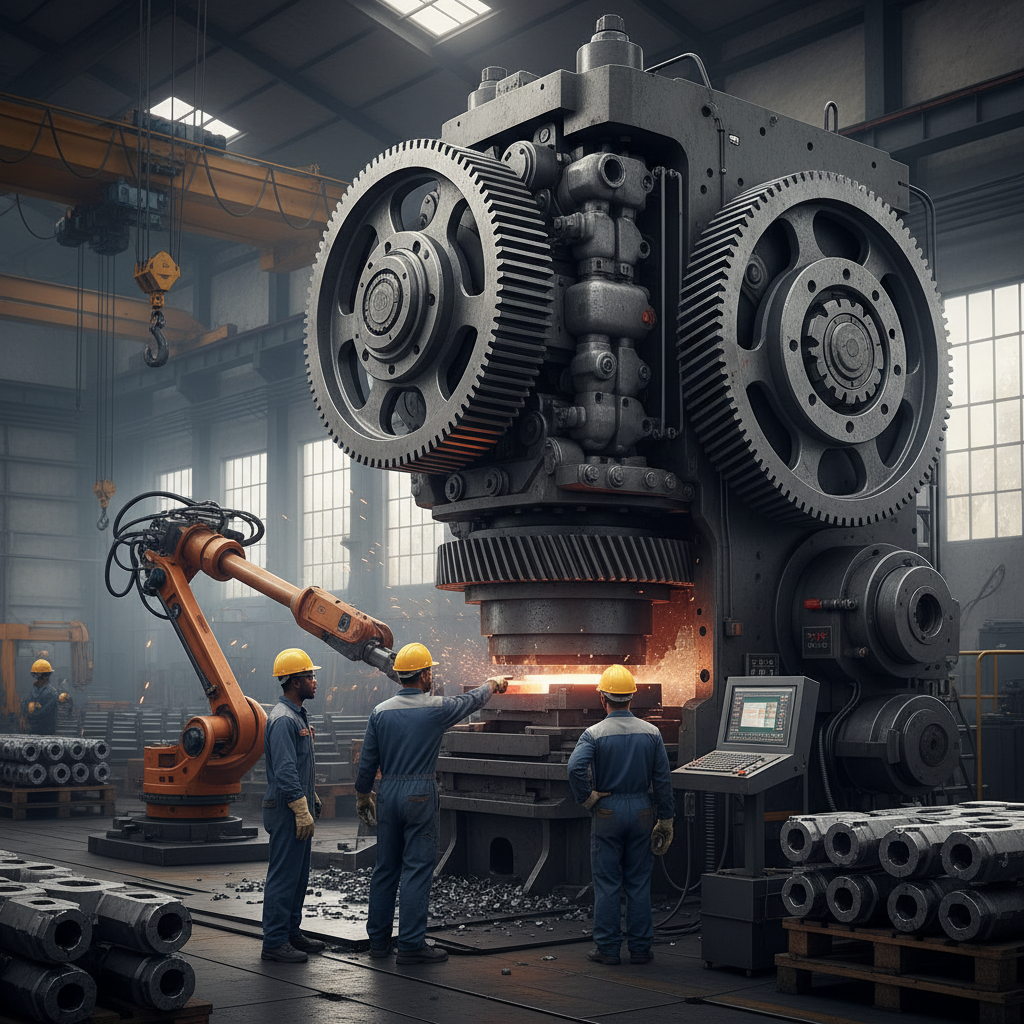
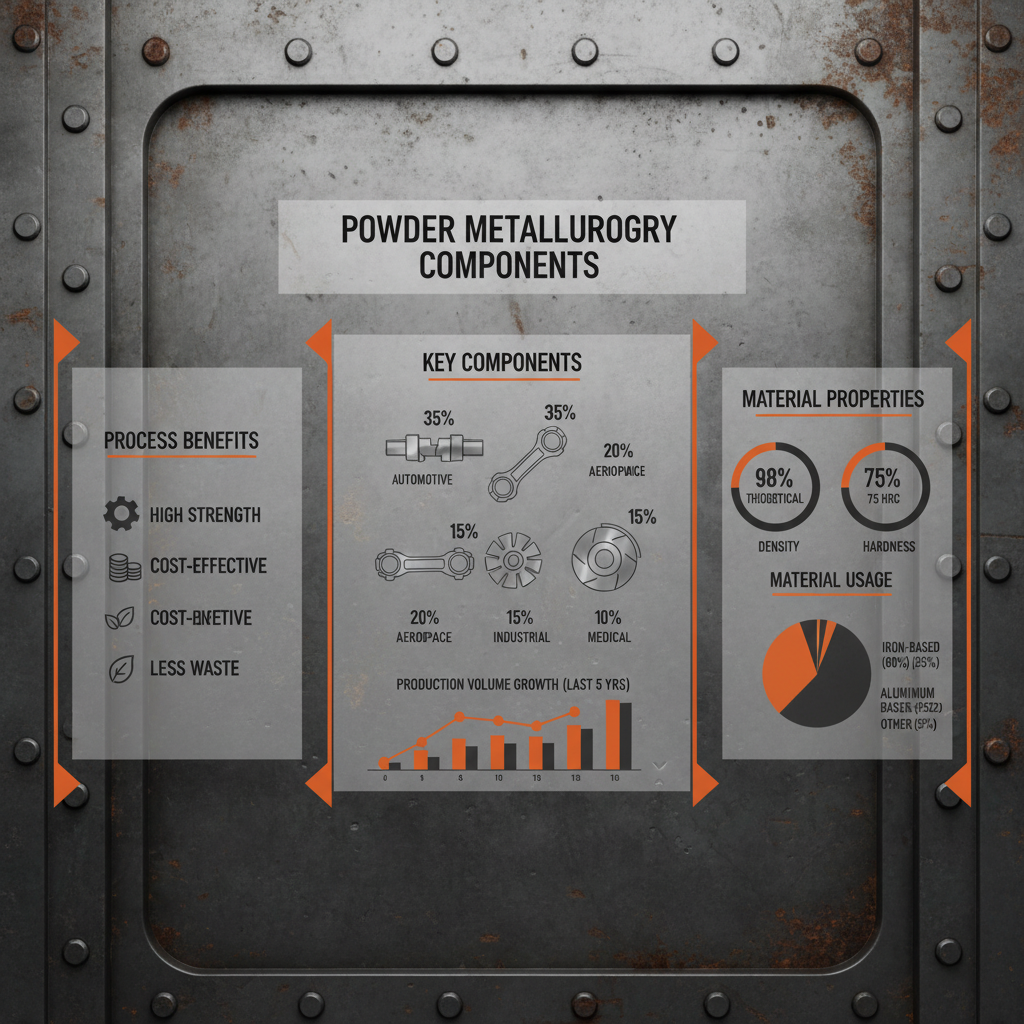
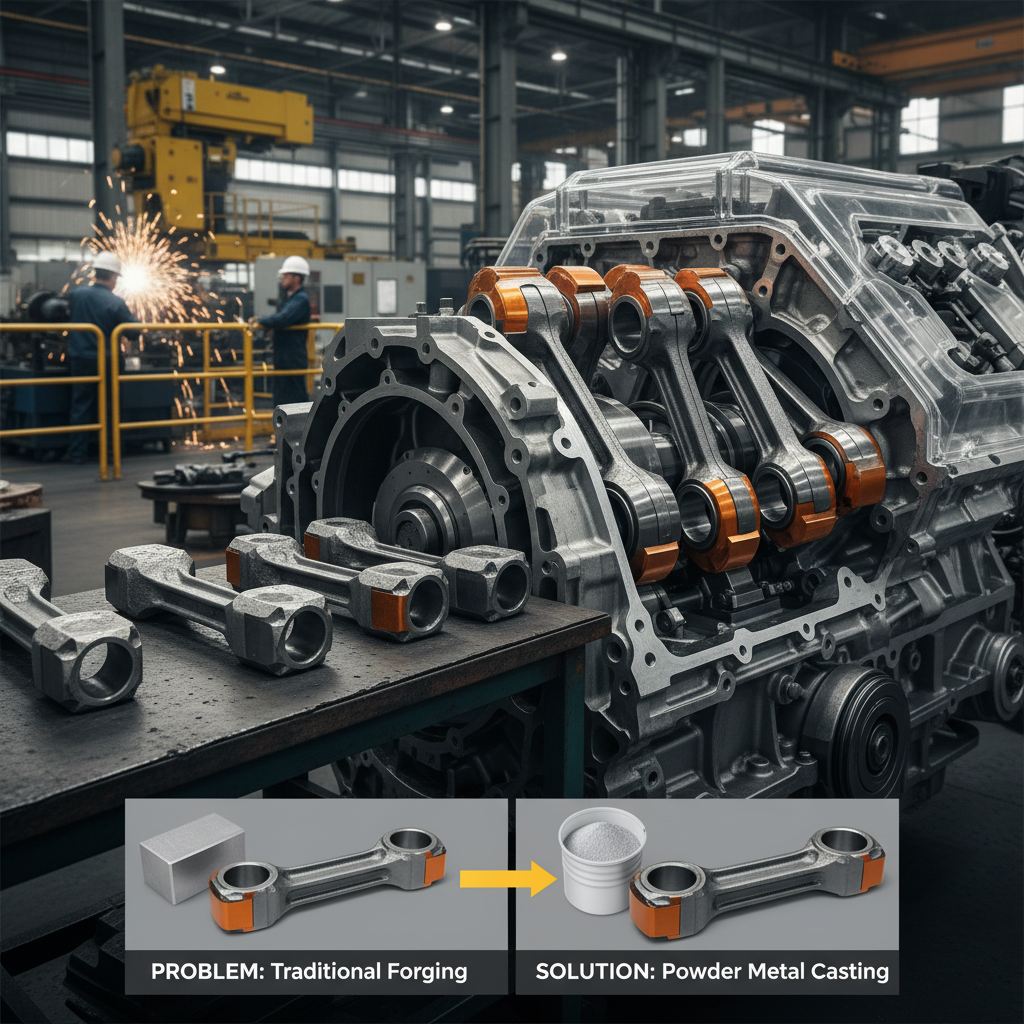
Components manufactured by powder metallurgy offer a unique set of characteristics making them ideal for a vast range of applications. Unlike traditional manufacturing processes that rely on removing material (machining) or shaping molten material (casting), PM builds parts by consolidating powder particles. This inherent flexibility allows for the creation of complex shapes and internal features, minimizing waste and reducing the need for secondary operations.
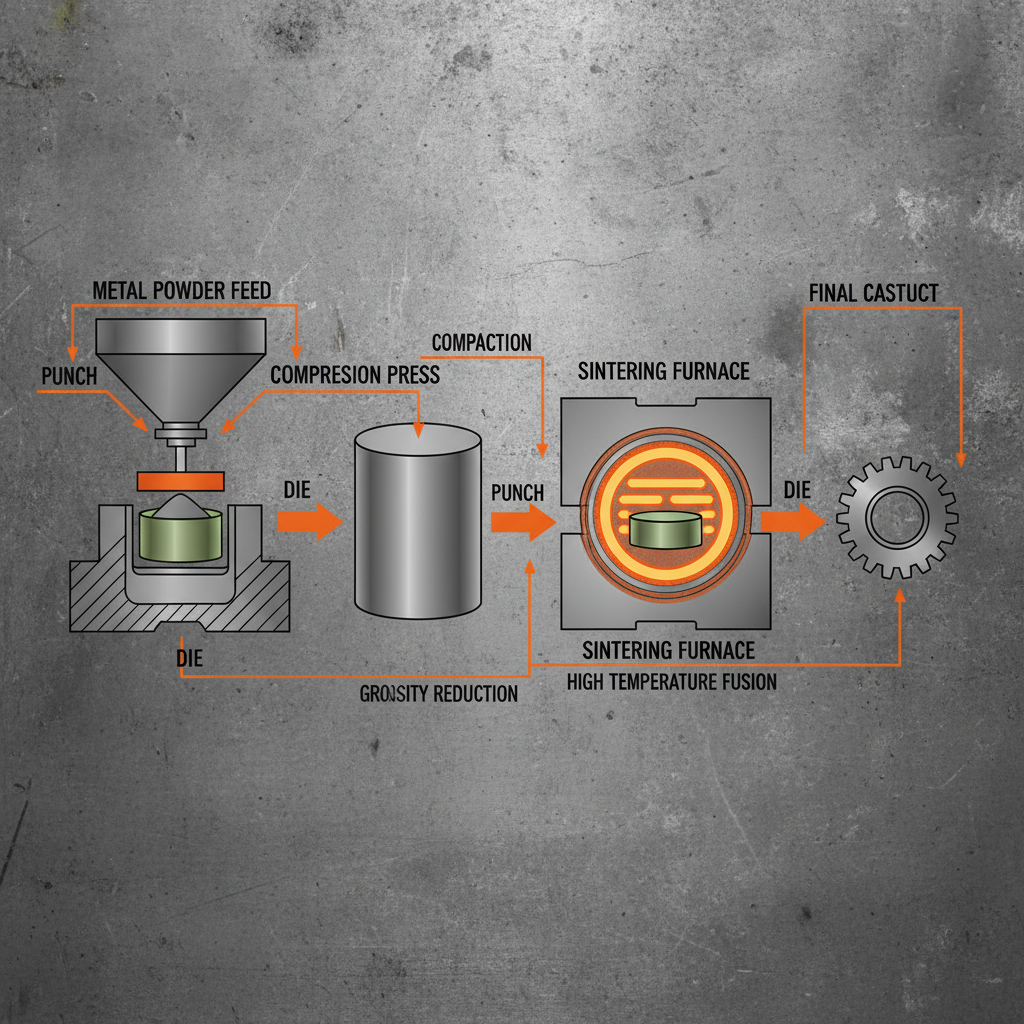
The process begins with finely divided metal powders, which are blended and then compacted into a desired shape. This ‘green compact’ is then subjected to sintering, a heat treatment process that bonds the particles together, achieving the desired density and strength. Innovations in powder composition, compaction techniques, and sintering atmospheres continue to expand the capabilities of components manufactured by powder metallurgy.
Components manufactured by powder metallurgy offer several advantages over casting, including net-shape capability, reduced material waste, and the ability to produce complex geometries with controlled porosity. PM eliminates the need for extensive machining, resulting in lower costs and improved material utilization. Additionally, PM allows for the creation of materials with tailored properties not achievable through casting, such as specific alloy compositions and controlled densities.
Yes, components manufactured by powder metallurgy can be designed and produced for high-temperature applications. By selecting appropriate powder materials, such as high-speed steels or superalloys, and utilizing advanced sintering techniques, parts with excellent high-temperature strength, creep resistance, and oxidation resistance can be achieved. However, careful consideration must be given to material selection and process parameters to ensure optimal performance under elevated temperatures.
The lead time for components manufactured by powder metallurgy can vary depending on the complexity of the part, the quantity required, and the availability of tooling. Generally, PM lead times are competitive with other manufacturing processes, ranging from a few weeks for prototype quantities to several months for large-scale production runs. The initial tooling development phase typically represents the longest portion of the lead time.
Components manufactured by powder metallurgy contribute to sustainability through several avenues. The net-shape capability minimizes material waste, reducing the demand for raw resources. PM processes typically require less energy than traditional methods like casting or forging. Additionally, PM can utilize recycled metal powders, further reducing environmental impact. The inherent efficiency of the process aligns with circular economy principles.
While highly versatile, PM does have limitations. Producing very large components can be challenging. Achieving extremely high densities comparable to wrought materials can sometimes be difficult, though advancements are continually closing this gap. Certain complex geometries might require specialized tooling or secondary operations. The initial tooling cost can be relatively high for low-volume production runs.
Yes, metal injection molding (MIM) is considered a specialized branch of powder metallurgy. It utilizes finely powdered metals mixed with a binder material, which is then injection molded into the desired shape. After debinding, the part is sintered to achieve final density and strength. MIM excels at producing intricate, small, and complex parts with high precision, making it ideal for applications in medical, dental, and electronics industries.
In conclusion, components manufactured by powder metallurgy represent a sophisticated and versatile manufacturing process offering significant advantages in terms of cost-effectiveness, material efficiency, design flexibility, and performance. From automotive and aerospace to medical and industrial applications, PM continues to enable innovation and drive advancements across diverse industries. Understanding the capabilities and limitations of PM is crucial for engineers and manufacturers seeking to optimize their designs and production processes.
Looking ahead, the convergence of powder metallurgy with additive manufacturing, the development of advanced powder materials, and the increasing focus on sustainability will further expand the scope and impact of this technology. We encourage you to explore the possibilities of components manufactured by powder metallurgy for your next project. Visit our website at www.jssintering.com to learn more about our capabilities and how we can help you achieve your manufacturing goals.
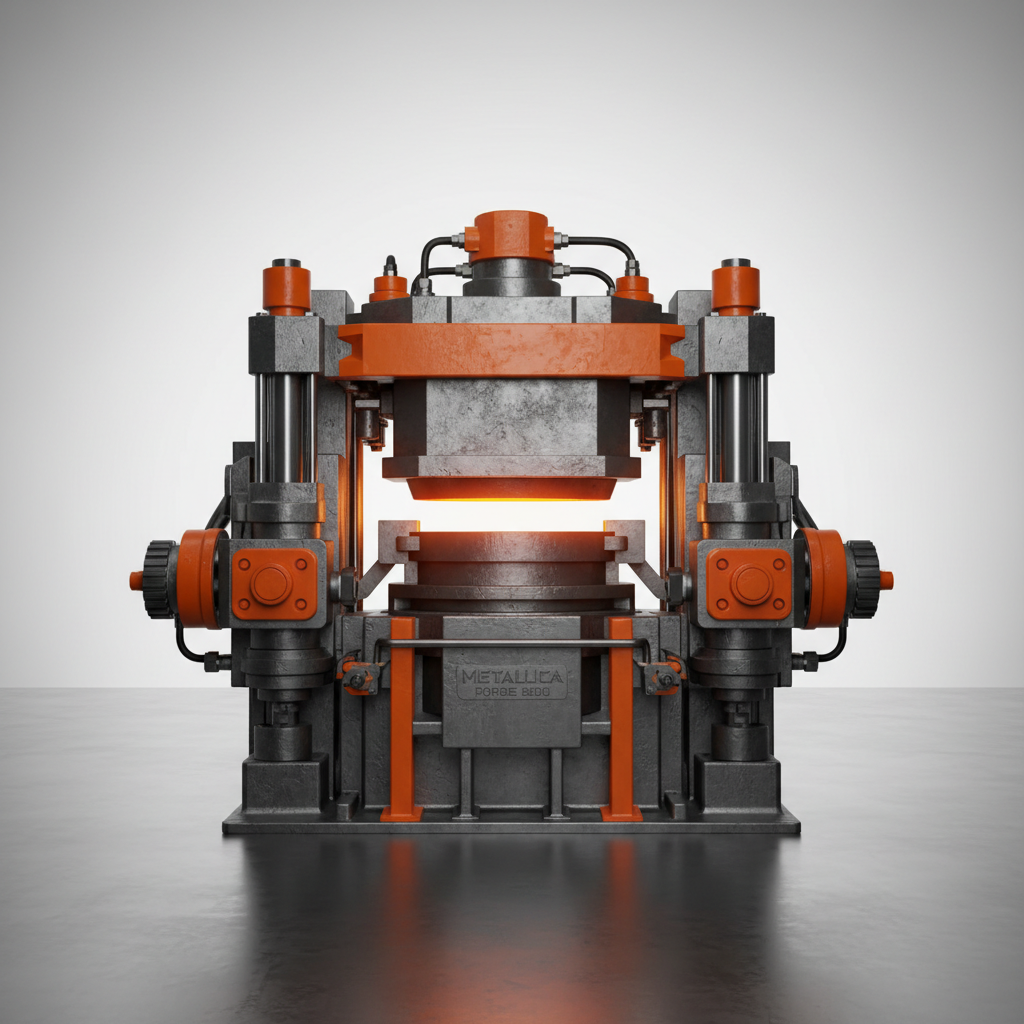


Shijiazhuang JingShi New Material Science and Technology Co., Ltd was founded since 2014, located in Shijiazhuang, Hebei province, China. The company covers an area of over 10,000 square meters and has


PRODUCTS

CONTACT US
Address:TIANSHAN INTERNATIONAL MANUFACTURING INDUSTRY PARK NO.57, YUANSHI, SHIJIAZHUANG CITY, HEBEI PROVINCE, CHINA
Address:TIANSHAN INTERNATIONAL MANUFACTURING INDUSTRY PARK NO.57, YUANSHI, SHIJIAZHUANG CITY, HEBEI PROVINCE, CHINA
