




Finishing operations in powder metallurgy (PM) are critical processes that transform near-net-shape components into functional parts with desired properties. These operations, ranging from simple deburring to complex heat treatments, are essential for achieving the dimensional accuracy, surface finish, and mechanical strength required for diverse applications. The global demand for PM parts is steadily increasing, driven by industries like automotive, aerospace, and medical, making efficient and effective finishing operations increasingly important.
The significance of finishing operations in powder metallurgy extends beyond simply refining the component. They directly impact performance, longevity, and cost-effectiveness. In a world demanding lightweight, high-strength materials, PM offers a unique advantage. However, achieving these advantages requires meticulous finishing. Advancements in finishing techniques are directly linked to the expansion of PM into increasingly demanding applications.
Understanding the nuances of finishing operations in powder metallurgy is crucial for engineers, manufacturers, and researchers alike. Properly executed finishing can unlock the full potential of PM technology, contributing to innovation and efficiency across various sectors. It’s a field where continuous improvement is paramount, with new methods constantly being developed to address evolving industry needs and material compositions.
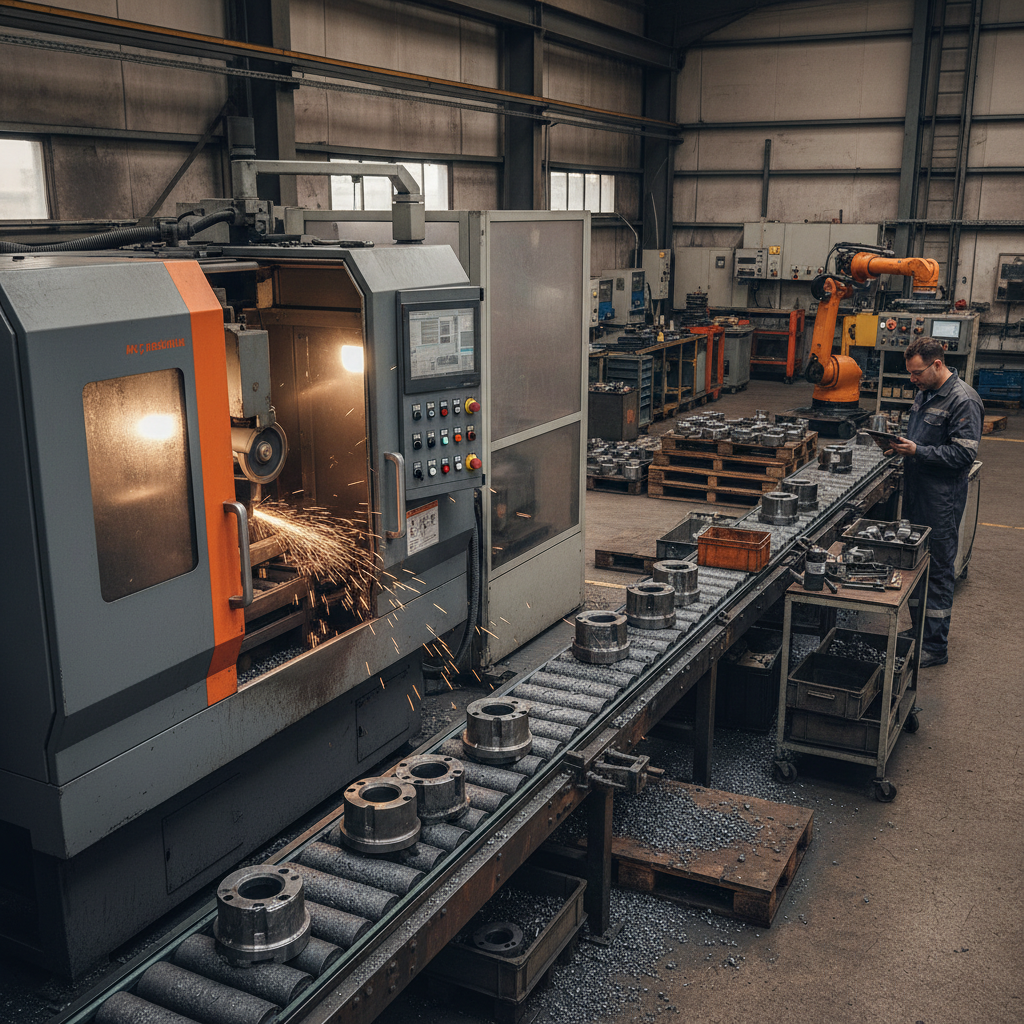
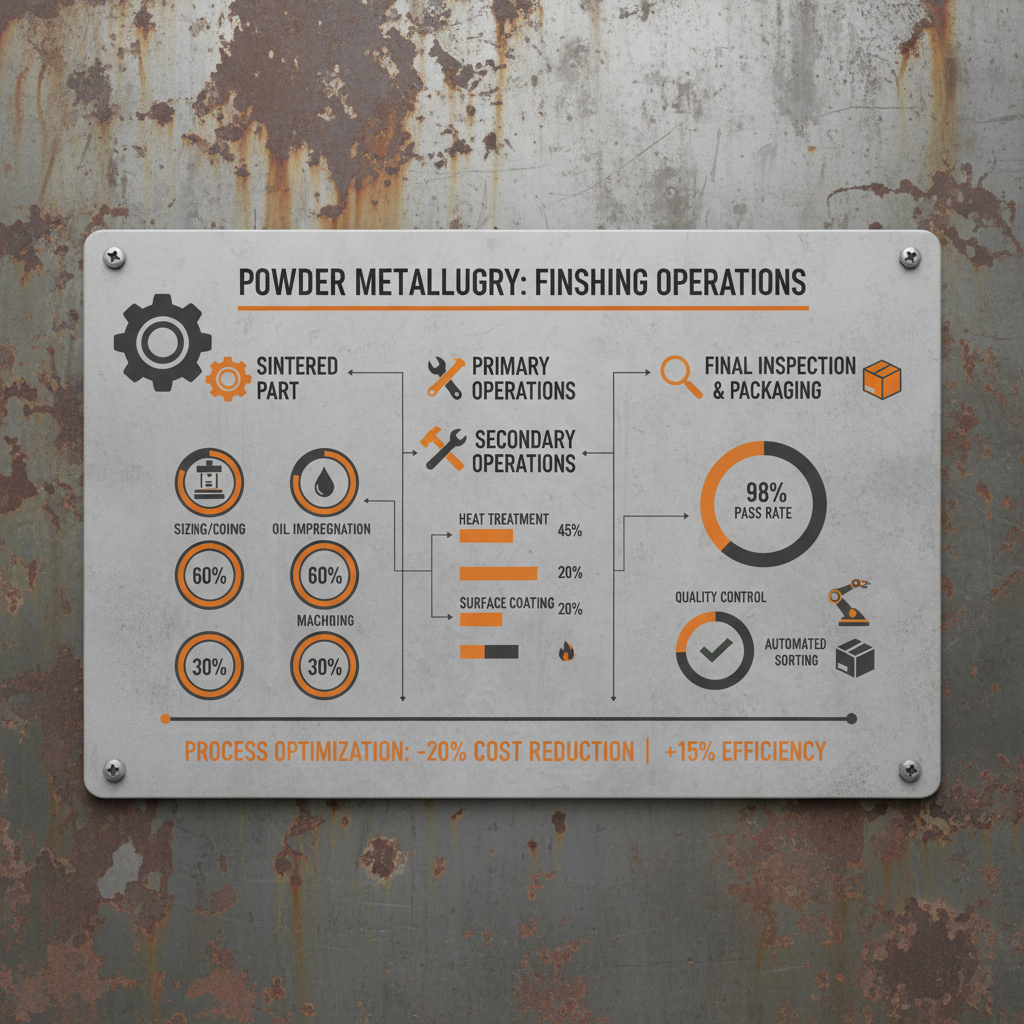
Powder metallurgy parts, while produced near their final shape, almost always require secondary finishing operations. These operations are crucial for refining dimensional tolerances, improving surface characteristics, and enhancing mechanical properties. Without appropriate finishing, the benefits of PM – such as material utilization and complex geometries – can be significantly diminished. finishing operations in powder metallurgy are, therefore, an integral part of the PM process.
The selection of the appropriate finishing operation depends on several factors, including the material composition of the PM part, the desired surface finish, dimensional tolerances, and the overall cost targets. Different finishing methods offer varying degrees of precision, efficiency, and suitability for different materials and geometries. A thorough understanding of these factors is essential for optimizing the PM manufacturing process.
Finishing operations in powder metallurgy are vital across a diverse range of industries. In the automotive sector, they’re used to refine gears, bearings, and engine components, ensuring optimal performance and durability. Aerospace benefits from precision finishing for structural parts, enhancing safety and reliability.
The medical industry relies on PM parts with exceptionally smooth surface finishes and tight tolerances, often achieved through polishing and coating operations. These components are used in surgical instruments, implants, and diagnostic equipment. Furthermore, finishing plays a key role in the manufacturing of tooling and dies used in various manufacturing processes.
The benefits of optimized finishing operations in powder metallurgy extend beyond immediate improvements in component quality. Cost savings are a significant advantage, as precise finishing can reduce scrap rates and eliminate the need for costly rework. Enhanced durability translates to longer component lifespan and reduced maintenance requirements.
Sustainability is also a key benefit. By minimizing material waste and reducing energy consumption, finishing operations can contribute to a more environmentally friendly manufacturing process. Furthermore, reliable performance and increased safety instill trust in PM components, strengthening the reputation of manufacturers and fostering long-term customer relationships.
The future of finishing operations in powder metallurgy is poised for significant advancements. Automation, powered by robotics and artificial intelligence, is set to revolutionize the process, enabling higher precision, increased efficiency, and reduced labor costs. The development of novel coating technologies, such as diamond-like carbon (DLC) coatings, will provide enhanced wear resistance and corrosion protection.
Green finishing technologies, including electrochemical polishing and dry polishing methods, are gaining traction as manufacturers strive to minimize their environmental impact. Digitalization and data analytics will play a crucial role in optimizing finishing processes, allowing for real-time monitoring, predictive maintenance, and improved process control. The integration of these trends will unlock new possibilities for PM applications and drive further innovation in the field.
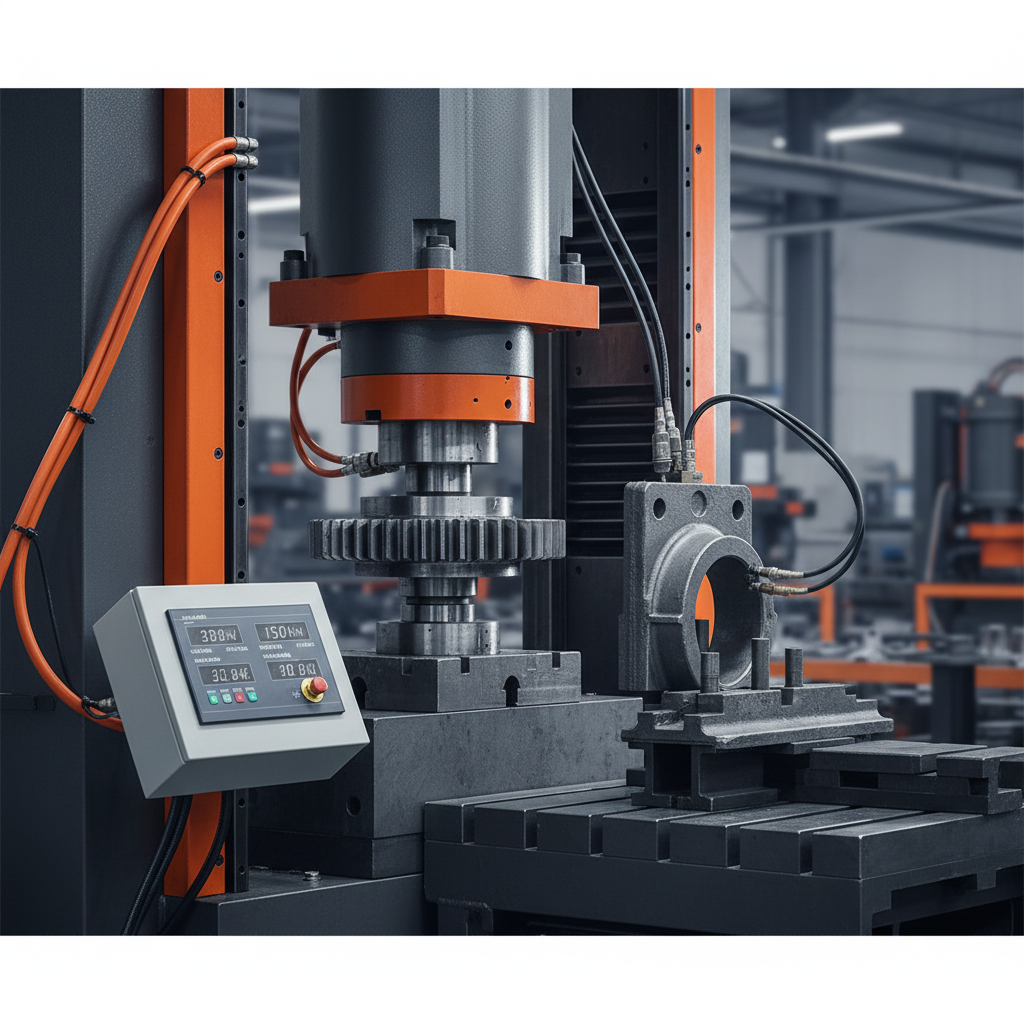
Sizing operations, like coining or rolling, are primarily used to improve the dimensional accuracy and surface finish of sintered PM parts. These processes reduce porosity on the surface, increase density, and refine the final dimensions, ensuring the component meets the required specifications. They are often critical for achieving tight tolerances in applications like gears and bearings. Without sizing, achieving the necessary precision is often impossible.
Shot peening is a surface treatment that induces compressive residual stresses on the surface of the component. These compressive stresses enhance fatigue resistance and prevent crack initiation, ultimately extending the lifespan of the PM part. This is particularly valuable in applications subject to cyclic loading, such as automotive and aerospace components, where fatigue failure is a major concern.
Machining PM parts can be more challenging than machining steel due to the inherent porosity and lower hardness of sintered materials. Tool wear is often higher, requiring careful selection of cutting tools and machining parameters. Additionally, the presence of porosity can lead to chipping or delamination during machining. However, advancements in cutting tool materials and machining techniques are continually mitigating these challenges.
Coatings are used in finishing PM parts to enhance surface properties such as wear resistance, corrosion protection, and lubricity. Various coating techniques, including PVD, CVD, and electroplating, can be employed. Coatings are particularly important in applications where the PM material itself lacks sufficient protection against harsh environments or abrasive wear. They can significantly extend the service life of the component.
Heat treatment is a crucial finishing step for many PM parts, allowing for control of hardness, strength, and ductility. Processes like hardening and tempering can significantly improve the mechanical properties of the component, making it suitable for demanding applications. However, careful control of the heat treatment cycle is essential to avoid distortion or cracking, especially in complex geometries.
Automation plays a key role in reducing the cost of finishing operations by increasing throughput, improving consistency, and minimizing labor costs. Automated polishing systems, robotic machining cells, and automated coating lines can significantly increase efficiency and reduce the risk of human error. While the initial investment in automation can be substantial, the long-term cost savings are often significant.
In conclusion, finishing operations in powder metallurgy are integral to realizing the full potential of this versatile manufacturing process. From enhancing dimensional accuracy and surface finish to improving mechanical properties and extending component lifespan, these operations are crucial for meeting the demands of diverse industries. Understanding the nuances of each finishing technique, carefully selecting the appropriate process for each application, and embracing advancements in automation and green technologies are paramount for success.
Looking ahead, continued innovation in finishing techniques will be critical for expanding the applications of powder metallurgy and driving further growth in the industry. Investment in research and development, coupled with a commitment to sustainable practices, will ensure that finishing operations continue to deliver value, efficiency, and reliability. To learn more about how we can optimize your finishing processes, visit our website: www.jssintering.com


Shijiazhuang JingShi New Material Science and Technology Co., Ltd was founded since 2014, located in Shijiazhuang, Hebei province, China. The company covers an area of over 10,000 square meters and has


PRODUCTS

CONTACT US
Address:TIANSHAN INTERNATIONAL MANUFACTURING INDUSTRY PARK NO.57, YUANSHI, SHIJIAZHUANG CITY, HEBEI PROVINCE, CHINA
Address:TIANSHAN INTERNATIONAL MANUFACTURING INDUSTRY PARK NO.57, YUANSHI, SHIJIAZHUANG CITY, HEBEI PROVINCE, CHINA