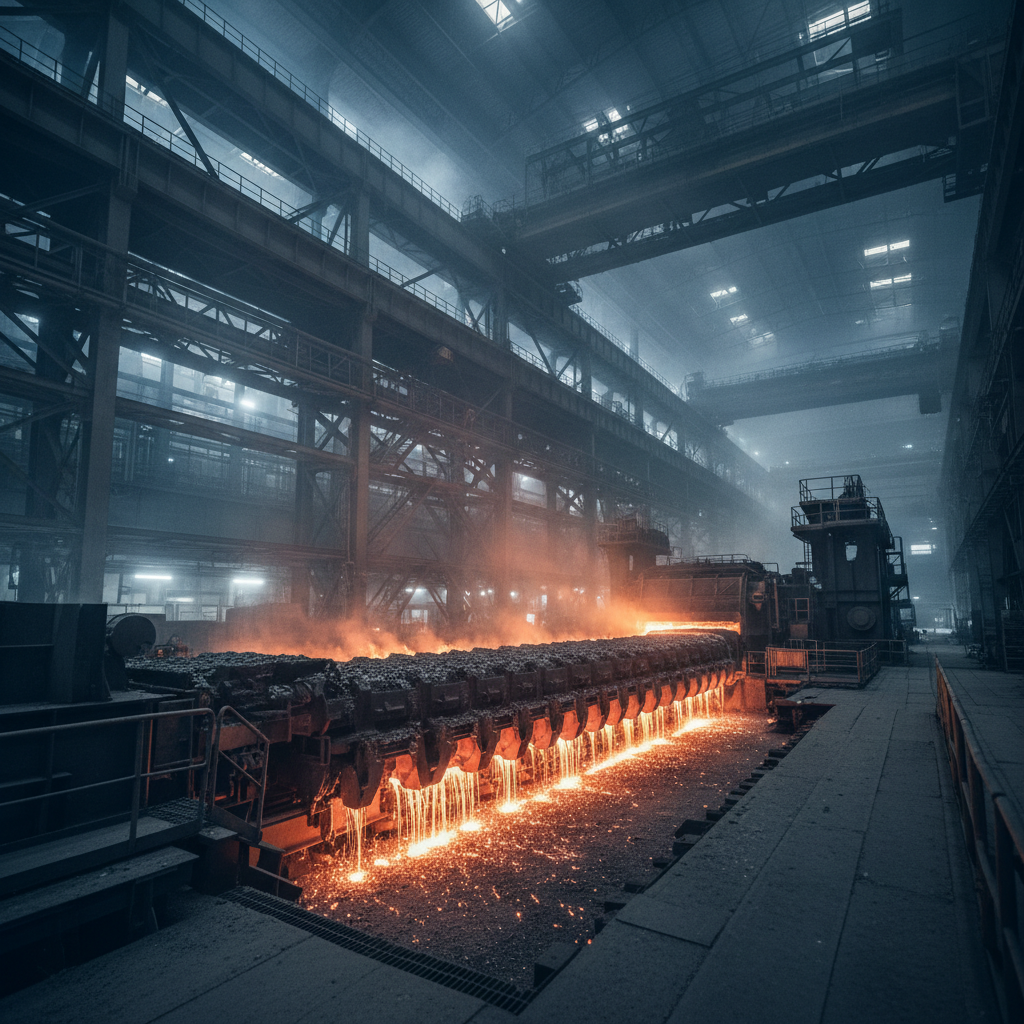
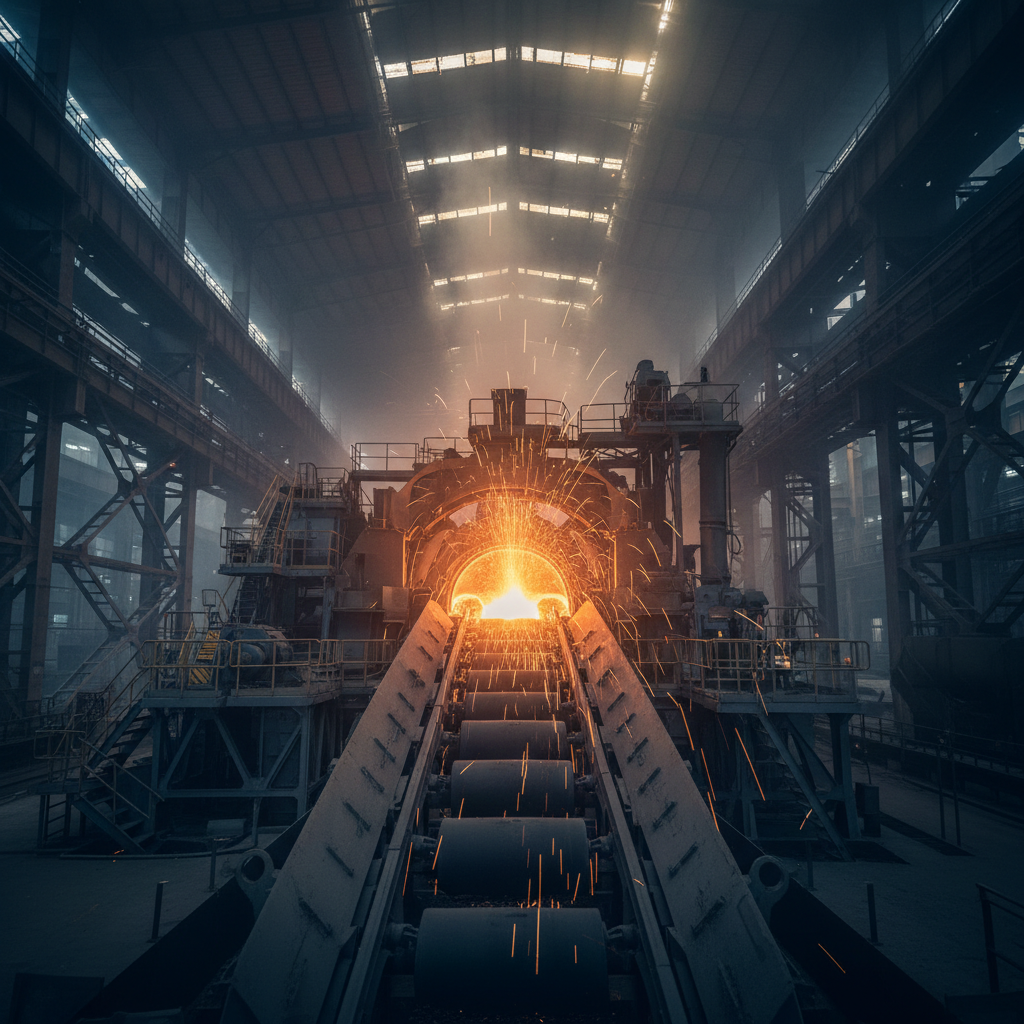
sintering in metallurgy is a crucial process in modern materials science and engineering, enabling the creation of a vast array of components across diverse industries. It’s fundamentally about forming a solid mass of material by heat, without melting it completely. This method transcends simple consolidation; it's a complex interplay of diffusion, surface energy minimization, and microstructural evolution, resulting in materials with tailored properties. The global impact of sintering is profound, enabling advancements in automotive manufacturing, aerospace, biomedical implants, and countless other applications.
The relevance of sintering in metallurgy extends beyond purely industrial applications. It directly impacts global sustainability efforts by enabling efficient material utilization and reducing waste. The ability to produce complex shapes with near-net-form precision significantly minimizes machining requirements, conserving energy and resources. Furthermore, the development of novel sintering techniques contributes to the creation of high-performance materials crucial for renewable energy technologies, such as fuel cells and advanced batteries. The UN Sustainable Development Goals, particularly those related to responsible consumption and production (Goal 12) and industry, innovation, and infrastructure (Goal 9), are directly supported by advancements in sintering technologies.
Currently, around 85% of powder metallurgy parts are produced using sintering. This figure is projected to grow alongside increasing demand for lightweight, high-strength materials. The World Bank highlights the importance of materials innovation for economic development, and sintering in metallurgy plays a critical role in providing these advanced materials. However, challenges remain in optimizing sintering processes for cost-effectiveness and scalability, particularly for complex alloys and large-scale production runs.
Introduction to sintering in metallurgy
Sintering in metallurgy is a cornerstone of powder metallurgy, a field dedicated to creating parts from metal powders. It’s more than just heating powders to bond them; it’s a carefully controlled process designed to achieve specific densities, strengths, and microstructures. The process eliminates the need for extensive machining, reducing material waste and manufacturing costs.
Understanding the nuances of sintering in metallurgy is vital for engineers and materials scientists seeking to optimize material properties and manufacturing processes. Factors like powder characteristics, atmosphere control, heating rates, and holding times all significantly impact the final product’s quality and performance. The ability to tailor these parameters allows for the creation of materials specifically suited to demanding applications.
Defining sintering in metallurgy
At its core, sintering in metallurgy is the process of densifying a powder compact through heat, without reaching the melting point of the primary constituent. This heat induces atomic diffusion, allowing particles to bond together, reducing porosity, and increasing strength. It’s a solid-state process, meaning that liquid phases are typically avoided, although liquid-phase sintering exists as a variation.
The connection to modern industry is inextricable. From the gears in your car to the cutting tools used in manufacturing, many components are produced using sintering. It's especially crucial in creating parts with complex geometries or those made from materials difficult to machine. The ability to produce lightweight, high-strength components efficiently is pivotal for industries like aerospace and automotive.
Beyond industrial applications, sintering in metallurgy aids humanitarian needs. It's utilized in manufacturing medical implants, offering biocompatible materials for prosthetics and bone replacements. The precision attainable through sintering leads to better fit and function for these critical devices.
Key Factors in sintering in metallurgy
Durability: Achieving high density is paramount for durability. Denser sintered components exhibit superior strength, hardness, and resistance to wear and fatigue. Proper control of sintering parameters ensures the elimination of pores and defects that could compromise structural integrity. Sintering in metallurgy allows for producing robust components capable of withstanding harsh operating conditions.
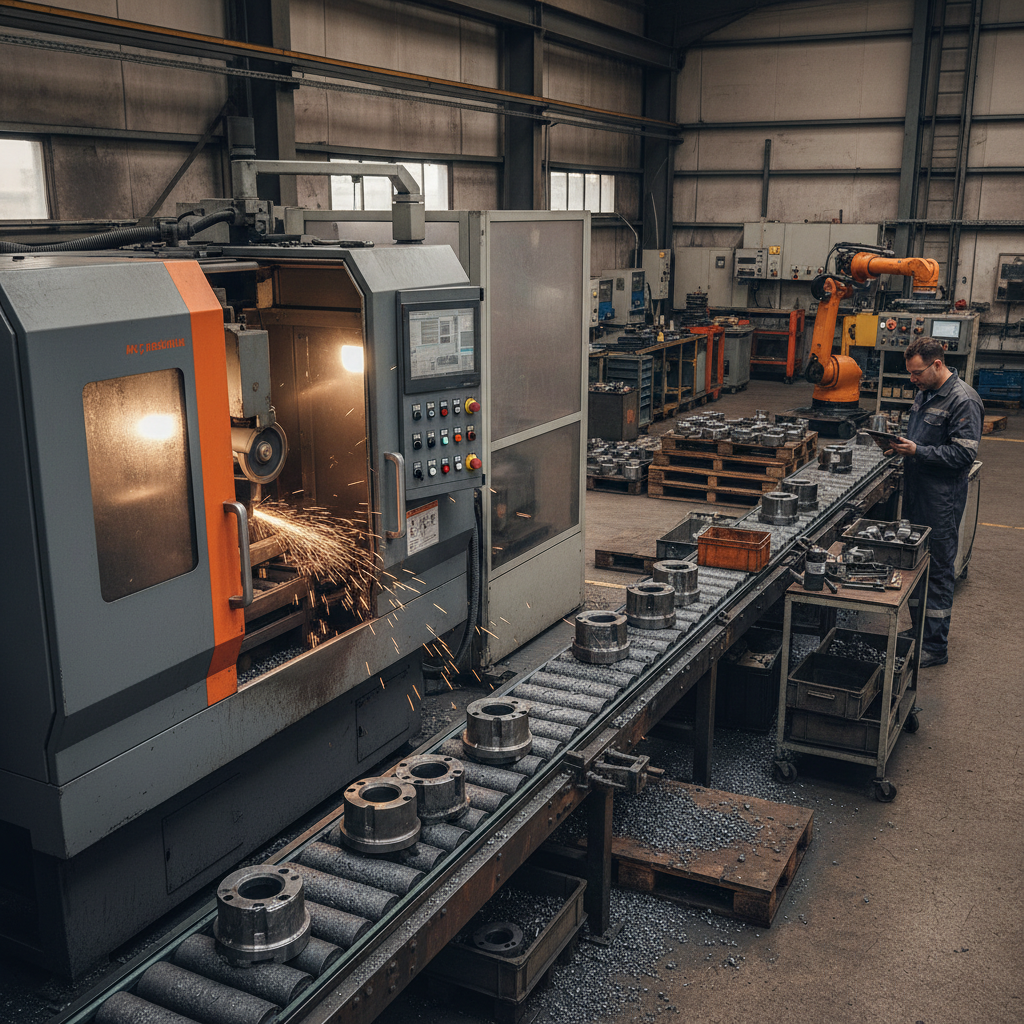
Scalability: Sintering offers excellent scalability. Once the process is optimized for a particular material and geometry, it can be readily adapted for mass production. Automated powder handling and sintering furnaces enable consistent quality and high throughput, making it ideal for large-scale manufacturing.
Cost Efficiency: Compared to traditional manufacturing methods like machining, sintering significantly reduces material waste and labor costs. Near-net-shape manufacturing minimizes the need for further processing, streamlining the production cycle. This results in lower overall manufacturing costs, particularly for complex parts.
Material Versatility: Sintering in metallurgy can be applied to a wide range of metals and alloys, including ferrous, non-ferrous, and refractory materials. It also allows for the creation of composite materials by mixing different powder compositions, offering a vast design space for material engineers.
Microstructural Control: Precise control over sintering parameters allows for manipulation of the material's microstructure, influencing its mechanical and physical properties. Grain size, shape, and distribution can be tailored to achieve specific performance characteristics.
Atmosphere Control: Maintaining a controlled atmosphere during sintering is essential to prevent oxidation or other unwanted reactions. Protective atmospheres like hydrogen or argon are commonly used to ensure optimal material properties.
Global Applications of sintering in metallurgy
The automotive industry is a major beneficiary of sintering in metallurgy, using it to produce gears, bearings, and other engine components. These parts offer high strength-to-weight ratios, contributing to fuel efficiency and performance. In aerospace, sintered materials are used in turbine blades and structural components, enabling lighter and more durable aircraft.
The biomedical sector utilizes sintering to create porous implants that promote bone ingrowth, facilitating successful integration with the body. Dental implants and orthopedic prostheses are routinely manufactured using this technology. Demand is especially high in regions with aging populations, such as Europe and Japan.
In post-disaster relief operations, the rapid production of replacement parts using portable sintering units can be invaluable. Remote industrial zones often rely on sintering for on-site manufacturing of critical components, minimizing logistical challenges and downtime. Organizations like the World Health Organization are increasingly exploring the use of sintered materials for medical supplies in resource-limited settings.
Sintering in metallurgy Method Comparison
Advantages and Long-Term Value of sintering in metallurgy
The cost-effectiveness of sintering in metallurgy stems from its minimal material waste and reduced machining requirements. This directly translates to lower production costs and increased profitability. The ability to produce complex shapes near-net-form further minimizes costs associated with secondary operations.
From a sustainability perspective, sintering promotes responsible material utilization. By reducing waste and enabling the use of recycled materials, it aligns with circular economy principles. The energy savings associated with reduced machining contribute to a lower carbon footprint, supporting global efforts to mitigate climate change. The process also enhances product safety, offering components that consistently meet stringent quality standards.
Future Trends in sintering in metallurgy
Additive manufacturing (3D printing) is increasingly being integrated with sintering techniques, creating hybrid processes that offer unprecedented design freedom and control over material properties. Binder jetting, in particular, relies heavily on sintering to achieve the final part density and strength.
Research into advanced sintering atmospheres, including plasma and pulsed electric current sintering, promises to further enhance densification rates and reduce sintering temperatures. These advancements will be crucial for processing materials that are challenging to sinter using conventional methods.
Digitalization and automation are also transforming the field. Real-time process monitoring and control systems are enabling more precise and reproducible sintering cycles, leading to improved product quality and reduced scrap rates. Artificial intelligence and machine learning algorithms are being used to optimize sintering parameters and predict material behavior.
Challenges and Solutions in sintering in metallurgy
One key challenge is the inherent porosity that can remain in sintered components, particularly for complex geometries. This can limit mechanical properties and reduce fatigue life. Solutions include optimizing powder characteristics (particle size distribution, shape, and composition) and employing advanced sintering techniques like hot isostatic pressing (HIP).
Controlling the microstructure during sintering can be difficult, especially for alloys with multiple components. Grain growth and phase transformations must be carefully managed to achieve the desired properties. Strategies include adding grain growth inhibitors and controlling the heating and cooling rates.
Scaling up laboratory-developed sintering processes to industrial production can present challenges related to uniformity and reproducibility. Investing in advanced furnace technology and implementing robust process control systems are essential for successful scale-up. Furthermore, collaborative research between academia and industry is crucial for driving innovation and addressing these challenges.
Summary of Challenges and Solutions in sintering in metallurgy
| Challenge |
Root Cause |
Potential Solution |
Implementation Difficulty (1-10) |
| Residual Porosity |
Insufficient Sintering Time/Temperature |
Optimized Sintering Cycle, HIP Treatment |
6 |
| Non-Uniform Density |
Uneven Powder Distribution, Furnace Non-Uniformity |
Improved Powder Packing, Enhanced Furnace Control |
7 |
| Grain Growth |
Elevated Sintering Temperature, Prolonged Holding Time |
Grain Growth Inhibitors, Reduced Sintering Time |
5 |
| Alloy Segregation |
Compositional Differences, Diffusion Rates |
Homogeneous Powder Mixing, Controlled Atmosphere |
8 |
| Scale-Up Issues |
Non-Uniform Heating, Gas Flow Challenges |
Advanced Furnace Design, Process Modeling |
9 |
| Powder Cost |
Specialty Alloys, Limited Supply |
Powder Recycling, Alternative Alloys |
4 |
FAQS
Sintering offers significant advantages over traditional machining, including reduced material waste as it’s a near-net-shape process. It also allows for the creation of complex geometries that would be difficult or impossible to achieve through machining. Furthermore, sintering often results in lower production costs due to reduced machining time and material consumption. It’s particularly advantageous for high-volume production runs and materials that are hard to machine.
Powder particle size significantly impacts the sintering process and the final properties of the component. Smaller particle sizes generally lead to faster sintering rates and higher green densities. However, extremely fine powders can be more expensive and difficult to handle. The particle size distribution also affects porosity and the resulting mechanical properties; a narrow distribution usually produces more uniform and dense parts.
Atmosphere control is crucial to prevent oxidation, decarburization, or other unwanted reactions during sintering. Protective atmospheres, like hydrogen or argon, are commonly used to maintain a reducing environment and prevent the formation of detrimental oxides. The specific atmosphere required depends on the material being sintered and the desired final properties.
Common defects in sintered parts include porosity, cracks, and dimensional inaccuracies. Porosity can be reduced by optimizing sintering parameters, using finer powders, or employing post-sintering treatments like hot isostatic pressing (HIP). Cracks can be mitigated by controlling heating and cooling rates and ensuring proper powder compaction. Dimensional inaccuracies can be addressed through precise tooling and controlled shrinkage during sintering.
Sintering is fundamental to the production of cemented carbides, which are composite materials consisting of hard carbide particles (like tungsten carbide) bonded together by a metallic binder (typically cobalt). The sintering process densifies the mixture, creating a strong and wear-resistant material widely used in cutting tools, mining, and wear parts. The process parameters are carefully controlled to optimize the carbide grain size and binder distribution.
Recent advancements in liquid phase sintering focus on utilizing novel activators and refining the control of the liquid phase composition. This allows for lower sintering temperatures, improved densification, and enhanced microstructural control. Researchers are also exploring the use of nanoscale liquid phases to achieve even greater control over the sintering process, leading to superior material properties.
Conclusion
Sintering in metallurgy stands as a pivotal technology, bridging the gap between materials science and practical engineering applications. Its ability to create complex, high-performance components efficiently and sustainably positions it as a cornerstone of modern manufacturing. Understanding the intricacies of this process – from powder characteristics to atmospheric control – is vital for continued innovation.
Looking ahead, integrating sintering with emerging technologies like additive manufacturing and artificial intelligence promises to unlock even greater potential. Investing in research and development, alongside fostering collaboration between industry and academia, will be crucial for overcoming current challenges and realizing the full benefits of sintering in metallurgy. Visit our website at www.jssintering.com to learn more.