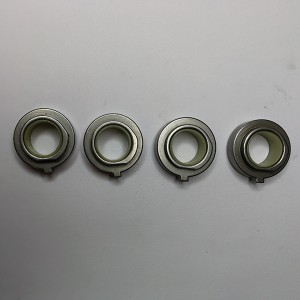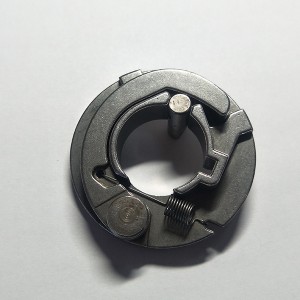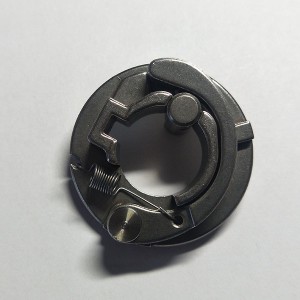
In the world of manufacturing, advanced materials and innovative processes are the keys to creating products that are stronger, lighter, and more efficient. Advanced powder metallurgy (PM) has emerged as a cutting-edge technology that plays a crucial role in producing high-performance components across various industries. This technique allows manufacturers to produce complex shapes with exceptional precision, offering a range of benefits over traditional manufacturing methods. Whether you're in automotive, aerospace, or medical device manufacturing, understanding the capabilities of advanced powder metallurgy is essential for staying ahead in the competitive landscape.
Exploring the Benefits of Advanced Powder Metallurgy (PM) in Precision Manufacturing
Advanced powder metallurgy (PM) is a manufacturing process that involves creating components from metal powders, which are then heated and compacted to form solid parts. The advantages of advanced powder metallurgy are numerous and diverse, making it the preferred method for producing complex, high-performance parts across a wide array of industries.
One of the primary benefits of advanced powder metallurgy is the ability to create parts with intricate geometries that would be challenging or impossible to produce using traditional methods like casting or machining. Powder metallurgy also allows for tight tolerances, reduced material waste, and greater design flexibility. This precision is especially crucial in industries like automotive, where parts must meet strict safety and performance standards.
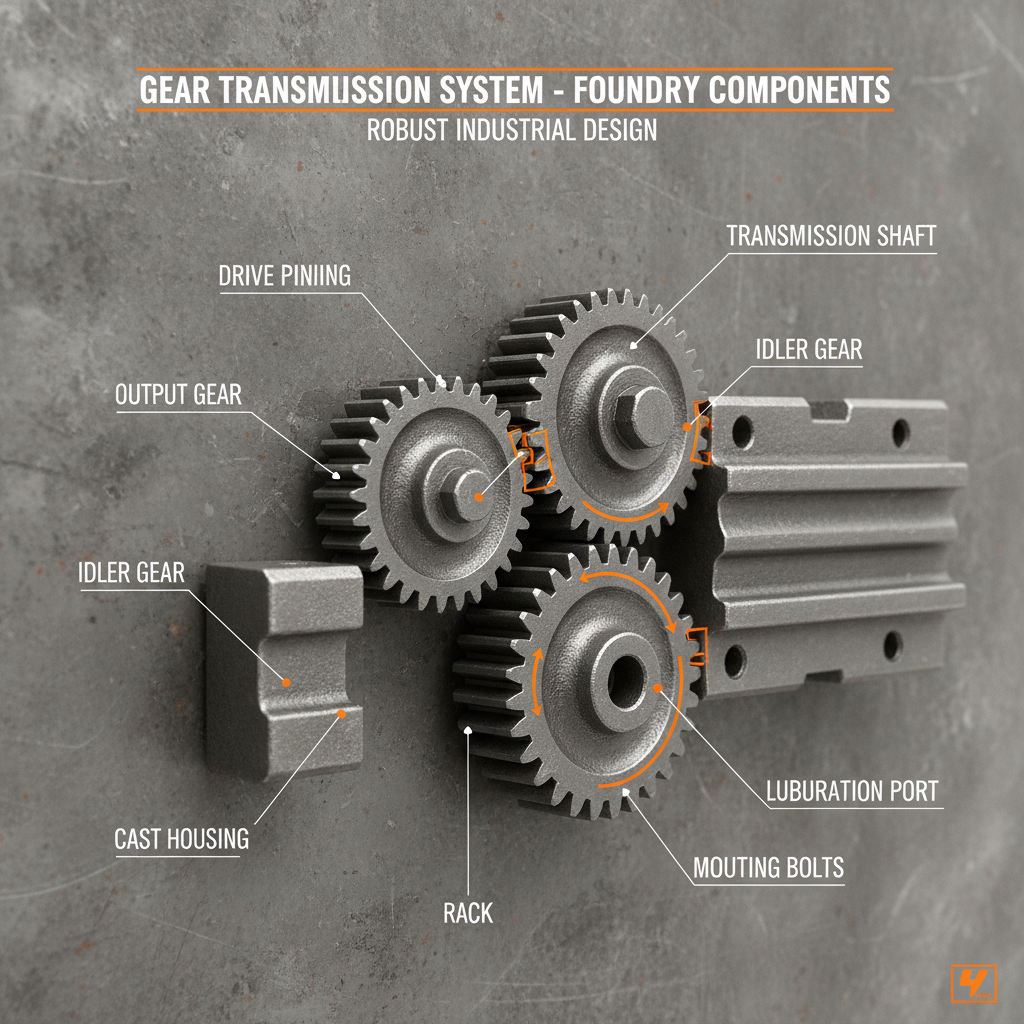
Additionally, the advanced powder metallurgy process can be used to create parts from a wide range of metals, including steel, titanium, copper, and aluminum alloys. This versatility allows manufacturers to select the optimal material for each specific application, ensuring that the end product meets the required strength, durability, and performance characteristics. Whether producing gears, bearings, or structural components, advanced powder metallurgy enables manufacturers to create high-quality parts with minimal waste and at a lower cost than traditional methods.
How P&M Companies are Leading the Way in Powder Metallurgy Innovation
P&M companies have been at the forefront of developing and implementing advanced powder metallurgy techniques. These companies specialize in the production of high-quality metal parts using the powder metallurgy process, offering their expertise and state-of-the-art equipment to create components for various industries, including automotive, aerospace, medical devices, and consumer goods.
The role of P&M companies in the powder metallurgy industry is critical, as they provide valuable technical support, design optimization, and production capabilities that help clients meet their specific requirements. With their extensive knowledge and experience, P&M companies are able to produce complex parts that meet the highest standards of quality and precision.
One of the primary advantages of working with a P&M company is their ability to provide tailored solutions to meet the unique needs of each client. By collaborating closely with customers, P&M companies can develop custom material formulations, refine manufacturing processes, and optimize designs to ensure that the final product meets performance specifications and cost targets.
Furthermore, P&M companies invest heavily in research and development to continuously improve their processes and stay ahead of emerging trends. This commitment to innovation enables them to push the boundaries of what is possible in advanced powder metallurgy, providing customers with cutting-edge solutions that offer superior performance and efficiency.
The Compaction Process in Powder Metallurgy: Key to Quality and Precision
The compacting process in powder metallurgy is one of the most critical steps in creating high-quality metal parts. This process involves compressing metal powders into a mold to form a "green" part, which is then heated (sintered) to create a solid, dense material. The success of the compaction process directly affects the final properties of the part, including its strength, durability, and dimensional accuracy.
During the compacting process in powder metallurgy, metal powders are carefully mixed with binders and lubricants before being placed in a die. The powder mixture is then subjected to high pressure, compacting the material into the desired shape. The pressure applied during compaction is crucial in determining the density and strength of the final part, as insufficient pressure can lead to porosity and weak spots in the material, while excessive pressure can cause deformation or cracking.
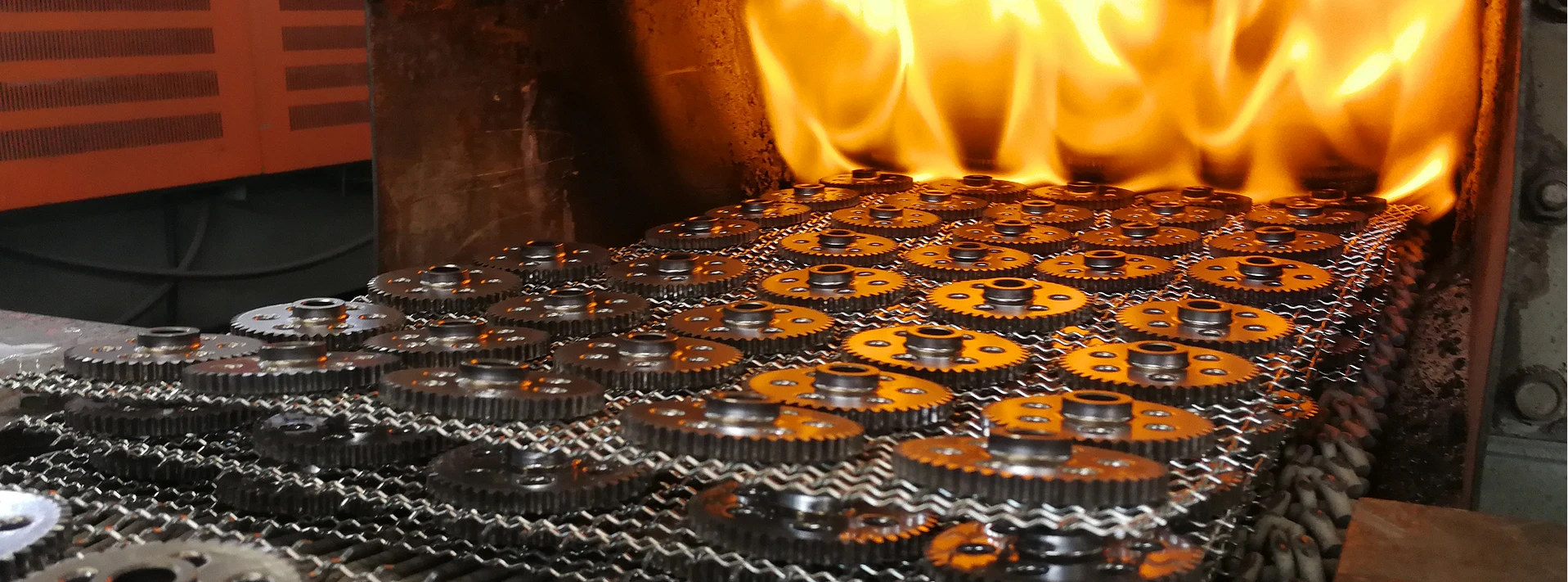
Once the part is compacted, it undergoes the sintering process, where it is heated to a temperature just below the melting point of the metal. This step allows the individual powder particles to fuse together, creating a solid piece with the desired mechanical properties. The compacting process in powder metallurgy ensures that parts are produced with excellent surface finishes, high dimensional accuracy, and minimal waste.
Moreover, the ability to precisely control the compaction process allows for the production of parts with complex geometries that would be difficult or impossible to achieve using traditional manufacturing methods. This capability is especially valuable in industries where parts must meet stringent performance requirements, such as in the aerospace or medical device sectors.
Applications of Advanced Powder Metallurgy in Automotive and Aerospace Industries
The applications of advanced powder metallurgy are vast and varied, with the automotive and aerospace industries being two of the primary beneficiaries of this innovative manufacturing process. In both industries, precision and reliability are paramount, making advanced powder metallurgy an ideal solution for producing high-performance components.
In the automotive industry, advanced powder metallurgy is used to produce a wide range of components, including gears, bearings, pistons, and exhaust systems. The ability to create parts with tight tolerances and complex shapes allows automotive manufacturers to improve the performance and durability of their vehicles while reducing weight and material costs. Additionally, advanced powder metallurgy offers the benefit of producing parts with low friction, which can lead to increased fuel efficiency and reduced emissions.
In the aerospace industry, advanced powder metallurgy is used to produce components that must withstand extreme conditions, such as high temperatures, high pressure, and harsh environments. These components, which include turbine blades, structural parts, and fasteners, must be made from materials that are not only strong and durable but also lightweight to ensure optimal performance. The advanced powder metallurgy process allows for the production of aerospace components that meet these demanding requirements while minimizing material waste and cost.
Powder metallurgy FAQs
What are the primary benefits of advanced powder metallurgy over traditional manufacturing methods?
Advanced powder metallurgy offers several key benefits, including the ability to produce complex parts with tight tolerances, reduced material waste, and greater design flexibility. It is also more cost-effective for producing high-volume parts and allows for the use of a wide range of materials, making it ideal for industries like automotive and aerospace.
How does the compacting process in powder metallurgy affect the quality of the final part?
The compacting process in powder metallurgy is crucial for determining the strength, density, and dimensional accuracy of the final part. The pressure applied during compaction must be carefully controlled to ensure that the part is strong and free from defects, such as porosity or cracking. This process directly influences the mechanical properties of the part, including its durability and performance.
What materials are typically used in advanced powder metallurgy?
Advanced powder metallurgy can utilize a wide variety of materials, including steel, titanium, copper, and aluminum alloys. The choice of material depends on the specific requirements of the part being produced, such as strength, corrosion resistance, and thermal properties.
What industries benefit most from powder metallurgy?
Powder metallurgy is used in a variety of industries, including automotive, aerospace, medical devices, and consumer goods. It is particularly beneficial for applications requiring high-performance, precision parts that can be produced efficiently at scale, such as gears, bearings, and structural components.
How does working with a P&M company enhance the powder metallurgy process?
Partnering with a reputable P&M company provides access to specialized expertise, advanced manufacturing technologies, and customized solutions for producing high-quality powder metallurgy parts. These companies can offer design optimization, material selection, and process improvements, ensuring that parts meet the highest standards of quality and performance.