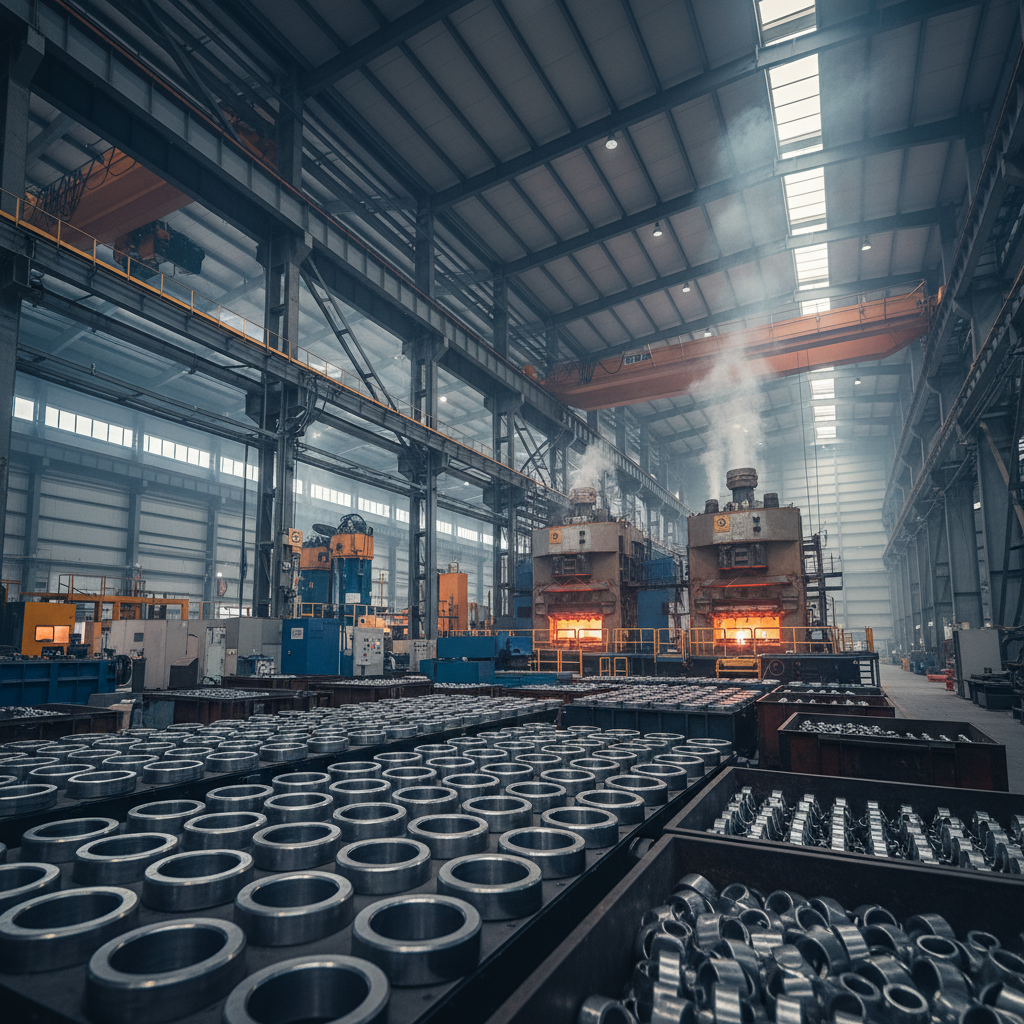
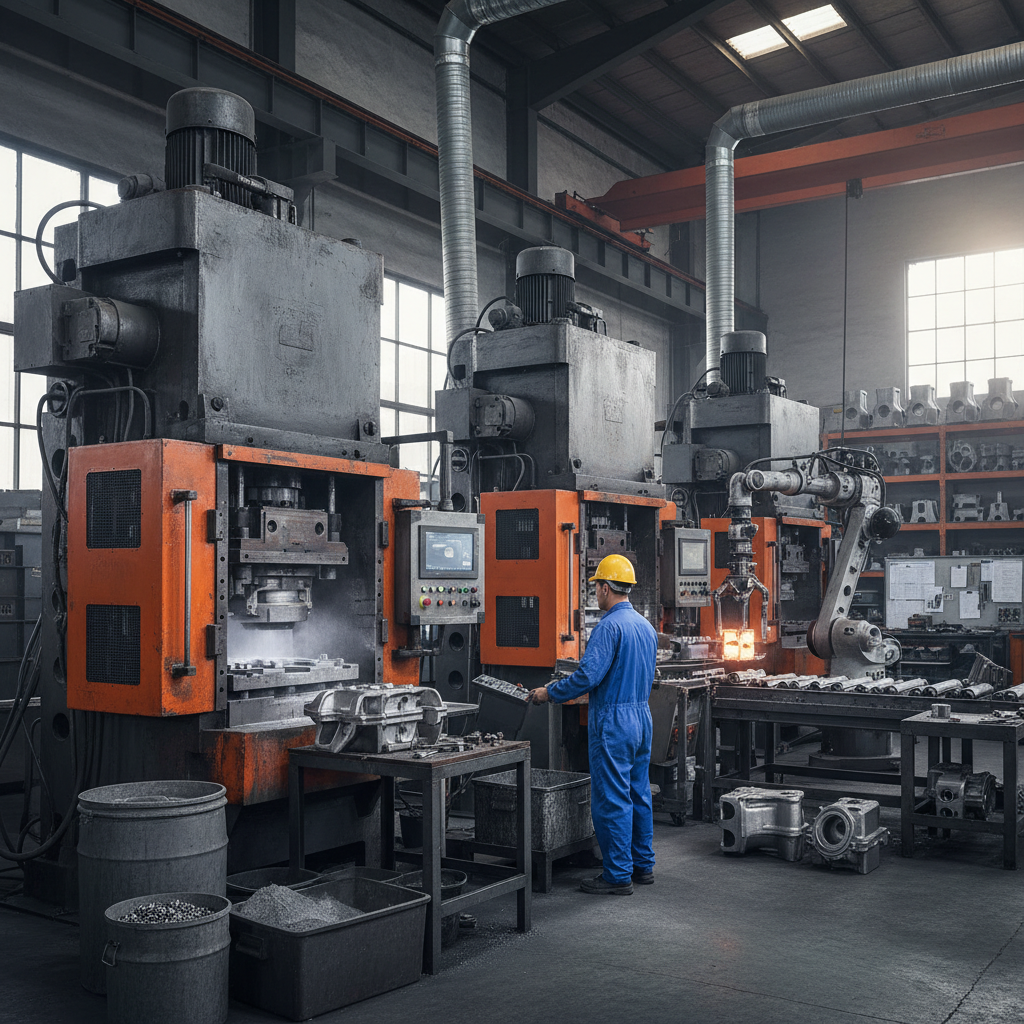
Powder metallurgy material – it’s more than just a manufacturing process; it’s the backbone of modern industry. I’ve spent years on construction sites, in machine shops, and elbow-to-elbow with engineers, and I’ve seen firsthand how critical these materials are. We’re talking about everything from the gears in your car to the specialized tools used in aerospace. It’s a world where precision, durability, and cost-effectiveness aren’t just buzzwords, they’re essential for getting the job done right. Understanding this material isn’t just for metallurgists; it’s for anyone involved in building or manufacturing anything.
Globally, the demand for powder metallurgy components is soaring. The UN Industrial Development Organization (UNIDO) highlights the role of advanced materials in sustainable industrialization, and powder metallurgy is right at the forefront. We're seeing increasing adoption in automotive, aerospace, medical, and energy sectors, driven by a need for lighter, stronger, and more efficient parts. According to recent ISO standards, the demand is projected to grow by 6-8% annually over the next five years. This isn’t a niche market anymore; it's a core component of global manufacturing.
The challenge? Many companies are still relying on traditional manufacturing methods that can’t deliver the performance and cost-effectiveness that powder metallurgy offers. That’s where understanding the benefits and applications of these materials becomes so important. It’s not just about swapping materials; it’s about rethinking the entire design and manufacturing process. We’re talking about fundamentally changing how things are made, and that requires a shift in perspective.
The Importance of powder metallurgy material in Modern Manufacturing
I’ve seen enough broken parts on construction sites to know that material selection is everything. Powder metallurgy material offers a unique combination of properties – high strength, precise geometry, and the ability to create complex shapes – that you just can’t get with traditional methods. It allows us to build lighter, more durable, and more efficient components, which translates directly into cost savings and improved performance. It’s not just about making something work; it’s about making it work better.
What really sets powder metallurgy apart is its versatility. You’re not limited by the constraints of casting or machining. We can tailor the composition and density of the material to meet very specific requirements. This is particularly crucial in industries like aerospace and automotive, where even a small reduction in weight can have a significant impact on fuel efficiency. I’ve seen engineers design components with powder metallurgy that simply weren’t possible before.
Defining Powder Metallurgy Material
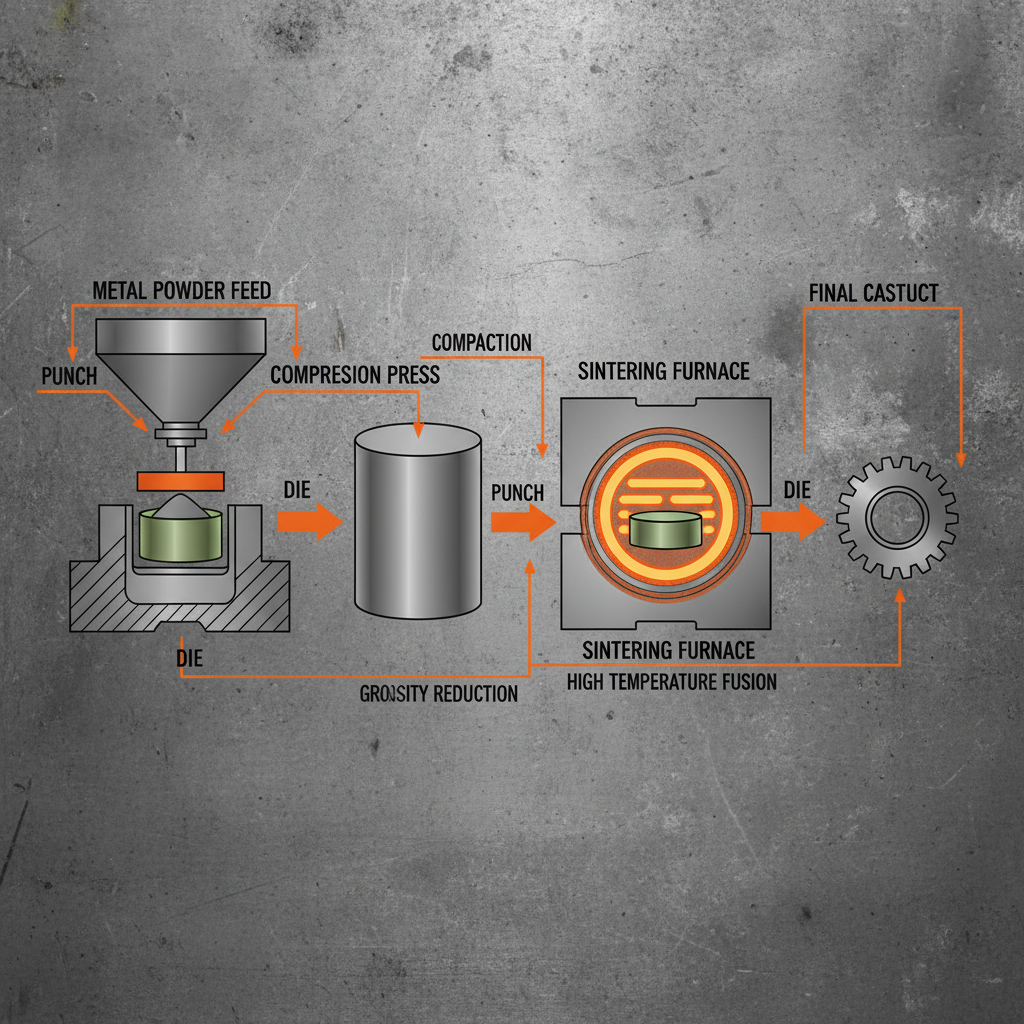
Simply put, powder metallurgy material is about forming metal parts from powder. It sounds straightforward, but the science behind it is surprisingly complex. We take finely divided metal powders – iron, steel, aluminum, titanium, you name it – mix them with binders, and then compact them into a desired shape using high pressure. Then, it’s heated in a controlled atmosphere to fuse the particles together, creating a solid, dense component. Think of it like building with LEGOs, but with metal.
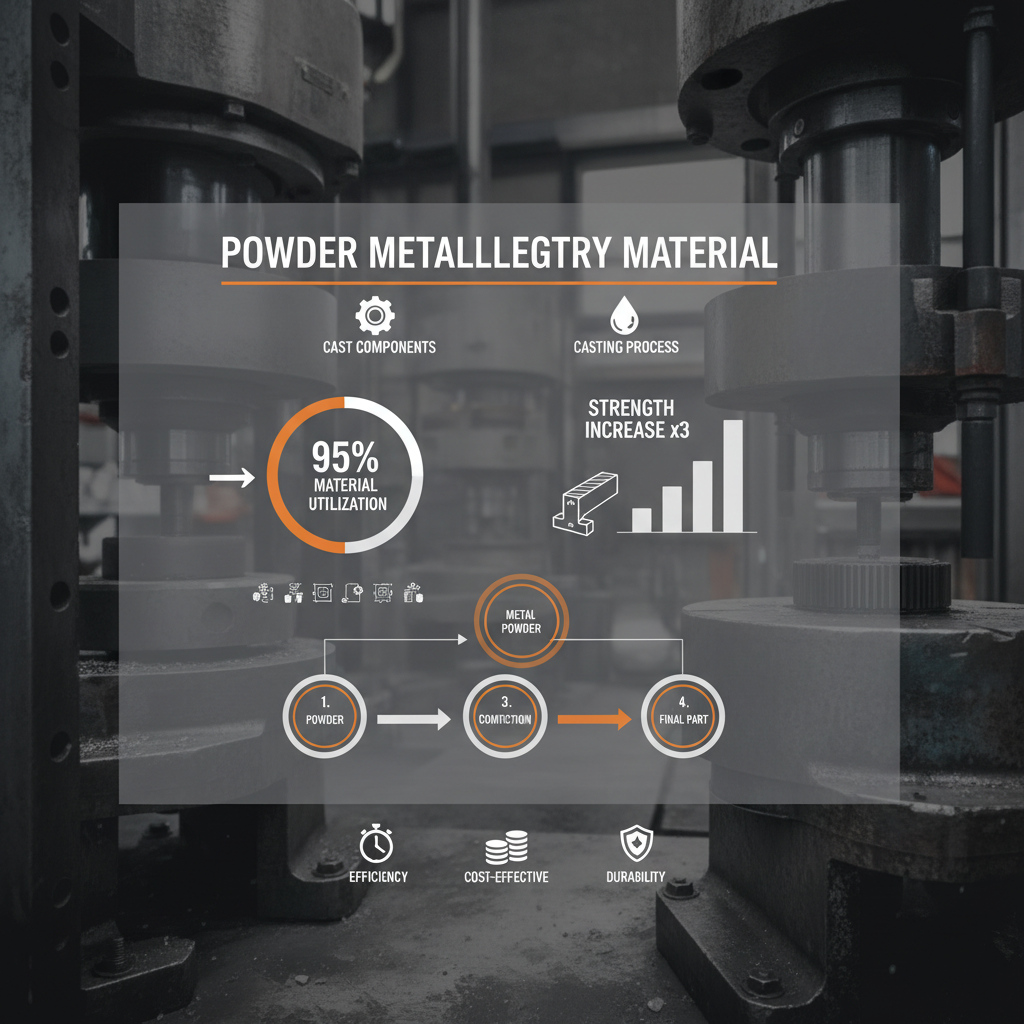
This process connects directly to modern industry because it allows for mass production of intricate parts with minimal material waste. It's a critical element in solving supply chain issues and reducing manufacturing costs. And it isn't just about metal; it's increasingly being used with ceramic and composite materials, expanding its applications even further.
It's fundamentally linked to addressing humanitarian needs as well. The ability to create durable, lightweight, and cost-effective components opens doors for solutions in water filtration, medical devices, and infrastructure development in remote areas. It’s a technology that can make a real difference in people’s lives.
Key Characteristics of Effective powder metallurgy material
Durability and Strength: I’ve seen powder metallurgy components withstand conditions that would tear apart traditionally manufactured parts. The controlled particle structure gives them incredible resistance to wear, fatigue, and corrosion. It's a material you can rely on, especially in harsh environments.
Design Flexibility: This is where powder metallurgy really shines. We can create complex geometries and internal features that are impossible to achieve with conventional machining. It allows engineers to optimize designs for performance and reduce the number of parts needed, simplifying assembly and improving reliability.
Cost Efficiency: While the initial investment in tooling can be higher, the reduction in material waste, machining time, and assembly costs often results in significant long-term savings. Plus, the ability to produce parts in high volumes keeps the unit cost down. From a project manager’s perspective, that’s a huge win.
Applications Across Industries
Automotive is a huge consumer of powder metallurgy material - gears, connecting rods, bearings, all benefiting from the strength and precision. Aerospace relies heavily on it for turbine blades, structural components, and engine parts where weight reduction is crucial. Even medical implants are increasingly made using powder metallurgy, thanks to its biocompatibility and ability to create porous structures for bone integration.
I’ve worked on projects where powder metallurgy components were essential for creating specialized tools for the oil and gas industry, withstanding extreme pressures and corrosive environments. And in the renewable energy sector, we’re seeing increased demand for powder metallurgy parts in wind turbines and solar power systems, driving down costs and improving efficiency. It’s a genuinely diverse range of applications.
Powder Metallurgy Material Application Distribution
Advantages and Long-Term Value Proposition
The tangible benefits are clear: reduced material waste means lower costs, and the ability to create complex shapes eliminates the need for multiple parts and assembly steps. But the long-term value goes beyond just the bottom line. Powder metallurgy material contributes to sustainability by reducing energy consumption and minimizing environmental impact. It’s a responsible choice for manufacturers looking to reduce their carbon footprint.
From a reliability standpoint, these materials often outperform traditionally manufactured parts. The precise control over composition and microstructure leads to consistent, high-quality components that are less prone to failure. This translates into increased safety, reduced downtime, and improved customer satisfaction. It's about building trust through performance.
Global Implementation and Real-World Examples
You see powder metallurgy material used extensively in Germany’s automotive industry, where precision and efficiency are paramount. In Japan, it’s a cornerstone of their robotics and electronics sectors. And in the United States, it’s driving innovation in aerospace and medical devices. Every major manufacturing hub is adopting it.
I recently visited a factory in China that was producing high-volume powder metallurgy gears for electric vehicles. They had completely redesigned their manufacturing process around this technology, resulting in a significant reduction in costs and lead times. It was a powerful demonstration of the impact that powder metallurgy material can have.
In post-disaster relief operations, lightweight and durable powder metallurgy components are being used in water purification systems and portable shelters, providing essential support to communities in need. These are just a few examples of how this material is making a positive impact around the globe.
Future Trends and Challenges in powder metallurgy material
We're on the cusp of some exciting advancements. Additive manufacturing – or 3D printing with metal powders – is revolutionizing the way we design and produce parts, allowing for even greater complexity and customization. Advances in materials science are leading to the development of new powder metallurgy alloys with enhanced properties. And automation and digital twin technology are streamlining the manufacturing process, improving efficiency and reducing errors.
One of the biggest challenges we face is scaling up these new technologies and making them accessible to smaller manufacturers. The initial investment can be significant, and there’s a learning curve involved. Another challenge is ensuring the quality and consistency of powder metallurgy parts, especially as we move towards more complex geometries. That requires advanced quality control measures and skilled technicians.
Addressing these challenges will require collaboration between industry, academia, and government. We need to invest in research and development, provide training and education, and establish clear standards and regulations. But I’m confident that powder metallurgy material will continue to play a vital role in shaping the future of manufacturing.
Summary of Key Challenges and Solutions for powder metallurgy material
| Challenge |
Impact on Production |
Potential Solution |
Implementation Cost (1-10) |
| High Initial Tooling Costs |
Limits adoption for low-volume production |
Explore modular tooling designs and shared tooling resources |
7 |
| Powder Handling and Safety |
Dust explosion risk and worker exposure |
Implement closed-loop powder handling systems and robust ventilation |
6 |
| Density Control and Porosity |
Affects mechanical properties and performance |
Optimize compaction parameters and sintering cycles |
5 |
| Material Limitations |
Not all metals are suitable for powder metallurgy |
Invest in research to develop new powder compositions and alloys |
8 |
| Skilled Labor Shortage |
Lack of expertise in powder metallurgy processes |
Develop training programs and apprenticeships |
7 |
| Quality Control & Inspection |
Ensuring consistent part quality across large batches |
Implement automated inspection systems and statistical process control |
6 |
FAQS
Powder metallurgy excels in creating complex geometries with minimal material waste, something machining struggles with. It also offers better control over material properties and allows for the production of parts that are impossible to manufacture using traditional methods. In my experience, it's particularly beneficial for high-volume production runs where cost savings are significant.
Powder metallurgy inherently reduces material waste because it utilizes near-net-shape forming. This minimizes the need for extensive machining and finishing operations. Additionally, the energy consumption is often lower compared to other manufacturing processes. Plus, the materials themselves can often be recycled, making it a more environmentally friendly option.
Iron and steel are the most common, due to their cost-effectiveness and wide range of applications. However, you’ll also find aluminum, copper, nickel, titanium, and even stainless steel being used. The choice of metal depends on the specific requirements of the component, such as strength, corrosion resistance, and thermal conductivity.
Traditionally, there were limitations in terms of size and complexity. However, advancements in powder metallurgy techniques, like additive manufacturing, are overcoming these limitations. While very large or highly intricate parts can still pose challenges, the technology is continually evolving to expand the possibilities.
Sintering is the critical step where the metal powders are bonded together to create a solid, dense component. It involves heating the compacted part to a high temperature, below the melting point of the metal, in a controlled atmosphere. This process allows the particles to diffuse and form metallurgical bonds, resulting in a strong and durable part.
Cost comparison depends on the production volume and part complexity. For high-volume production of complex parts, powder metallurgy is often more cost-effective due to reduced material waste and minimized machining. For low-volume production or very simple parts, casting or forging might be more economical. It’s a case-by-case evaluation.
Conclusion
Powder metallurgy material isn’t just a manufacturing process; it’s a fundamental building block of modern industry, offering a unique blend of versatility, efficiency, and sustainability. From reducing material waste to enabling the creation of complex geometries, it's transforming the way we design and manufacture products across a wide range of sectors. Understanding its capabilities and limitations is essential for anyone involved in engineering, manufacturing, or supply chain management. It's a technology that continues to evolve and adapt to meet the challenges of a rapidly changing world.
Looking ahead, continued investment in research and development, coupled with a focus on workforce training and standardization, will be crucial for unlocking the full potential of powder metallurgy material. It’s time to embrace this technology and leverage its benefits to create a more sustainable, efficient, and innovative future. For more information and to explore our range of powder metallurgy solutions, visit our website: powder metallurgy material.