

WeChat.png
sintered metal parts
email.png
whatsapp.png
top.png
0%

Table of Contents

Powder metal bearings represent a cornerstone of modern engineering, offering a cost-effective and reliable solution for a vast array of applications. These bearings, created through a metallurgical process of compacting metal powders, are increasingly vital in industries ranging from automotive and aerospace to medical devices and consumer electronics. Their unique properties – self-lubrication, porosity control, and complex shape capability – make them indispensable in designs where traditional bearings fall short.

The global demand for powder metal bearings is driven by the continual push for improved efficiency, reduced weight, and lower manufacturing costs. According to industry reports, the powder metallurgy market is projected to reach significant growth in the coming years, fueled by innovation in materials science and manufacturing techniques. Understanding the intricacies of powder metal bearings is therefore crucial for engineers, designers, and manufacturers seeking to optimize performance and stay competitive in the global marketplace.

This technology directly addresses challenges related to wear, lubrication, and material waste. Traditional bearing manufacturing can be resource-intensive and generate substantial scrap. Powder metallurgy minimizes waste by utilizing near-net-shape processing, reducing the need for extensive machining. Furthermore, the inherent properties of powder metal bearings often eliminate the need for external lubrication, leading to environmental benefits and reduced maintenance costs.
Exploring the Versatility and Advantages of Powder Metal Bearings

Introduction to Powder Metal Bearings

Exploring the Versatility and Advantages of Powder Metal Bearings

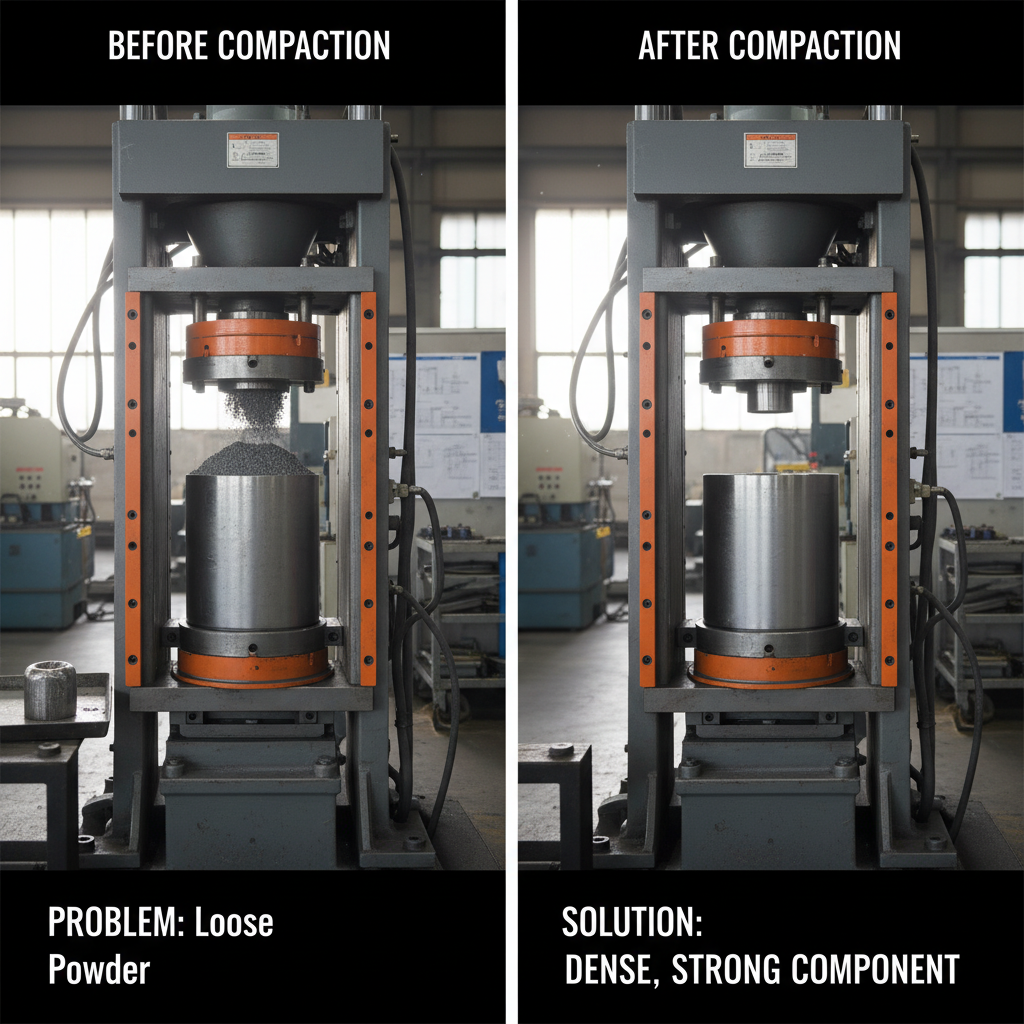
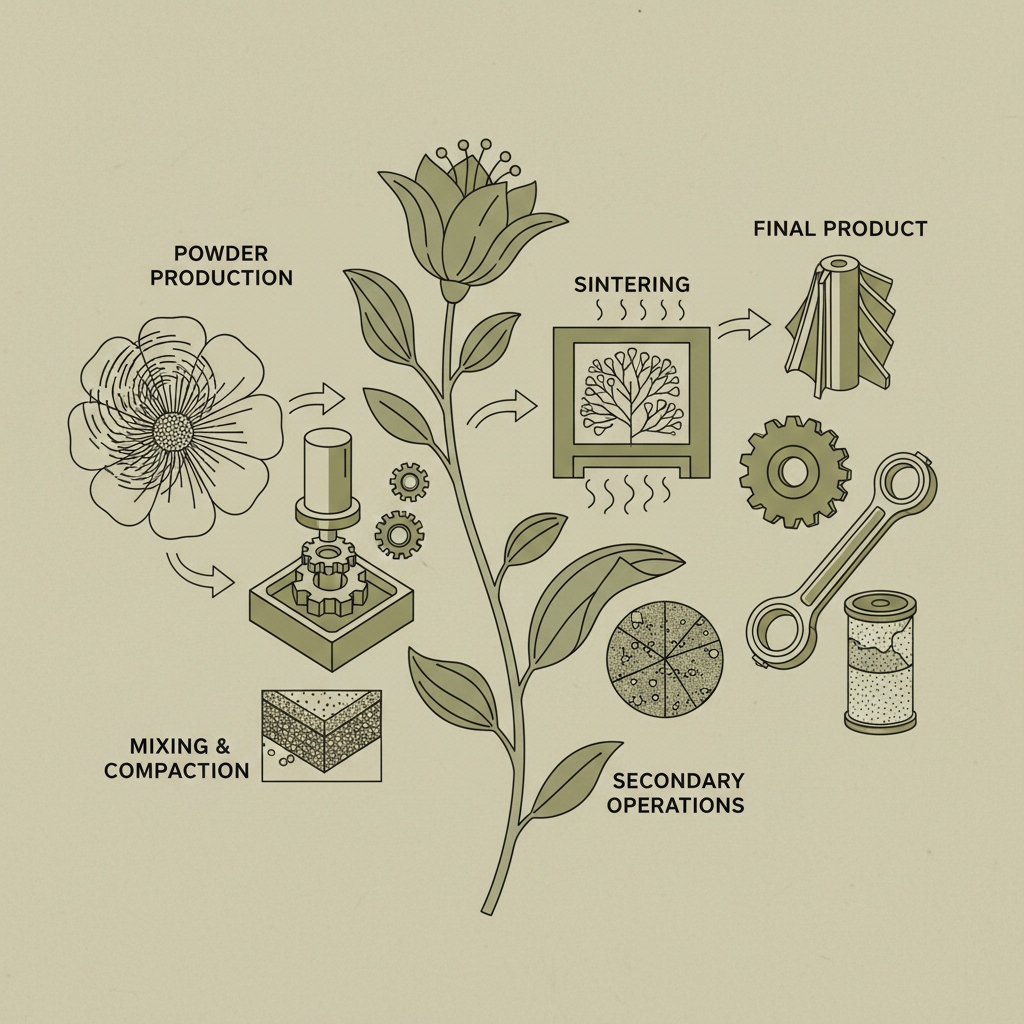
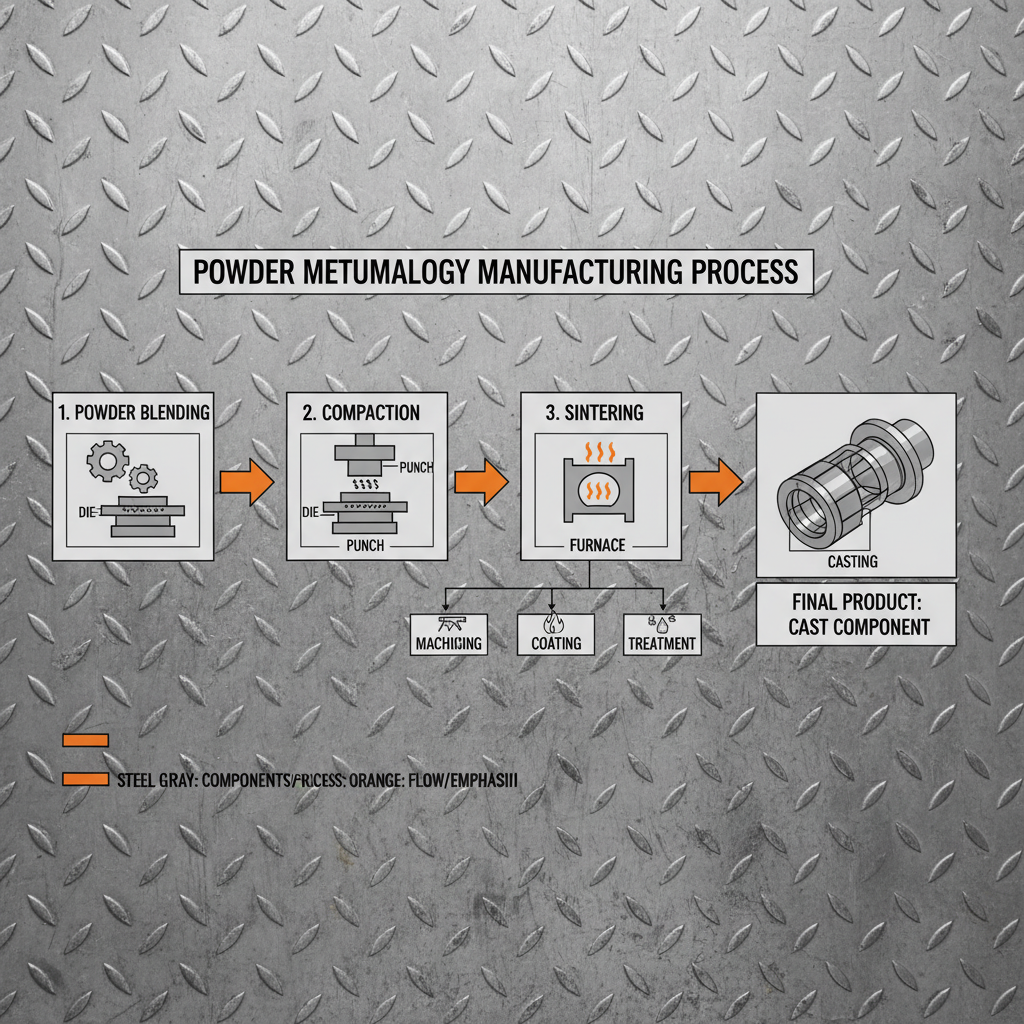
Powder metal bearings offer a compelling alternative to traditional bearing materials like bronze, brass, and even roller bearings in numerous applications. The manufacturing process involves compacting finely divided metal powders into a desired shape, followed by sintering – heating the compacted part to a temperature below the melting point to bond the particles together. This results in a bearing with controlled porosity and excellent self-lubricating properties.

The key advantage lies in their versatility. Powder metal bearings can be customized with varying levels of porosity, allowing for the incorporation of oil reservoirs within the bearing structure. This eliminates or significantly reduces the need for external lubrication, making them ideal for applications where maintenance is difficult or costly, or where contamination is a concern. This is a core benefit when considering powder metal bearings for critical components.

Defining Powder Metal Bearings

Simply put, powder metal bearings are bearings manufactured using powder metallurgy. Unlike machined bearings that remove material, powder metallurgy adds material, building the bearing shape layer by layer. This “additive” approach allows for complex geometries and features that are difficult or impossible to achieve with conventional methods. They are typically made from iron, bronze, aluminum, or stainless steel powders, blended with lubricants and then compacted and sintered.

This process isn’t simply a manufacturing technique; it's a pathway to creating tailored solutions. The composition, particle size, compaction pressure, and sintering temperature are all carefully controlled to achieve specific mechanical properties – hardness, density, porosity, and lubricity.

This makes powder metal bearings fundamentally connected to modern industry's need for precision, efficiency, and cost-effectiveness. The ability to produce complex shapes with minimal waste aligns with principles of sustainable manufacturing and resource conservation.

Key Properties of Powder Metal Bearings

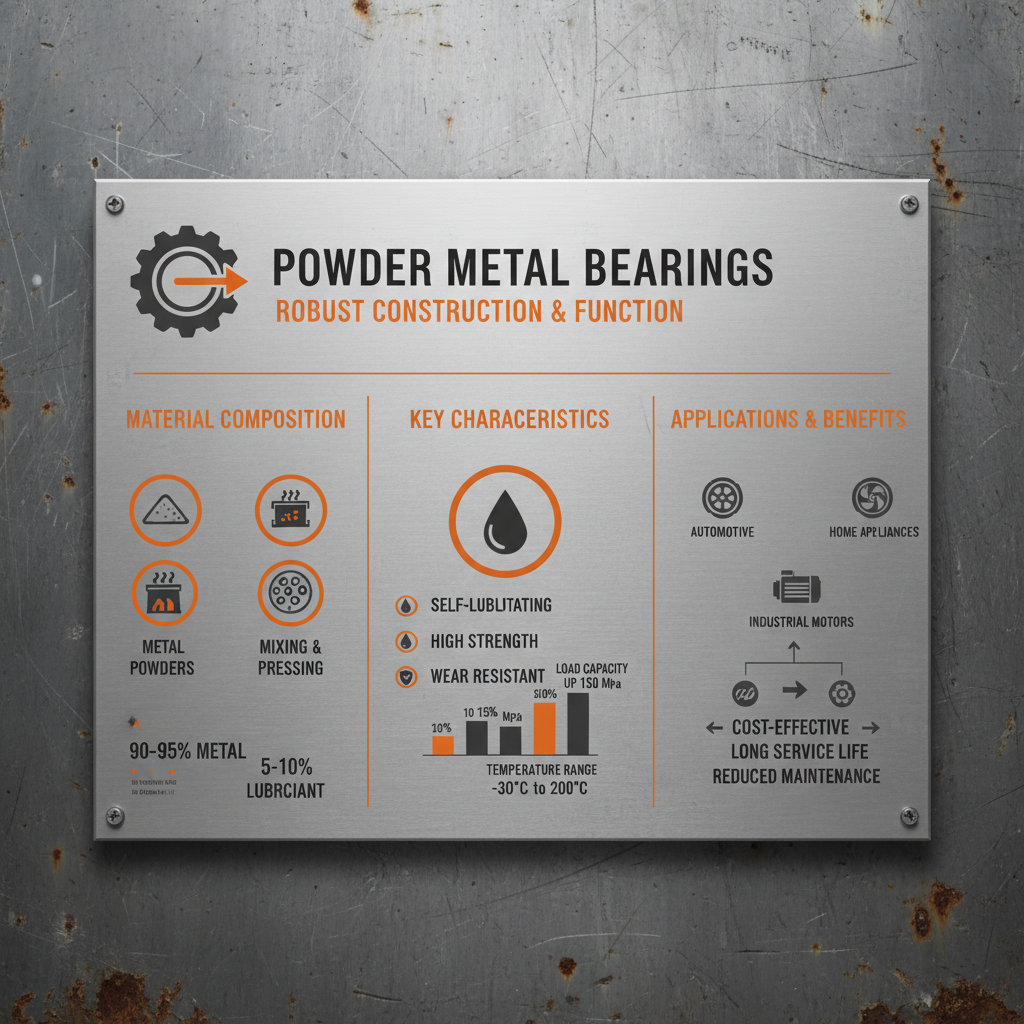
One of the most defining characteristics of powder metal bearings is their inherent porosity. This controlled porosity allows for the absorption and retention of lubricants – oil or grease – within the bearing structure, providing continuous self-lubrication. The degree of porosity can be adjusted to suit the specific application and lubrication requirements.

Durability is another significant attribute. While not as strong as some fully dense materials, powder metal bearings exhibit excellent wear resistance, especially in applications with oscillating or low-speed movements. The microstructure created during sintering contributes to their ability to withstand fatigue and maintain dimensional stability. The careful selection of powder alloys further enhances these qualities.

Cost-effectiveness is a major driver for the adoption of powder metal bearings. The near-net-shape manufacturing process minimizes material waste and machining requirements, resulting in lower production costs compared to traditional bearing manufacturing methods. Moreover, the self-lubricating properties can reduce or eliminate the need for costly lubrication systems and maintenance procedures.

Applications Across Industries

The versatility of powder metal bearings has led to their widespread adoption across numerous industries. In the automotive sector, they are commonly found in rocker arm pivots, connecting rod bushings, and transmission components, contributing to quieter operation and reduced wear.

The aerospace industry utilizes powder metal bearings in applications requiring lightweight and reliable components, such as actuators, gears, and control systems. The medical device sector benefits from their biocompatibility and precision, employing them in surgical instruments, pumps, and diagnostic equipment.

Furthermore, these bearings play a crucial role in industrial machinery, agricultural equipment, and even consumer products like printers and power tools. From demanding high-load applications to delicate precision instruments, powder metal bearings provide a tailored solution to meet diverse requirements.

Powder Metal Bearing Performance Comparison


Advantages and Value Proposition

The benefits of using powder metal bearings extend beyond their technical capabilities. The inherent cost savings derived from reduced material waste and simplified manufacturing processes translate to lower overall expenses for manufacturers. This is particularly important in high-volume production environments.

The self-lubricating nature of many powder metal bearings not only reduces maintenance requirements but also minimizes environmental impact by eliminating the need for oil or grease. This aligns with the growing emphasis on sustainable manufacturing practices and responsible resource management. The increased reliability of these bearings also contributes to enhanced product performance and extended service life.

Future Trends in Powder Metal Bearing Technology

The field of powder metallurgy is continuously evolving, with ongoing research and development focused on improving the properties and performance of powder metal bearings. One key trend is the exploration of new materials, including advanced alloys and composite powders, to enhance strength, wear resistance, and high-temperature performance.

Another exciting area of innovation is additive manufacturing, or 3D printing, of powder metal bearings. This technology enables the creation of highly complex geometries and customized designs, opening up new possibilities for application-specific solutions. Digital transformation is enabling more precise control over the manufacturing process, improving quality and consistency.

Challenges and Solutions in Production

Despite their numerous advantages, powder metal bearings face certain challenges in production. Achieving consistent density and porosity can be difficult, requiring precise control over the powder characteristics, compaction process, and sintering parameters. Maintaining dimensional accuracy and surface finish also presents challenges, particularly for complex shapes.

However, these challenges are being addressed through advancements in process control, powder metallurgy techniques, and post-processing operations like machining and polishing. The implementation of advanced monitoring systems and automated quality control procedures ensures consistent product quality. Furthermore, ongoing research into new powder formulations and sintering methods is continually pushing the boundaries of what's possible.

Investing in advanced simulation and modeling tools allows manufacturers to optimize the manufacturing process and predict the performance of powder metal bearings under various operating conditions, ultimately leading to more reliable and efficient designs.

Key Production Challenges and Mitigation Strategies for Powder Metal Bearings

Challenge Impact on Bearing Performance Mitigation Strategy Implementation Cost (1-10)
Density Variations Reduced Bearing Life, Uneven Lubricant Distribution Optimized Compaction Pressure, Powder Blending 3
Porosity Control Inconsistent Lubricant Retention, Reduced Load Capacity Precise Sintering Temperature Control, Atmosphere Regulation 6
Dimensional Accuracy Poor Fit, Increased Friction Tooling Precision, Post-Sintering Machining 5
Surface Finish Increased Wear, Reduced Lubricant Absorption Polishing, Coating, Surface Treatment 4
Powder Handling Contamination, Inconsistent Blending Closed Handling Systems, Automated Weighing 7
Sintering Atmosphere Oxidation, Porosity Changes Controlled Atmosphere Furnaces, Gas Analysis 8

FAQS

What are the primary advantages of powder metal bearings over traditional bronze bearings?

Powder metal bearings often offer advantages in cost-effectiveness, particularly for high-volume production. The near-net-shape manufacturing process reduces material waste and machining requirements. They also excel in self-lubrication due to inherent porosity, eliminating the need for external lubrication in many applications. While bronze bearings offer higher load capacity in some cases, powder metal bearings can be tailored to specific needs through alloy selection and processing parameters.

Can powder metal bearings be used in high-temperature environments?

The temperature limitations of powder metal bearings depend heavily on the alloy composition. Standard iron-based powder metal bearings typically perform well up to around 300-400°C. However, using specialized alloys like stainless steel or incorporating high-temperature lubricants can extend the operating temperature range to significantly higher levels. Selecting the appropriate material is crucial for high-temperature applications.

What is the typical lifespan of a powder metal bearing?

The lifespan of a powder metal bearing is highly dependent on factors like load, speed, lubrication, operating environment, and material composition. Under optimal conditions, they can provide comparable or even superior performance to traditional bearings. Proper lubrication and regular inspection are essential to maximize lifespan. Expect a lifespan ranging from hundreds of thousands to millions of cycles depending on the application.

How does the porosity of a powder metal bearing affect its performance?

Porosity is a key characteristic of powder metal bearings. It allows for the absorption and retention of lubricants, providing continuous self-lubrication. Higher porosity generally leads to greater lubricant capacity but may reduce the bearing's load-carrying capacity. Controlling porosity is essential to achieve the optimal balance between lubrication and structural integrity for a specific application.

Are powder metal bearings suitable for corrosive environments?

The corrosion resistance of powder metal bearings depends on the alloy used. Standard iron-based bearings are susceptible to corrosion. However, using stainless steel or applying protective coatings can significantly improve corrosion resistance. The selection of the appropriate material and surface treatment is crucial for applications involving corrosive environments.

What is the typical lead time for custom powder metal bearings?

Lead times for custom powder metal bearings vary depending on the complexity of the design, the quantity required, and the availability of materials. Generally, a standard custom order can take anywhere from 4-8 weeks from design confirmation to delivery. Larger quantities and more complex geometries may require longer lead times. It's best to discuss your specific requirements with a manufacturer to obtain an accurate estimate.

Conclusion

Powder metal bearings represent a remarkable confluence of materials science, manufacturing ingenuity, and engineering efficiency. Their inherent properties – self-lubrication, tailored porosity, cost-effectiveness, and versatility – make them invaluable across a wide range of industries. From reducing friction and wear in automotive components to enabling precision in medical devices, these bearings contribute to improved performance, reduced maintenance, and sustainable manufacturing practices.

As technology advances, the future of powder metal bearings is bright. Continued innovation in materials science, additive manufacturing, and process control will unlock even greater potential, enabling the creation of increasingly sophisticated and application-specific solutions. To explore how powder metal bearings can benefit your specific application, visit our website at www.jssintering.com.
Michael Wilson

Michael Wilson

Michael Wilson is the Sales and Marketing Director for JingShi New Material, focusing on the North American market. Michael has a proven track record of building strong client relationships and understanding their needs. He specializes in the automotive and motorcycle parts sectors, showcasing the company’s capabilities in powder metal rotor
Previous Exploring the Versatility and Advantages of Powder Metal Casting Techniques
Next Exploring Advanced Methods of Manufacturing Sintered Parts for Modern Industry

If you are interested in our products, you can choose to leave your information here, and we will be in touch with you shortly.