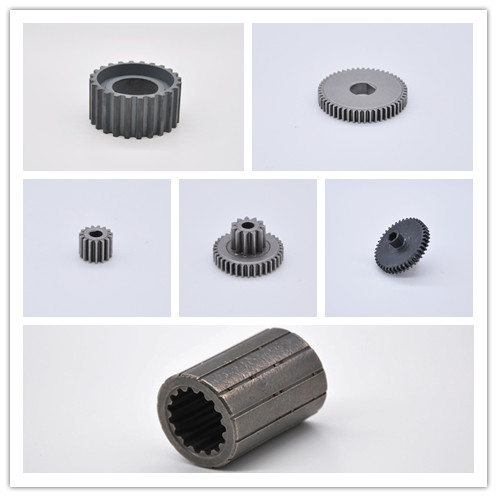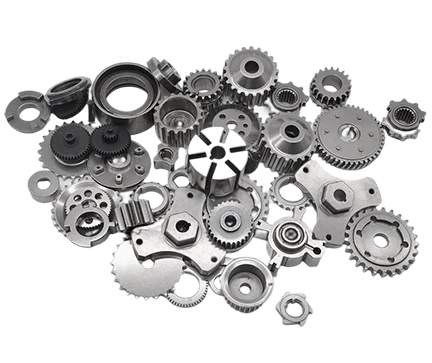
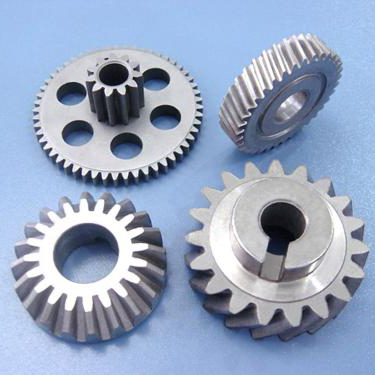
The engine gears are made of high-strength materials and processed with precision technology, specially designed for various power equipment such as automobiles, motorcycles and heavy machinery. Through advanced manufacturing processes, our engine gears can maintain outstanding performance in high-load and high-speed operation environments, ensuring the stable transmission of engine power.
High strength and wear resistance: Our engine gears are made of high-quality steel and undergo strict heat treatment processes, enhancing their wear resistance and ensuring stable operation under high-torque and high-load working conditions.
High-precision design: By adopting precise processing techniques, the dimensions and tooth profiles of gears are accurate and error-free, ensuring smooth engine operation, reducing noise and vibration, and enhancing the stability and comfort of the overall system.
Strong load-bearing capacity: These gears have a strong load-bearing capacity and can withstand the huge pressure of the engine at high power output, ensuring the continuous and stable transmission of power.
Efficient power transmission: Precise tooth profile design and material selection can maximize transmission efficiency, reduce energy loss, and enhance the overall performance of the power system.
Customized services: According to the customer's requirements, we offer customized services to ensure that the size, hardness, material, etc. of the gears fully meet specific requirements, providing the best power transmission solution for customers.
Ingranaggio di sinterizzazione
Tecnologia: Metallurgia delle polveri
Trattamento superficiale: tempra, lucidatura
Norma materiale: MPIF 35, DIN 30910, JIS Z2550
Densità: 6,2 - 7,1 g/cm3
Durezza macro: 40 - 80 HRA
Resistenza alla trazione: 1650 Mpa finale
Resistenza allo snervamento (0,2%): 1270 Mpa finale
Dimensioni: Dimensioni personalizzate
La metallurgia delle polveri consente di ottenere forme complesse direttamente dagli utensili di compattazione, senza alcuna lavorazione meccanica, come denti, scanalature, profili, geometrie frontali ecc. Le tolleranze ottenibili nella direzione perpendicolare della compattazione sono in genere IT 8-9 come sinterizzate, migliorabili fino a IT 5-7 dopo il dimensionamento. Ulteriori operazioni di lavorazione meccanica possono migliorare la precisione.
Ingranaggi in metallurgia delle polveri OEM