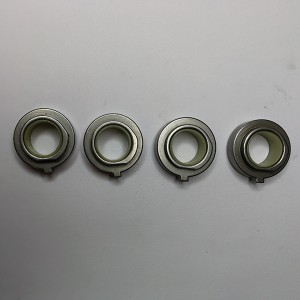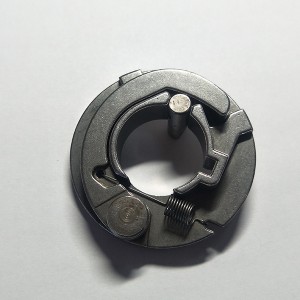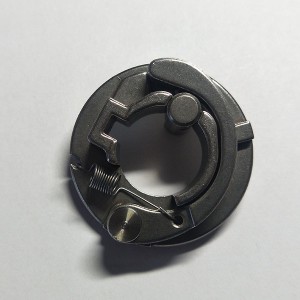





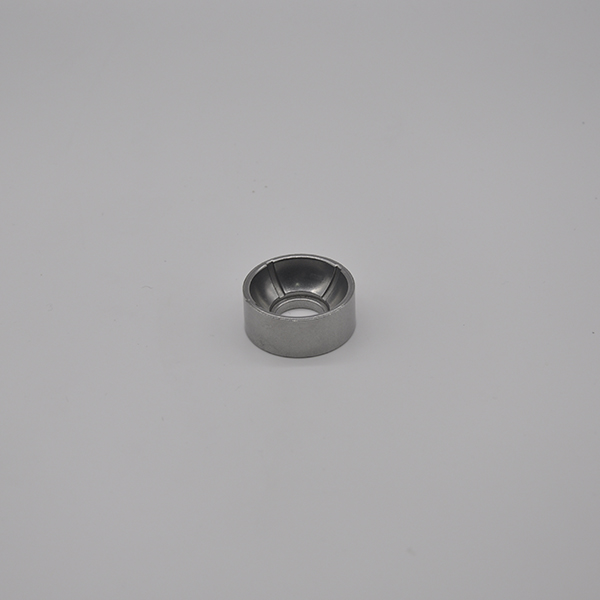
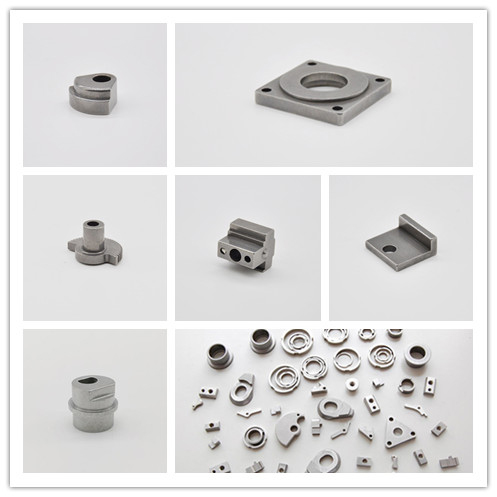
Descripción del Producto
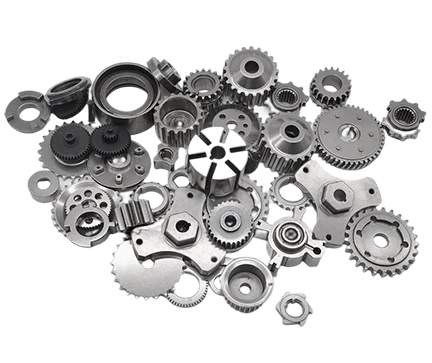
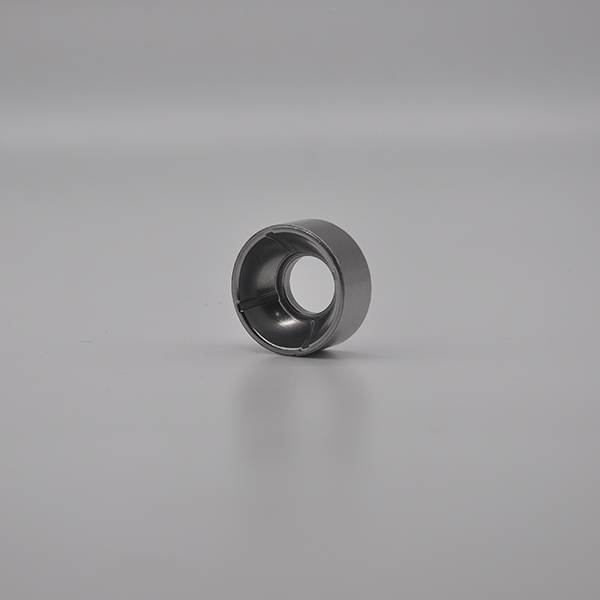
Sintered structural components are manufactured by high-precision powder metallurgy processes and are specially developed to meet the requirements of high strength, high precision and complex design. By sintering high-quality metal powders at high temperatures, we can produce components with dense structures and stable performance, which are widely used in the automotive industry, home appliances, power tools, medical devices and mechanical manufacturing, among other fields.
Complex structures are easily formed: The sintering process can achieve complex geometric designs that are difficult to complete with traditional machining, reduce the number of components, and simplify the assembly process.
High strength and wear resistance: The material has a high density, combined with an optimized sintering curve, endowing the parts with excellent mechanical properties and wear resistance, making them suitable for high-load and long-term operating conditions.
Dimensional accuracy and stability: The strictly controlled manufacturing process ensures consistent part dimensions and small shape and position tolerances, significantly enhancing product assembly efficiency.
Dual advantages in cost and efficiency: Compared with traditional casting, forging and machining processes, powder metallurgy can significantly save materials and processing costs, making it particularly suitable for medium and large-scale production demands.
Environmentally friendly manufacturing: High material utilization rate and low energy consumption production process, helping customers achieve green manufacturing goals.
Detalles del material: Polvo de hierro, polvo de aleación de hierro, acero inoxidable, cobre, acero, hierro, acero de aleación (C, Sn, Zn)
Densidad máxima: 6,0 g/cm2~6,9 g/cm2
Proceso de producción: Mezcla de polvo - Compactación de polvo - Sinterización - Conformación - Mecanizado - Acabado superficial
Tratamiento de superficies: mecanizado, inmersión en aceite, oxidación con vapor, galvanoplastia, pavonado de superficies
Estándar: DIN, JIS, ASTM, GB
Aplicación: Electrodomésticos, Máquinas electrónicas, Máquinas comerciales oficiales, Automóviles
Embalaje interior: Película de plástico antioxidante; Bolsas de plástico al vacío
Embalaje exterior: Cartón duro; Caja de madera; Palet de madera
La metalurgia de polvos utiliza polvo metálico como materia prima, a través del conformado y la sinterización, fabrica materiales metálicos, materiales compuestos y varios tipos de productos. La tecnología de la metalurgia de polvos se puede convertir directamente en materiales y productos porosos, semicompactos o totalmente compactos, como repuestos para automóviles y compresores.