






Descrição do produto
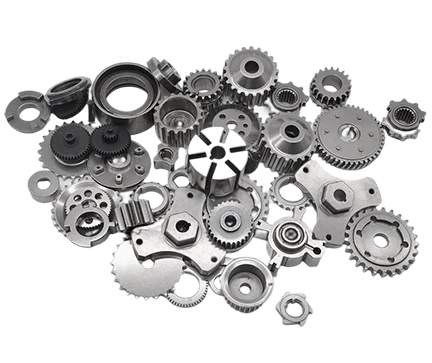
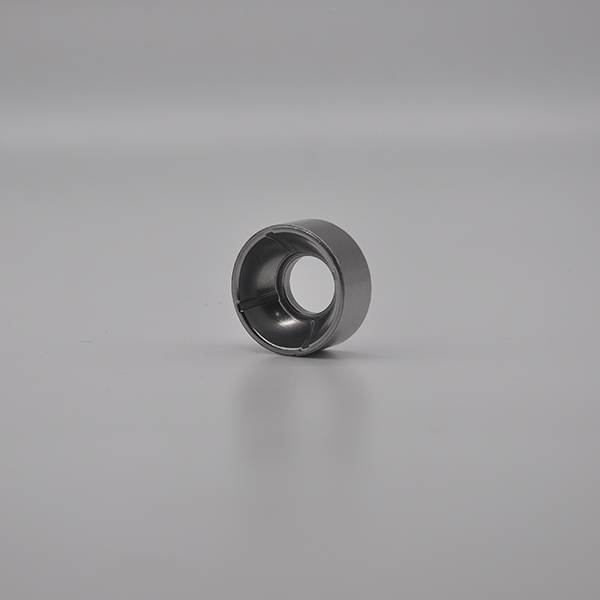
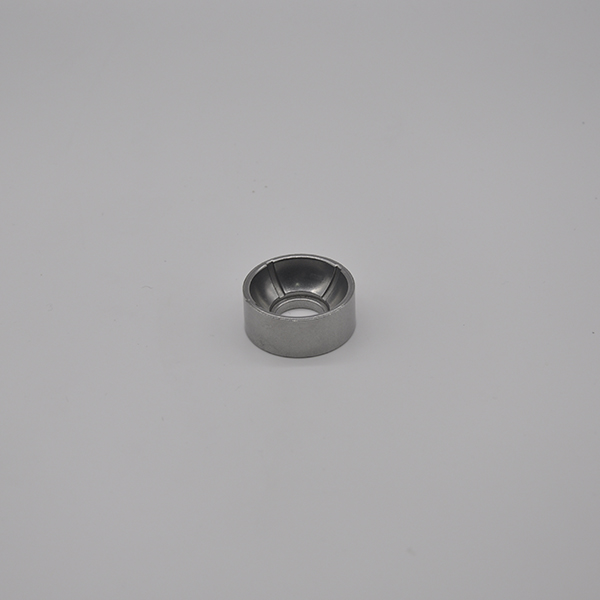
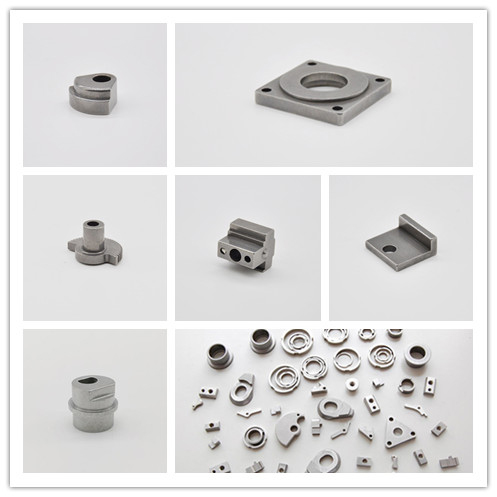
Sintered structural components are manufactured by high-precision powder metallurgy processes and are specially developed to meet the requirements of high strength, high precision and complex design. By sintering high-quality metal powders at high temperatures, we can produce components with dense structures and stable performance, which are widely used in the automotive industry, home appliances, power tools, medical devices and mechanical manufacturing, among other fields.
Complex structures are easily formed: The sintering process can achieve complex geometric designs that are difficult to complete with traditional machining, reduce the number of components, and simplify the assembly process.
High strength and wear resistance: The material has a high density, combined with an optimized sintering curve, endowing the parts with excellent mechanical properties and wear resistance, making them suitable for high-load and long-term operating conditions.
Dimensional accuracy and stability: The strictly controlled manufacturing process ensures consistent part dimensions and small shape and position tolerances, significantly enhancing product assembly efficiency.
Dual advantages in cost and efficiency: Compared with traditional casting, forging and machining processes, powder metallurgy can significantly save materials and processing costs, making it particularly suitable for medium and large-scale production demands.
Environmentally friendly manufacturing: High material utilization rate and low energy consumption production process, helping customers achieve green manufacturing goals.
Detalhes do medidor: pó de ferro, pó de liga de ferro, aço inoxidável, cobre, aço, ferro, aço de liga (C, Sn, Zn)
Densidade máxima: 6,0 g/cm2~6,9 g/cm2
Processo de produção: Mistura de pó-compactação de pó-sinterização-moldagem-usinagem-acabamento de superfície
Tratamento de superfície: Usinagem, Imersão em óleo, Oxidação a vapor, Galvanoplastia, Superfície azulada
Padrão: DIN, JIS, ASTM, GB
Aplicação: Elétrica doméstica, Máquina eletrônica, Máquinas comerciais oficiais, Automóveis
Embalagem interna: filme plástico antiferrugem; sacos plásticos a vácuo
Embalagem externa: caixa rígida; caixa de madeira; palete de madeira
A metalurgia do pó usa pó metálico como matéria-prima, por meio de conformação e sinterização, fabricando materiais metálicos, materiais compostos e vários tipos de produtos. A tecnologia de metalurgia do pó pode ser diretamente transformada em materiais e produtos porosos, semicompactos ou totalmente compactos, como peças automotivas e peças de reposição para compressores.











