




|
Mercadoria |
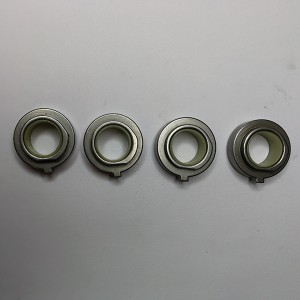
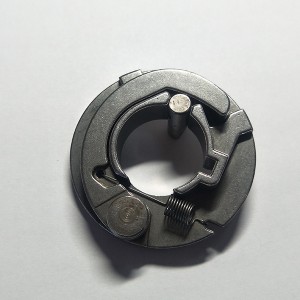
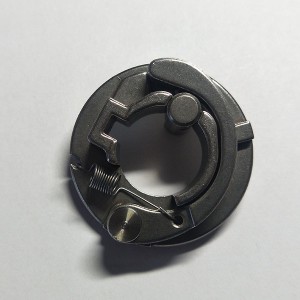
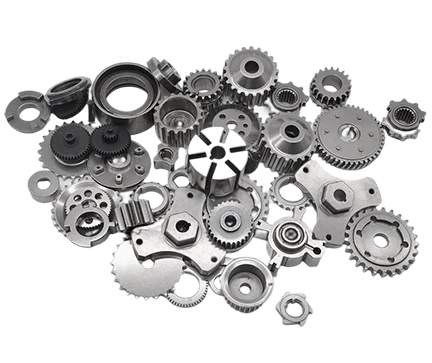
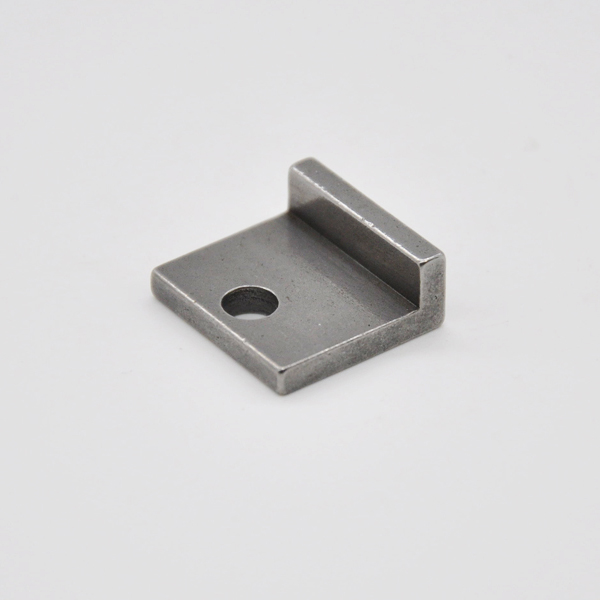
Peças de metalurgia do pó personalizadas |
|
Matéria-prima |
Pó de ferro, pó de liga de ferro, aço inoxidável, cobre, aço, ferro, aço de liga |
|
Tratamento de superfície |
Têmpera de alta frequência, impregnação de óleo, tombamento, galvanoplastia, tratamento a vapor, etc. |
|
Padrão |
DIN, JIS, ASTM, GB |
| Recurso |
1. Alta densidade de 6,0- 7,9 g/cm3 |
|
2. Dureza: HRA 30-80 |
|
|
3. Precisão: ±0,01 mm |
|
|
4. Sem desintegração, rachaduras, rebarbas, corrosão metálica e outros defeitos |
|
|
5. Alta produtividade, baixo custo, economia de energia |
|
|
Certificação |
ISO9001 / TS16949 |
|
Aplicações |
Eletrodomésticos, máquinas eletrônicas, máquinas comerciais, automóveis |
Peças de metalurgia do pó:
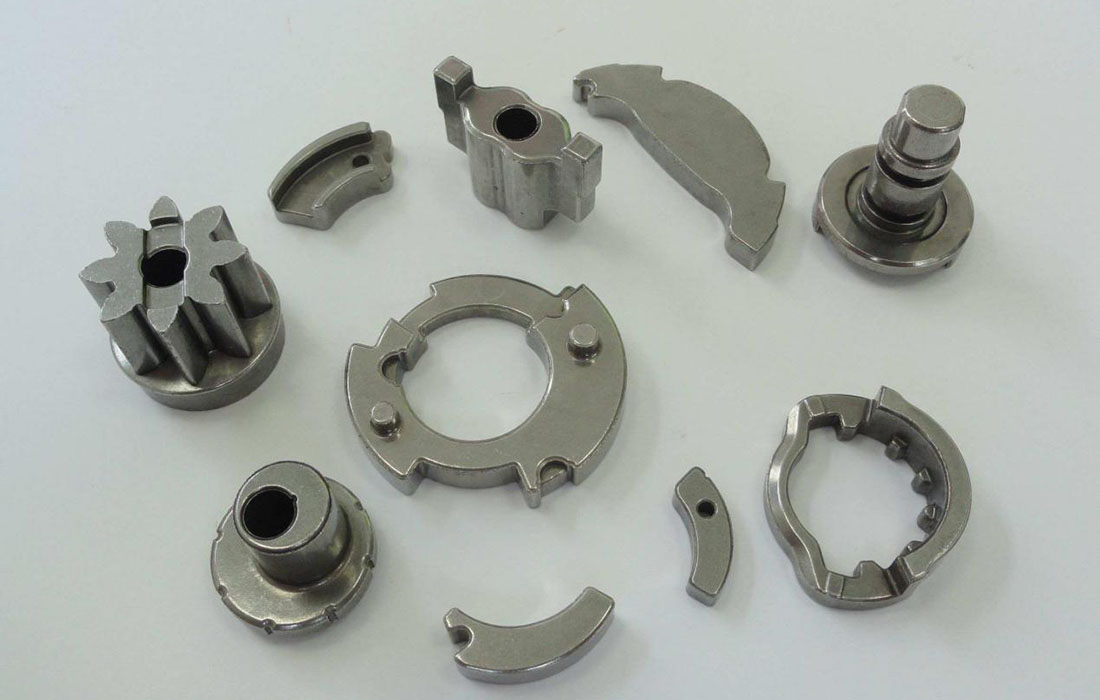
Custom powder metallurgy parts are precision-engineered components manufactured using advanced powder metallurgy techniques, where metal powders are compacted and sintered to form durable, high-performance parts. These custom parts are designed to meet the specific requirements of various industries, offering tailored solutions for applications in automotive, aerospace, industrial machinery, and consumer goods. Powder metallurgy allows for the production of complex shapes and intricate geometries with tight tolerances, making it an ideal choice for manufacturing parts that would be difficult or costly to produce using traditional machining methods. These custom parts are available in a variety of metal compositions, including iron, steel, copper, aluminum, and specialty alloys, ensuring that the material properties match the demands of each application. The sintering process provides parts with excellent strength, wear resistance, and thermal stability, ensuring long-lasting performance even under extreme conditions such as high temperatures, mechanical stress, and corrosive environments.
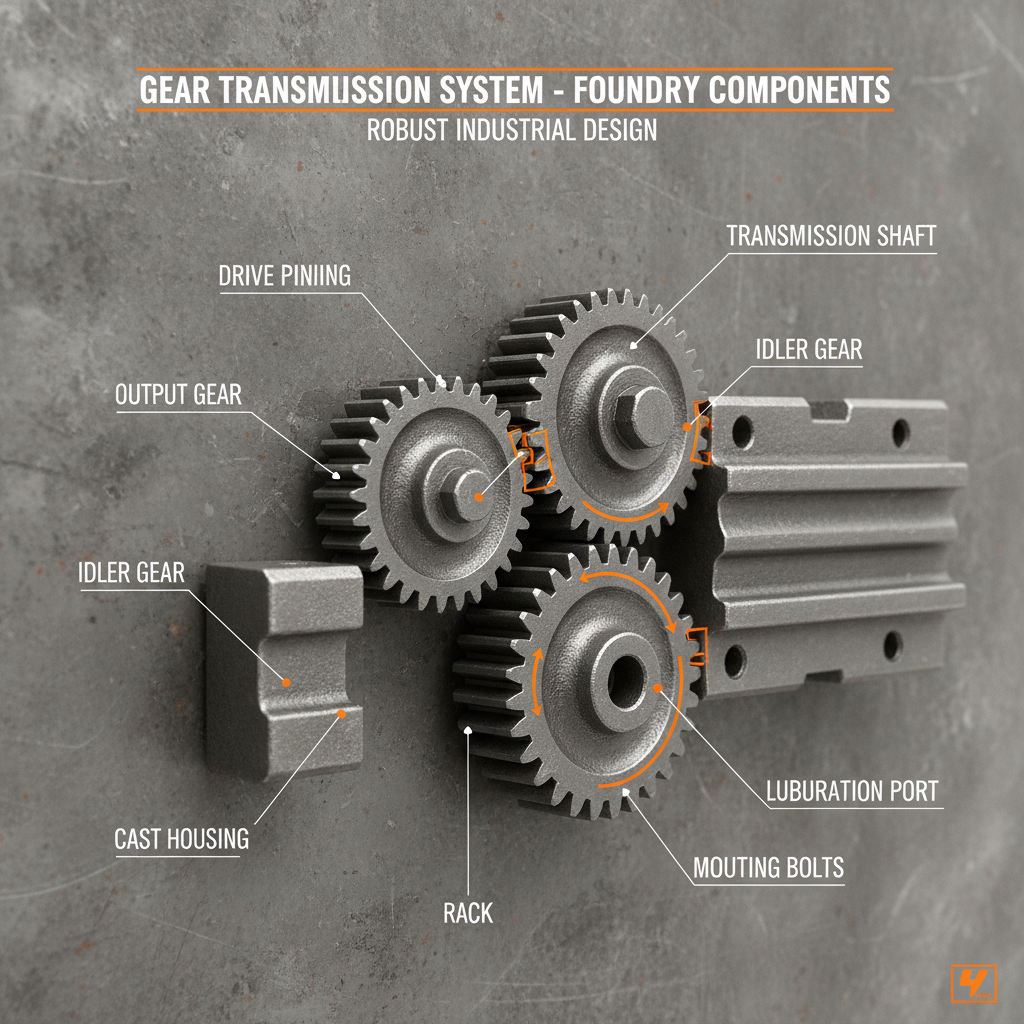
Custom powder metallurgy parts offer significant advantages, including cost-effectiveness, reduced material waste, and the ability to produce high volumes of parts with minimal tooling requirements. The customization process allows for adjustments to size, shape, material composition, and surface treatments to meet the unique needs of each application, whether it's for gears, bearings, bushings, or other structural components. Rigorous quality control measures, including dimensional inspections, material testing, and performance evaluations, ensure that each custom part meets or exceeds industry standards for precision, durability, and reliability. These parts are ideal for applications requiring high-performance, long-lasting components, offering a reliable, cost-efficient solution for manufacturers and service providers looking for high-quality custom-engineered parts.