




- Overview of Mechanical Gear Types and Importance
- Technical Advantages and Performance Data
- Comparative Analysis of Major Gear Manufacturers
- Customization and Engineering Flexibility
- Industrial Case Studies and Applications
- Maintenance Insights and Longevity Strategies
- Future Prospects of Mechanical Gear Types in Mechanical Engineering
(mechanical gear types)
Understanding Mechanical Gear Types: Foundation of Modern Engineering
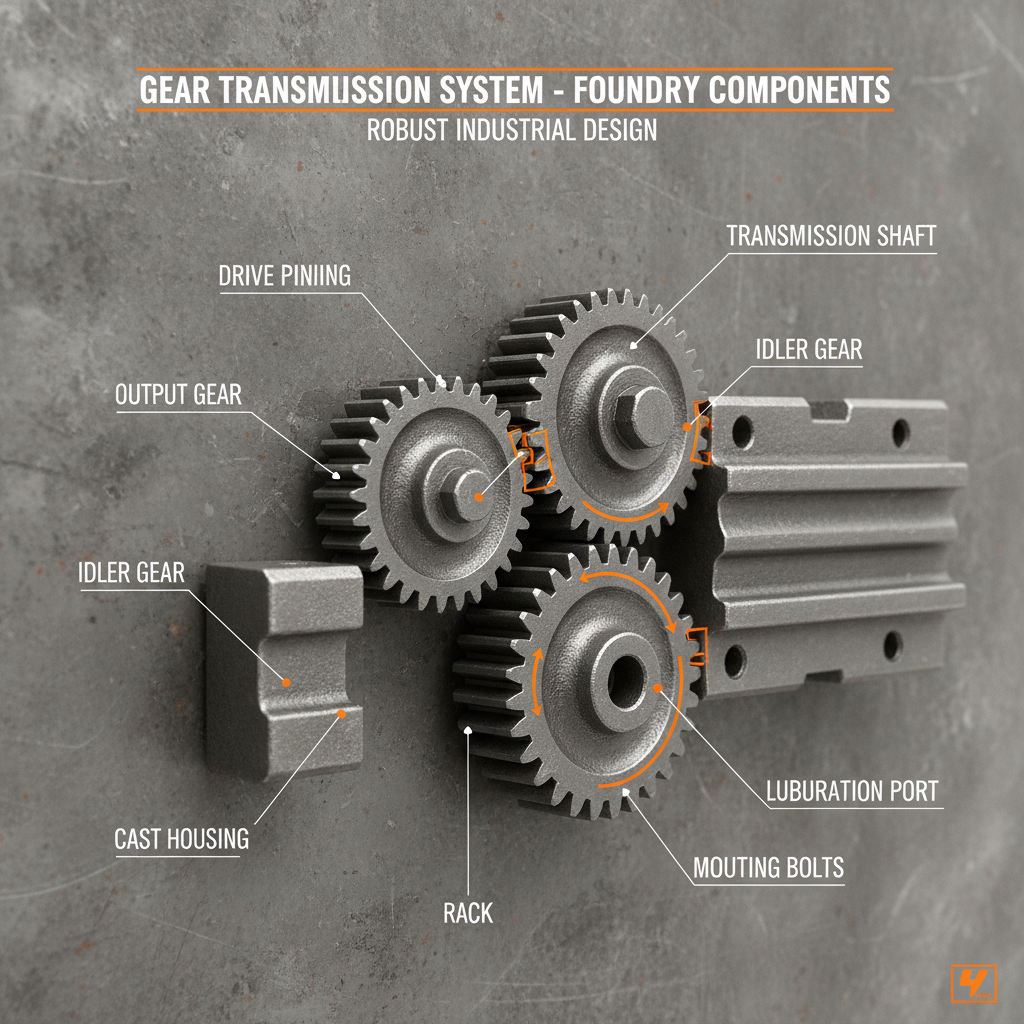
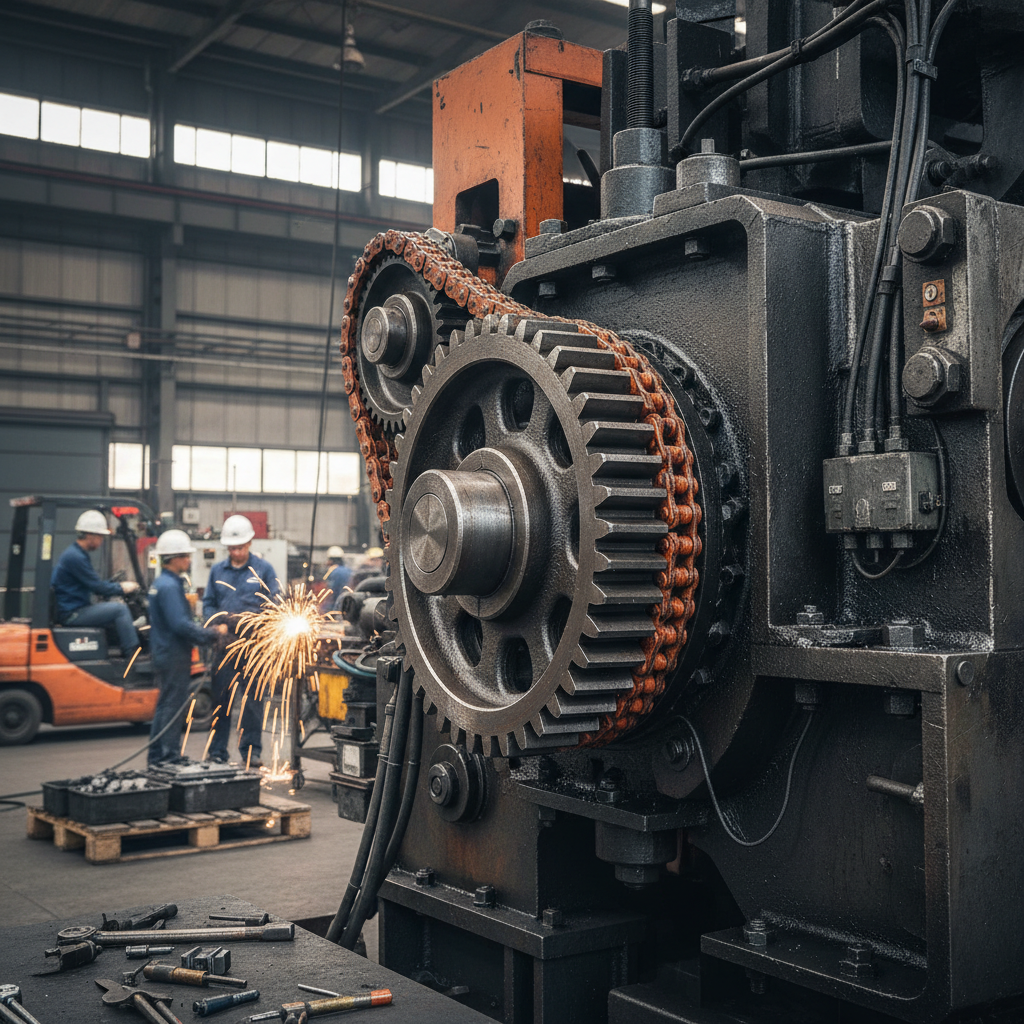
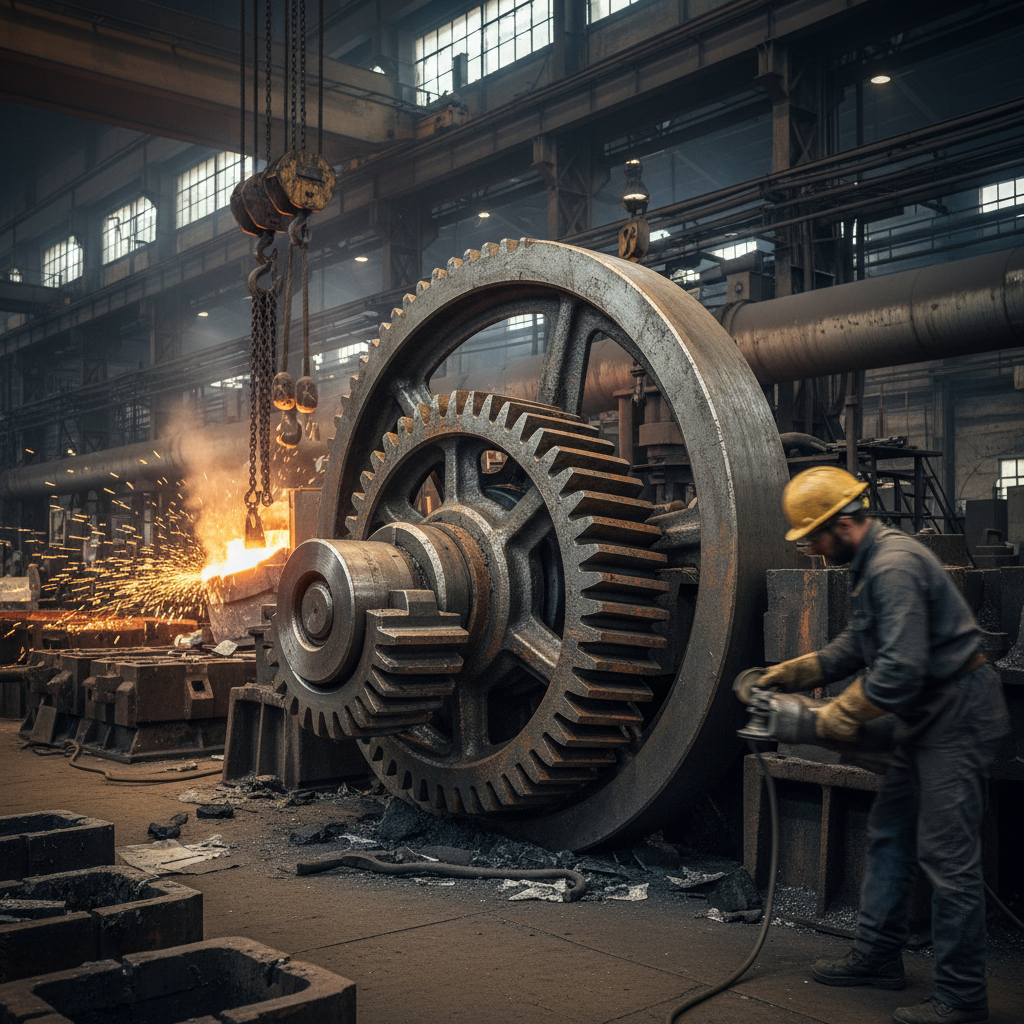
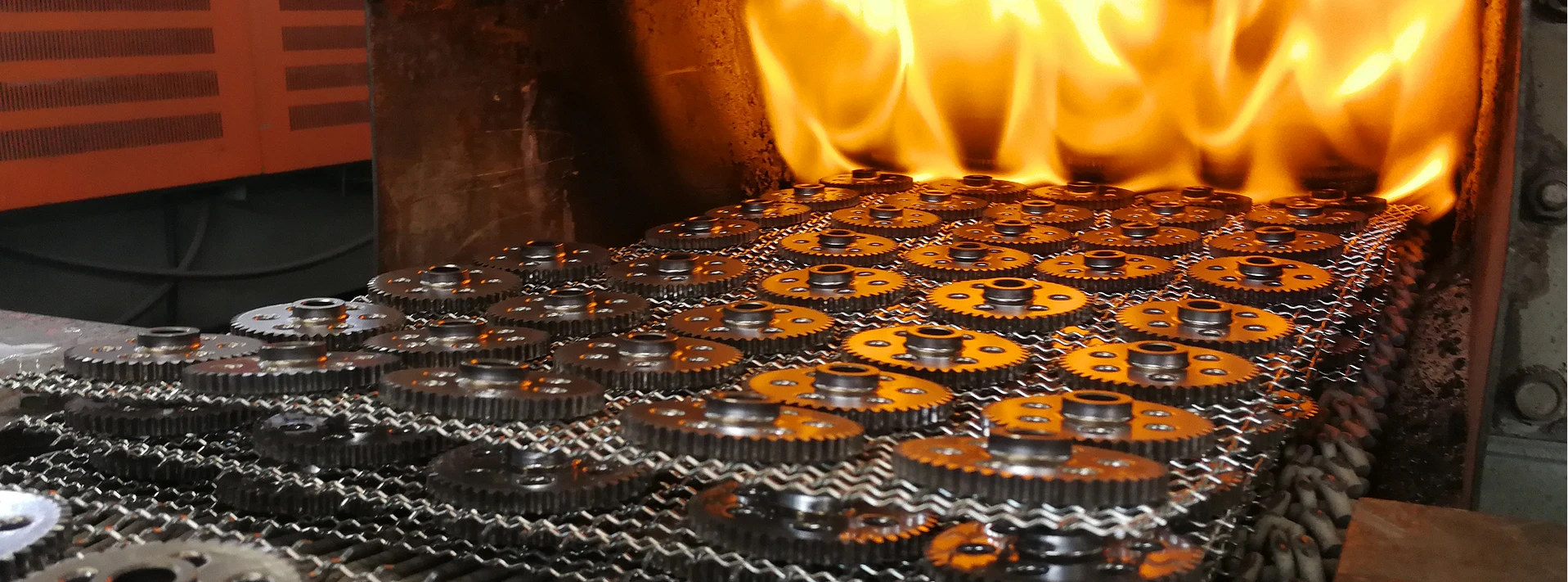
Mechanical gear types serve as the backbone of motion and power transmission across countless industries. From the smallest precision instruments to massive industrial drives, types of gear in mechanical engineering range in design, materials, and operational principles. Each gear type is engineered to optimize efficiency, accuracy, and durability, impacting overall system performance and operational reliability. Gears fundamentally translate rotational motion, alter speed, torque, and control direction, making them irreplaceable in robotics, transportation, energy, and manufacturing sectors. These functionalities elevate gears beyond basic mechanics, transforming them into strategic components essential for both high-speed automation and heavy-duty industrial machinery alike. Recognizing the precise application of different mechanical gear types
—such as spur, helical, bevel, worm, and planetary gears—enables engineers to tailor designs for peak efficiency and minimal loss, ensuring competitive advantages in a fiercely data-driven environment.
Technical Advantages and Performance Data of Gear Varieties
The choice among various types of gear mechanical engineering directly influences system throughput, efficiency, noise levels, and load capacity. For instance, spur gears, with their straightforward teeth orientation, offer robust torque transfer and cost-efficiency for moderate-speed applications. Helical gears, conversely, engage more gradually, producing less noise and handling higher loads due to angled teeth—a preferred choice for automotive gearboxes. Bevel gears excel in transmitting power between non-parallel shafts, while worm gears provide unique advantages in scenarios requiring high reduction ratios and self-locking characteristics.
For a precise technical comparison, consider the following performance metrics:
| Gear Type | Efficiency (%) | Maximum Load (N·m) | Speed Range (RPM) | Noise Level (dB) |
|---|---|---|---|---|
| Spur Gear | 97-99 | 3500 | Up to 3000 | 75 |
| Helical Gear | 98-99.5 | 5000 | Up to 4000 | 65 |
| Bevel Gear | 96-98 | 4000 | Up to 2500 | 68 |
| Worm Gear | 60-90 | 2000 | Up to 1500 | 70 |
| Planetary Gear | 95-98 | 6000 | Up to 5000 | 60 |
These figures highlight the importance of matching gear technology to specific application requirements, offering significant operational improvements in efficiency and life cycle.
Major Gear Manufacturers: Comparative Performance and Market Influence
Selecting a gear supplier involves evaluating product range, technical support, and proven reliability. Industry leaders—such as Siemens, SEW-Eurodrive, Sumitomo, and Bonfiglioli—distinguish themselves through innovation, precision manufacturing, and stringent quality control.
Let’s compare selected manufacturers on key criteria:
| Manufacturer | Specialized Gear Types | Lead Time (Weeks) | Warranty (Years) | Custom Engineering | Global Support Network |
|---|---|---|---|---|---|
| Siemens | Helical, Bevel, Planetary | 9 | 3 | Yes | Extensive |
| SEW-Eurodrive | Helical, Spur, Worm | 5 | 2 | Yes | Extensive |
| Sumitomo | Worm, Cycloidal, Planetary | 8 | 2 | Yes | Wide |
| Bonfiglioli | Bevel, Planetary, Helical | 7 | 2 | Yes | Global |
While each manufacturer excels in unique domains, Siemens and Bonfiglioli stand out for integrated engineering services and international technical support, facilitating tailored gear solutions for diverse applications.
Customization Capabilities and Tailored Engineering
The rapid evolution of industrial demands challenges standardization—modern projects increasingly require gears adapted to specific loads, temperatures, and spatial constraints. Advanced digital modeling and simulation have elevated custom gear manufacturing; finite element analysis (FEA) and 3D prototyping enable the prediction of performance long before production begins.
70% of custom gear inquiries now involve precision modifications such as tooth profile optimization, material selection (from carburized steels to engineered composites), and integrated lubrication paths. This focus on custom engineering leads to higher efficiency, lower downtime, and substantial long-term savings for clients operating under strict regulatory and operational frameworks.
As an example, applications exposed to intensive duty cycles—such as cement mills and wind turbines—benefit from bespoke hardening techniques and advanced condition monitoring sensors, increasing operational longevity by up to 35% over standard off-the-shelf solutions. Responsive firms offer design consultations, on-site gear diagnostics, and rapid prototyping, ensuring that the chosen gears seamlessly fit into existing or novel architectures.
Industrial Use Cases: Mechanical Gear Types in Action
Real-world cases illustrate how the correct selection and engineering of types of gear in mechanical engineering underpin operational excellence. For instance, a German automotive component plant replaced traditional spur gears with optimized helical gears, reducing gear noise by 18% while boosting conveyor throughput by 12%. In the aerospace sector, planetary gears remain the preferred standard for turbofan engines, supporting rotational speeds up to 5000 RPM and tolerating torque surpassing 6000 N·m.
In heavy industry, cement processing lines equipped with customized bevel-helical gear units have achieved certified operational uptimes exceeding 97% per annum, according to recent industry audits. Energy applications provide similarly impressive stories: wind turbines equipped with monitored planetary gear systems now register unexpected failure rates below 2%, contributing directly to greater grid stability and lower maintenance costs.
These success stories fundamentally rest on a deep understanding of load profiles, operating environments, and the technical nuances that distinguish one gear type from another, showcasing the everyday value of thoughtful, data-driven engineering.
Maintenance Strategies for Enhanced Gear Lifespan
Extending the operational life of mechanical gears is a crucial consideration in both manufacturing and field deployments. Research indicates that up to 40% of unplanned downtime is attributable to inadequate lubrication or misalignment—strategic preventative maintenance dramatically reduces such incidents. Modern practices emphasize the integration of real-time condition monitoring systems, including vibration and temperature sensors, which can predict gear failure up to three months in advance.
Additionally, advances in synthetic gear oils have improved lubrication intervals by 30-50%, particularly in high-load or harsh temperature environments. Properly implemented maintenance not only preserves the functional integrity of gear types for mechanical engineering but also contributes measurably to overall plant productivity. Through routine inspection and the use of digital maintenance logs, facility managers are realizing operational efficiency gains and extended mean time between failures (MTBF), minimizing both direct and indirect operational costs.
A structured maintenance protocol, combined with skillful engineering, is instrumental in elevating gear system reliability across industries as varied as mining, marine propulsion, and power generation.
Future Prospects: Mechanical Gear Types in Next-Generation Engineering
As engineering requirements become increasingly specialized and ambitious, mechanical gear types are evolving through smarter materials, advanced manufacturing, and digital integration. The adoption of additive manufacturing is expected to further lower the bespoke gear production time by up to 60%, opening new doors for innovative geometries and lightweight yet robust gear assemblies. Meanwhile, integrating IoT and AI-driven predictive analytics into gear units empowers maintenance teams, reducing the likelihood of catastrophic failures and optimizing operational schedules.
The synthesis of new surface treatments for reduced friction, in conjunction with enhanced wear-resistant alloys, is projected to extend gear lifecycles by 20-25% compared to previous generations. As mechanical gear solutions are enmeshed with digital twins and Industry 4.0 platforms, the landscape of mechanical and industrial engineering stands poised to deliver ever-greater efficiencies and reliability.
In conclusion, ongoing advancements ensure that the selection, application, and maintenance of all mechanical gear types will remain a focal point for innovation, productivity, and sustainability in global industries.

(mechanical gear types)