The Ultimate Guide to High-Performance Timing Gear
In the complex world of mechanical engineering, the precision of power transmission is what separates a high-efficiency machine from a failing one. The timing gear plays a critical role in synchronizing the movement of various components, ensuring that valves open and close at the exact moment required for optimal combustion and mechanical harmony. Whether used in automotive engines, industrial machinery, or precision robotics, the quality of these gears determines the lifespan and reliability of the entire system. In this guide, we will explore the materials, design intricacies, and selection criteria that make a timing gear truly superior.

Critical Functions of a Timing Gear in Modern Engines
The primary objective of a timing gear is to maintain a precise relationship between the crankshaft and the camshaft. This synchronization is vital for interference engines, where a failure in timing could lead to catastrophic piston-to-valve contact. Beyond simple rotation, these gears must handle immense torque and resist wear under extreme thermal conditions. High-quality gears reduce vibration and noise, contributing to a smoother operational experience and higher fuel efficiency in automotive applications. By utilizing advanced powder metallurgy and precision machining, manufacturers can achieve tolerances that were previously impossible, ensuring near-perfect synchronization across thousands of operational hours.
Material Science: What Makes a Timing Gear Durable?
Material selection is the cornerstone of gear longevity. While traditional cast iron was common, modern industrial standards have shifted toward sintered alloys and high-strength forged steel. Sintering allows for a controlled pore structure, which can be impregnated with oil for self-lubrication, significantly reducing friction. The hardness of the material is often enhanced through surface treatments like carburizing or nitriding, which create a wear-resistant outer shell while maintaining a tough, ductile core. This balance ensures that the timing gear can withstand sudden load spikes without fracturing or losing its tooth profile.
Engineering Insight: Powder metallurgy provides a superior alternative to traditional machining by reducing material waste and allowing for complex geometries that improve tooth engagement and load distribution.
Comparing Timing Gear Materials and Performance
Choosing the right material depends on the specific operating environment. For instance, high-RPM applications require materials with lower inertia and higher fatigue strength. Conversely, heavy-duty industrial gearboxes prioritize maximum load capacity and abrasion resistance. Below is a comparison demonstrating why sintered steel is often the preferred choice for a professional-grade timing gear compared to conventional options.
Precision Manufacturing of Timing Gear Components
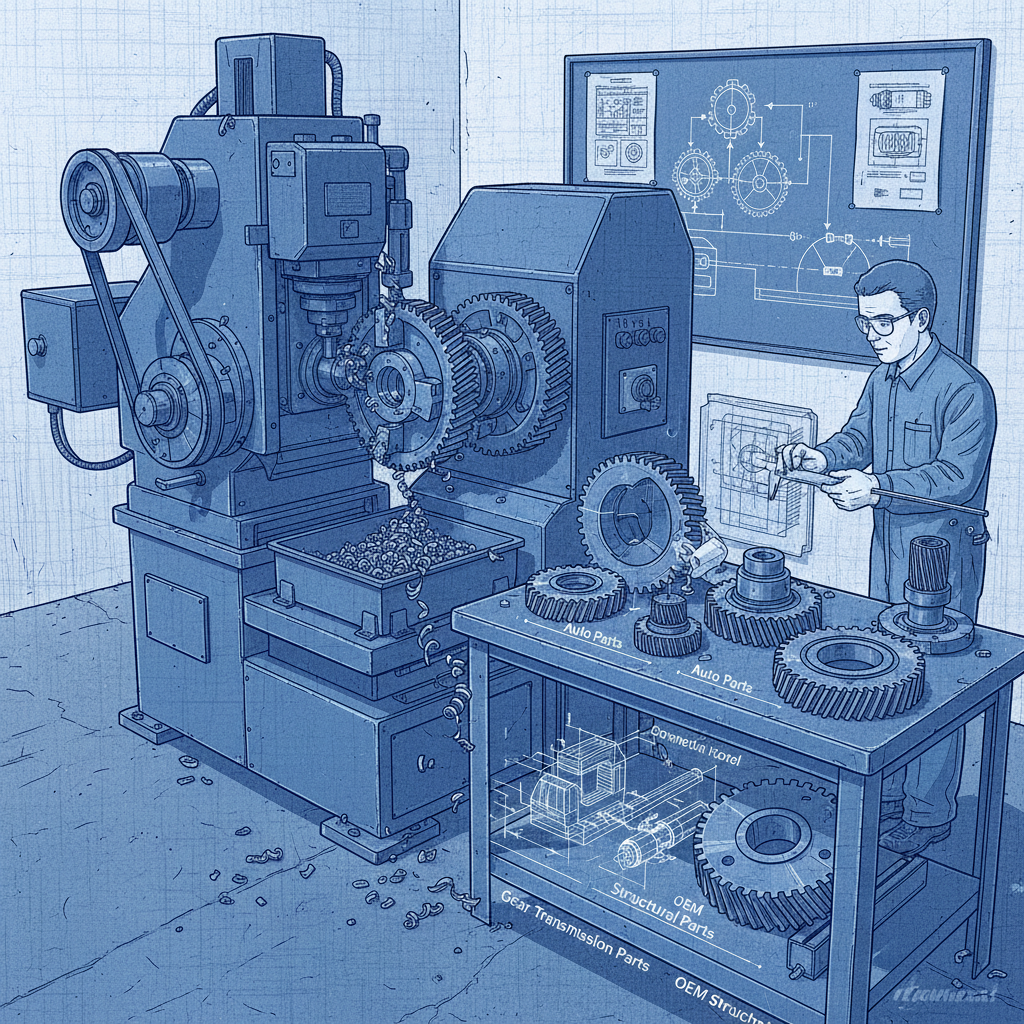
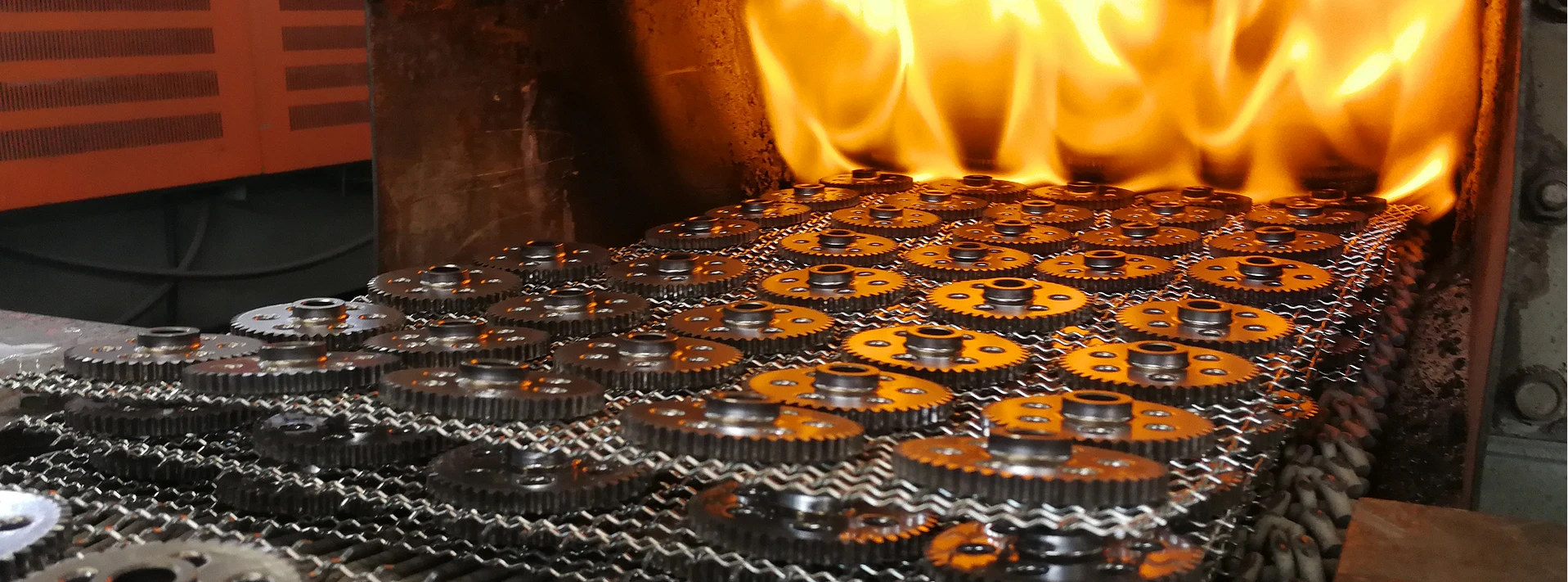
The manufacturing process for a high-end timing gear involves several meticulous steps. Starting with the precise blending of metallic powders, the material is compressed under immense pressure to form a "green" part. This is followed by sintering in a controlled atmosphere furnace, where the particles bond at a molecular level. To ensure the gear operates without noise or vibration, final grinding or honing is often employed to refine the tooth profile. This rigorous approach eliminates internal stresses and ensures that every gear produced meets strict international quality standards for dimensional accuracy.
Technical Specifications for Industrial Timing Gear
For engineers and procurement managers, understanding the technical specifications is paramount. A standard industrial timing gear must be evaluated based on its modulus, pressure angle, and surface roughness. These factors collectively influence how power is transmitted and how much energy is lost to friction. Below are the typical specifications for a high-performance sintered gear system used in automotive timing applications:
Conclusion: Maximizing System Life with Quality Timing Gear
In conclusion, the timing gear is more than just a mechanical component; it is the heart of synchronization in any precision machine. By focusing on superior material science, utilizing advanced sintering techniques, and adhering to strict dimensional tolerances, industries can significantly reduce downtime and maintenance costs. Choosing a partner that understands the synergy between material properties and mechanical demands is the key to achieving long-term operational excellence. Invest in quality today to ensure the reliability of your machinery tomorrow.
Frequently Asked Questions (FAQs)
What are the most common causes of timing gear failure?
Timing gear failure is typically caused by three main factors: inadequate lubrication, material fatigue, and misalignment. When lubrication fails, friction increases, leading to rapid wear of the gear teeth (pitting). Material fatigue occurs over millions of cycles, often exacerbated by poor heat treatment. Misalignment, often caused by worn bearings or improper installation, creates uneven load distribution, causing specific teeth to wear faster than others. Regular maintenance and using high-grade timing gear components can mitigate these risks.
How does powder metallurgy improve gear performance?
Powder metallurgy allows for the creation of "net-shape" components, meaning the gear is produced very close to its final dimensions, which reduces the need for extensive machining. This process ensures a more uniform grain structure compared to casting, resulting in higher strength-to-weight ratios. Additionally, the inherent porosity of sintered materials allows them to be infused with lubricants, creating a self-lubricating effect that reduces the reliance on external oil systems and minimizes frictional heat during high-speed operation.
Can a timing gear be repaired or must it be replaced?
In almost all professional and automotive applications, a damaged timing gear must be replaced. Because timing requires absolute precision (often measured in microns), any attempt to weld or resurface a worn tooth would throw the gear out of balance and disrupt the synchronization of the entire engine or machine. Using a replacement timing gear ensures that the system returns to factory specifications, preventing secondary failures in the camshaft or crankshaft.
How do I choose the right gear for my application?
Selection depends on the torque requirements, operating speed, and environmental conditions. For high-torque, low-speed industrial use, forged steel or heavy-duty sintered alloys are ideal. For high-speed, efficiency-focused applications (like modern automotive engines), lightweight sintered alloys with high precision tolerances are preferred. It is essential to verify the gear's hardness (HRC) and ensure the tooth profile matches your existing system to avoid premature wear. Consulting with a specialist at JSS Sintering can help you find the exact specification for your needs.