Mastering Efficiency with High-Performance Gear Transmission Systems
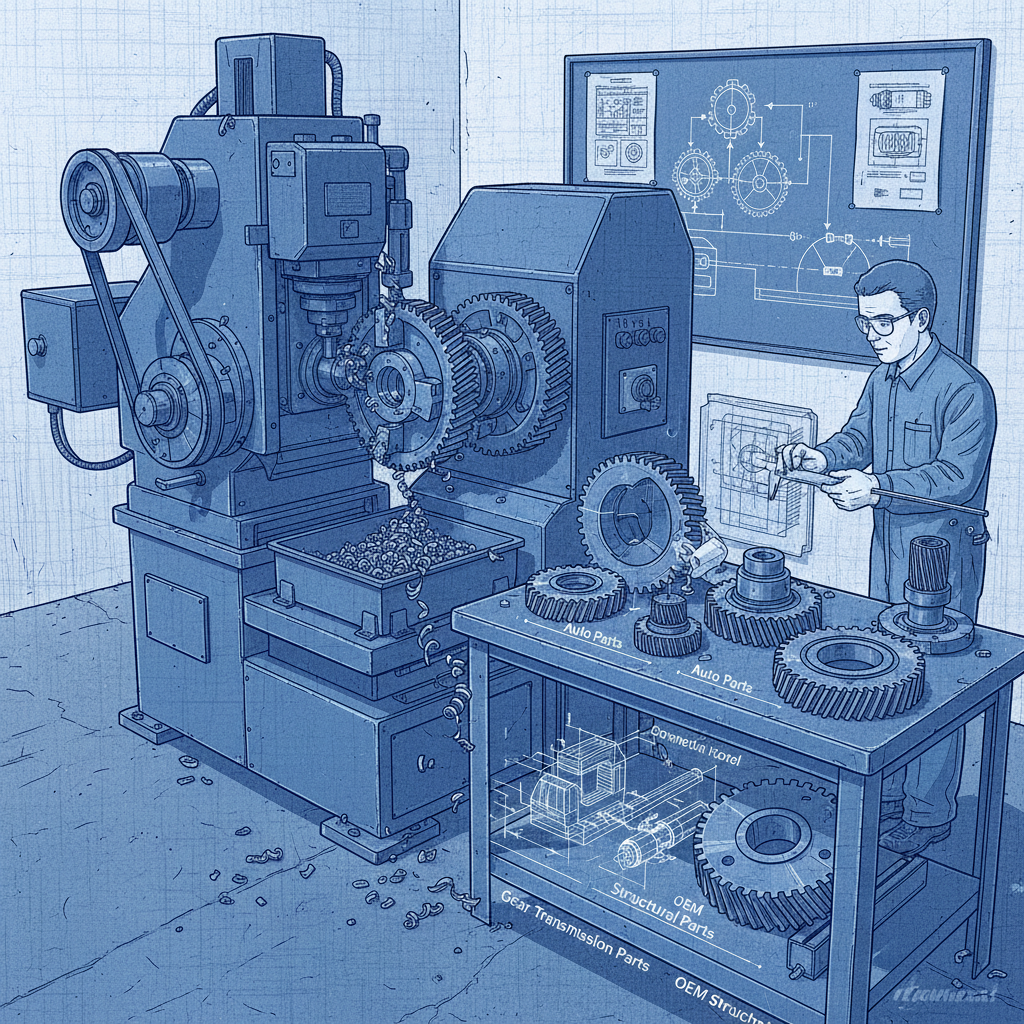
In the world of mechanical engineering, the efficiency of power transfer is the heartbeat of industrial productivity. A high-quality gear transmission system is essential for converting rotational energy into the precise torque and speed required for complex machinery. Whether it is for automotive applications, heavy-duty industrial equipment, or precision robotics, the choice of materials and design determines the lifespan and reliability of the entire system. By understanding the nuances of gear synchronization and material science, companies can significantly reduce downtime and operational costs. This guide explores the critical components and innovations driving modern transmission technology.

The Fundamental Role of Gear Transmission in Industry
At its core, a gear transmission serves as the primary mechanism for adjusting speed and torque. By utilizing different gear ratios, engineers can amplify the force of a motor to move heavy loads or increase the speed of a drive shaft for rapid operation. The precision of the gear teeth profile is paramount; even a micron-level deviation can lead to increased noise, vibration, and premature wear. Modern industrial standards now demand components that can withstand extreme pressures while maintaining a compact footprint, leading to the rise of advanced powder metallurgy and precision sintering techniques to achieve near-net-shape components with superior density.
Industry Insight: The shift toward electric vehicles (EVs) has revolutionized gear transmission design, moving away from multi-speed complex gearboxes toward high-efficiency single-speed reductions that require extreme precision and low noise signatures.
Types of Gear Transmission and Their Applications
Depending on the axis of rotation and the load requirement, different types of gears are employed. Spur gears are the most common for simple, parallel shafts, while helical gears offer smoother and quieter operation due to their angled teeth. For shafts that intersect at 90 degrees, bevel gears are the gold standard. When a massive reduction in speed and an increase in torque are required in a confined space, worm gears provide an unrivaled solution. Selecting the right gear transmission configuration is a balancing act between cost, space, and mechanical efficiency.
Material Comparison for Gear Transmission Components
The longevity of a gear transmission system is directly linked to the material used. While traditional forged steel offers immense strength, sintered metals provide a cost-effective alternative with excellent dimensional stability and the ability to customize porosity for self-lubrication. In high-friction or corrosive environments, specialized alloys or ceramics are often preferred. The following table compares the most common materials used in modern gear manufacturing to help engineers make informed decisions based on specific performance metrics.
Optimizing Performance in Gear Transmission Design
Optimization begins with the calculation of the precise gear ratio to ensure the motor operates within its peak efficiency window. However, mechanical design is only half the battle; lubrication and heat dissipation are the other critical factors. A poorly lubricated gear transmission will suffer from rapid pitting and scuffing, leading to catastrophic failure. By implementing advanced synthetic lubricants and optimizing the housing for airflow, engineers can extend the mean time between failures (MTBF). Furthermore, integrating sensors for vibration analysis allows for predictive maintenance, moving from reactive repairs to proactive system health management.
Optimization Checklist:
• Validate gear teeth geometry for minimal backlash
• Select materials based on torque and environmental stress
• Implement a robust lubrication schedule
• Conduct thermal analysis to prevent overheating
Precision Specifications for Modern Gear Transmission
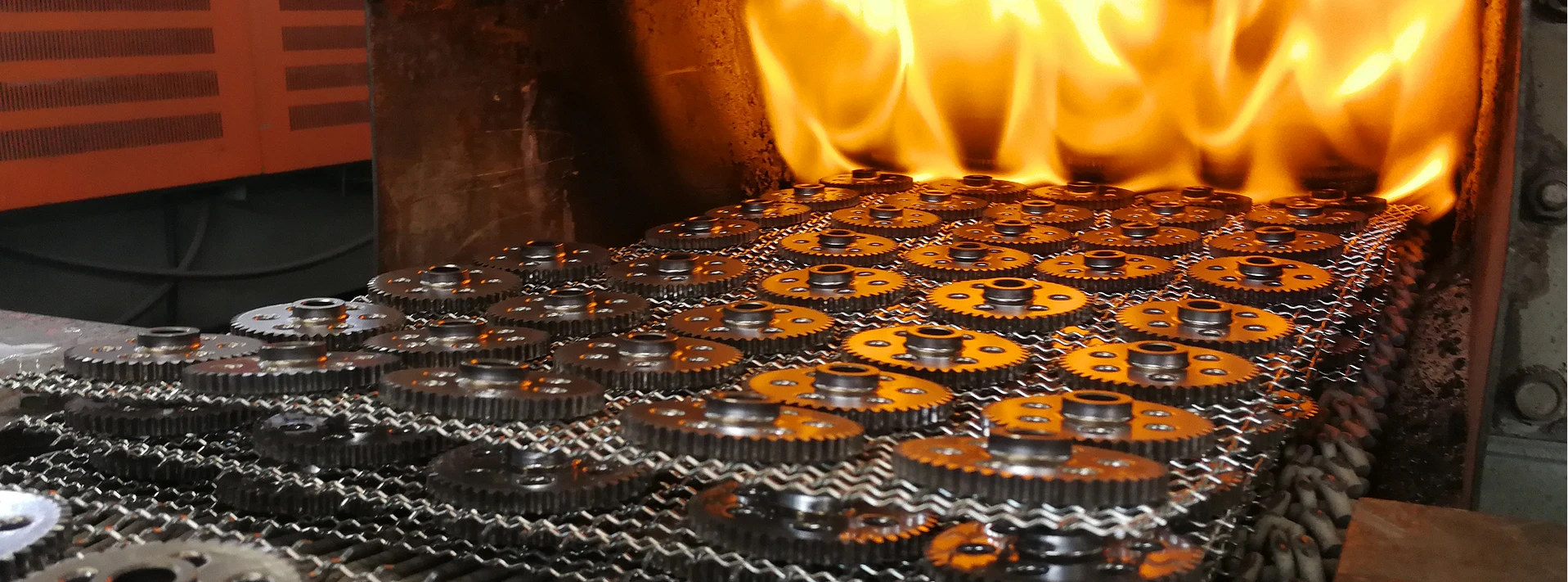
To achieve high-tier performance, components must adhere to strict tolerances. The use of sintering technology allows for the production of complex gear transmission parts that require minimal post-processing. This not only reduces waste but ensures a consistency that is difficult to achieve with traditional machining. Below is a specification table highlighting the typical standards required for high-precision industrial gears.
Conclusion: The Future of Gear Transmission
Achieving peak mechanical efficiency requires a holistic approach to gear transmission, combining cutting-edge material science with rigorous precision engineering. From the selection of sintered alloys for weight reduction to the implementation of predictive maintenance, every detail counts toward reducing operational costs and increasing system reliability. As industries move toward smarter, greener, and more compact machinery, the role of high-performance transmissions will only grow. Investing in quality components today ensures a competitive edge in the industrial landscape of tomorrow.
Frequently Asked Questions (FAQs)
How do I choose the right gear ratio for my transmission?
Choosing the correct gear ratio depends on your desired output speed and the torque required to move the load. The gear ratio is calculated by dividing the number of teeth on the driven gear by the number of teeth on the drive gear. If you need more torque but less speed, you should use a larger driven gear. It is essential to consider the motor's torque curve to ensure the gear transmission operates within an efficient range to avoid overheating and excessive wear.
What are the advantages of sintered gears over forged gears?
Sintered gears offer several key advantages, including lower production costs due to the reduction of machining steps and the ability to create complex geometries that are nearly impossible with forging. Additionally, sintered materials can be engineered with controlled porosity, allowing them to be impregnated with oil for self-lubrication, which is a massive benefit for gear transmission systems in hard-to-reach areas. While forged gears are stronger for extreme heavy-duty loads, sintered gears provide the best balance of performance and cost for most industrial applications.
How can I reduce noise in a gear transmission system?
Noise in a transmission is typically caused by gear tooth impact and vibration. To reduce this, you can switch from spur gears to helical gears, which engage more gradually. Improving the surface finish (reducing Ra) and ensuring perfect concentricity also significantly lowers acoustic emissions. Furthermore, using high-viscosity synthetic lubricants can dampen the impact between teeth. For those utilizing specialized gear transmission components, choosing materials with natural damping properties, such as certain sintered alloys, can further quiet the operation.
What is the most common cause of gear failure?
The most common causes of failure in a gear transmission are improper lubrication and misalignment. Lack of lubrication leads to increased friction, resulting in "scuffing" or "pitting" on the tooth surface. Misalignment causes uneven load distribution, which concentrates stress on the edges of the teeth, leading to premature breakage. Regular inspection, using precision alignment tools, and adhering to a strict lubrication schedule are the most effective ways to prevent these failures and ensure a long operational life.