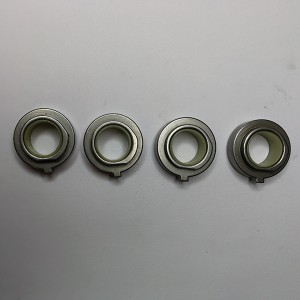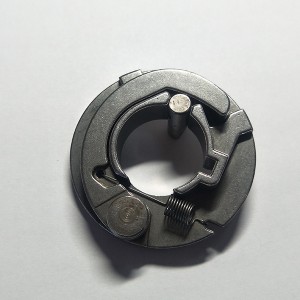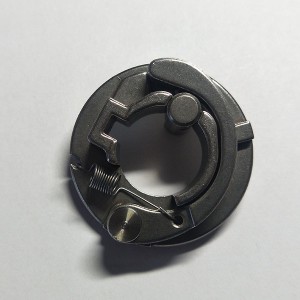





Understanding Iron Powder Ring Gear Technology
Iron powder metallurgy is a crucial manufacturing process for producing high-performance components, and iron powder ring gears are a prime example of its capabilities. These gears are used in a wide array of applications, from automotive systems to industrial machinery, owing to their excellent mechanical properties and cost-effectiveness. This article delves into the benefits, manufacturing process, applications, and material considerations for iron powder ring gears, providing a comprehensive overview for engineers, procurement specialists, and anyone interested in this technology. We'll explore how advancements in powder metallurgy are shaping the future of gear design and performance.
The Advantages of Iron Powder Ring Gears
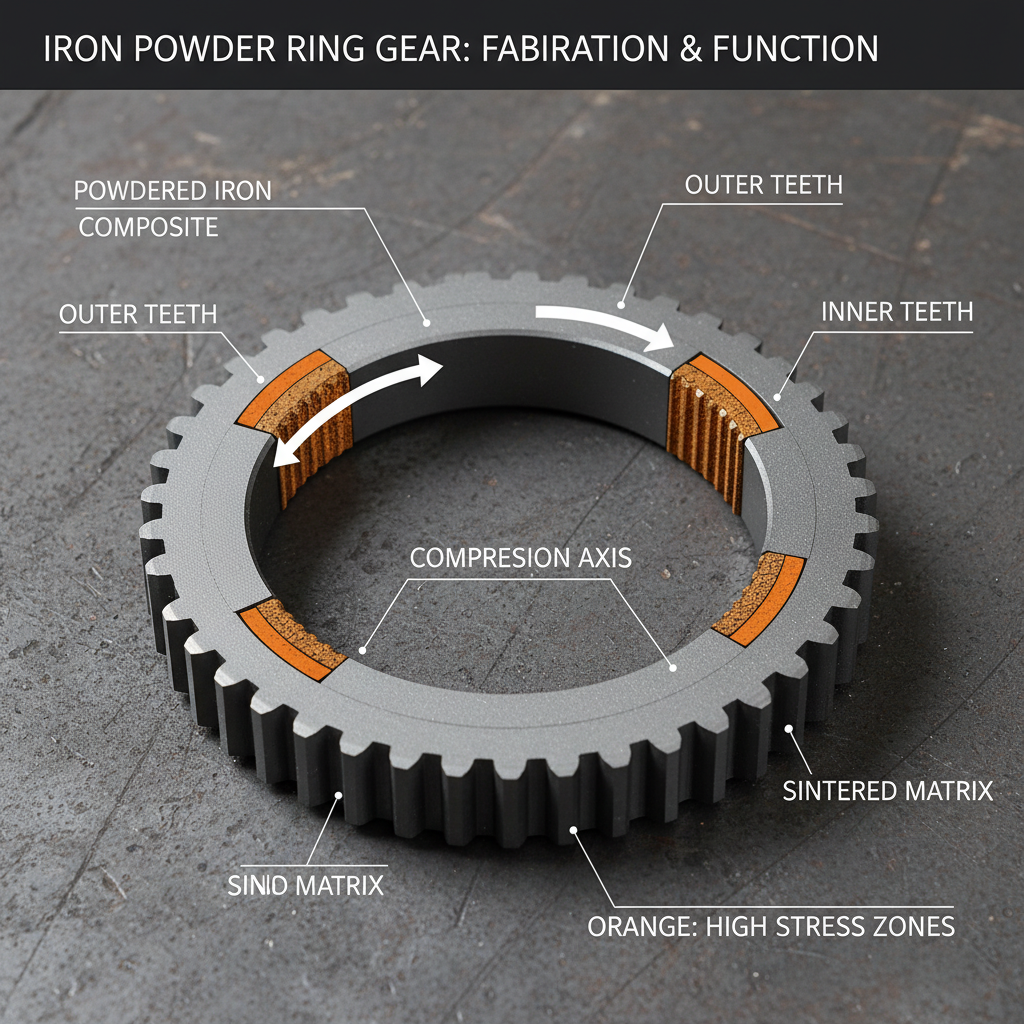
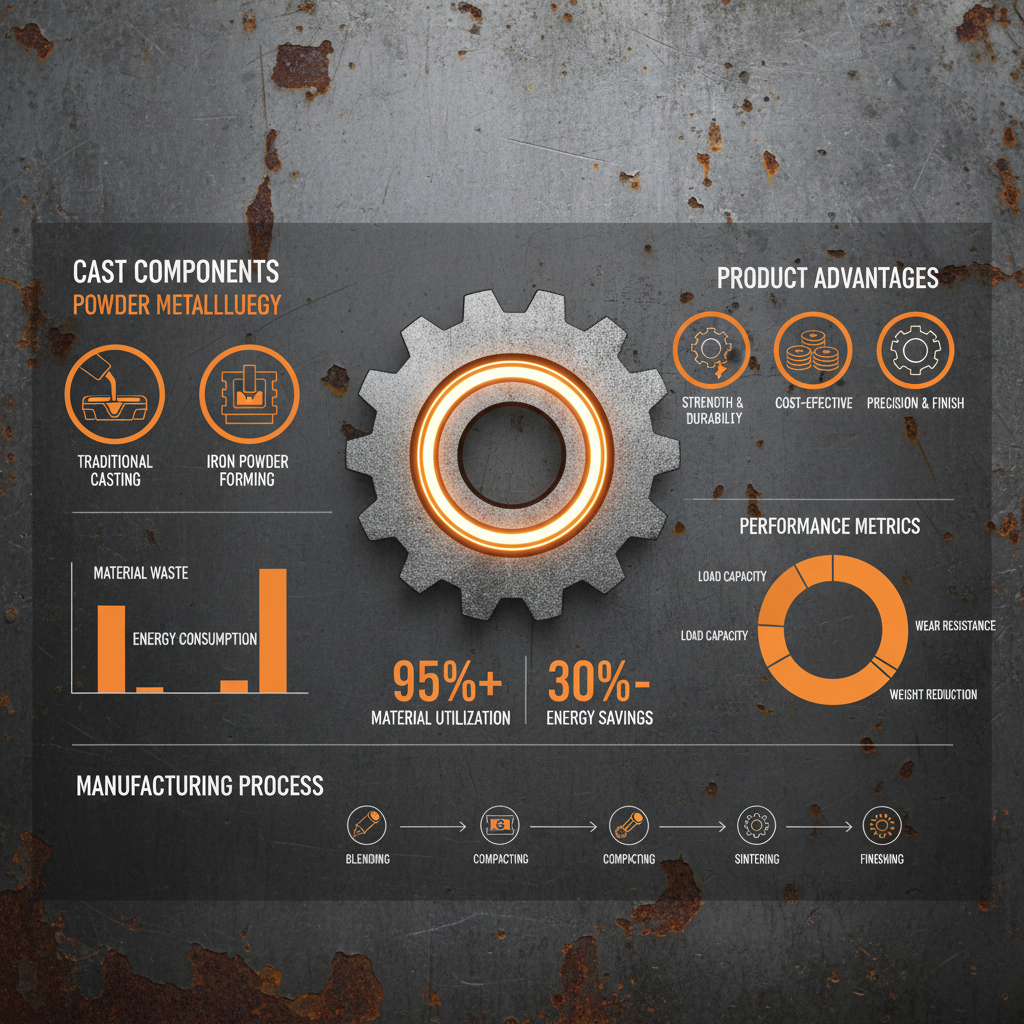
Compared to traditional manufacturing methods like machining or casting, iron powder metallurgy offers several significant advantages. Firstly, it allows for the creation of complex geometries with near-net-shape precision, minimizing the need for secondary machining operations and reducing material waste. Secondly, it enables the production of gears with controlled porosity, which can be beneficial for self-lubrication in certain applications. Finally, the process is highly scalable, making it suitable for both small-batch prototyping and high-volume production. JSSintering specializes in delivering customized iron powder ring gears that meet precise engineering requirements.
Key Benefits: Near-net-shape precision, reduced material waste, controlled porosity for lubrication, and scalability for production.
The Manufacturing Process of Iron Powder Ring Gears
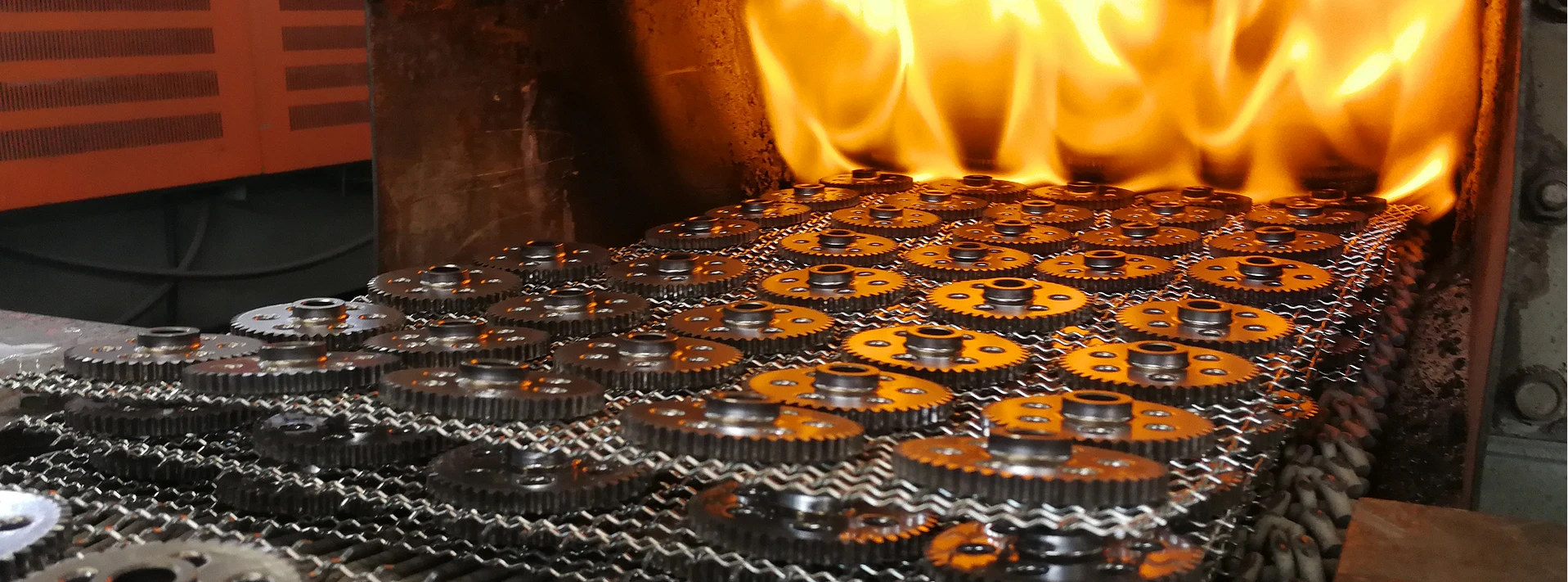
The production of iron powder ring gears typically involves four key stages: powder preparation, compaction, sintering, and finishing. Powder preparation involves blending iron powder with alloying elements and lubricants. Compaction then forms the green compact using specialized tooling. Sintering, performed at high temperatures, consolidates the powder particles, imparting strength and density to the gear. Finally, finishing operations, such as machining or surface treatment, can be applied to achieve the desired dimensional accuracy and surface characteristics. The specific parameters of each stage are carefully controlled to optimize the gear's properties.
Manufacturing Stages:
• Powder Preparation: Blending iron powder with additives.
• Compaction: Forming the green compact using tooling.
• Sintering: Consolidating particles for strength.
• Finishing: Machining or surface treatment for precision.
Iron Powder Ring Gear Materials and Their Properties
The choice of iron powder alloy significantly impacts the properties of the resulting ring gear. Commonly used materials include pure iron, iron-carbon alloys, and alloys containing nickel, copper, or molybdenum. Adding alloying elements can enhance properties such as strength, hardness, wear resistance, and corrosion resistance. The specific alloy composition is tailored to the application's requirements. For example, gears requiring high strength and toughness might utilize a low-alloy steel powder, while those requiring corrosion resistance might incorporate copper or nickel.
Applications of Iron Powder Ring Gears
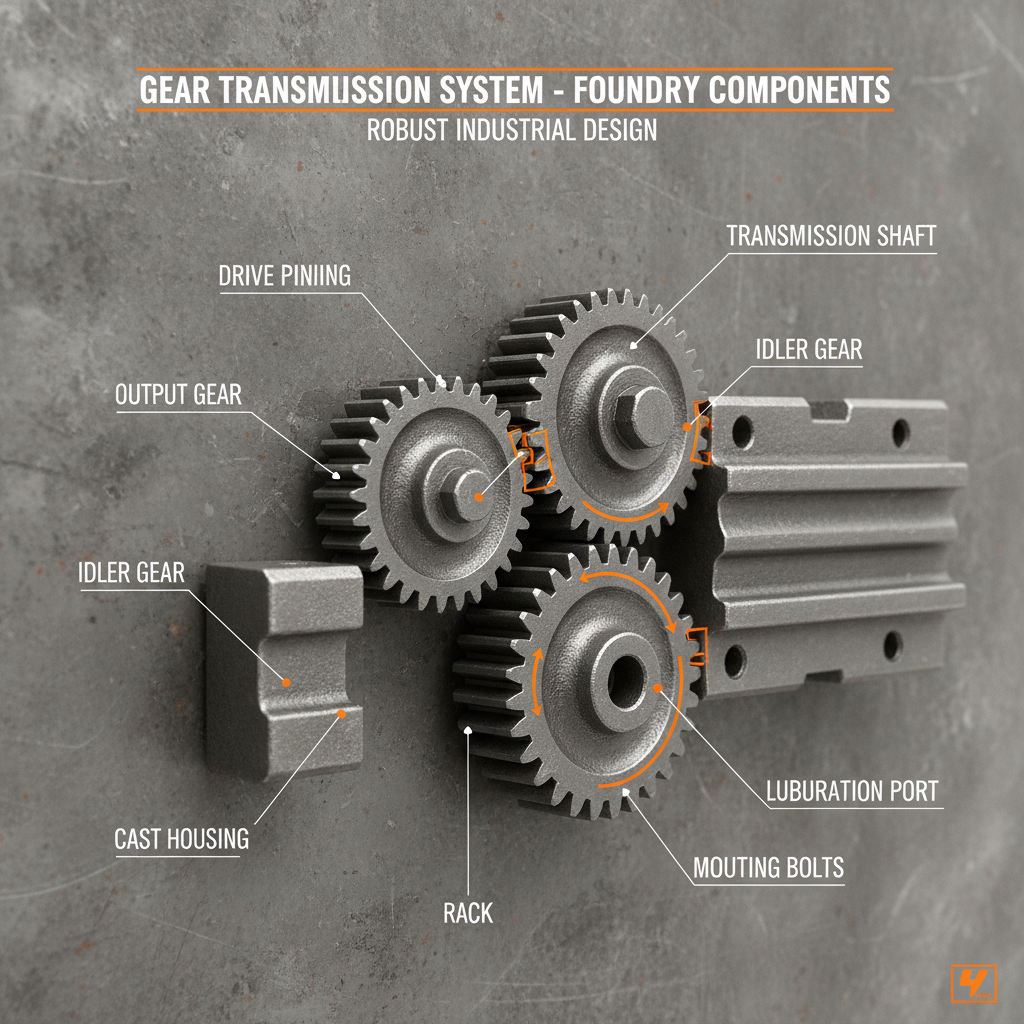
Iron powder ring gears find application across a wide spectrum of industries. In the automotive sector, they are used in starters, alternators, and transmission systems. Industrial machinery employs them in pumps, compressors, and power tools. Furthermore, they are prevalent in household appliances, such as washing machines and electric motors. The ability to tailor the gear’s properties to specific requirements makes them a versatile component for diverse applications. JSSintering can design and manufacture gears for even the most demanding applications.
Future Trends in Iron Powder Ring Gear Technology
The future of iron powder ring gear technology is focused on enhancing material properties, improving manufacturing processes, and expanding application areas. Research and development efforts are underway to create new powder alloys with even higher strength, wear resistance, and corrosion resistance. Additive manufacturing (3D printing) is also emerging as a promising technique for producing complex gear geometries with greater design flexibility. Furthermore, the integration of smart sensors and data analytics into gears will enable predictive maintenance and optimize performance.
Conclusion: The Power of Iron Powder Metallurgy
Iron powder ring gears represent a powerful combination of cost-effectiveness, performance, and design flexibility. Advances in powder metallurgy continue to drive innovation in this field, enabling the creation of gears that meet the ever-evolving demands of modern industries. By partnering with a reputable manufacturer like JSSintering, businesses can unlock the full potential of this technology.
Frequently Asked Questions (FAQs)
What is the typical lead time for a custom iron powder ring gear order?
Lead times can vary depending on the complexity of the design, the quantity ordered, and current production schedules. Generally, prototyping can take 2-4 weeks, while full production runs typically require 6-12 weeks. JSSintering provides detailed lead time estimates with each quote, ensuring transparency and efficient project management. We prioritize timely delivery without compromising on quality.
Can iron powder gears be used in high-temperature applications?
The suitability of iron powder gears for high-temperature applications depends on the specific alloy composition. Certain alloys, such as those containing molybdenum, exhibit improved high-temperature strength and creep resistance. However, prolonged exposure to extremely high temperatures can degrade the material's properties. It's crucial to carefully consider the operating temperature and select an appropriate alloy for the application. JSSintering's engineers can provide guidance on material selection based on your specific temperature requirements.
What surface treatments are available for iron powder ring gears?
Several surface treatments can enhance the performance and durability of iron powder ring gears. These include phosphate coating for corrosion resistance, oil impregnation for self-lubrication, and heat treatment for increased hardness and wear resistance. Other options, such as black oxide coating and specialized coatings for specific applications, are also available. The choice of surface treatment depends on the gear's intended operating environment and performance requirements.