







Water pump wheels are critical components in various industrial and mechanical systems, ensuring efficient fluid transfer and system reliability. This article delves into the technical specifications, applications, and advantages of the Water Pump Wheel offered by Shijiazhuang Jingshi New Material Science and Technology Co., Ltd., a leading manufacturer in powder metallurgy and precision machining.
Product Overview
The Water Pump Wheel is a high-performance component designed for industrial, automotive, and power tool applications. Its construction combines advanced materials and precision engineering to deliver durability, efficiency, and reliability. The product is manufactured using powder metallurgy and machining technologies, ensuring compliance with international standards such as ISO 9001 and TS16949.
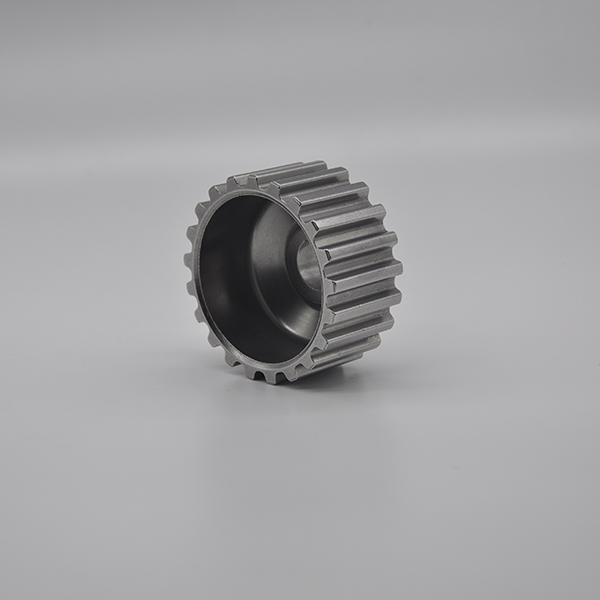
Figure 1: Water Pump Wheel in industrial application.
Technical Specifications
| Parameter | Details |
|---|---|
| Product Name | Water Pump Wheel |
| Material | Iron powder, Steel, Stainless Steel, Copper, Nickel |
| Technology | Powder Metallurgy - Machining |
| Certification | ISO 9001, TS16949 |
| Surface Treatment | High Frequency Quenching, Oil Impregnation |
| Tolerance | ISO 2768 - m / H14, h14, ± IT14/2 |
| Appearance | No Crumbling, Cracks, Exfoliation, Voids, Metal Pitting |
| Process Flow | Powder Mixing - Forming - Sintering - Oil Impregnation - Sizing - Ultrasonic Cleaning - Steam Oxidation - Oil Impregnation - Final Inspection - Packing |
| Applications | Industry, Vehicle, Power Tools, Motor, Bicycle, Electrombile |
Key Features and Advantages
The Water Pump Wheel is engineered to meet the demands of modern industrial applications. Its powder metallurgy process ensures a consistent microstructure, while machining technologies enhance precision. Key advantages include:
- High Durability: The use of stainless steel and nickel materials ensures resistance to corrosion and wear.
- Precision Engineering: Compliance with ISO 2768 standards guarantees tight tolerances and dimensional accuracy.
- Enhanced Surface Treatment: High-frequency quenching and oil impregnation improve hardness and reduce friction.
- Comprehensive Quality Control: The ISO 9001 and TS16949 certifications ensure adherence to rigorous quality protocols.
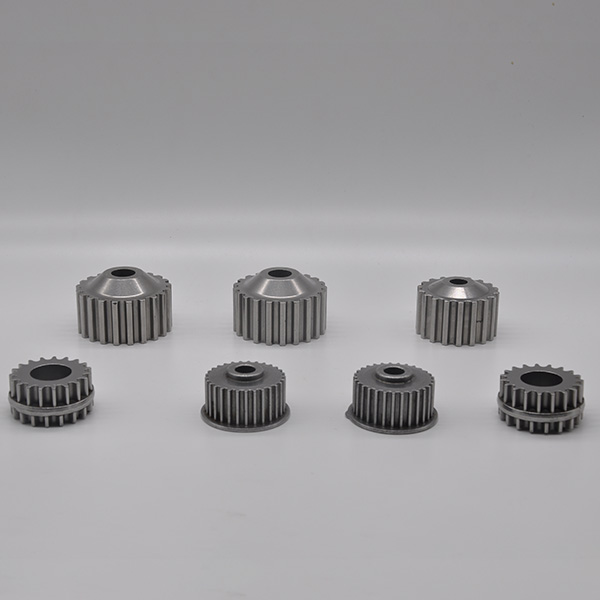
Figure 2: Water Pump Wheel manufacturing process.
Applications and Industry Use Cases
The versatility of the Water Pump Wheel makes it suitable for a wide range of applications:
- Industrial Machinery: Used in pumps, compressors, and hydraulic systems for efficient fluid management.
- Automotive Sector: Essential for vehicle cooling systems, ensuring optimal engine performance.
- Power Tools: Enhances the reliability of tools requiring precise fluid control.
- Electric Motors: Supports cooling and lubrication in high-efficiency motor designs.
- Bicycle and Electric Vehicles: Contributes to the durability and efficiency of water-cooled systems in bicycles and electric vehicles.
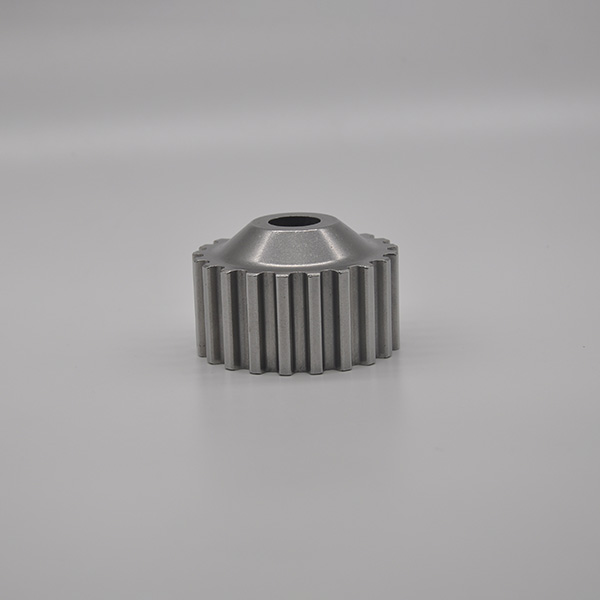
Figure 3: Water Pump Wheel in a gear system.
Company Background: Shijiazhuang Jingshi New Material Science and Technology Co., Ltd.
Shijiazhuang Jingshi New Material Science and Technology Co., Ltd. is a reputable manufacturer specializing in powder metallurgy components. With a commitment to innovation and quality, the company serves industries worldwide, offering solutions that meet ISO standards. Their expertise in machining technologies ensures the production of high-precision parts tailored to diverse applications.
Conclusion
The Water Pump Wheel exemplifies the synergy of advanced materials, precision engineering, and rigorous quality control. Its applications span multiple industries, making it a vital component for modern machinery. By adhering to international standards and leveraging cutting-edge manufacturing techniques, Shijiazhuang Jingshi New Material Science and Technology Co., Ltd. continues to set benchmarks in the field of powder metallurgy and machining technologies.
References
NIST (National Institute of Standards and Technology). (n.d.). https://www.nist.gov
For further information on standards and technologies referenced in this article, visit the official NIST website.









